
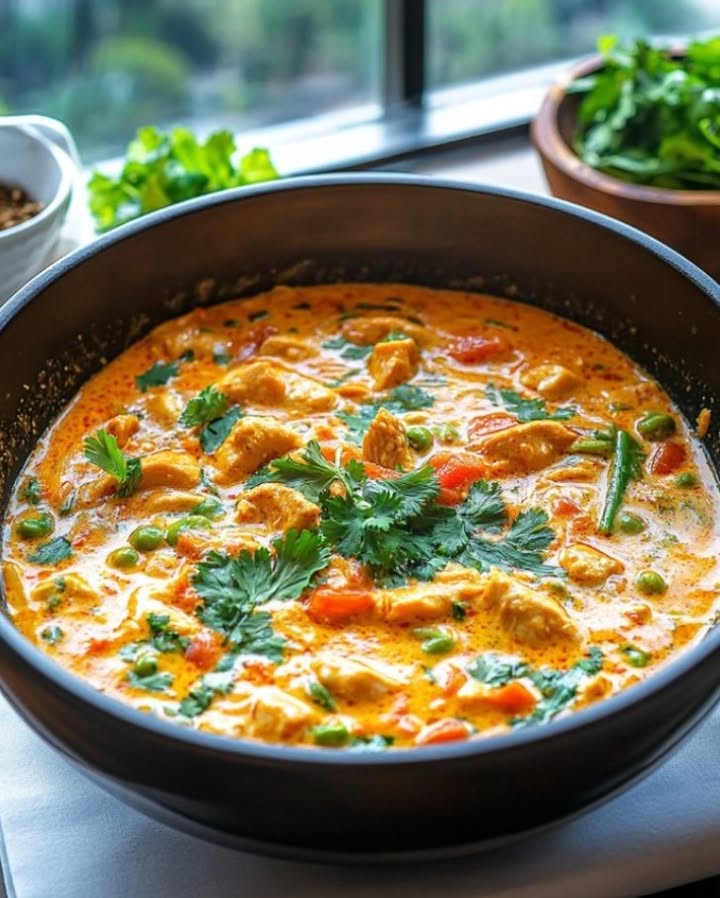
Why Thai Coconut Curry is a Must-Try Dish
There’s something magical about the creamy, spicy, and aromatic flavors of Thai Coconut Curry. The first time I made it, my kitchen smelled like a tropical paradise. It was love at first bite! This dish is not just a meal; it’s an experience. Whether you’re cooking for your family or hosting friends, this recipe will leave everyone asking for seconds. Let me share why this dish is special and how you can master it in no time.
The Story Behind Thai Coconut Curry
Thai Coconut Curry has its roots in Southeast Asia, where coconut milk is a staple in many dishes. Traditionally, this curry combines rich spices, fresh herbs, and tender chicken simmered in creamy coconut milk. Over the years, it has gained global popularity because of its comforting texture and bold flavors. I remember trying this dish at a small Thai restaurant during a trip. The chef told me the secret was in balancing sweet, salty, and spicy flavors. That inspired me to recreate it at home, and now it’s a family favorite!
Why You’ll Love This Recipe
This Thai Coconut Curry recipe is a winner for so many reasons. First, it’s incredibly flavorful without being complicated. The combination of ginger, garlic, and curry paste creates a symphony of aromas that will make your mouth water. Second, it’s versatile. You can adjust the spice level to suit your taste. Finally, it’s quick! With just 30 minutes from prep to plate, it’s perfect for busy weeknights or last-minute dinner plans.
Perfect Occasions to Prepare This Recipe
Whether you’re hosting a casual dinner party or need a cozy meal for a rainy evening, this Thai Coconut Curry fits the bill. It’s also a great dish to impress guests who love bold flavors. I’ve served it at potlucks, family gatherings, and even romantic dinners. Pair it with rice or naan bread, and you’ve got a meal that feels both comforting and exotic.
Ingredients
- 2 to 3 tablespoons of coconut oil or olive oil
- 1 medium to large yellow or sweet Vidalia onion, finely chopped
- 450 g boneless, skinless chicken breast, cut into bite-sized pieces
- 3 cloves garlic, minced or pressed
- 2 to 3 teaspoons ground ginger or 1 tablespoon freshly grated ginger
- 2 teaspoons ground coriander
- 1 can (400 ml) full-fat coconut milk (or light if preferred)
- 1 to 1½ cups grated carrots
- 1 to 3 tablespoons Thai red curry paste (adjust to taste)
- 1 teaspoon salt (or to taste)
- ½ teaspoon freshly ground black pepper
- 3 cups fresh spinach leaves
- 1 tablespoon lime juice
- 1 to 2 tablespoons brown sugar (optional)
- ¼ cup chopped fresh cilantro or basil for garnish
- Rice, quinoa, or naan bread for serving (optional)
Substitution Options
If you don’t have all the ingredients, don’t worry! Here are some easy swaps:
- Use vegetable oil instead of coconut oil.
- Swap chicken for tofu or shrimp for a vegetarian or seafood version.
- Replace spinach with kale or Swiss chard.
- Use honey or maple syrup instead of brown sugar.
- If you can’t find Thai curry paste, use curry powder with a pinch of red pepper flakes.
Preparation Section
Step 1: Sauté the Onions
Heat your oil in a large skillet over medium-high heat. Add the onions and cook for about 5 minutes, stirring often. Watch as they turn translucent and slightly golden. This step builds the foundation of flavor. Pro tip: Don’t rush the onions—they need time to soften and release their sweetness.
Step 2: Cook the Chicken
Add the chicken pieces to the skillet. Cook them for about 5 minutes, flipping occasionally, until they’re golden brown and cooked through. The aroma of seared chicken combined with caramelized onions is irresistible. Make sure each piece gets evenly browned for maximum flavor.
Step 3: Add Aromatics
Toss in the garlic, ginger, and coriander. Stir everything together and let it cook for 1 minute. You’ll notice the kitchen filling with warm, spicy scents. These spices are the heart of your Thai Coconut Curry, so take a moment to enjoy the fragrance.
Step 4: Simmer the Sauce
Pour in the coconut milk, add the carrots, curry paste, salt, and pepper. Stir well to combine. Lower the heat to medium and let the mixture simmer for 5 minutes. As the sauce thickens, it will coat the chicken beautifully. Pro tip: Taste as you go and adjust the curry paste for spiciness.
Step 5: Finish with Greens
Stir in the spinach and lime juice. Cook for another 1 to 2 minutes until the spinach wilts. The vibrant green color adds a pop to your dish. Garnish with cilantro before serving. Chef’s tip: A squeeze of lime at the end brightens up all the flavors.
Timing
This Thai Coconut Curry comes together quickly:
- Prep Time: 10 minutes
- Cooking Time: 20 minutes
- Total Time: 30 minutes
Chef’s Secret
To elevate your curry, toast the curry paste in the pan for 30 seconds before adding liquids. This intensifies the spices and gives your dish a deeper flavor profile. Trust me—it makes a world of difference!
Extra Info
Did you know that coconut milk is naturally lactose-free? That’s one reason why Thai Coconut Curry is a hit among those with dietary restrictions. Plus, it’s packed with healthy fats that keep you feeling full longer.
Necessary Equipment
You’ll need a few basic tools:
- A large skillet or frying pan
- A wooden spoon or spatula
- A sharp knife for chopping
- A grater for carrots and ginger
Storage
Leftovers? Lucky you! Store your Thai Coconut Curry in an airtight container in the fridge for up to a week. Reheat gently on the stovetop or microwave. The flavors deepen over time, making it even tastier the next day.
If freezing, portion it into smaller containers. It keeps well for up to 3 months. Thaw overnight in the fridge before reheating.
Pro tip: Avoid freezing with fresh herbs like cilantro. Add them after reheating for freshness.
Tips and Advice
Here are a few ways to perfect your curry:
- Use fresh ingredients whenever possible—especially ginger and garlic.
- Balance flavors by tasting as you cook. Adjust sweetness, saltiness, and spiciness accordingly.
- For extra creaminess, blend a small portion of the sauce and mix it back in.
Presentation Tips
Serve your Thai Coconut Curry in a colorful bowl. Garnish with fresh cilantro, a wedge of lime, and a sprinkle of sesame seeds. Pair it with fluffy white rice or golden quinoa for contrast. A side of crispy naan bread completes the look.
Healthier Alternative Recipes
Love this dish but want healthier options? Try these variations:
- Vegetarian Version: Replace chicken with chickpeas or lentils.
- Low-Carb Option: Serve with cauliflower rice instead of regular rice.
- Lighter Sauce: Use light coconut milk and reduce the amount of oil.
- Spice-Free: Skip the curry paste and add mild spices like turmeric.
- Seafood Twist: Swap chicken for shrimp or salmon.
- Vegan Delight: Omit animal products entirely and use plant-based alternatives.
Common Mistakes to Avoid
Mistake 1: Skipping the Aromatics
Some people rush through sautéing onions and garlic. Big mistake! These ingredients build depth and complexity. Take your time to soften them properly for the best results.
Mistake 2: Overcooking the Spinach
Spinach cooks quickly. If you leave it too long, it turns mushy and loses its vibrant color. Add it at the very end and remove from heat once wilted.
Mistake 3: Using Old Spices
Spices lose potency over time. Always check expiration dates and replace old ones. Fresh spices make a huge difference in flavor.
FAQ
What is Thai red curry paste?
Thai red curry paste is a blend of chili peppers, garlic, lemongrass, and other spices. It’s the key ingredient that gives Thai Coconut Curry its signature heat and aroma.
Can I make this dish spicier?
Absolutely! Increase the amount of curry paste or add fresh chili slices for extra kick.
Is this dish gluten-free?
Yes, as long as you serve it with gluten-free sides like rice or quinoa.
How do I store leftovers?
Keep leftovers in an airtight container in the fridge for up to a week or freeze for longer storage.
Can I use frozen spinach?
Yes, but thaw and drain it first to avoid excess moisture in the curry.
What can I substitute for coconut milk?
While nothing beats coconut milk, you can try cashew cream or almond milk for a lighter option.
Do I need special equipment?
No fancy gadgets required—just a good skillet and basic kitchen tools.
How do I adjust sweetness?
Add brown sugar, honey, or maple syrup gradually until you reach your desired level of sweetness.
Can I prep this ahead?
Definitely! Prep ingredients the night before to save time during cooking.
What pairs well with this dish?
Rice, quinoa, or naan bread complement the curry perfectly.
Final Thoughts
Thai Coconut Curry is more than just a dish—it’s a celebration of flavors, textures, and aromas. Whether you’re a seasoned cook or a beginner, this recipe is approachable and rewarding. So grab your apron, gather your ingredients, and get ready to create a meal that will wow everyone at the table. Happy cooking!