
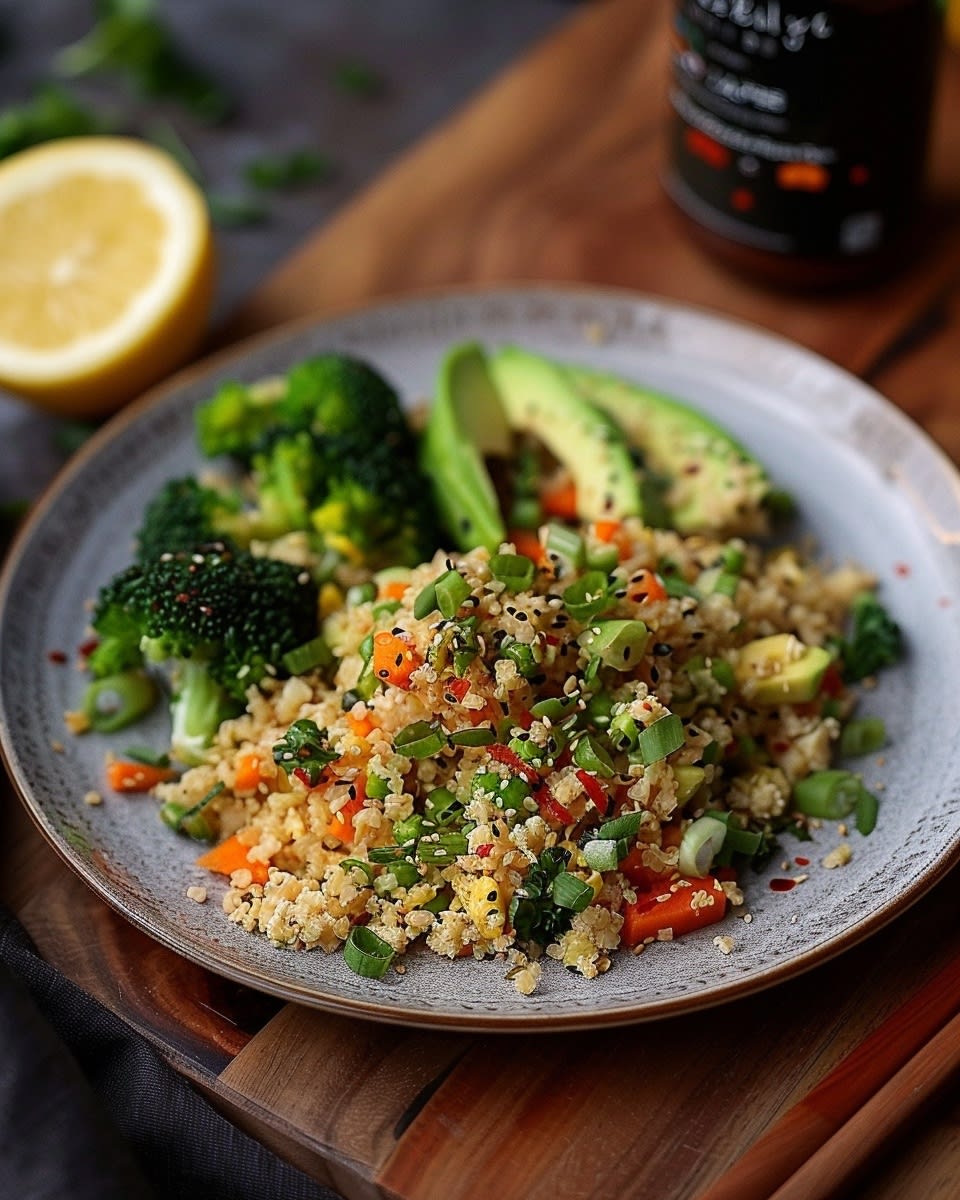
Last Tuesday night, I stood in my kitchen staring at a head of cauliflower, wondering if I could really fool my rice-loving family with this vegetable swap. Spoiler alert: they asked for seconds! That’s when I knew low carb cauliflower fried rice wasn’t just a diet trick. It was a real solution for anyone who wants to enjoy their favorite takeout flavors without the carb overload.
I’ve been making fried rice for years, but switching to cauliflower changed everything. The best part? I don’t feel sluggish after eating a huge bowl. My energy stays steady, and I can enjoy this dish any night of the week without guilt. Whether you’re new to low carb eating or a seasoned keto veteran, this low carb cauliflower fried rice recipe will become your go-to weeknight meal.
This dish works for so many different eating styles. You can turn it into keto shrimp fried rice by adding succulent shrimp, or make cauliflower fried rice with chicken for extra protein. Some nights I even make it into a cheesy cauliflower rice keto dish when I need comfort food. The options are endless, and each version tastes amazing.
Why Choose Low Carb Cauliflower Fried Rice?
Let me be honest with you. When I first heard about cauliflower rice, I was skeptical. How could a vegetable replace the fluffy, satisfying texture of real rice? But once I tried it properly prepared, my mind changed completely. The texture is surprisingly similar, and it soaks up flavors even better than regular rice.
Is cauliflower rice good for a low carb diet? Absolutely, yes! Cauliflower rice contains only 5 grams of carbs per cup compared to white rice’s whopping 45 grams. That’s a massive difference when you’re watching your carb intake. For anyone following keto or low carb eating, this swap makes enjoying fried rice possible again.
I remember my first month of low carb eating. I missed fried rice so much that I almost gave up. Then I discovered cauliflower fried rice keto recipes, and everything clicked. I could have my favorite dish without kicking myself out of ketosis. That discovery kept me on track with my health goals.
Benefits of Using Cauliflower as a Rice Substitute
Cauliflower brings way more to the table than just low carbs. This vegetable is packed with nutrients that regular white rice simply can’t match. Every time I make cauliflower fried rice, I know I’m feeding my body good stuff.
Here’s what makes cauliflower such a smart choice:
- High in fiber – Keeps you full longer and helps digestion run smoothly
- Rich in vitamin C – One serving gives you 77% of your daily needs
- Contains vitamin K – Important for bone health and blood clotting
- Provides folate – Essential for cell growth and metabolism
- Loaded with antioxidants – Helps fight inflammation in your body
- Very low in calories – You can eat a large portion without overdoing it
White rice gives you energy through carbs, but that’s about it. Cauliflower gives you energy plus vitamins, minerals, and fiber. Your body gets more bang for its buck. I notice I stay satisfied longer after eating best low carb fried rice made with cauliflower compared to traditional versions.
Nutritional Value and How It Fits Into a Low Carb Lifestyle
Numbers don’t lie, and the numbers for cauliflower rice are impressive. Let me break down what you’re actually eating when you choose this healthy swap. Understanding the nutrition helps you plan your meals better and reach your health goals faster.
One cup of cauliflower rice contains:
- 25 calories
- 5 grams of carbohydrates
- 2 grams of fiber
- 3 grams of net carbs (total carbs minus fiber)
- 2 grams of protein
- 0 grams of fat
These numbers make cauliflower rice perfect for keto and low carb diets. Most keto plans limit you to 20-50 grams of net carbs per day. With only 3 net carbs per cup, you can enjoy a generous serving of keto cauliflower fried rice recipes and still have plenty of room for other foods.
I usually eat about 2 cups of cauliflower fried rice in one meal. That’s only 6 net carbs total. Add some protein like chicken, shrimp, or eggs, and you’ve got a complete meal that fits perfectly into your daily carb limit. This leaves room for vegetables, healthy fats, and maybe even a small keto dessert later.
The fiber content deserves special mention. Those 2 grams per cup help keep your digestive system happy. Many people who start low carb eating struggle with digestion at first. Adding cauliflower rice to your regular rotation helps prevent that problem naturally.
Comparison With Regular Rice in Terms of Carbs and Calories
Seeing the numbers side by side really drives home why cauliflower makes such a smart swap. I created this comparison to show you exactly what you’re saving every time you choose cauliflower over regular rice.
| Nutrition Facts (1 cup cooked) | White Rice | Brown Rice | Cauliflower Rice |
|---|---|---|---|
| Calories | 205 | 216 | 25 |
| Total Carbs | 45g | 45g | 5g |
| Fiber | 0.6g | 3.5g | 2g |
| Net Carbs | 44.4g | 41.5g | 3g |
| Protein | 4.3g | 5g | 2g |
| Fat | 0.4g | 1.8g | 0g |
Look at those calorie savings! You save 180 calories by choosing cauliflower over white rice. That might not sound huge, but it adds up fast. If you eat fried rice twice a week, that’s 1,440 calories saved per month. Over a year, we’re talking about 18,720 calories, which equals roughly 5 pounds of body weight.
The carb difference is even more dramatic. Regular fried rice with white rice contains about 44 net carbs per cup. My frozen cauliflower fried rice version has only 3 net carbs. That’s a 93% reduction in carbs! For anyone asking can you eat fried rice on a low carb diet, this is your answer. You can absolutely eat fried rice when you make this simple swap.
Does cauliflower fried rice have carbs? Yes, but very few. Those 3 net carbs per serving won’t derail your diet. You can enjoy a satisfying meal that tastes like takeout without the carb crash that comes later.
Is fried cauliflower rice keto friendly? Without question, yes! The low carb count keeps you in ketosis, while the volume and texture keep you satisfied. I’ve served cauliflower fried rice whole30 versions to friends who weren’t even dieting, and they loved it just as much as the regular kind.
Even brown rice, which many consider healthier, can’t compete with cauliflower for low carb eating. Brown rice has slightly more fiber than white rice, but it still packs 41.5 net carbs per cup. That’s more than most people’s entire daily carb allowance on keto.
The beauty of cauliflower rice is that you don’t have to choose between your health goals and enjoying delicious food. You get both. Whether you’re making a simple keto cauliflower rice casserole or an elaborate keto shrimp fried rice, you’re choosing nutrition without sacrifice.


The Best Low Carb Cauliflower Fried Rice Recipe
Now that you understand why cauliflower rice beats regular rice every time, let’s get cooking. I’m going to walk you through my absolute favorite low carb cauliflower fried rice recipe that I make at least twice a week. This recipe took me months to perfect, but I’m giving you the shortcut to success.
The first time I attempted this, I made every mistake possible. My cauliflower turned mushy and watery. The seasonings tasted flat. My family gave me polite smiles but reached for the pizza delivery menu. After lots of trial and error, I figured out the secrets that make restaurant-quality cauliflower fried rice keto at home.
Ingredients Needed for the Basic Recipe
Here’s what you’ll need to gather before you start cooking. I keep most of these ingredients stocked in my kitchen because I make this dish so often:
For the cauliflower rice base, grab one large head of cauliflower (about 6 cups riced) or two 12-ounce bags of pre-riced cauliflower if you want to save time. You’ll also need 3 tablespoons of sesame oil or avocado oil, which handles high heat better than olive oil. Three cloves of minced garlic add that essential flavor punch. One tablespoon of freshly grated ginger makes everything taste authentic. Throw in half a cup of diced onion and one cup of mixed vegetables like peas, carrots, and bell peppers.
For the protein and eggs, I use three large eggs scrambled separately, plus your choice of protein. I usually go with one pound of diced chicken, shrimp, or even leftover pork. Sometimes I skip the meat entirely and double up on eggs for a vegetarian version that my daughter loves.
The sauce ingredients matter more than you might think. You need 3 tablespoons of coconut aminos or tamari for gluten-free options, though regular soy sauce works fine if you’re not avoiding gluten. One tablespoon of rice vinegar brightens everything up. Half a teaspoon of fish sauce adds umami depth (trust me on this one). A quarter teaspoon of white pepper gives it that restaurant taste, and two chopped green onions finish the dish beautifully.
Step-by-Step Instructions on How to Make the Dish
Alright, let’s make some magic happen. The order of operations matters here, so pay attention to the sequence.
Start by preparing your cauliflower rice if you’re using fresh cauliflower. Cut the head into florets, then pulse them in a food processor until they resemble rice grains. Don’t over-process or you’ll get cauliflower mush instead of rice. This step takes about 30 seconds of pulsing. I learned this the hard way after turning an entire head of cauliflower into baby food consistency.
Here’s a trick that changed everything for me. Spread your riced cauliflower on a clean kitchen towel and squeeze out as much moisture as possible. This step is absolutely critical. Wet cauliflower steams instead of fries, and you end up with soggy disappointment. I squeeze mine in batches, twisting the towel tight until no more water comes out.
Heat your largest skillet or wok over high heat. Add one tablespoon of oil and scramble your eggs until just cooked. Remove them to a plate and set aside. In the same pan, add another tablespoon of oil and cook your protein of choice until done. For cauliflower fried rice with chicken, this takes about 6 minutes. For shrimp, only 3 to 4 minutes. Remove the protein and set it aside with the eggs.
Now add the final tablespoon of oil to your pan. Toss in the garlic, ginger, and onions. Stir-fry for about one minute until fragrant. This is when your kitchen starts smelling like your favorite Chinese restaurant. Add your riced cauliflower and crank that heat to high. This is not the time to be timid. Stir-fry the cauliflower for 5 to 7 minutes without stirring too much. Let it get a little color and develop some flavor.
By the way, if you’re looking for other quick weeknight meals with bold flavors, you might enjoy these healthy chicken lettuce wraps that use similar Asian-inspired seasonings.
Add your mixed vegetables and stir-fry for another 2 minutes. Pour in your coconut aminos, rice vinegar, fish sauce, and white pepper. Stir everything together. Return your cooked eggs and protein to the pan. Mix everything thoroughly and cook for one more minute. Sprinkle with green onions and serve immediately.
Tips for Achieving the Perfect Texture and Flavor
The difference between good and great cauliflower fried rice comes down to small details. Let me share what I’ve learned through countless batches.
First, dry your cauliflower rice thoroughly. I can’t stress this enough. Even if you’re using frozen cauliflower rice, thaw it completely and squeeze out the liquid. I once skipped this step when I was rushing, and my family ate their servings politely but without enthusiasm. Lesson learned.
Second, use high heat and a large pan. Overcrowding the pan creates steam instead of the slight char that makes fried rice special. If your pan isn’t big enough, cook the cauliflower in two batches. I know it’s tempting to throw everything in at once, but patience pays off here.
Third, don’t over-stir your cauliflower. Let it sit and develop some golden spots. Those browned bits add so much flavor. I stir mine every 60 seconds or so, not constantly like I used to do.
Fourth, season as you go rather than dumping all the sauce at once. Add a bit, taste, then adjust. Some brands of coconut aminos taste sweeter than others. Some soy sauce is saltier. Your taste buds are the best guide.
Fifth, serve immediately. Cauliflower rice doesn’t hold as well as regular rice. It’s best eaten right away while it’s still hot and slightly crispy. If you have leftovers (rare in my house), reheat them in a hot skillet rather than the microwave to restore some texture.
Variations: Making Your Fried Rice Unique
Once you master the basic recipe, the fun really begins. I rotate through different variations depending on what I have in the fridge or what I’m craving that day.
For keto shrimp fried rice, I use one pound of peeled and deveined shrimp. Cook them for only 2 to 3 minutes until they turn pink. Overcooked shrimp get rubbery fast. I add a squeeze of lime juice at the end and sometimes a pinch of red pepper flakes for heat. This version reminds me of the shrimp fried rice from my favorite Thai place, except it doesn’t make me feel like napping afterward.
My cauliflower fried rice with chicken uses diced chicken thighs instead of breast meat. Thighs stay juicier and have more flavor. I season the chicken with a bit of salt and garlic powder before cooking. Sometimes I marinate the chicken in coconut aminos for 30 minutes if I remember to plan ahead. This variation is my kids’ favorite because chicken feels familiar to them.
When I’m craving comfort food, I make cheesy cauliflower rice keto by stirring in half a cup of shredded cheddar cheese right at the end. The heat from the cauliflower melts the cheese into creamy perfection. I also add crispy bacon pieces and sometimes a dollop of sour cream on top. This version strays from traditional fried rice, but who cares when it tastes this good? It pairs wonderfully with a light side like this spinach strawberry almond salad for a complete meal.
Making It Even Better – Additional Variations
Here’s the thing about cooking. Once you get comfortable with a recipe, you start seeing possibilities everywhere. I’ve taken this basic low carb cauliflower fried rice recipe in so many different directions.
My keto cauliflower rice casserole transforms the stir-fry into a baked dish perfect for meal prep. I make the fried rice as usual, then transfer it to a greased 9×13 baking dish. I top it with shredded cheese, dot it with butter, and sprinkle everything bagel seasoning on top. Bake at 375°F for 20 minutes until the cheese is bubbly and golden. This version reheats beautifully all week long. I pack it for lunches and my coworkers always ask what smells so good.
On busy nights, frozen cauliflower fried rice saves my sanity. I keep several bags in the freezer. The key is thawing it completely and squeezing out water before cooking. I actually prefer frozen sometimes because someone else did the ricing work for me. The texture ends up identical to fresh if you handle it right. For quick weeknight dinners, this approach can’t be beat.
Speaking of quick meals with minimal prep, I often serve this alongside garlic lemon baked salmon for a restaurant-quality dinner that takes less than 30 minutes total.
I love customizing with different vegetables and proteins. Last week I made a breakfast version with crumbled breakfast sausage, diced bell peppers, and topped everything with a fried egg. My teenager declared it “actually fire,” which I’m pretty sure means it was good. I’ve done Mexican-inspired versions with chorizo, jalapeños, and cilantro. I’ve made Mediterranean versions with feta cheese, olives, and sun-dried tomatoes.
One of my favorite experiments involved adding kimchi for a Korean twist. The fermented spicy cabbage added tanginess and heat that worked surprisingly well. I also threw in some gochugaru (Korean red pepper flakes) and sesame seeds. My husband, who usually resists anything adventurous, actually requested I make it again.
Funny enough, I’ve started thinking of this recipe as a template rather than a fixed dish. Whatever protein I have, whatever vegetables need using up, they all work. This flexibility makes cauliflower fried rice whole30 compliant when I skip the cheese and use compliant seasonings. It’s naturally gluten-free. It’s dairy-free in the basic version. It accommodates so many different eating styles without feeling restrictive.
For a complete meal-prep strategy, I sometimes make a big batch and portion it into containers with different proteins. Monday gets chicken, Wednesday gets shrimp, Friday gets extra eggs and cheese. Same base, different toppings, never boring. If you’re into the bowl concept, it pairs perfectly with other components from a roasted vegetable Buddha bowl for maximum variety.
The beauty of these variations is that they all start from the same basic technique. Master that foundation, and you can create endless versions. Your taste buds will never get bored, and your body gets all the benefits of best low carb fried rice every single time.

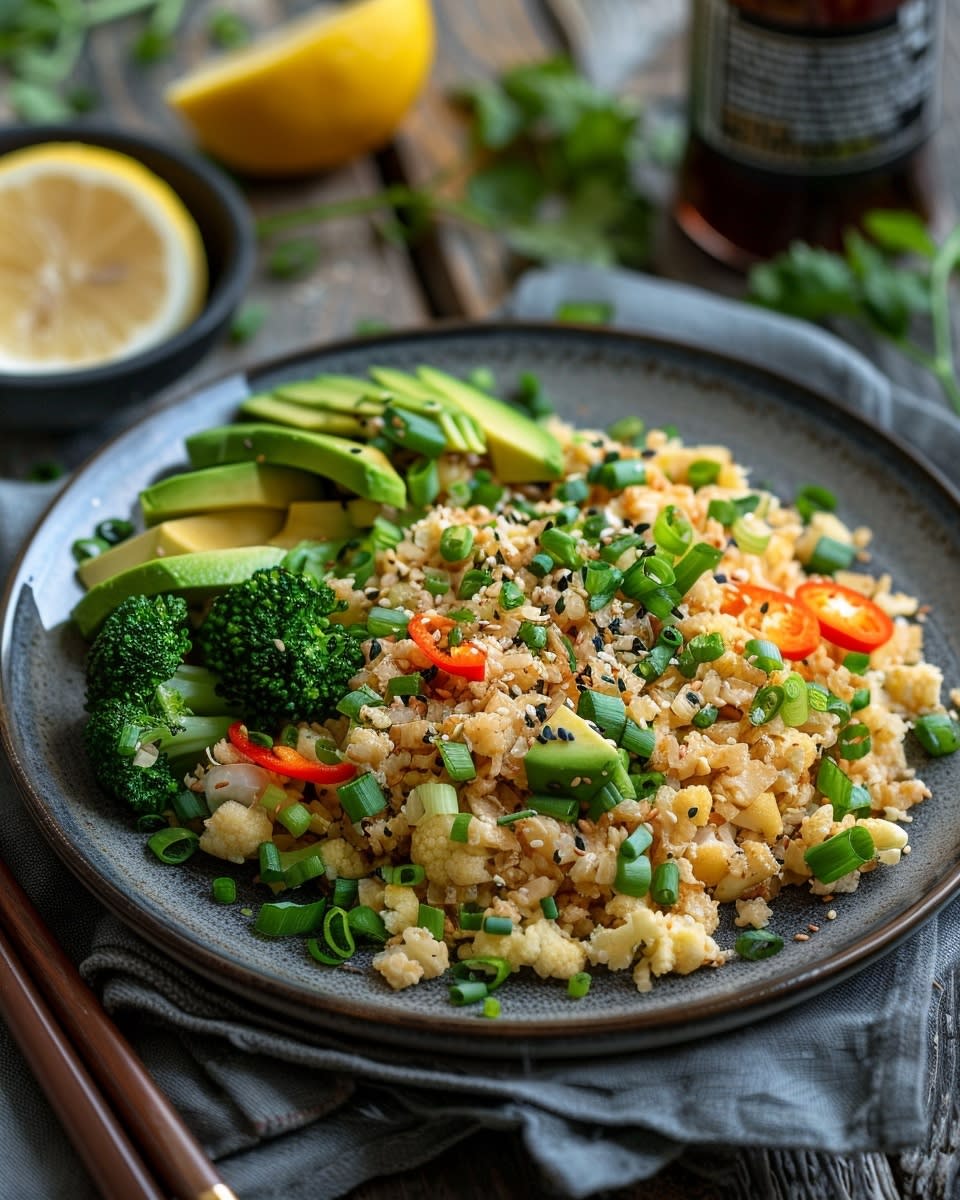

Frequently Asked Questions About Low Carb Cauliflower Fried Rice
Every time I post about my low carb cauliflower fried rice on social media, my inbox floods with questions. People want to know if it really works for their diet, how to store it, and whether their kids will actually eat it. I get it. When you’re changing how you eat, you need real answers from someone who’s been there. So let me answer the questions I hear most often, plus a few you might not have thought to ask yet.
Is Fried Cauliflower Rice Keto Friendly?
Yes, absolutely! Cauliflower fried rice keto versions fit perfectly into ketogenic eating plans. With only 3 net carbs per cup, you can enjoy a generous serving without worrying about getting kicked out of ketosis. I’ve been eating this dish multiple times a week for over two years while maintaining ketosis, and my blood ketone meter confirms I stay in the optimal range.
The key is watching what else you add. The basic cauliflower, eggs, and vegetables are totally keto-safe. Where people sometimes trip up is adding high-carb vegetables like corn or sweet peas in large amounts. Stick with low carb veggies like bell peppers, broccoli, and snap peas. Also watch your sauce ingredients. Some store-bought stir-fry sauces contain added sugars that can sneak carbs into your meal. I learned this when I grabbed a bottle at the store without reading the label and suddenly felt hungrier than usual after eating.
When you make your own keto cauliflower fried rice recipes at home, you control every ingredient. That’s the beauty of cooking from scratch. You know exactly what’s going into your body. Plus, the healthy fats from sesame oil and the protein from eggs or meat make this dish incredibly satisfying. I stay full for hours after eating it, which wasn’t true when I ate regular fried rice that left me raiding the pantry an hour later.
Can You Eat Fried Rice on a Low Carb Diet?
You absolutely can when you swap regular rice for cauliflower. Traditional fried rice is off-limits for low carb eaters because of the massive carb load from white or brown rice. But best low carb fried rice made with cauliflower changes everything. You get the flavors, textures, and satisfaction of fried rice without blowing your carb budget for the entire day.
Here’s what I tell people who miss their favorite takeout. Low carb eating doesn’t mean giving up foods you love. It means finding smarter swaps that deliver the same experience. Cauliflower rice is one of those genius swaps that actually works. I’ve served this to guests who weren’t on any special diet, and they enjoyed it just as much as traditional fried rice. Some didn’t even realize it wasn’t regular rice until I told them.
The trick is preparing it properly so the texture mimics real rice. That means getting rid of excess moisture and cooking it over high heat. When you nail the technique, you end up with a dish that satisfies your fried rice cravings completely. My husband used to order Chinese takeout every Friday night. Now he actually prefers my homemade version because he doesn’t feel bloated and tired afterward.
Does Cauliflower Fried Rice Have Carbs?
Yes, but very minimal amounts compared to regular fried rice. One serving of my cauliflower fried rice contains approximately 6 to 8 net carbs depending on what vegetables and proteins you include. That’s a fraction of the 45 to 50 net carbs you’d get from the same portion of traditional fried rice.
Those few carbs come primarily from the cauliflower itself and any additional vegetables you add. Cauliflower is technically not a zero-carb food, but it’s close enough for practical purposes. The fiber content partially offsets the total carbs, which is why we focus on net carbs for keto and low carb eating. For someone following a standard low carb diet allowing 50 to 100 grams of carbs daily, this dish barely makes a dent. Even strict keto dieters staying under 20 grams can easily fit this into their daily meals.
By the way, maintaining proper micronutrient intake matters just as much as tracking carbs, and cauliflower delivers vitamins and minerals that white rice simply can’t match. I feel better overall when I eat nutrient-dense foods like this rather than empty carbs.
Other Common Questions About Preparing and Storing the Dish
Storage questions come up constantly. Can you make this ahead? How long does it last? Does it freeze well? Let me break down the practical stuff that makes this recipe work for real life.
First, leftovers keep in the refrigerator for 3 to 4 days in an airtight container. I portion mine into individual containers for quick lunches. The texture changes slightly after refrigeration because cauliflower releases a bit more moisture. To fix this, reheat your frozen cauliflower fried rice in a hot skillet rather than the microwave. Add a tiny bit of oil to the pan and stir-fry the cold fried rice for 3 to 4 minutes. This restores the texture and makes it taste freshly made. The microwave makes it soggy and sad. Trust me on this one.
Freezing is trickier. I’ve experimented with freezing cooked cauliflower fried rice, and honestly, the results are just okay. The cauliflower releases water when thawed, making the texture mushier. If you do freeze it, spread it on a baking sheet first to flash freeze individual pieces, then transfer to a freezer bag. This prevents one giant clump. When ready to eat, thaw it in the refrigerator overnight, squeeze out excess moisture with a kitchen towel, then reheat in a hot skillet. It’s extra work but doable.
Better option? Buy pre-riced cauliflower and keep it frozen. Then make fresh batches as needed. This gives you convenience without sacrificing texture. I keep three bags in my freezer at all times. On nights when I don’t feel like cooking something elaborate, I can have cauliflower fried rice with chicken on the table in 20 minutes flat.
Another question I hear constantly is about smell. Cauliflower can get stinky when overcooked or stored improperly. To minimize this, don’t overcook your cauliflower initially. Keep it slightly firm rather than mushy. Store leftovers in containers with tight-fitting lids. Add a small piece of bread to the container to absorb odors if you’re sensitive to the smell. When reheating, add fresh aromatics like garlic or ginger to brighten everything up.
People also ask whether kids will eat this. My kids do, but I won’t lie and say every child will love it immediately. I introduced it gradually by mixing half regular rice and half cauliflower rice at first. Over a few weeks, I shifted the ratio until they were eating pure cauliflower rice without complaining. Now my youngest requests it specifically. Your mileage may vary depending on how adventurous your kids are. Making it fun helps too. Let them pick the protein or choose the vegetables. When kids feel involved in meal creation, they’re more willing to try new things.
Meal prep warriors want to know if they can prep components ahead. Absolutely yes! Rice your cauliflower on Sunday, squeeze out the moisture, and store it in the fridge for up to 3 days. Prep your vegetables and proteins too. Then assembling the dish during the week takes only minutes. I do this every Sunday afternoon while listening to podcasts. It makes weeknight cooking so much easier.
Here’s the thing about making this recipe part of your regular rotation. It gets faster and easier every time you make it. The first attempt might feel awkward. You’re learning new techniques and getting comfortable with different ingredients. But by the fifth or sixth time, you’ll be moving through the steps without even thinking. Your hands will know exactly how much moisture to squeeze out. Your eyes will recognize when the cauliflower has the right color. Cooking becomes intuitive rather than stressful.
Funny enough, this dish has become my go-to when I need to impress someone but don’t have much time. Last month, my in-laws surprised us with a dinner visit. I panicked initially, then remembered I had all the ingredients for keto shrimp fried rice in my kitchen. Twenty minutes later, I served them restaurant-quality food that they raved about for weeks. They had no idea how quick and easy it was to make. That’s our little secret.
If you’re looking for more inspiration to keep your meals exciting and nutritious, check out the full collection of healthy recipes that prove eating well doesn’t mean eating boring food. There’s so much variety available when you start exploring creative alternatives to traditional dishes.
One last thing that comes up in conversations about this recipe. People worry that eating the same vegetables repeatedly gets boring. But remember, you’re not just eating plain cauliflower. You’re creating a complete dish with multiple flavors, textures, and ingredients working together. The cauliflower acts as a neutral base that soaks up whatever flavors you add. One night it tastes like Chinese takeout. Another night it channels Thai flavors. The next day it’s got Mexican vibes. Same vegetable, completely different experiences.
That versatility keeps this recipe in my regular rotation without feeling repetitive. I genuinely look forward to making it rather than viewing it as diet food I have to choke down. That mental shift matters more than any nutrition statistic. When you actually enjoy your healthy meals, sticking to your goals becomes natural instead of a constant battle.
Whether you’re cooking for yourself, your family, or meal prepping for the week ahead, this low carb cauliflower fried rice recipe adapts to your needs. It scales up easily for crowd feeding. It works for solo dinners. It satisfies picky eaters and adventurous ones. That flexibility is exactly what busy people need from their recipes. Not every meal can be a culinary adventure. Sometimes you just need something reliable, delicious, and quick. This recipe delivers on all three counts every single time.
Start with the basic recipe I shared earlier until you feel confident with the technique. Then begin experimenting with your own variations. Add your favorite proteins, play with different vegetable combinations, try new seasonings. Make this recipe your own. That’s when cooking shifts from following instructions to creating something that reflects your personal tastes and preferences. And that’s when healthy eating stops feeling like a chore and starts feeling like genuine enjoyment.
Your Low Carb Fried Rice Questions Answered
How do I prevent my cauliflower rice from getting mushy?
The secret is removing as much moisture as possible before cooking. After ricing your cauliflower, spread it on a clean kitchen towel and squeeze firmly until no more water comes out. Then cook it over high heat without stirring too frequently. Let it develop some color and slightly crispy edges. These two steps ensure your cauliflower maintains a rice-like texture instead of turning into mush. I also avoid covering the pan while cooking because trapped steam creates unwanted moisture.
Can I use frozen cauliflower rice instead of fresh?
Yes, frozen cauliflower rice works great and saves tons of prep time. The key is thawing it completely first, then squeezing out all the excess water before cooking. I usually microwave frozen cauliflower rice for 2 minutes, let it cool slightly, then wrap it in a kitchen towel and squeeze hard. Frozen cauliflower actually releases more water than fresh, so this squeezing step becomes even more important. Once you remove that moisture, frozen works just as well as fresh.
What’s the best oil to use for cauliflower fried rice?
Sesame oil gives you the most authentic fried rice flavor, but it has a low smoke point. I usually combine sesame oil with avocado oil or refined coconut oil, which handle high heat better. Use the high-heat oil for cooking and add a splash of sesame oil at the end for flavor. This combination gives you the best of both worlds. Regular olive oil works in a pinch, but it doesn’t deliver that characteristic Asian restaurant taste.
How long does homemade cauliflower fried rice last in the fridge?
Properly stored in an airtight container, your low carb cauliflower fried rice stays good for 3 to 4 days in the refrigerator. I find it tastes best within the first two days. Beyond that, the cauliflower starts releasing more moisture and the texture degrades slightly. Always smell it before reheating. If it smells strongly of sulfur or seems off in any way, toss it out. When reheating, use a hot skillet with a tiny bit of oil rather than the microwave to restore the best texture.
Is cauliflower rice as filling as regular rice?
I find it equally filling but in a different way. Regular rice fills you up with carbs that digest quickly, leaving you hungry again soon. Cauliflower rice contains more fiber and typically gets paired with higher protein, which keeps you satisfied longer. My energy stays more stable after eating cauliflower fried rice compared to the crash I used to get from traditional versions. Some people need a slightly larger portion at first until their body adjusts to lower carb eating.
Can I make this recipe Whole30 compliant?
Absolutely! Just make sure all your ingredients meet Whole30 guidelines. Use coconut aminos instead of soy sauce, skip any cheese additions, and avoid peas since legumes aren’t Whole30 approved. Stick with compliant vegetables like bell peppers, carrots, and green beans. Use ghee or coconut oil instead of butter. The basic cauliflower fried rice whole30 version with eggs and chicken or shrimp works perfectly for anyone doing a Whole30 round.
What vegetables work best in low carb fried rice?
Stick with low carb options like bell peppers, broccoli, snap peas, green beans, mushrooms, and zucchini. Avoid or minimize high-carb vegetables like regular peas, corn, and carrots if you’re being strict with keto. I love adding baby bok choy for authentic flavor and extra nutrients. Cabbage works surprisingly well too. Frozen stir-fry vegetable blends make life easier, just check the ingredient list to avoid high-carb additions. Fresh or frozen both work fine as long as you account for the extra moisture frozen vegetables release.
Can I meal prep cauliflower fried rice for the week?
Yes, but with one important caveat. The texture stays better if you prep the components separately and assemble them fresh. Rice your cauliflower and squeeze out moisture, then store it raw. Prep and cook your proteins. Chop your vegetables. Store everything in separate containers. When you’re ready to eat, quickly stir-fry everything together. This takes only 10 minutes and delivers much better results than reheating fully assembled fried rice. If you must make it completely ahead, expect some texture changes and plan to reheat it properly in a skillet.
Why does my cauliflower fried rice taste bland?
This usually means you need more seasoning or aren’t developing enough flavor during cooking. Make sure you’re using enough salt, and don’t skip the aromatics like garlic and ginger. Let your cauliflower develop some brown spots before stirring it. Those caramelized bits add tons of flavor. Try adding fish sauce even if it seems weird. Just half a teaspoon adds incredible depth. Taste as you go and adjust seasonings before serving. Sometimes a squeeze of fresh lime juice or extra splash of coconut aminos makes all the difference.
What’s the best protein to add to cauliflower fried rice?
This totally depends on your personal preference and what you have available. Shrimp cooks fastest and tastes amazing in keto shrimp fried rice versions. Chicken thighs stay juicier than breast meat. Scrambled eggs work great for vegetarian options or when you want something quick. Leftover rotisserie chicken saves even more time. I’ve used ground pork, diced steak, and even canned tuna successfully. Honestly, you can’t go wrong with any protein. Pick what sounds good to you that day and go with it.
Making the switch to low carb cauliflower fried rice might seem intimidating at first, but I promise it becomes second nature quickly. Give yourself permission to experiment, make mistakes, and adjust the recipe to your taste. Pretty soon, you’ll have a reliable weeknight dinner that satisfies your takeout cravings while supporting your health goals.
Ingredients
Equipment
Method
- Mixez le lait, la crème épaisse, le mélange à gâteau en velours rouge, le cacao en poudre et l'extrait de vanille dans un robot culinaire pendant 30 à 45 secondes jusqu'à obtenir une consistance lisse.
- Versez le mélange dans un pichet ou un bol et réfrigérez pendant au moins 30 minutes.
- Remuez le mélange refroidi et versez-le dans des verres à shot, en les remplissant aux trois quarts.
- Garnissez chaque shot de crème fouettée et saupoudrez de sucre rouge ou de pépites de chocolat mini.
- Servez immédiatement et savourez !