
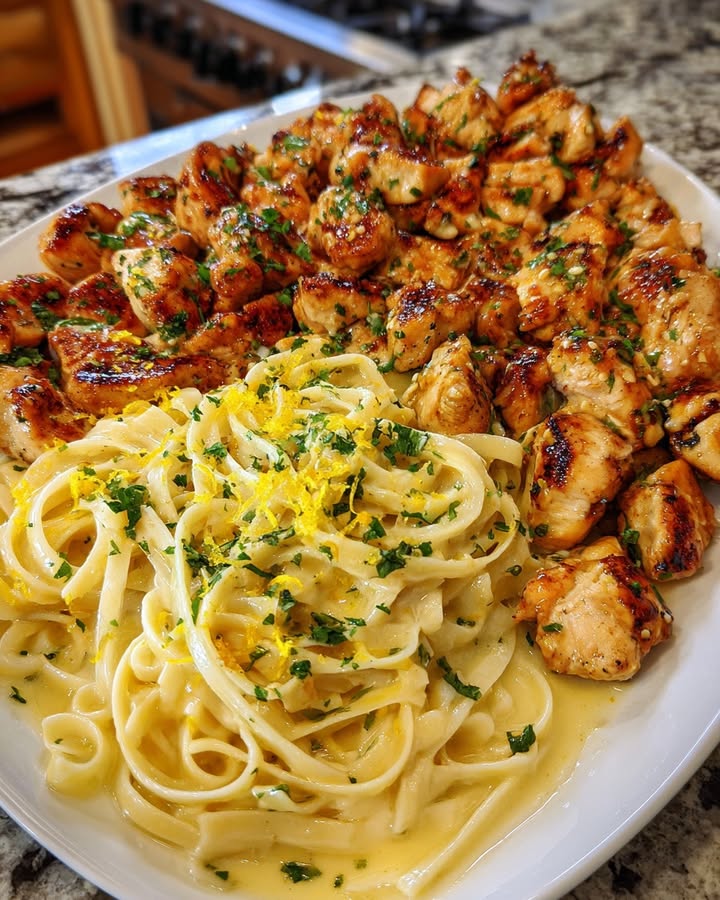
My Favorite Dinner Magic: Lemon Garlic Butter Chicken Pasta
You know that moment when everyone’s asking “What’s for dinner?” and you want something absolutely delicious but also totally doable? That’s exactly where this recipe came from in my kitchen. This Lemon Garlic Chicken Pasta is my secret weapon. It’s the dish that makes my family gather around the table without me having to call them twice. The smell of garlic and lemon sizzling together is like a dinner bell. I promise, it’s as good as it sounds.
A Little Story Behind This Lemon Garlic Chicken Pasta
I’ve always loved the bright combo of lemon and garlic. It feels sunny and cozy at the same time. I first had a dish like this at a little Italian-American restaurant years ago. They served a simple chicken with lemon over pasta. I came home obsessed with recreating that zesty, buttery flavor. My version mixes that restaurant memory with my need for a quick weeknight winner. It’s a modern take on classic flavors, perfect for today’s busy lives but full of old-school comfort.
Why You’ll Fall in Love With This Chicken Pasta Recipe
This isn’t just another pasta dish. It’s a whole mood. The chicken gets a tangy kick from fresh lemon and a warmth from paprika. Then it gets wrapped in a rich, garlicky butter sauce. That creamy Parmesan linguine is like a soft, cheesy blanket for it all. You get creamy, zesty, savory, and fresh all in one bowl. It’s also surprisingly fast. From fridge to table in about 30 minutes? That’s my kind of kitchen magic.
The Best Times to Make Lemon Garlic Chicken Pasta
This recipe is incredibly versatile for any occasion.
- Weeknight Hero: When you need a surefire hit after a long day.
- Impromptu Dinner Party: It feels special and feeds a crowd easily.
- Date Night at Home: It’s romantic and delicious without being too fussy.
- Potluck Contribution: Travels well and always gets compliments.
What You’ll Need: Ingredients for Lemon Garlic Chicken Pasta
Gather these simple ingredients. Quality matters here, especially for the lemon and Parmesan.
- 1 lb boneless, skinless chicken breast, cut into bite-sized pieces
- Zest and juice of 1 lemon
- 1 teaspoon Italian seasoning
- 1 teaspoon paprika
- Salt and pepper, to taste
- 3 tablespoons butter, divided
- 3 cloves garlic, minced
- Fresh parsley, chopped for garnish
- 8 oz linguine
- 2 tablespoons butter
- 1/2 cup grated Parmesan cheese
- 1/2 cup heavy cream
- 1/2 teaspoon garlic powder
- Salt and pepper, to taste
- Fresh parsley, chopped for garnish (for the pasta)
Smart Swaps: Ingredient Substitutions
Don’t worry if you’re missing something. Here are easy swaps.
- Chicken: Use chicken thighs for more richness, or shrimp for a quick change.
- Pasta: Fettuccine, spaghetti, or even gluten-free pasta work great.
- Heavy Cream: Half-and-half or whole milk can be used, but the sauce will be a bit thinner.
- Parmesan: A good-quality Asiago or Romano cheese will give a similar sharp flavor.
- Butter: Olive oil can be used to sauté the chicken, but butter gives the best flavor for the sauce.
Cooking Your Lemon Garlic Butter Chicken Pasta: Step-by-Step
Step 1: Marinate the Chicken
Start by tossing your chicken pieces with the lemon zest, lemon juice, Italian seasoning, paprika, salt, and pepper. Let this sit for at least 10 minutes. This isn’t just for flavor. The lemon juice starts to tenderize the chicken beautifully. You’ll see the chicken soak up that golden color from the paprika. It’s like a mini flavor bath. Pro tip: Don’t skip the marinating time! Even a short rest makes a big difference in taste.
Step 2: Cook the Chicken
Heat one tablespoon of butter in a large skillet over medium-high heat. Add the marinated chicken. Cook for 6 to 8 minutes. Watch it turn golden brown and develop those lovely little crispy edges. The smell of lemon and herbs filling your kitchen is amazing. Once cooked through, remove the chicken and set it aside on a plate. Pro tip: Don’t overcrowd the pan. Cook the chicken in batches if needed for the best browning.
Step 3: Create the Garlic Butter Sauce
In the same skillet, melt the remaining two tablespoons of butter. Add the minced garlic. Cook it for just 1 to 2 minutes until it’s fragrant but not burned. That garlic scent is the soul of this dish. Now, return all the cooked chicken to the skillet. Toss everything to coat each piece in that glossy, aromatic garlic butter. Give it another quick minute to warm through, then remove from heat.
Step 4: Boil the Linguine
While cooking the chicken, boil your linguine in a pot of well-salted water until it’s al dente. The salt in the water seasons the pasta from the inside out. Drain the pasta and set it aside. Pro tip: Save a tiny bit of pasta water. It can help adjust the cream sauce later if needed.
Step 5: Make the Creamy Parmesan Sauce
In a separate pan or saucepan, melt two tablespoons of butter over medium heat. Add the heavy cream, grated Parmesan, garlic powder, salt, and pepper. Stir continuously. You’ll see the cheese melt into the cream, creating a smooth, velvety sauce. Keep the heat gentle to prevent the sauce from separating. It should look luxurious and coat the back of a spoon.
Step 6: Combine Pasta and Sauce
Add the cooked, drained linguine directly into the creamy Parmesan sauce. Toss gently until every strand is fully coated and gleaming. The pasta will absorb that rich flavor. It’s ready to be the perfect base for your chicken.
Step 7: Plate and Garnish
Serve the creamy Parmesan linguine onto plates or a big serving dish. Top it generously with the lemon garlic chicken bites. Sprinkle everything with fresh chopped parsley. This gives a burst of color and a fresh, clean flavor that ties the whole dish together. Serve immediately while it’s hot and inviting.
Chef’s tip: For an extra flavor boost, add a final sprinkle of lemon zest over the finished dish just before serving.
Timing Your Dinner Perfectly
Here’s a quick breakdown of the time commitment for this recipe.
- Prep Time: 10 minutes (includes marinating)
- Cook Time: 20 minutes
- Total Time: 30 minutes
- Servings: 4 generous portions
Chef’s Secret for the Best Lemon Garlic Chicken Pasta
My secret is in the lemon. Use both the zest and the juice. The zest holds powerful aromatic oils that give a bright, true lemon flavor without too much acidity. The juice provides the tangy punch. This dual approach creates a perfectly balanced lemon taste that won’t overwhelm the creamy sauce.
A Fun Fact About Our Main Ingredients
Did you know that garlic’s health benefits are best unlocked when it’s chopped and allowed to sit before cooking? When you mince your garlic and let it rest for a few minutes (like while you marinate the chicken), an enzyme reaction increases its healthy compounds. So that simple prep step is doing more than just building flavor!
Equipment You’ll Need
You don’t need fancy tools. Just a few basics:
- Large skillet
- Medium saucepan
- Large pot for boiling pasta
- Chef’s knife and cutting board
- Zester or fine grater for the lemon
- Measuring spoons and cups
- Mixing bowls
- Tongs or a wooden spoon for tossing
Storing Your Lemon Garlic Chicken Pasta
If you have leftovers, store them correctly to enjoy them later. First, let the dish cool to room temperature. Don’t leave it out for more than two hours. Then, transfer the pasta and chicken to an airtight container. Refrigerate it promptly.
The dish will keep well in the refrigerator for up to 3 days. The sauce may thicken a bit when chilled. When reheating, do so gently. Add a splash of milk or cream to a saucepan over low heat. Stir until it’s warm and saucy again. Microwave reheating can sometimes cause the sauce to separate, so the stovetop method is best.
I don’t recommend freezing this particular dish. The creamy sauce and pasta can become grainy and lose their texture when frozen and thawed. It’s best enjoyed fresh or refrigerated for a short time.
My Top Tips and Advice for Success
- Fresh Lemon is Key: Bottled lemon juice just doesn’t give the same vibrant flavor.
- Don’t Burn the Garlic: Cook it just until fragrant. Burnt garlic tastes bitter.
- Al Dente Pasta: Cook the linguine just until it has a slight bite. It will continue to soften in the sauce.
- Quality Parmesan: Use freshly grated Parmesan from a block. Pre-grated cheese often has additives that can make the sauce clumpy.
- Rest the Chicken: Let the cooked chicken rest a minute before cutting into it. This keeps it juicy.
Making It Look Pretty: Presentation Tips
A beautiful dish is more fun to eat! Try these ideas:
- Twirl the linguine with a fork into neat nests on each plate before topping with chicken.
- Use a microplane to add a final fine dusting of Parmesan over the whole plate.
- Add a few whole leaves of fresh parsley or basil for a green accent.
- Serve with a simple lemon wedge on the side for those who love extra zing.
- For a family-style meal, present it all in a large, shallow serving bowl with the chicken artfully arranged on top.
Six Delicious Variations to Try
Love this recipe? Here are some fun twists to keep it exciting.
1. Lemon Garlic Shrimp Pasta: Swap the chicken for large shrimp. Cook the shrimp quickly in the garlic butter. They pair wonderfully with the lemon and cream sauce.
2. Veggie-Packed Version: Add sautéed spinach, sun-dried tomatoes, or roasted broccoli to the pasta sauce for extra color and nutrition.
3. Spicy Kick: Add a teaspoon of red pepper flakes to the chicken marinade or the garlic butter sauce for a warm, spicy background note.
4. Herb Garden Twist: Use fresh herbs like thyme or oregano instead of Italian seasoning. Finish with lots of fresh basil.
5. Sun-Dried Tomato Addition: Chop a handful of sun-dried tomatoes and add them with the garlic. They add a sweet, concentrated tomato flavor.
6. Cappellini Swap: Use thin cappellini pasta instead of linguine for a more delicate, elegant feel. Adjust cooking time accordingly.
Other Family-Friendly Recipes You Might Love
If you enjoy this kind of flavorful, satisfying meal, you should definitely explore our other main dish ideas. For a super easy cleanup dinner, try this fantastic One-Pot Ground Beef and Zucchini Skillet. If you’re a fan of the lemon garlic combo but want a hands-off approach, my Sheet Pan Lemon Garlic Chicken and Potatoes is a weeknight lifesaver. For something uniquely delicious and protein-packed, consider the Hot Honey Cottage Cheese Sweet Potato Beef Bowl. And for a classic takeout flavor made at home, this Teriyaki Chicken Bowl is always a crowd-pleaser.
Common Mistakes to Avoid
Mistake 1: Overcooking the Chicken
This happens when we leave the chicken in the pan too long, fearing it’s not done. Overcooked chicken breast becomes dry and tough. To avoid it, cut your chicken into even, bite-sized pieces. They cook faster and more evenly. Use a medium-high heat for a good sear without needing extended cooking. The chicken should feel firm but not rock-hard when pressed. Remove it as soon as it’s golden brown.
Mistake 2: Using Pre-Grated Parmesan Cheese
Pre-grated Parmesan often contains anti-caking agents like cellulose. These can prevent the cheese from melting smoothly into your cream sauce. The result can be a slightly grainy or clumpy sauce instead of a velvety one. Always grate your Parmesan fresh from a block. It melts beautifully and tastes much fuller.
Mistake 3: Not Salting the Pasta Water Enough
Unsalted pasta water means bland pasta. The salt seasons the pasta from the inside as it cooks. It’s your first chance to add flavor. Your water should taste like the sea. Don’t just add a pinch. Use about 1-2 tablespoons of salt for a large pot of water. This makes a huge difference in the final dish.
Mistake 4: Crowding the Skillet When Cooking Chicken
Adding all the chicken to a small skillet at once lowers the pan temperature. This causes steaming instead of sautéing. The chicken won’t brown nicely and may cook unevenly. Use a big skillet. If your pan is smaller, cook the chicken in two batches. This ensures each piece gets that lovely golden color and crisp edge.
Mistake 5: Boiling the Cream Sauce
Adding the cream and cheese to very high heat can cause the sauce to break or curdle. The fat can separate from the liquid, making it look oily and lumpy. Always use medium or medium-low heat for your sauce. Stir continuously until everything is melted and combined. A gentle heat makes a smooth, cohesive sauce.
A Note on Cooking and Nutrition
Cooking at home allows you to control the quality of your ingredients, which is a great step towards overall wellness. Remember, staying hydrated is also a key part of feeling good, even as you enjoy delicious meals like this one. You can learn more about the importance of hydration for health from trusted sources.
If you’re looking for more dinner inspiration beyond this pasta, check out our full collection of satisfying main dish recipes for every occasion.
Frequently Asked Questions
Can I make this Lemon Garlic Chicken Pasta ahead of time?
You can prep components ahead to save time. Marinate the chicken and refrigerate it for up to a few hours. You can also cook the chicken fully and make the sauce separately. Store them in the fridge. When ready to serve, reheat the chicken and sauce gently, cook fresh pasta, and combine. For the best texture and flavor, I recommend cooking the pasta fresh. The cream sauce can thicken when stored, so a splash of milk when reheating helps.
What can I use instead of heavy cream?
Half-and-half is a good substitute. It will make a slightly lighter sauce. Whole milk can also work, but the sauce will be much thinner and less rich. You might need a bit more Parmesan to help thicken it if using milk. Another option is to use a lighter cream alternative mixed with a tablespoon of flour to create a thicker base before adding the cheese.
Is it okay to use chicken thighs instead of breasts?
Absolutely! Chicken thighs are more forgiving and stay juicier. They have a richer flavor that pairs well with the lemon and garlic. Adjust the cooking time slightly. Thighs may need a minute or two longer to cook through because they often have a bit more fat. Make sure to cut them into bite-sized pieces similar to the breast.
How can I add more vegetables to this dish?
It’s easy to add veggies. Sauté some spinach or kale in the garlic butter after cooking the chicken. You can also add roasted broccoli or asparagus to the finished dish. Sun-dried tomatoes or sliced mushrooms sautéed with the garlic are fantastic additions. Just add them in step 3 before returning the chicken to the pan.
Can this recipe be made gluten-free?
Yes, it’s very adaptable. Use your favorite gluten-free pasta. Make sure to check the cooking time on the package, as it can differ from regular linguine. All other ingredients in the recipe are naturally gluten-free. Just double-check any seasoning blends to ensure they don’t contain gluten additives.
Why is my cream sauce sometimes lumpy?
A lumpy sauce usually happens from too high heat or adding cold cheese to a very hot liquid too quickly. To avoid lumps, keep the heat at medium. Add the grated Parmesan gradually while stirring constantly. Let the cream and butter get warm first, then slowly sprinkle in the cheese. Using freshly grated cheese also prevents lumps from anti-caking agents.
How do I know when the chicken is cooked properly?
The best way is to check the internal temperature with a meat thermometer. Chicken should reach 165°F (74°C). If you don’t have a thermometer, look for visual cues. The chicken pieces should be uniformly white inside with no pink. They should feel firm to the touch and have golden-brown edges on the outside. Cutting one larger piece open to check is a safe method.
Can I freeze leftovers of this pasta?
I don’t recommend freezing the complete dish. Pasta and creamy sauces don’t freeze well. The pasta can become mushy. The sauce can separate and become grainy when thawed. The texture suffers greatly. It’s best enjoyed fresh or kept in the refrigerator for up to 3 days and reheated gently on the stovetop.
What’s the best type of pan to use for this recipe?
A large, heavy-bottomed skillet is ideal for cooking the chicken. It distributes heat evenly for good browning. For the cream sauce, a medium saucepan works well. A non-stick skillet can be helpful for the chicken, but any good skillet will do. Make sure your pans are large enough to hold the ingredients without crowding.
How can I make this dish less calorie-heavy?
There are a few lighter tweaks. Use olive oil instead of some of the butter. Substitute half-and-half or even whole milk for the heavy cream. Increase the portion of chicken and vegetables relative to the pasta. Use a lighter sprinkle of Parmesan. You can also use a thinner pasta like angel hair, which uses less pasta per serving. Remember, balance is key, and enjoying a rich dish like this occasionally is part of a happy diet.
The Final Touch
This Lemon Garlic Butter Chicken Pasta with Parmesan Linguine is more than a recipe. It’s a reliable way to create a happy, delicious dinner moment. It brings bright lemon, rich garlic, creamy cheese, and tender chicken together in a way that feels both special and simple. I’ve made it for rushed Tuesday nights and for celebrating small wins with friends. It always works. Give it a try, play with the variations, and make it your own. I bet it’ll become a favorite in your home, too. Happy cooking!
Lemon Garlic Chicken Pasta
Ingredients
Equipment
Method
- Toss chicken pieces with lemon zest, lemon juice, Italian seasoning, paprika, salt, and pepper. Marinate for at least 10 minutes.
- Heat 1 tablespoon of butter in a large skillet over medium-high heat and cook the marinated chicken for 6 to 8 minutes until golden brown. Remove and set aside.
- In the same skillet, melt the remaining 2 tablespoons of butter, add minced garlic, and cook for 1 to 2 minutes until fragrant.
- Return the cooked chicken to the skillet and toss to coat in the garlic butter.
- Boil linguine in well-salted water until al dente, then drain and set aside.
- In a separate pan, melt 2 tablespoons of butter over medium heat. Add heavy cream, Parmesan, garlic powder, salt, and pepper, stirring until smooth.
- Add the drained linguine to the creamy sauce and toss to coat evenly.
- Serve the creamy linguine topped with lemon garlic chicken and garnish with fresh parsley.