
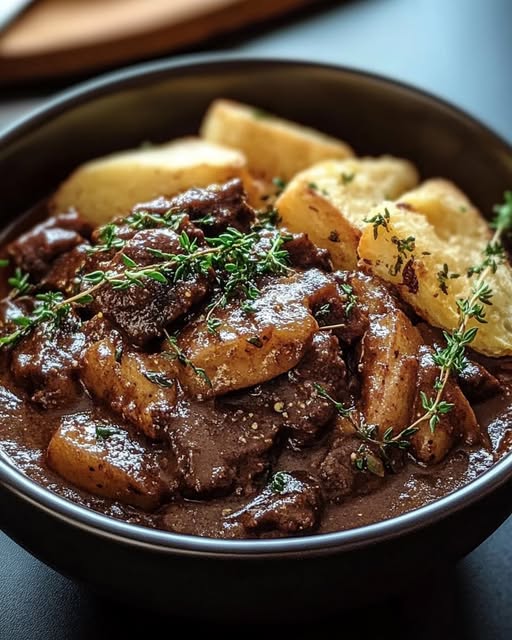
The Coziest Beef Stew You’ll Ever Make
There’s a certain magic that happens when you combine a chilly evening, a hungry family, and the promise of dinner bubbling away on the stove. I remember the first time I tried making this Flemish Beer Stew. My kitchen smelled like a warm, welcoming Belgian pub, and by the time we sat down to eat, everyone was gathered around, spoons at the ready. This dish isn’t just food; it’s a hug in a bowl. Welcome to Carbonade Flamande, your new favorite beef beer stew.
A Taste of History: Where This Belgian Beef Stew Comes From
Carbonade Flamande is the soul food of Belgium. For generations, it’s been the heart of family meals in Flanders. The secret? Using beer instead of wine or water. This isn’t just any beer, though. Locals use the rich, malty brews from their own region. The sweetness from the brown sugar and the tang from mustard create a deep, complex flavor you just can’t get anywhere else. It’s a tradition of turning simple, tough cuts of beef into something meltingly tender and unforgettable.
Why You’ll Fall in Love With This Beer Braised Beef
If you’re looking for a recipe that feels fancy but is actually simple, you’ve found it. The long, slow cook does all the work for you. The beer breaks down the beef until it’s fork-tender. The spices and mustard bread melt into a gravy that’s rich, slightly sweet, and utterly delicious. It’s a one-pot wonder that makes your house smell amazing. Plus, it tastes even better the next day. What’s not to love?
The Perfect Time for a Hearty Flemish Stew
This stew is your secret weapon for cozy gatherings. It’s perfect for a Sunday family dinner where everyone needs a good, hearty meal. Make it for a casual dinner party—your friends will think you slaved for hours! It’s also a fantastic comfort food for chilly fall nights or frosty winters. Any time you want a meal that feels special and comforting, this is the one.
Gathering Your Stew Ingredients
Let’s get everything together. Using good-quality ingredients makes all the difference here!
- 1 kg (about 2.2 lbs) of beef chuck roast or shank, cut into chunks
- 3 onions, sliced
- 3 tbsp all-purpose flour
- 2 tbsp Dijon mustard
- 2 tbsp dark brown sugar or cassonade
- 33 cl (about 11 oz) of brown or amber beer
- 2 slices
- 2 tbsp red wine vinegar
- 1 bouquet garni (thyme, bay leaf, parsley)
- Butter or oil for cooking
- Salt and pepper
- Chopped parsley for garnish (optional)
No Worries! Handy Ingredient Swaps
Don’t have every single item? No problem! Cooking is about making it work for you.
- Beef: Chuck roast is perfect, but any stewing beef will work.
- Beer: Use a Belgian-style dark ale or a brown ale. Avoid very bitter beers.
- Brown Sugar: Regular light brown sugar or even a bit of maple syrup works.
- Gingerbread: A slice of rye or pumpernickel bread works in a pinch.
- Vinegar: Apple cider vinegar can replace red wine vinegar.
Your Step-by-Step Guide to Perfect Belgian Stew
Let’s walk through each step together. Take your time and enjoy the process.
Step 1: Browning the Beef
Heat a large Dutch oven over medium-high heat with a knob of butter or a splash of oil. Pat your beef chunks dry with a paper towel—this is key for a good sear! Add the beef in a single layer, not crowding the pot. Let it sizzle until you get a beautiful dark-brown crust on all sides. That crust is pure flavor for your stew. Remove the beef and set it aside on a plate.
Pro tip: Don’t rush this step. Good browning equals deep, rich flavor in the final dish.
Step 2: Cooking the Onions
In that same wonderful pot, add your sliced onions. They’ll soak up all the tasty brown bits left from the meat. Cook them for about 10 minutes, stirring now and then. You want them soft, golden, and sweet. The smell at this point is absolutely heavenly.
Step 3: Adding the Flour
Now, put the browned beef back in with the onions. Sprinkle the flour all over everything. Stir well so every piece gets coated. Cook for 2-3 minutes. This cooks out the raw flour taste and will help thicken your gravy into a luscious sauce later on.
Step 4: Pouring in the Beer and Seasonings
Slowly pour in your beer. Use a wooden spoon to scrape up every last bit of flavor from the bottom of the pot—those are called the “fond,” and they’re liquid gold! Stir in the brown sugar, red wine vinegar, and your bouquet garni. The sweet and sour notes will start to balance perfectly.
Step 5: The Magic Mustard Bread
This is the fun, quirky part! Spread your Dijon mustard thickly on the slices of gingerbread or crusty bread. Just plop them mustard-side down on top of the stew. As it cooks, the bread will dissolve into the sauce. This gives the stew an incredible richness and a unique, subtle tang.
Chef’s tip: Don’t skip this! It’s the traditional trick that makes Carbonade special.
Step 6: The Long, Slow Simmer
Cover your pot and reduce the heat to low. Let it gently bubble away for 2 to 2.5 hours. The beef should become so tender you can cut it with a spoon. Peek in every so often and give it a stir. If the sauce looks too thick, add a splash of water or beef broth.
Step 7: The Final Taste Test
After all that waiting, it’s time for the best part. Taste your stew! The flavors should be deep, sweet, and savory. Now add salt and pepper. You’ll know exactly how much it needs. Remove the bouquet garni.
Step 8: Time to Serve!
Ladle the hot stew into deep bowls. A sprinkle of fresh parsley adds a nice pop of color. The classic way to serve it is with a big pile of crispy Belgian fries or some simple steamed potatoes. Watch everyone dig in with a smile.
Your Carbonade Flamande Timetable
Good things take time, but it’s mostly hands-off!
- Prep Time: 20 minutes
- Cooking Time: 2 hours 30 minutes
- Total Time: 2 hours 50 minutes
- Servings: 4 to 6 happy people
Chef’s Secret for the Best Beef Beer Stew
Here’s my little secret: make it a day ahead. Seriously! After cooking, let the stew cool and store it in the fridge overnight. All the flavors get to know each other better, melding and deepening. When you reheat it the next day, it tastes like you’re a master chef. It’s the easiest way to guarantee an incredible meal.
A Fun Fact About Your Dinner
Did you know the bread-in-the-stew trick is centuries old? Before we had fancy thickeners, cooks used stale bread to add body and heartiness to sauces. It’s a brilliant bit of old-world kitchen wisdom that we still use today because it just works so well.
What You’ll Need in Your Kitchen
You don’t need any special gadgets for this recipe.
- A large, heavy-bottomed Dutch oven or cocotte (with a lid!)
- A sharp knife and cutting board
- A wooden spoon for stirring
- Measuring spoons and cups
How to Store Your Leftover Stew (If You Have Any!)
Let the stew cool completely to room temperature. Don’t leave it out for more than two hours.
Transfer it to an airtight container. It will keep beautifully in the refrigerator for 3 to 4 days. The flavors will continue to improve each day.
You can also freeze this stew for up to 3 months. Thaw it overnight in the fridge and reheat it gently on the stove. You may need to add a little water or broth when reheating if the sauce has thickened up.
My Top Tips for Stew Success
- Brown, don’t steam: Give your beef space in the pot. Crowding it will make it steam and turn gray.
- Low and slow: Keep that simmer gentle. A hard boil can make the beef tough.
- Taste as you go: Before serving, always taste and adjust the seasoning. It makes all the difference.
- Skim the fat: If you make it ahead, you can easily skim off any solidified fat from the top before reheating.
Make It Look as Good as It Tastes
We eat with our eyes first! Serve your Flemish stew in a shallow, wide bowl. Place a neat mound of mashed potatoes or fries right next to it. Sprinkle that bright green parsley on top. For a rustic feel, bring the whole Dutch oven to the table and let everyone serve themselves. It’s so welcoming.
Want to Mix It Up? Try These Variations!
Once you master the classic, try these fun twists on your beef and beer stew.
- Classic Beef Bourguignon: Swap the beer for a full-bodied red wine like a Burgundy. Skip the mustard bread and add bacon and pearl onions for a French twist.
- Guinness Beef Stew: Use a dark stout like Guinness for a deeper, more robust flavor. It pairs wonderfully with carrots and parsnips added to the pot.
- German-Style Beer Stew: Use a German lager or bock beer. Add a tablespoon of caraway seeds and some sliced apples during the last 30 minutes of cooking.
- Spanish-Inspired Stew: Use a Spanish ale and add a pinch of smoked paprika and some sliced chorizo when you brown the beef.
- Light Chicken and Ale Stew: For a lighter take, use chicken thighs and a pale ale. Add leeks and fresh thyme. The cooking time will be a bit shorter.
- Hearty Vegetable & Bean Stew: Make it meat-free! Use a rich, malty beer and load the pot with mushrooms, carrots, celery, and a can of drained white beans. It’s just as comforting.
More Comforting Recipes to Explore
If you love the rich, braised flavors of this dish, you’ll adore our creamy Blanquette de Cabillaud et Crevettes. For a quicker, stir-fry style beef dish with amazing Asian flavors, you must try this easy Mongolian Beef. Looking for another classic braise? This hearty Poulet Cacciatore is a family favorite. And if you’re craving that sweet-savory beef combo again, our other Mongolian Beef recipe offers a slightly different take.
Common Mistakes to Avoid With Your Stew
Mistake 1: Skipping the Browning Step
It’s tempting to just throw all the beef in the pot and cover it with liquid. Don’t do it! Browning creates a complex flavor base called the Maillard reaction. If you skip it, your stew will taste flat and boiled, not rich and deep. Take the time to brown the meat in batches. Get a nice, dark sear on each piece. It’s the most important 10 minutes of the whole recipe.
Tip: Pat the beef dry with paper towels before browning. Wet meat steams instead of sears.
Mistake 2: Using the Wrong Beer
A very light lager or an overly bitter IPA can ruin the balance of your stew. Light beer won’t add enough flavor, and a bitter IPA can make the whole dish taste unpleasantly sharp. Choose a malty, slightly sweet beer like a brown ale, amber ale, or a traditional Belgian dubbel. The beer should taste good to drink on its own.
Tip: When in doubt, a good-quality dark ale is always a safe bet.
Mistake 3: Cooking at Too High a Heat
Once you add the beer and cover the pot, the heat needs to be low. A rolling boil will toughen the beef fibers, leaving you with chewy, dry meat. You want the liquid to just barely shimmer with tiny bubbles. This gentle heat breaks down the connective tissue slowly, transforming tough meat into tender, juicy bliss.
Tip: If your stove runs hot, use a heat diffuser or place the pot on the smallest burner on the lowest setting.
Mistake 4: Not Letting It Rest
You’ve waited over two hours, and you just want to eat! But like a good steak, stew benefits from a short rest. Turn off the heat and let it sit, covered, for 15-20 minutes before serving. This allows the meat to reabsorb some of the juices, making it even more succulent. It also gives the sauce a moment to settle and thicken slightly.
Tip: Use this time to set the table and get your sides ready. It’s perfect timing.
A Note on Quality Ingredients
Starting with good meat makes a huge difference in a slow-cooked dish like this. Just like choosing the right cut is key for a perfect grill, picking a well-marbled chuck roast will ensure your stew is flavorful and tender. Look for meat with some nice white fat running through it—that fat will melt during cooking, basting the beef from the inside.
Your Beef Beer Stew Questions Answered
Can I make Carbonade Flamande in a slow cooker?
Absolutely! You can adapt this recipe for a slow cooker. Follow steps 1 through 4 (browning the beef and onions, adding flour, deglazing with beer) in a pot on the stove. Then, transfer everything to your slow cooker. Add the bread and seasonings. Cook on LOW for 7-8 hours or on HIGH for 4-5 hours. The result will be just as tender and delicious, with minimal hands-on time.
What kind of beer is best for this Belgian stew?
The best beers are malty, not too bitter, and have a bit of sweetness. Belgian brown ales (like a Belgian dubbel), amber ales, or even a dark English ale work perfectly. Avoid very light lagers or hoppy IPAs. The beer’s flavor is a main ingredient, so choose one you enjoy drinking. A good rule of thumb: if it tastes good in a glass, it will taste good in your stew.
Can I use something other than gingerbread?
Yes, you can! The traditional ingredient is “pain d’épices,” a spiced honey bread. If you can’t find it, a thick slice of rustic country bread or pumpernickel rye works great. The key is to spread it generously with Dijon mustard. The bread thickens the sauce and the mustard adds a crucial tangy note that balances the sweetness.
My stew sauce is too thin. How can I thicken it?
If your sauce is too thin at the end of cooking, there’s an easy fix. Mix one tablespoon of soft butter with one tablespoon of flour to make a paste (this is called a “beurre manié”). Remove the stew from heat and whisk small bits of this paste into the hot sauce. Return to a gentle simmer for a few minutes. The sauce will thicken beautifully without lumps.
Can I freeze Carbonade Flamande?
This stew freezes exceptionally well! Let it cool completely first. Portion it into airtight containers or freezer bags, leaving a little space for expansion. It will keep for up to 3 months. To serve, thaw it overnight in the refrigerator. Reheat it gently in a pot on the stove over low heat, adding a splash of water or broth if needed to loosen the sauce.
What are the best side dishes to serve with it?
The classic and most beloved side is a huge pile of crispy Belgian fries (frites). Mashed potatoes or buttery egg noodles are also fantastic for soaking up the rich gravy. For a lighter option, try simple steamed potatoes or a green salad with a sharp vinaigrette to cut through the stew’s richness. Crusty bread is a must for mopping up every last drop!
Why do you put bread in the stew?
The mustard-spread bread is a traditional thickener and flavor enhancer. As it simmers, the bread dissolves completely into the sauce. This gives the gravy a wonderful, velvety body without making it pasty. The Dijon mustard on the bread also melts into the stew, adding a subtle, tangy depth that you can’t achieve by just stirring mustard in. It’s an old-world trick that really works.
How do I know when the beef is perfectly tender?
The beef is done when it offers no resistance to a fork. Try piercing a larger chunk with a dinner fork. If the fork slides in and out easily, and you can gently pull the meat apart, it’s ready. If it still feels tough or rubbery, let it simmer for another 20-30 minutes and check again. Good stew meat can take up to 3 hours to become perfectly tender.
Can I make this recipe gluten-free?
You can make a delicious gluten-free version. Use a certified gluten-free beer (many are available). Substitute the all-purpose flour with cornstarch or a gluten-free flour blend. Instead of spreading mustard on regular bread, mix 2 tablespoons of Dijon mustard directly into the stew in the last 30 minutes of cooking. The texture will be slightly different, but the flavor will still be amazing.
Does using a better cut of beef make a difference?
For stews, a “better” cut isn’t necessarily the most expensive lean steak. You want a cut with good marbling and connective tissue, like chuck, shank, or brisket. These tougher cuts break down during the long, slow cook, becoming incredibly tender and flavorful. Using a lean cut like sirloin will often result in dry, tough meat because it lacks the necessary fat and collagen.
I hope this recipe brings as much warmth and joy to your kitchen as it has to mine. It’s a dish built for sharing and for creating happy memories around the table. For more inspiring ideas just like this hearty beef beer stew, be sure to browse all our delicious main dish recipes. Now, go grab that Dutch oven and get cooking. Your own cozy Belgian pub night is just a few hours away. Enjoy every delicious bite!
Beef Beer Stew
Ingredients
Equipment
Method
- Heat a large Dutch oven over medium-high heat with a knob of butter or a splash of oil.
- Pat beef chunks dry and brown them in a single layer until dark-brown crust forms; remove and set aside.
- In the same pot, sauté sliced onions for about 10 minutes until soft and golden.
- Return beef to the pot, sprinkle with flour, and cook for 2-3 minutes to eliminate raw flour taste.
- Pour in the beer, scraping up browned bits from the bottom, and stir in brown sugar, red wine vinegar, and bouquet garni.
- Spread Dijon mustard on bread slices and place them mustard-side down on the stew.
- Cover and simmer on low for 2 to 2.5 hours until beef is tender.
- Taste and adjust seasoning with salt and pepper, then remove the bouquet garni.
- Serve in deep bowls, garnished with parsley, alongside crispy Belgian fries or potatoes.