
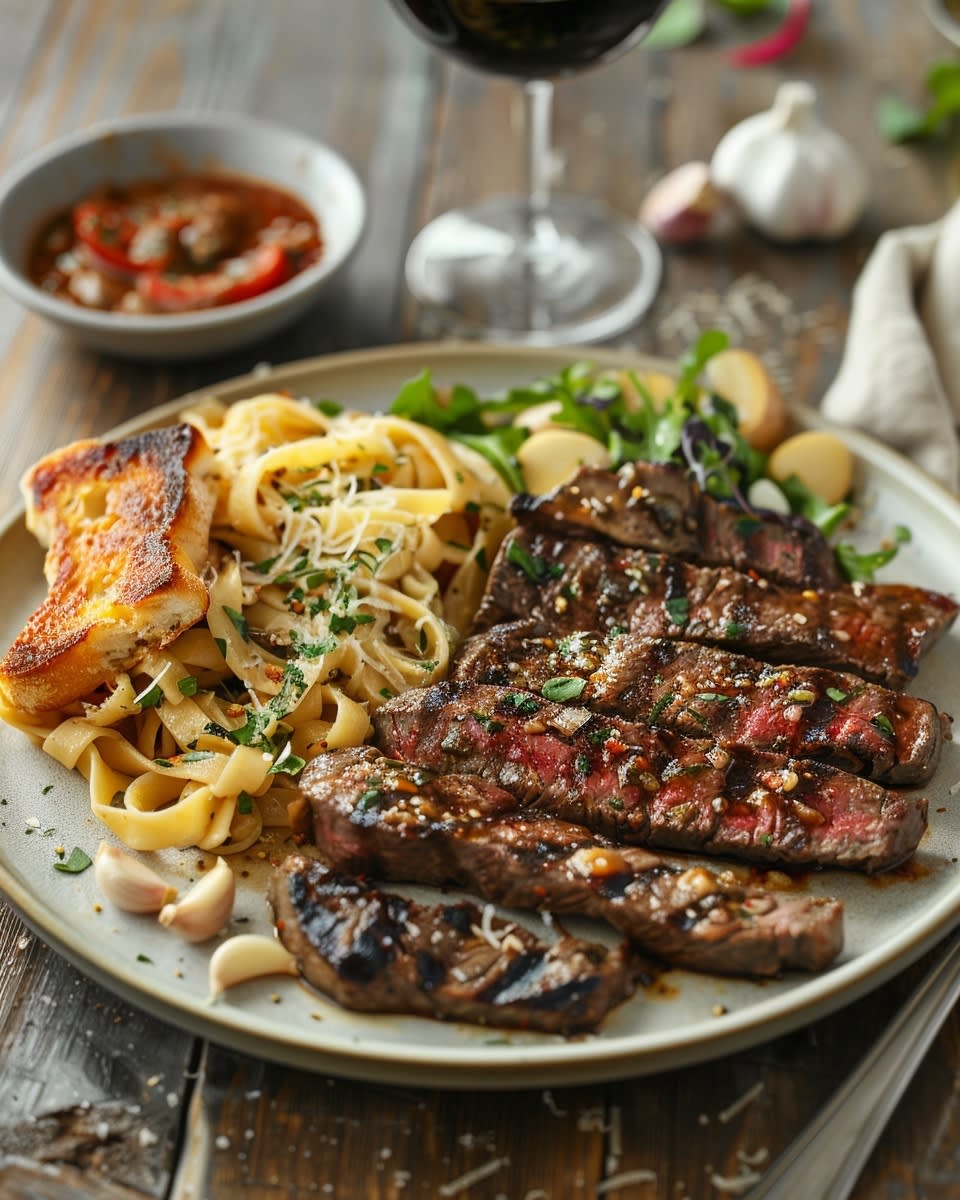
Welcome to Your New Favorite Dinner
Last Tuesday night, I stood in my kitchen staring at a beautiful ribeye steak and a box of pasta, wondering how I could turn these simple ingredients into something special. That’s when I created this Garlic Butter Steak Pasta, and let me tell you, my family couldn’t stop raving about it. My teenage son actually asked for seconds, which never happens on a weeknight. Now it’s on repeat in our dinner rotation, and I’m thrilled to share it with you.
There’s something magical about combining a perfectly cooked steak with pasta that’s been tossed in garlicky, buttery goodness. This isn’t fancy restaurant food that requires culinary school training. It’s real, home-cooked comfort that anyone can master. I’ve made this recipe on busy Wednesdays when everyone had different schedules and on lazy Sunday evenings when we all gathered around the table. It works every single time.
Why This Garlic Butter Steak Pasta Will Change Your Dinner Game
You know those recipes that sound impressive but are secretly super easy? This is one of them. When you serve this creamy garlic steak pasta to guests, they think you spent hours in the kitchen. The truth? You can have this on the table in about 30 minutes, start to finish.
The beauty of this dish lies in how the flavors work together. The rich, savory steak pairs beautifully with the creamy pasta. The garlic butter sauce ties everything together without being too heavy. A squeeze of fresh lemon brightens the whole dish and cuts through the richness. Every bite gives you that perfect balance of protein, carbs, and pure satisfaction.
I love making this lemon garlic butter steak recipe because it feels indulgent without breaking the bank. You don’t need the most expensive cut of steak. A good sirloin or ribeye works perfectly. The garlic butter treatment makes even a modest cut of meat taste like something from a steakhouse.
Here’s what makes this recipe stand out from other pasta dishes:
- It’s quick enough for weeknight dinners but fancy enough for date night
- The ingredients are simple and easy to find at any grocery store
- You can customize it based on what you have in your fridge
- Kids actually eat it without complaining
- Leftovers taste amazing the next day
- One pan does most of the work, so cleanup is minimal
My neighbor tried this recipe last month and texted me at 8 PM saying her picky eater cleaned his plate. That’s the kind of universal appeal we’re talking about. Whether you’re cooking for one or feeding a crowd, this recipe scales up or down easily.
What You’ll Need for Perfect Garlic Butter Steak Pasta
Before we start cooking, let’s talk about ingredients. I’m a big believer in using quality ingredients when they matter and saving money where you can. For this recipe, here’s what I recommend:
The Protein: Pick a good quality steak that’s about an inch thick. I usually grab sirloin because it’s flavorful and reasonably priced. Ribeye works great if you want something richer. New York strip is another excellent choice. You’ll want about 1 to 1.5 pounds depending on how many people you’re feeding.
If you’re looking for a lighter option, you can make steak and zucchini noodles recipe instead of regular pasta. I do this sometimes when I want to add more vegetables or cut down on carbs. The zucchini noodles soak up that garlic butter sauce beautifully and add a nice fresh crunch.
The Pasta: Any pasta shape works here, but I prefer fettuccine, pappardelle, or penne. The wider noodles catch more of that delicious sauce. Cook it according to package directions, but here’s a pro tip: save at least a cup of the pasta water before draining. That starchy water is liquid gold for making your sauce silky and perfect.
The Flavor Makers: Fresh garlic is non-negotiable here. I use about 5 to 6 cloves, minced fine. Don’t even think about using garlic powder for this recipe. The fresh stuff makes all the difference. Good quality butter is your other star player. I use unsalted butter so I can control the salt level myself.
Fresh lemon juice is essential. That bright, acidic pop transforms this from a heavy, rich dish into something balanced and crave-worthy. I usually need one large lemon, sometimes two if they’re small.
The Fresh Touches: Fresh parsley is my go-to herb, but basil or thyme work too. Fresh herbs added at the end bring the whole dish to life. A handful of baby spinach or arugula adds color and nutrition without much effort. Sometimes I throw in halved cherry tomatoes for a burst of freshness.
For those interested in making steak bites with pasta, you can cut your steak into bite-sized pieces instead of cooking it whole. This actually speeds up cooking time and makes the dish easier to eat. My kids prefer it this way because they can spear the meat and noodles together on their forks.
Optional Add-ins: Heavy cream makes this extra indulgent if you want a truly creamy garlic steak pasta. Parmesan cheese adds a salty, nutty flavor that takes it up another notch. Red pepper flakes give a gentle heat if you like a little kick. Mushrooms are fantastic if you want to bulk up the vegetables.
Here’s a simple ingredient list you can reference:
- 1 to 1.5 pounds steak (sirloin, ribeye, or your preferred cut)
- 12 ounces pasta (fettuccine, penne, or zucchini noodles)
- 5 to 6 cloves fresh garlic, minced
- 4 to 5 tablespoons unsalted butter
- 1 to 2 fresh lemons
- Fresh parsley or herbs of choice
- Salt and black pepper
- Olive oil for cooking
- Optional: heavy cream, Parmesan, vegetables
I keep most of these ingredients stocked in my kitchen because they’re versatile for so many recipes. The only thing I make sure to buy fresh is the steak and herbs. Everything else usually lives in my pantry or fridge already.
One quick note about the garlic butter steak bites with lemon zucchini noodles nutrition facts: this dish is protein-rich and can be adapted to fit various dietary needs. Using zucchini noodles instead of regular pasta cuts the carbs significantly. You can adjust the butter amount to control calories. Adding extra vegetables boosts the fiber and nutrients.
The best part? Once you have these ingredients prepped and ready, the actual cooking comes together fast. I like to get everything measured and chopped before I turn on the stove. This makes the cooking process smooth and stress-free.


How to Cook the Perfect Steak for Your Pasta
Now that you’ve got everything ready, let’s talk about the star of the show—that beautiful piece of steak. I’ll be honest, I used to be intimidated by cooking steak at home. I thought you needed special equipment or some kind of chef magic. Turns out, it’s way easier than I thought, and I’m going to walk you through exactly how I do it.
Choosing the Right Cut of Steak
Here’s the thing about picking steak for this garlic butter steak pasta: you don’t need to spend a fortune. When I first started making this, I tried different cuts to see what worked best. Ribeye was delicious but felt a bit too indulgent for a Tuesday dinner. Filet mignon tasted great but honestly seemed like overkill when it’s getting sliced up and tossed with pasta.
What I’ve landed on is sirloin most of the time. It’s got enough marbling to stay juicy, plenty of beefy flavor, and it doesn’t cost me a week’s grocery budget. New York strip is my second choice when it’s on sale. The fat cap on a strip steak adds amazing flavor, and it cooks up beautifully.
Funny enough, my butcher told me something that changed how I shop for steak. He said thickness matters more than the specific cut for this type of recipe. You want something around one inch thick, maybe a little more. Too thin and it overcooks before you get a good sear. Too thick and the outside burns before the inside cooks. That sweet spot around one inch is just right.
If you’re making steak bites with pasta instead, you can actually buy a slightly less expensive cut and cube it up. The smaller pieces cook faster and every bite gets coated in that gorgeous garlic butter. Plus, portion control becomes easier when everything’s already bite-sized.
What is the best cut of steak for garlic butter steak pasta? In my experience, sirloin gives you the best balance of flavor, texture, and price. But honestly, use what looks good at your store or what’s in your budget. I’ve made this with flank steak cut against the grain, and it turned out fantastic.
Marinating Tips for Extra Flavor
I’ll let you in on a secret—most of the time, I don’t marinate the steak for this recipe. I know, I know, that probably sounds wrong. But hear me out. Since we’re making such a flavorful garlic butter sauce, and the steak gets sliced and tossed right into it, a marinade isn’t really necessary. The meat absorbs so much flavor from the sauce itself.
That said, if I’m planning ahead or if the steak looks like it needs some help, I’ll do a quick thirty-minute situation with it. Nothing fancy. I mix olive oil, minced garlic, a splash of soy sauce, and some black pepper in a zip-top bag. Toss the steak in there while I prep everything else. The soy sauce adds a subtle umami depth that works surprisingly well with the lemon garlic butter steak recipe we’re building.
By the way, if you’re going the zucchini noodle route for a lighter meal, the marinade becomes more important because you’re cutting out some of the richness from regular pasta. A little extra flavor on the meat itself helps balance things out.
What I always do, marinade or not, is bring the steak to room temperature before cooking. I take it out of the fridge about twenty to thirty minutes before I plan to cook. This might be the single most important tip I can give you. Cold steak hits a hot pan and the outside overcooks before the inside warms up. Room temperature steak cooks evenly and develops that perfect crust we’re after.
Right before cooking, I pat the steak completely dry with paper towels. This is crucial. Any moisture on the surface will steam instead of sear. Then I season generously with salt and freshly ground black pepper. Don’t be shy with the salt. A good amount on the surface creates that savory crust that makes restaurant steak taste so good.
Cooking Techniques for Juicy and Tender Steak
Alright, here’s where the magic happens. I heat my largest skillet over medium-high heat until it’s really hot. How do I know it’s ready? I flick a tiny drop of water onto the surface. If it sizzles and evaporates immediately, we’re good to go. This usually takes about three to four minutes.
I add a tablespoon of olive oil—it has a higher smoke point than butter, so we’ll use butter later for flavor. The oil should shimmer across the pan. Then I carefully lay the steak away from me so I don’t get splattered. Don’t move it. This is critical. Let it sit there and develop that beautiful brown crust. I time it for exactly four minutes on the first side for medium-rare with a one-inch steak.
The smell that fills my kitchen during these four minutes is incredible. My husband always wanders in asking when dinner will be ready. I flip the steak only once, using tongs not a fork. Stabbing it with a fork lets all those precious juices escape. Another four minutes on the second side gets me to perfect medium-rare, which is what I’m after.
Here’s something I learned from watching too many cooking shows: I add a tablespoon of butter to the pan during the last minute of cooking, along with a smashed garlic clove. I tilt the pan and use a spoon to baste the steak with that foaming garlic butter. This technique adds another layer of flavor and helps the top surface cook through without flipping again.
For different levels of doneness, adjust your timing. Medium takes about five minutes per side. Medium-well is around six minutes per side. I don’t recommend cooking it past that because it’ll get tough and dry, especially when we slice it thin later.
Once the steak is done, I transfer it to a cutting board and this is so important—let it rest for at least five to seven minutes. I used to skip this step when I was in a hurry. Big mistake. Cutting into steak immediately makes all the juices run out onto the cutting board instead of staying in the meat. Those few minutes of resting let the juices redistribute through the steak, keeping every slice moist and flavorful.
While it rests, I cover it loosely with foil. Some people say not to cover it because it can make the crust soggy, but I’ve never had that problem with a loose cover. Plus, it keeps the steak warm while I finish the pasta and sauce.
If you’re curious about the garlic butter steak bites with lemon zucchini noodles nutrition facts, cooking method matters. Searing in just a bit of oil keeps the calories reasonable compared to drowning it in butter the whole time. The real butter flavor comes from the sauce anyway, so this approach gives you the best of both worlds.
The beauty of this cooking method is that it works whether you’re making traditional pasta or trying something lighter. Speaking of pasta variations, if you love creamy dishes, you might also enjoy Creamy Spinach Parmesan Pasta which uses a similar technique for building rich, flavorful sauces.
Crafting the Creamy Garlic Butter Sauce
While that steak is resting, we’re moving right into sauce territory. This is where the dish really comes together, and honestly, it’s the easiest part. If you can melt butter and stir, you can make this sauce.
Combining Butter and Garlic for Maximum Flavor
I use the same pan I cooked the steak in. Why? Because there are all these beautiful browned bits stuck to the bottom, and those are pure flavor. Don’t you dare wash that pan. Turn the heat down to medium-low. If there’s a lot of oil left in the pan, I’ll pour most of it out, leaving maybe a tablespoon behind along with all those crispy bits.
Now I add about four tablespoons of butter. Watch it melt and foam up. Once it’s melted and bubbling gently, I add my minced garlic. The smell is absolutely intoxicating. My whole house smells like an Italian restaurant at this point.
Here’s what I learned the hard way: don’t let the garlic brown. Browned garlic tastes bitter and harsh. We want it golden and fragrant, which takes only about one minute, maybe ninety seconds tops. I stir it constantly with a wooden spoon, scraping up all those flavorful bits from the steak. This is called deglazing, and it makes such a difference in the final sauce.
If you’ve ever made Creamy Mushroom Fettuccine, the technique here is pretty similar. You’re building layers of flavor right in the pan, one step at a time.
Adding Lemon for a Zesty Twist
Once that garlic smells amazing and looks golden, I squeeze in the juice of one large lemon. Sometimes I need a bit more, depending on how lemony I’m feeling that day. The sauce will bubble and sizzle when the lemon juice hits the hot butter. That’s exactly what we want.
This is the moment that transforms the sauce from good to outstanding. That bright, acidic lemon cuts through all the richness from the butter and steak. Without it, the dish would feel heavy and one-note. With it, every bite tastes balanced and interesting.
I like to throw the spent lemon halves right into the pan for a minute while everything simmers together. They release even more lemony flavor and some of those aromatic oils from the peel. My mom taught me this trick years ago, and it’s become second nature.
Then I season with salt and plenty of black pepper. Taste it at this point. The sauce should taste bright, garlicky, and slightly tangy. If it seems too sharp, add another half tablespoon of butter. If it’s not bright enough, add more lemon juice.
Creating a Creamy Texture
How do you make the sauce for garlic butter steak pasta creamy without it getting heavy? That’s the question I get asked most about this recipe. You’ve got a couple options, and I use different ones depending on my mood and what’s in my fridge.
The first method uses pasta water, which is my go-to most nights. Remember that starchy water I told you to save? This is why. I add about half a cup of hot pasta water to the garlic butter sauce. The starch from the pasta acts as a natural thickener and emulsifier, bringing the butter and water together into a silky, glossy sauce. It coats the noodles beautifully without any cream at all. Genius, right?
If I want a richer creamy garlic steak pasta, I’ll add a quarter to a half cup of heavy cream after the lemon juice. Let it simmer for just a minute or two until it reduces slightly and thickens. Then I might add a handful of grated Parmesan cheese, which melts into the sauce and adds this nutty, salty complexity. The combination of cream and Parmesan creates that restaurant-quality sauce everyone loves.
For a lighter approach when I’m making a steak and zucchini noodles recipe, I skip the cream entirely and rely on the pasta water method. Zucchini noodles release their own moisture, so you don’t need as much liquid in the sauce. A little butter, lots of garlic, fresh lemon, and just a splash of that pasta water creates a light coating that doesn’t make the zoodles soggy.
By the way, if you’re tossing in vegetables like spinach or cherry tomatoes, this is the time to do it. I add them right to the sauce and let them wilt or soften for a minute or two. The spinach wilts down to almost nothing, adding color and nutrition without changing the flavor much. Cherry tomatoes burst and add little pockets of sweet-tart juice throughout the dish.
The technique here reminds me of what makes Pesto Chicken Tortellini Skillet so good—you’re creating a sauce that clings to every piece of pasta without pooling at the bottom of the bowl. That’s the sign of a well-made pasta dish.
Once your sauce is the consistency you like, toss in your cooked, drained pasta. Use tongs to lift and turn the noodles through the sauce, making sure every strand gets coated. The pasta will absorb some of the sauce as it sits, which is why I sometimes add a little extra pasta water right at the end. You want the noodles to look glossy and well-dressed, not dry or swimming in liquid.
Now slice that rested steak against the grain into thin strips. I go for about quarter-inch slices. Cutting against the grain is essential—it shortens the muscle fibers, making each bite tender instead of chewy. Arrange those gorgeous steak slices right on top of the pasta, and drizzle any accumulated juices from the cutting board over everything.
Finish with fresh chopped parsley, maybe some extra Parmesan if you’re feeling it, and another crack of black pepper. If you enjoy bold flavors like this, you might also love Tuscan Chicken Penne Pasta, which has a similar richness with sun-dried tomatoes and cream.
Standing back and looking at that plate of garlic butter steak pasta never gets old. The golden butter sauce coating those noodles, the perfectly cooked steak on top, the bright green herbs scattered over everything—it looks like something you’d order at a nice restaurant, but you made it in your own kitchen in less time than it would take to get takeout delivered.


Assembling the Garlic Butter Steak Pasta
Okay, so we’ve talked about cooking the steak and making that incredible sauce separately. Now comes the fun part where everything comes together. I’m going to walk you through the assembly process step by step, just like I do it in my own kitchen on a Wednesday night when everyone’s hungry and I’m trying to get dinner on the table.
Cooking the Pasta to Perfection
While I’m letting my steak rest, I get my pasta going. Actually, if I’m being totally honest, I usually start the pasta water before I even cook the steak. That way, everything finishes around the same time and nothing’s sitting around getting cold or overcooked.
Here’s my pasta routine: I fill my biggest pot with water, more than I think I need. My grandma used to say pasta needs room to swim, and she was right. I add a generous amount of salt once the water’s boiling. How much? Enough that it tastes like the ocean. I know that sounds dramatic, but properly salted pasta water is the difference between bland noodles and noodles that actually taste like something.
I drop the pasta in and stir it right away so nothing sticks together. Then I set a timer for two minutes less than the package directions suggest. This is crucial for this garlic butter steak pasta because the noodles will continue cooking when we toss them in the hot sauce. You want them al dente, which means they should have just a tiny bit of resistance when you bite into them.
About thirty seconds before the timer goes off, I dip a measuring cup into the pot and scoop out about a cup and a half of that starchy pasta water. This is your insurance policy for the perfect sauce consistency. Better to have too much than not enough. Then I drain the pasta in a colander, but here’s something important—I don’t rinse it. Rinsing washes away the starch that helps the sauce cling to the noodles.
If you’re working with a steak and zucchini noodles recipe instead, the process is completely different. Zucchini noodles don’t need boiling. I either spiralize them fresh and use them raw, letting the hot sauce wilt them slightly, or I give them a quick thirty-second sauté in a dry pan just to take the edge off. Any longer and they turn into mush. Nobody wants mushy zoodles.
Sautéing the Steak Bites
Now, if you’ve decided to go the steak bites route instead of a whole steak, the cooking process changes a bit. I actually make steak bites with pasta more often than the whole steak version because my kids find it easier to eat and honestly, it cooks faster on those nights when I’m running behind schedule.
I cut my steak into roughly one-inch cubes before I start cooking anything. The key is making them all about the same size so they cook evenly. Nothing worse than some pieces being perfect while others are overcooked or still raw inside.
I heat my skillet over high heat with a tablespoon of oil. Once it’s smoking hot, I add the steak bites in a single layer, making sure they’re not crowded. Crowding the pan makes them steam instead of sear, and we definitely want that golden-brown crust. I let them sit without moving for about two minutes, then I flip each piece and cook for another minute or two depending on how done I want them.
The beauty of steak bites is that they develop more surface area for that caramelized crust. Every piece gets crusty and delicious. I transfer them to a plate once they’re done, and they rest while I make the sauce in the same pan. Those flavorful drippings left behind become the foundation for our garlic butter situation.
By the way, when you’re handling raw meat, it’s worth being mindful of food safety. Making sure your steak reaches the proper internal temperature helps protect against foodborne bacteria that can cause illness. I use an instant-read thermometer for peace of mind, especially when I’m cooking for my family.
Tossing It All Together with Fresh Herbs
This is where the magic truly happens. Everything’s cooked, your sauce is ready, and now we’re bringing it all together. I add my drained pasta directly to the pan with the garlic butter sauce. Using tongs, I lift and toss the noodles, making sure every strand gets coated in that glossy, garlicky goodness.
If the pasta looks dry or the sauce seems too thick, this is when I add splashes of that reserved pasta water. I usually start with a quarter cup, toss everything together, and see how it looks. The sauce should coat the noodles without pooling at the bottom of the pan. Sometimes I need another quarter cup, sometimes less. It depends on the pasta shape and how much sauce you made.
Once the pasta looks perfectly coated, I add my sliced steak or steak bites right on top. If there are any juices on the cutting board or plate where the meat was resting, I pour those right over everything. That’s pure flavor you don’t want to waste.
Now comes the fresh herbs. I use about a quarter cup of chopped fresh parsley, scattered over the top. Sometimes I’ll add some fresh basil if I have it around. The herbs add a pop of color and a fresh flavor that balances all that richness. A final squeeze of lemon juice over everything brightens it up even more.
If I’m making the lighter version with zucchini noodles, I’m extra gentle when tossing because zoodles break apart easier than regular pasta. The technique is the same, just with a lighter touch. The garlic butter steak bites with lemon zucchini noodles nutrition facts make this a great option when you’re watching your carb intake but still want something satisfying and delicious.
Here’s something I learned from making this dish probably fifty times: don’t overthink the final assembly. It’s really just tossing things together in a pan. The components are already cooked and seasoned, so you’re just combining them. Sometimes I’ll add a handful of grated Parmesan right at the end, tossing it through while everything’s still hot so it melts slightly and adds this salty, nutty layer.
Serving and Customizing Your Garlic Butter Steak Pasta
Once everything’s tossed together and looking gorgeous, it’s time to think about serving this beauty. I usually transfer it to a large serving bowl or individual plates, making sure everyone gets a good mix of pasta and steak in their portion.
Side Dishes and Drinks to Complement the Meal
What are some good side dishes to serve with garlic butter steak pasta? Great question, and honestly, this dish is pretty complete on its own. It’s got protein, carbs, and if you’ve added vegetables to the pasta, you’re already set. But sometimes you want a little something extra to round out the meal.
My go-to side is a simple green salad with a tangy vinaigrette. The acidity from the dressing cuts through the richness of the pasta and makes the whole meal feel lighter. I throw together mixed greens, cherry tomatoes, cucumber, and maybe some thinly sliced red onion. For the dressing, I whisk together olive oil, red wine vinegar, a tiny bit of Dijon mustard, salt, and pepper. Takes two minutes and makes such a difference.
Garlic bread is another favorite in my house, though I’ll admit it’s carb overload when you’re already eating pasta. But you know what? Sometimes that’s exactly what you want. I’ll make a quick garlic bread by mixing softened butter with minced garlic and parsley, spreading it on a halved baguette, and throwing it under the broiler for a few minutes. The kids fight over the crispy ends.
Roasted vegetables are perfect if you want something more substantial. I love roasted broccoli, asparagus, or Brussels sprouts. Toss them with olive oil, salt, and pepper, roast at 425°F until they’re tender and slightly charred. The caramelization on roasted veggies adds another layer of flavor that complements the garlic butter sauce beautifully.
As for drinks, I keep it simple. A crisp white wine like Pinot Grigio or Sauvignon Blanc pairs wonderfully with this dish. The acidity in white wine matches the lemon in the sauce. If you prefer red, go for something lighter like Pinot Noir rather than a heavy Cabernet. For non-alcoholic options, sparkling water with lemon is refreshing, or even iced tea works great.
Adjusting the Recipe for Dietary Preferences
One thing I love about this creamy garlic steak pasta is how easily it adapts to different dietary needs. My sister is dairy-free, my neighbor watches his carbs, and my friend’s kid has a gluten issue. I’ve made versions of this dish that work for all of them.
For a dairy-free version, swap the butter for olive oil. You’ll lose some of that rich, buttery flavor, but the dish is still delicious. Add a little extra garlic and lemon to compensate. If you were using cream or Parmesan in your sauce, try using coconut cream instead. It sounds weird, but it actually works really well and adds a subtle sweetness that’s interesting with the garlic and lemon.
The low-carb crowd should definitely try the steak and zucchini noodles recipe version. You get all the flavors of the original with a fraction of the carbs. I’ve also made this with shirataki noodles when I’m really trying to keep things light. They don’t taste exactly like regular pasta, but they absorb the sauce well and the texture’s not bad once you get used to it.
For gluten-free friends, just use your favorite gluten-free pasta. The sauce works exactly the same way. I’ve had good luck with brown rice pasta and chickpea pasta. The chickpea version actually adds extra protein, which is a nice bonus.
If someone’s watching their cholesterol or trying to eat leaner, you can swap the steak for chicken breast or even shrimp. I’ve made this with grilled chicken cut into strips, and it’s fantastic. Shrimp cooks so fast that you can have dinner on the table in like twenty minutes. Just sauté the shrimp in the garlic butter until they’re pink and cooked through, then toss everything together.
Vegetarians could skip the meat entirely and load up on vegetables instead. Mushrooms, cherry tomatoes, spinach, asparagus, and peas all work beautifully in this sauce. You might want to add some white beans or chickpeas for protein. The garlic butter sauce is so flavorful that you honestly don’t miss the meat as much as you’d think.
Storing and Reheating Tips
Leftovers of this dish are honestly one of my favorite things. Sometimes I intentionally make extra just so I can have it for lunch the next day. The flavors develop even more overnight, and it’s almost better the second time around.
Store any leftover garlic butter steak pasta in an airtight container in the fridge. It’ll keep well for three to four days. The pasta will absorb some of the sauce as it sits, so it might look drier when you take it out of the fridge. That’s totally normal and easy to fix when you reheat it.
For reheating, I have a couple methods depending on how much time I have. The best way is on the stovetop. Put the pasta in a pan over medium-low heat and add a splash of water, broth, or even a little extra butter. Stir it gently as it heats up, and the moisture will help revive the sauce. This method keeps the pasta from getting mushy and the steak from overcooking further.
If I’m in a hurry, the microwave works fine. Put your portion in a microwave-safe bowl, add a tablespoon or two of water, cover it with a damp paper towel, and heat in thirty-second intervals, stirring between each one. The damp paper towel creates steam that keeps everything from drying out.
Here’s a tip I discovered by accident: leftover steak bites from this dish make an amazing addition to a breakfast scramble. I diced up some leftover steak, threw it in with scrambled eggs, added some cheese and peppers, and it was incredible. My husband still asks me to make “that steak and egg thing” even though it was totally unplanned.
One thing I don’t recommend is freezing this dish. The pasta texture gets weird when frozen and reheated, and the cream-based sauce can separate. If you really need to freeze it, the plain cooked steak freezes fine on its own. Just make fresh pasta and sauce when you’re ready to eat it.
If you’re exploring different pasta dishes and love the combination of rich flavors and satisfying textures, you’ll find tons of inspiration in the collection of pasta and noodle recipes that work perfectly for weeknight dinners or special occasions.
The beauty of getting comfortable with this recipe is that it becomes a template. Once you know the basic technique—cook the protein, make the garlic butter sauce, toss with pasta—you can riff on it endlessly. Different meats, different vegetables, different herbs. It never gets boring because you’re always changing something small to keep it interesting.
I hope you’re feeling excited to try this in your own kitchen. There’s something really satisfying about making restaurant-quality food at home, especially when it comes together this easily. The first time you serve this and see people’s faces light up, you’ll understand why I make it so often. It’s become one of those recipes I’m known for among friends and family, and I’m betting it’ll become one of yours too.
FAQs
What is the best cut of steak for garlic butter steak pasta?
Sirloin is my top choice because it offers great flavor, stays tender when sliced, and won’t drain your wallet. New York strip is a close second if you find it on sale. Ribeye works beautifully if you want something richer, but honestly, it’s almost too indulgent for a pasta dish. The most important factor is thickness—aim for about one inch so you can get a good sear without overcooking the inside. Avoid thin cuts that cook through too fast and tougher cuts like round steak that stay chewy even when sliced thin.
How do you make the sauce for garlic butter steak pasta?
The sauce comes together right in the pan where you cooked your steak, using all those flavorful drippings. Melt butter over medium-low heat, add minced fresh garlic and cook until golden and fragrant—about a minute. Squeeze in fresh lemon juice and scrape up any browned bits from the bottom of the pan. For a creamier sauce, add heavy cream and let it simmer until slightly thickened. Use reserved pasta water to adjust the consistency, adding it bit by bit until the sauce coats a spoon nicely without being too thick or too thin.
Can I use zucchini noodles instead of regular pasta?
Absolutely, and I do this all the time when I want a lighter meal. Spiralize fresh zucchini and either use it raw, letting the hot sauce wilt it slightly, or give it a quick thirty-second sauté in a dry pan. Don’t cook zucchini noodles longer than that or they’ll turn mushy and watery. The sauce amount should be reduced slightly since zoodles release their own moisture. This swap cuts the carbs dramatically while still giving you that satisfying, fork-twirling pasta experience with all the garlic butter goodness.
What are some good side dishes to serve with garlic butter steak pasta?
A simple green salad with tangy vinaigrette is my go-to because the acidity balances the richness of the pasta. Roasted vegetables like broccoli, asparagus, or Brussels sprouts add nutrition and their caramelized flavor complements the garlic butter beautifully. Garlic bread is delicious but admittedly doubles down on the carbs—though sometimes that’s exactly what you want. A light soup like minestrone or a tomato-based soup also works well. Honestly, this dish is pretty complete on its own, so keep sides simple and let the pasta be the star.
How long does garlic butter steak pasta keep in the fridge?
Stored properly in an airtight container, leftovers will keep for three to four days in the refrigerator. The pasta will absorb some sauce as it sits, making it look drier when you take it out. That’s completely normal and easily fixed by adding a splash of water or broth when reheating. I don’t recommend freezing this dish because the pasta texture suffers and cream-based sauces can separate. If you have leftover cooked steak on its own, that freezes fine for up to three months—just make fresh pasta and sauce when you’re ready to eat.
Can I make this dish ahead of time for meal prep?
You can definitely prep components ahead, though I don’t recommend assembling the whole dish in advance. Cook the steak and store it separately from the pasta. Make the sauce base but don’t add the final pasta water or cream until you’re ready to serve. Cook pasta al dente, toss with a tiny bit of oil to prevent sticking, and refrigerate. When dinner time comes, reheat the sauce, warm the pasta in it, slice the steak, and toss everything together. This approach takes maybe ten minutes to finish and tastes much fresher than fully assembled leftovers.
What can I substitute if I don’t have fresh garlic?
I really, really encourage you to use fresh garlic for this recipe because it’s so central to the flavor. That said, if you’re truly stuck, jarred minced garlic works in a pinch—use about the same amount. Garlic powder is a distant third option and you’ll need to reduce the amount significantly, maybe one teaspoon since it’s more concentrated. The flavor won’t be quite as bright and complex, but the dish will still be tasty. If you use powder, add it right when you add the lemon juice so it doesn’t burn in the hot butter.
How do I prevent my steak from getting tough?
The key is not overcooking it and always slicing against the grain. Bring your steak to room temperature before cooking, which helps it cook evenly. Use high heat for a good sear but don’t cook past medium at most. Let it rest for at least five minutes before slicing so the juices redistribute. When you slice, look at the direction the muscle fibers run and cut perpendicular to those lines. This shortens the fibers and makes every bite tender. If your steak still seems tough, it might be a less tender cut—stick with sirloin, strip, or ribeye for best results.
Can I add vegetables to this pasta dish?
Definitely, and I often do to add color, nutrition, and texture variety. Spinach, cherry tomatoes, asparagus, mushrooms, and bell peppers all work wonderfully. Add heartier vegetables like mushrooms or asparagus to the pan after cooking the steak and before making the sauce. Quick-cooking vegetables like spinach or halved cherry tomatoes can go right into the sauce and will wilt or soften in the residual heat. Zucchini, either regular chunks or spiralized, is another great option. Just don’t overload the dish or it becomes vegetable pasta with some steak rather than steak pasta with vegetables.
Is this recipe suitable for kids?
In my experience, yes—kids love this dish. The flavors are rich but not spicy or weird, just garlicky and buttery, which most kids enjoy. Cutting the steak into bite-sized pieces makes it easier for younger kids to eat. If your kids are picky about texture, skip the vegetables or serve them on the side. You can also reduce the garlic slightly if your kids are super sensitive to strong flavors. My own kids request this regularly, and my son’s friends always clean their plates when I serve it. The fact that it’s basically fancy buttered noodles with steak makes it a winner with the younger crowd.
Ingredients
Equipment
Method
- Laissez le steak à température ambiante pendant 20-30 minutes avant la cuisson.
- Assaisonnez le steak généreusement avec du sel et du poivre noir.
- Dans une poêle, chauffez l'huile d'olive à feu moyen-vif.
- Saisissez le steak pendant environ 4 minutes de chaque côté pour une cuisson à point.
- Ajoutez une cuillère à soupe de beurre et l'ail émincé pendant la dernière minute de cuisson, en arrosant le steak.
- Retirez le steak de la poêle et laissez-le reposer pendant 5-7 minutes avant de le trancher.
- Pendant que le steak repose, faites cuire les pâtes selon les instructions de l'emballage ; réservez 1 à 1.5 tasse d'eau de cuisson des pâtes avant de les égoutter.
- Dans la même poêle, faites fondre 4 cuillères à soupe de beurre à feu moyen-doux.
- Ajoutez l'ail et faites revenir jusqu'à ce qu'il soit doré, environ 1 minute.
- Pressez le jus de citron et assaisonnez la sauce avec du sel et du poivre.
- Pour une sauce crémeuse, ajoutez de la crème épaisse et/ou de l'eau de cuisson des pâtes réservée pour obtenir la consistance désirée.
- Ajoutez les pâtes cuites dans la sauce jusqu'à ce qu'elles soient bien enrobées.
- Tranchez le steak contre le grain et disposez-le sur les pâtes.
- Terminez avec des herbes fraîches, du jus de citron supplémentaire et du parmesan râpé facultatif.