
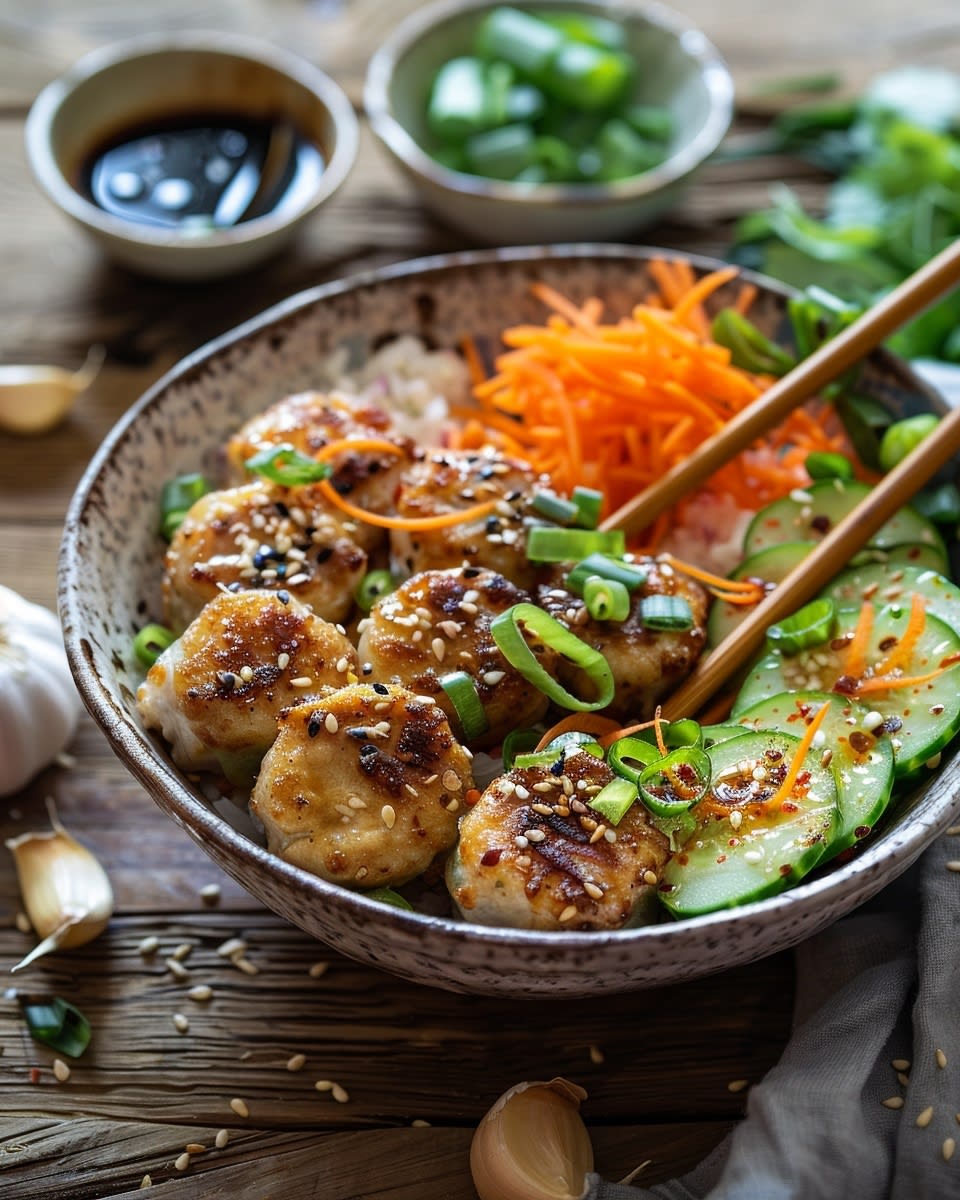
Craving Takeout? Make This Instead
I used to order Chinese takeout every Friday night. The egg rolls were always my favorite part. Crispy, savory, and stuffed with veggies and pork. But then I’d feel sluggish and bloated afterward. The fried wrapper packed in more calories than I wanted to admit.
That’s when I discovered the healthy egg roll in a bowl. It changed my weeknight dinners completely. All the flavors I loved from traditional egg rolls, minus the guilt. No deep fryer needed. Just a skillet and about 20 minutes of your time.
This dish has become a go-to meal in my kitchen. It’s quick, affordable, and tastes just as satisfying as takeout. Even better, you can customize it to fit nearly any diet plan. Whether you’re counting calories, following keto, or just trying to eat more vegetables, this recipe works.
Today, I’m sharing everything you need to know about this amazing dish. You’ll learn what makes it so popular, different ways to prepare it, and how to make it fit your lifestyle. Let’s get cooking.
What is an Egg Roll in a Bowl?
An egg roll in a bowl is exactly what it sounds like. It’s all the filling from a traditional egg roll served in a bowl without the wrapper. You get the same savory pork, crunchy cabbage, and Asian-inspired seasonings. Just skip the deep-fried shell.
Think of it as a deconstructed egg roll. You’re eating the best part anyway. The wrapper was just a vehicle for the good stuff inside. By removing it, you cut out empty carbs and unnecessary fat.
This dish has taken off in recent years. Food blogs like egg roll in a bowl delish and egg roll in a bowl pinch of yum have featured their own versions. Even kitchen tool companies like egg roll in a bowl pampered chef promote it as a simple weeknight meal. Pinterest is flooded with variations under egg roll in a bowl pinterest.
The beauty of this meal lies in its versatility. You can make it with ground pork, chicken, turkey, or even tofu. Add whatever vegetables you have on hand. Season it with soy sauce, ginger, and garlic. It comes together in one pan, which means less cleanup.
The health benefits are impressive too. A traditional egg roll can have 200-300 calories just from the fried wrapper. By skipping that, you’re already ahead. You also avoid the heavy oils used in deep frying. Plus, you’re eating more vegetables per serving.
Most versions pack in shredded cabbage or coleslaw mix. That means you’re getting plenty of fiber and vitamins. Cabbage is low in calories but high in nutrients. It contains vitamin C, vitamin K, and antioxidants. Your gut will thank you for all that fiber too.
The protein from ground meat keeps you full for hours. Unlike carb-heavy takeout that leaves you hungry an hour later, this meal sticks with you. I often eat it for lunch and don’t need a snack until dinner.
Another bonus is how budget-friendly it is. Ground meat costs less than restaurant takeout. A bag of coleslaw mix runs about two dollars. You probably already have the seasonings in your pantry. One recipe makes enough for multiple servings, so leftovers are built in.
Popular Variations of Healthy Egg Roll in a Bowl
The basic recipe is just a starting point. Once you master it, you can adapt it to fit your specific needs. Different food sites and diet programs have created their own spins on the classic version.
The egg roll in a bowl weight watchers version focuses on keeping points low. It uses lean ground turkey instead of pork. Some recipes swap regular soy sauce for low-sodium versions. You still get great flavor without using up your daily points. Many people on Weight Watchers make this weekly because it feels indulgent without breaking their plan.
Looking for tried-and-true recipes? Check out egg roll in a bowl all recipes. That site has dozens of user-submitted versions with ratings and reviews. You can see what other home cooks changed or improved. The comments section often has helpful tips about ingredient swaps or cooking methods.
For those following a ketogenic diet, egg roll in a bowl keto connect offers a perfect solution. The dish is naturally low in carbs since there’s no wrapper. Most keto versions keep the net carbs under 10 grams per serving. They often add extra fat through sesame oil or serve it over cauliflower rice.
The egg roll in a bowl 40 aprons recipe is known for its simplicity. It sticks to basic ingredients that most people already own. The instructions are straightforward, making it ideal for beginner cooks. I recommend this version if you’re making the dish for the first time.
Watching your calorie intake? Most egg roll in a bowl calories range from 250-400 per serving depending on the meat you choose. Ground turkey or chicken breast keeps it on the lower end. Ground pork with a higher fat content pushes it higher. Either way, it’s still much lighter than fried egg rolls from a restaurant.
The egg roll in a bowl whole30 variation follows strict program rules. No soy sauce since it contains soy and often wheat. Instead, these recipes use coconut aminos for that salty, umami flavor. No sugar is added. The focus stays on clean proteins, lots of vegetables, and compliant seasonings.
Here’s a quick breakdown of how different variations compare:
- Classic Version: Ground pork, cabbage, carrots, garlic, ginger, soy sauce, sesame oil
- Keto Version: Same as classic but often served with cauliflower rice or shirataki noodles
- Weight Watchers: Ground turkey, reduced-sodium soy sauce, extra vegetables to increase volume
- Whole30: Compliant protein, coconut aminos instead of soy sauce, no added sweeteners
- Vegetarian: Crumbled tofu or tempeh, mushrooms for meaty texture, same vegetable base
The ingredient list stays relatively simple across all versions. The main players are your protein source, shredded cabbage, and Asian-inspired seasonings. Some people add shredded carrots, green onions, or bell peppers for extra color and nutrients.
The flavor profile centers around savory and slightly sweet notes. Soy sauce provides saltiness and depth. Fresh ginger adds warmth and a bit of spice. Garlic brings its signature punch. A touch of sesame oil at the end gives it that authentic Asian restaurant taste.
Most variations cook in 20 minutes or less. You brown the meat first. Then add your aromatics like garlic and ginger. Toss in the cabbage and let it wilt down. Season everything and you’re done. It’s faster than waiting for delivery.
The best part about these variations is that they all work for meal prep. Make a big batch on Sunday and portion it out for the week. It reheats beautifully in the microwave. The flavors actually get better after sitting overnight as everything marinates together.


How to Make a Healthy Egg Roll in a Bowl
Now that you’ve seen all the different ways people customize this dish, let’s actually make it. I’m walking you through my go-to recipe that I’ve perfected over probably fifty batches at this point. It’s foolproof, even if you’re not confident in the kitchen.
Ingredients Needed
Here’s what you’ll need to grab from your pantry and fridge. The ingredient list is short, which I love on busy weeknights when I don’t want to dig through twenty different spice jars.
For the protein: One pound of ground pork works beautifully, but ground chicken or turkey are excellent lighter options. I’ve used 93% lean ground turkey when I’m watching calories more carefully. Ground beef works too, though it changes the flavor profile slightly. For my vegetarian friends, a 14-ounce package of extra-firm tofu that’s been crumbled works surprisingly well.
For the vegetables: A 14-ounce bag of coleslaw mix is my secret weapon. It’s pre-shredded cabbage and carrots, which saves you tons of prep time. Trust me, I’ve hand-shredded a whole cabbage before and it’s just not worth it. You can also add sliced bell peppers, snap peas, or mushrooms if you want more variety. I sometimes throw in whatever vegetables are about to go bad in my crisper drawer.
For the aromatics: Three cloves of fresh garlic, minced. One tablespoon of freshly grated ginger. Don’t skip the fresh ginger if you can help it. The jarred stuff just doesn’t have the same bright, spicy kick. Four green onions, sliced thin. Save some of the green parts for garnish because they make it look restaurant-quality.
For the sauce: Three tablespoons of soy sauce or tamari if you’re gluten-free. One tablespoon of rice vinegar adds a subtle tang that brightens everything up. One tablespoon of sesame oil for that nutty, toasted flavor. Half a teaspoon of red pepper flakes if you like heat, though this is totally optional. I add them because my husband likes things spicy.
For cooking: Two tablespoons of avocado oil or olive oil. Something with a high smoke point works best since you’re cooking over medium-high heat.
By the way, if you’re following specific diet plans, here are swaps that work perfectly. For keto followers, serve this over cauliflower fried rice to keep carbs minimal. The combination is fantastic and adds even more volume to your meal. For Whole30, swap the soy sauce for coconut aminos. It’s slightly sweeter but still gives you that savory depth. Weight Watchers folks should stick with lean ground turkey and use a spray oil instead of the two tablespoons to save points.
If you’re vegetarian, the tofu swap I mentioned earlier is great. You might also want to add extra umami through a tablespoon of white miso paste mixed into the sauce. Mushrooms add a meaty texture too. Actually, shiitake mushrooms would be perfect here.
Step-by-Step Instructions
Alright, let’s get cooking. The whole process takes about twenty minutes from start to finish. I’ve timed it while simultaneously helping my kid with homework, so it’s genuinely quick.
Step one: Heat your largest skillet over medium-high heat. Add the cooking oil and let it get hot. You’ll know it’s ready when it shimmers slightly. Add your ground meat and break it up with a wooden spoon or spatula. Here’s a trick I learned from my mom: don’t stir it constantly. Let it sit for a minute or two so it gets some nice brown bits. Those are pure flavor.
Cook the meat for about five to seven minutes until it’s no longer pink. If you’re using a fattier ground pork, you might want to drain some of the excess grease. I usually just tilt the pan and spoon out any pools of fat. For ground turkey, you won’t need to do this.
Step two: Push the cooked meat to the sides of your pan, creating a well in the center. Add your minced garlic and grated ginger to that center space. Let them cook for about thirty seconds until they smell absolutely incredible. This is called blooming your aromatics and it makes such a difference in the final flavor. Then mix everything together so the garlic and ginger coat the meat.
Step three: Dump in your entire bag of coleslaw mix. I know it looks like way too much. The pan will be overflowing. Don’t panic. Cabbage shrinks dramatically as it cooks. Use tongs to toss everything together. The cabbage will start wilting almost immediately from the heat of the pan and the meat.
Cook for about five to eight minutes, stirring occasionally. You want the cabbage to soften but still have a little crunch. Nobody likes mushy cabbage. I usually taste a piece around the six-minute mark to check the texture.
Step four: While the cabbage is cooking down, mix your sauce in a small bowl. Combine the soy sauce, rice vinegar, sesame oil, and red pepper flakes if you’re using them. Give it a quick whisk.
Step five: Pour the sauce over everything in the pan. Toss it all together so every piece gets coated. Add most of your sliced green onions now, saving some for garnish. Cook for another minute or two, just letting all those flavors meld together.
Funny enough, the first time I made this, I added the sesame oil at the beginning with the cooking oil. Big mistake. Sesame oil has a low smoke point and it burned, making everything taste bitter. Always add it at the end with the sauce.
Here’s the thing about getting perfect results every time: don’t overcrowd your pan. If you’re doubling the recipe, use two pans or cook it in batches. Crowded pans steam the food instead of browning it, and you’ll lose that nice caramelization on the meat.
Another tip is to prep everything before you start cooking. Have your garlic minced, ginger grated, and sauce mixed. Once you start, things move fast. This is called mise en place in fancy cooking terms, but really it just means getting your act together before you turn on the stove.
Want to make it even faster? Brown your meat the night before and store it in the fridge. Then the next day, you’re literally just reheating meat and wilting cabbage. Takes ten minutes max.
Serve this in bowls with your reserved green onions sprinkled on top. Sometimes I add sesame seeds for crunch or a drizzle of sriracha if I want extra heat. My kids like it over regular rice, which isn’t low-carb but makes them happy. I eat mine straight from the bowl or sometimes stuff it into lettuce wraps for an extra-fresh crunch.
Nutritional Information
Let’s talk numbers because I know some of you track macros or count points. This matters when you’re trying to make informed food choices.
A typical serving of this healthy egg roll in a bowl made with ground pork contains approximately 320 calories. That’s using 85% lean ground pork. If you switch to 93% lean ground turkey, you’re looking at closer to 250 calories per serving. Ground chicken breast brings it down even further to about 230 calories.
The protein content is impressive. Each serving gives you roughly 22 to 28 grams depending on your meat choice. That’s about the same as eating a decent-sized chicken breast. Protein keeps you satisfied for hours, which is why I never feel snacky after eating this. Compare that to ordering egg rolls from a restaurant where you’re hungry again in an hour because it’s mostly empty carbs.
Carbohydrates stay low naturally since there’s no wrapper or rice involved. You’re looking at about 12 grams of total carbs per serving, with 4 grams of fiber. That brings your net carbs to only 8 grams, making this genuinely keto-friendly. If you’re pairing it with low carb cauliflower rice, add another 5 grams or so, and you’re still well within keto macros.
Fat content ranges from 18 to 24 grams depending on how lean your meat is and whether you drain excess grease. Most of that fat comes from the meat itself and the sesame oil. It’s not bad fat either. Sesame oil contains healthy unsaturated fats that are actually good for your heart.
The fiber content deserves special mention. That 4 grams per serving comes mostly from the cabbage. Most Americans don’t get nearly enough fiber in their diets. We should be aiming for 25 to 30 grams daily, and most of us barely hit 15. One serving of this bowl gets you well on your way. Fiber helps with digestion, keeps you full, and even helps regulate blood sugar.
Speaking of vegetables, you’re getting a solid two to three cups of cabbage per serving. That’s almost half your daily vegetable recommendation in one meal. Cabbage is loaded with vitamin K, which is important for blood clotting and bone health. It also has vitamin C for immune function and antioxidants that fight inflammation.
The sodium content is probably the highest number here, coming in around 800 to 900 milligrams per serving. Most of that comes from the soy sauce. If you’re watching sodium, use low-sodium soy sauce or reduce the amount. You can also boost flavor with extra ginger, garlic, and a squeeze of lime juice instead.
For my Weight Watchers friends, this clocks in at about 5 to 7 points depending on your protein choice and which plan you’re following. Ground turkey breast keeps it on the lower end. That’s incredibly reasonable for a filling, satisfying dinner.
This meal fits beautifully into a balanced diet because it checks all the boxes. You’ve got lean protein for muscle maintenance and satiety. You’ve got vegetables providing vitamins, minerals, and fiber. The small amount of healthy fat helps your body absorb fat-soluble vitamins and keeps your hormones functioning properly.
What you don’t have is processed junk, added sugars, or refined carbs that spike your blood sugar and leave you crashing an hour later. It’s real food that actually nourishes your body. I can eat this and then go for a run or tackle a work project without feeling weighed down.
It’s also incredibly nutrient-dense for the calorie count. You’re getting maximum nutrition for minimal calories, which is the whole point of healthy eating. Compare this to a typical Chinese takeout order with fried egg rolls, fried rice, and a sugary sauce. You’d easily consume 1,200 calories and feel terrible afterward.
One of my favorite things about this recipe is how it pairs with other healthy dishes throughout the week. Monday might be egg roll bowls, Tuesday could be a fresh spinach salad, Wednesday I’ll do baked salmon with lemon. You’re getting variety while staying on track with your health goals.
The meal prep potential also helps with consistency. Make a big batch and you’ve got lunch sorted for days. Consistency is what actually creates results, not perfection.


Tips and Tricks for Perfecting Your Egg Roll in a Bowl
You’ve got the basic recipe down, but let me share some tricks I’ve picked up that take this dish from good to absolutely crave-worthy. These are the small details that make the difference between a weeknight meal and something you’d genuinely be proud to serve to guests.
First up, let’s talk about texture. One thing I learned from the egg roll in a bowl pinch of yum approach is not to overcook your cabbage. You want it tender but still with some bite. I usually pull the pan off the heat when the cabbage is about 80% done because it keeps cooking from residual heat. Mushy cabbage is the fastest way to ruin this dish. Nobody wants baby food texture when they’re expecting something crunchy and fresh.
Here’s a game-changer: toast your sesame oil before adding it. Pour it into the hot pan by itself for literally ten seconds, swirl it around, then immediately add your other sauce ingredients. This wakes up the nutty flavors in a way that raw sesame oil just can’t match. I stumbled onto this technique by accident when I forgot to mix my sauce ahead of time, and now I do it every single time.
The egg roll in a bowl whole30 recipes taught me about layering flavors properly. Don’t just dump everything in at once. Season your meat while it’s browning with a pinch of salt and pepper. Then season again when you add the vegetables. Finally, add your sauce at the end. This builds complexity instead of just having one flat note of flavor throughout.
Want more crunch? Add something crispy at the very end. I keep a jar of roasted cashews or peanuts in my pantry specifically for this. Crushed up and sprinkled on top right before serving, they add incredible texture contrast. Water chestnuts work beautifully too if you want to stick with traditional Asian ingredients. They stay crunchy even when cooked.
Temperature control matters more than you’d think. A lot of recipes say medium heat, but I’ve found medium-high works better for getting that slight char on the cabbage edges. Those little brown bits are where the flavor lives. Just watch it carefully so nothing actually burns. If your stove runs hot, stick with medium. Every stove is different, which is annoying but true.
Here’s something the egg roll in a bowl pampered chef demonstrations emphasize: use a large enough pan. I cannot stress this enough. If your ingredients are piled high and steaming instead of sautéing, you won’t get good results. I use a 14-inch skillet for a single batch. If you only have a smaller pan, cook the cabbage in two batches. Brown the meat, remove it, cook half the cabbage, add the meat back with the second half of cabbage. Takes a few extra minutes but totally worth it.
Acid is your friend for brightness. Beyond the rice vinegar in the sauce, I often squeeze fresh lime juice over individual servings. It cuts through the richness of the meat and makes everything taste more vibrant. Sometimes I’ll add a splash of apple cider vinegar if I’m out of rice vinegar. Works surprisingly well.
For extra depth, try adding a tablespoon of hoisin sauce to your sauce mixture. It brings sweetness and complexity that mimics traditional egg roll filling even more closely. Just check the label if you’re doing Whole30 or watching sugar because most brands contain both. There are compliant versions available at health food stores if you look for them.
Garlic lovers, this one’s for you. I sometimes add garlic two different ways. Fresh minced garlic goes in during cooking, then I sprinkle garlic powder over everything right before the sauce. Sounds excessive, but garlic powder has a different flavor profile than fresh. Together they create this amazing garlicky depth without being overwhelming. My neighbor tried this after I told her about it and now she won’t make it any other way.
The shredding size of your cabbage actually matters. If you’re hand-shredding instead of using coleslaw mix, cut it fairly thin but not too fine. About a quarter-inch ribbons. Too thick and it won’t cook evenly. Too thin and it turns to mush. The pre-bagged coleslaw mix is usually the perfect size, which is another reason I’m lazy and just buy it.
Ginger paste from a tube works in a pinch, but fresh is so much better. I keep ginger root in my freezer and grate it frozen. It’s actually easier to grate when frozen, and it lasts for months this way. Just pull it out, grate what you need on a microplane, and toss it back in the freezer. No peeling required when it’s frozen either.
Speaking of customization, this dish is incredibly forgiving with substitutions. Got a bag of broccoli slaw instead of cabbage? Use it. Have a red cabbage instead of green? Go for it. Red cabbage will turn everything slightly purple, but it tastes great and adds extra antioxidants. I’ve even used chopped bok choy when I found it on sale, and it was fantastic.
For meal prep, here’s my system. I cook a triple batch on Sunday afternoons. Portion it into glass containers with tight lids. It keeps perfectly in the fridge for five days. Don’t add any crispy toppings until you’re ready to eat. Store those separately and sprinkle them on after reheating. Otherwise your cashews or sesame seeds get soggy and sad.
Reheating technique matters too. Microwave works fine, but if you have three minutes, reheat it in a skillet instead. Add a tiny splash of water or broth, cover with a lid, and warm over medium heat. It tastes freshly made instead of like leftovers. I do this whenever I’m working from home and have access to my kitchen during lunch.
By the way, this freezes better than you’d expect for something with cabbage. Let it cool completely, then pack it into freezer bags. Press out all the air and lay them flat. They stack beautifully and thaw quickly. I wouldn’t keep it frozen longer than two months because the texture of the cabbage does change slightly, but it’s still perfectly edible. Thaw it in the fridge overnight, then reheat in a pan.
Want to fancy it up? Serve it in lettuce cups for a fun presentation. Butter lettuce works perfectly because the leaves are soft and cup-shaped. Or do what I did for a dinner party once and serve it in individual small bowls with chopsticks. Everyone loved the interactive element of eating it that way.
Some people on egg roll in a bowl pinterest have suggested adding a fried egg on top. I was skeptical, but then I tried it. The runny yolk mixes into everything and creates this amazing creamy sauce. It’s not traditional, but it’s delicious. Plus you’re adding more protein, which is never a bad thing for satiety.
If you like things spicy, there are better ways than just red pepper flakes. Try adding fresh sliced jalapeños along with the cabbage. Or swirl in some chili garlic sauce with your regular sauce. Gochugaru, which is Korean chili flakes, adds heat plus a slightly sweet, smoky flavor that’s incredible. I keep it in my spice cabinet for various Asian-inspired dishes.
For a touch of sweetness without added sugar, try stirring in a tiny bit of unsweetened applesauce or grated apple. Sounds weird, but traditional egg rolls often have a hint of sweetness. This mimics that without using honey or sugar, keeping it Whole30 compliant if that matters to you.
Here’s a weird tip that actually works: add a splash of fish sauce along with your soy sauce. Just a teaspoon. It doesn’t make anything taste fishy, I promise. It adds this deep savory umami quality that’s hard to achieve otherwise. This is a trick I learned from Thai cooking that translates perfectly here.
The order you add ingredients really does matter for building flavor. Aromatics like garlic and ginger should hit the hot pan before your vegetables. This allows their oils to release and coat everything else. If you add them at the same time as the cabbage, they don’t have time to bloom properly and you lose intensity.
FAQs About Egg Roll in a Bowl
Q: Can I make this dish ahead of time?
Absolutely, and it’s actually one of the best things about this recipe. I make it three or four days ahead all the time. The flavors marry together beautifully as it sits in the fridge, almost like a coleslaw. Store it in an airtight container and it’ll keep for up to five days. Just remember to add any crispy toppings fresh when you serve it. The base reheats perfectly in the microwave for about two minutes on high, or you can warm it in a skillet with a splash of water. Many people on egg roll in a bowl pinterest actually prefer the make-ahead version because the cabbage absorbs more of the sauce flavor.
Q: Is this dish suitable for a family with picky eaters?
Yes, surprisingly so. My own kids were skeptical at first, but they devoured it once they tried it. The flavors are familiar if they’ve ever had Chinese takeout, just in a different format. For really picky eaters, you can serve it over white rice to make it less intimidating. Let them add their own toppings so they feel in control. I’ve found that calling it “deconstructed egg roll” instead of “cabbage stir-fry” helps with the kid marketing too. You can also tone down the ginger and garlic if strong flavors are an issue. Start mild and let people add hot sauce or extra seasonings at the table. My seven-year-old won’t touch regular cabbage but eats this happily.
Q: How can I make it spicier or milder?
For spicier versions, add red pepper flakes, fresh sliced jalapeños, or a drizzle of sriracha or chili oil at the end. Chili garlic sauce mixed into the sauce base adds heat throughout instead of just on top. For a Korean-inspired kick, try gochujang paste. To make it milder, simply skip the red pepper flakes entirely. Use a sweet soy sauce instead of regular. Add a tiny drizzle of honey or maple syrup to balance any heat from the ginger. Serving it over plain rice also dilutes the intensity. The beauty of this dish is that you can adjust the heat level per serving, so everyone at your table can customize their own bowl.
Q: Are there any common mistakes to avoid when making this dish?
The biggest mistake is overcooking the cabbage until it’s mushy and lifeless. Pull it off the heat when it still has some texture. Another common error is not draining fatty ground meat, which makes the whole dish greasy and unappetizing. Using a pan that’s too small creates steam instead of a proper sauté, so you lose that nice caramelization. Don’t add the sesame oil at the beginning or it’ll burn and taste bitter. Some people under-season thinking the soy sauce is enough, but you need to season at multiple stages. Finally, skipping fresh ginger in favor of dried powder changes the entire flavor profile. Fresh ginger has brightness that dried just can’t replicate.
Q: Can I use different types of protein in this recipe?
You definitely can, and I encourage experimentation. Ground turkey, chicken, and beef all work perfectly. I’ve made it with ground lamb for a different twist that was surprisingly good. Shrimp is fantastic if you chop them roughly and cook them just until pink. Crumbled tofu or tempeh works for vegetarian versions, though you’ll want to press your tofu first to remove excess moisture. Some people use rotisserie chicken that’s been shredded, which makes it even faster. One batch with ground pork, one with shrimp, and one with tofu gives you variety throughout the week without getting bored. Each protein absorbs the sauce differently, creating subtle variations in the final dish.
Q: Is this dish freezer-friendly?
It freezes reasonably well, though the cabbage texture changes slightly after thawing. I’ve kept it frozen for up to two months without major quality loss. The trick is cooling it completely before freezing to prevent ice crystals from forming. Pack it in freezer bags, press out all the air, and lay them flat for easy stacking. Label them with the date because frozen food all looks the same after a while. Thaw overnight in the refrigerator rather than at room temperature for food safety. Reheat in a pan rather than the microwave if possible, as it helps restore some of the texture. It’s not quite as good as fresh, but it’s certainly convenient for busy weeks.
Q: How can I make it vegan or vegetarian?
Swap the ground meat for crumbled extra-firm tofu or tempeh that’s been pressed to remove moisture. Crumble it roughly so it mimics ground meat texture. Add mushrooms for extra umami and meatiness since you’re losing that from the animal protein. Use tamari or coconut aminos instead of regular soy sauce to ensure it’s gluten-free if needed. For extra protein, add edamame or chickpeas. A tablespoon of nutritional yeast in the sauce adds a savory depth that helps replace some of what you lose without meat. My vegetarian sister-in-law makes this monthly with tempeh and says it satisfies her takeout cravings completely. The key is not skimping on the aromatics since you need bold flavors without the meat.
Q: What are some side dishes that go well with Egg Roll in a Bowl?
Honestly, this is a complete meal on its own, but if you want sides, keep them light and fresh. A simple cucumber salad with rice vinegar and sesame seeds complements it beautifully. Steamed edamame sprinkled with sea salt is an easy protein-rich side. Spring rolls with peanut sauce give you that cold-and-hot contrast that’s really satisfying. If you want something warm, miso soup is light enough not to compete. Cauliflower fried rice works if you’re staying low-carb but want more volume. For kids or people who need more carbs, plain white or brown rice is perfect for soaking up extra sauce. I sometimes make pot stickers on the side when I’m feeling ambitious, though that sort of defeats the healthy purpose.
Q: Can I use a different type of cabbage or vegetable mix?
Absolutely, and sometimes the variations are even better than the original. Red cabbage works great and adds gorgeous color, though it’ll tint everything slightly purple. Napa cabbage is more tender and authentic to actual egg rolls. Broccoli slaw gives you a different texture and sneaks in more cruciferous vegetables. Bok choy is tender and mild if regular cabbage is too strong for you. Shredded Brussels sprouts create a nuttier flavor that I personally love. You can mix vegetables too—half cabbage, half broccoli slaw, some shredded carrots and bell peppers. The cooking time might vary slightly depending on what you use, so just taste-test for doneness. Harder vegetables like carrots need a bit longer than soft ones like napa cabbage.
Q: How do I prevent the dish from being too watery?
Cabbage releases water as it cooks, which can make things soupy if you’re not careful. First, don’t cover the pan while cooking—you want moisture to evaporate, not trap inside. Cook over medium-high heat so liquid evaporates quickly. If you do end up with excess liquid pooling in the pan, just tilt it and spoon it out, or let it cook uncovered for an extra few minutes until it reduces. Don’t add too much sauce initially; you can always add more at the end. Using pre-shredded coleslaw mix that’s been sitting in your crisper for a few days actually helps because it’s slightly drier than fresh. Funny enough, the healthy recipes I’ve tried over the years have taught me that moisture management is half the battle with vegetable-heavy dishes. If it’s still too wet, serve it with a slotted spoon and leave the liquid behind.
This dish really shows how eating well doesn’t mean sacrificing flavor or satisfaction. The fact that it delivers restaurant-quality taste while supporting your health goals makes it something special. When you focus on dishes with high nutrient density like this one, you’re feeding your body what it actually needs rather than just filling your stomach with empty calories. That shift in perspective has completely changed how I approach cooking and eating.
So grab that skillet and give this a try tonight. You’re twenty minutes away from a meal that’ll make you forget all about calling for delivery.