
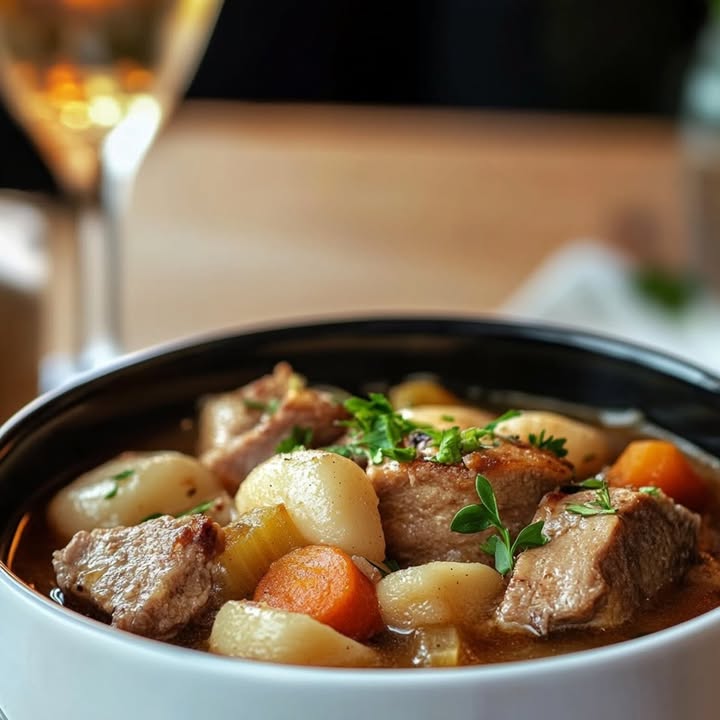
My Hearty Auvergne Stew: A Hug from the French Countryside
Picture this: a chilly autumn evening, a table full of hungry loved ones, and a big, steaming pot of something wonderful wafting its savory perfume through the house. That’s the magic of Potée Auvergnate, or as I affectionately call it, my Hearty Auvergne Stew. This isn’t just a meal; it’s a comfort food legend from central France. It’s the culinary equivalent of a warm blanket. I first fell for this stew during a family trip years ago, and recreating its cozy magic at home has become my favorite way to welcome the cooler months.
The Story Behind This Comforting French Classic
This stew is the soul of the Auvergne region. For centuries, farmers there would make this one-pot wonder with ingredients straight from their land and barn. The smoked pork shoulder (palette) and rustic sausages provided hearty sustenance. The cabbage, leeks, and root vegetables added nutrition and flavor. It was a practical, nourishing dish designed to feed a hard-working family. Today, it’s a celebrated tradition. While the core recipe remains, some modern cooks might add a turnip or use different types of cabbage. But the soul—the slow simmer, the melding of smoky meat and sweet vegetables—is timeless.
Why You’ll Absolutely Love This Auvergne Stew Recipe
You’ll love it because it’s forgiving, flavorful, and feeds a crowd with minimal fuss. The ingredients are simple and humble. The process is mostly a patient simmer. But the result? A deeply satisfying broth, tender meat that falls apart, and vegetables soaked in savory goodness. It’s the perfect family stew for when you want something impressive without complicated techniques. Plus, your kitchen will smell incredible for hours!
Perfect Occasions for This Giant Pot of Joy
This stew is a social event in a pot. It’s ideal for:
- Family Sunday dinners: Gather everyone around the table.
- Potluck parties: Carry the whole pot and be the star guest.
- Game day gatherings: Keep it warm on the stove for hearty servings all afternoon.
- Any autumn or winter weekend: When you just crave a cooking project that results in pure comfort.
Ingredients for Your Authentic Potée Auvergnate
Here’s what you need to gather. The beauty is in its simplicity:
- 1 kg Smoked Pork Shoulder (Palette de porc)
- 4 Country-style Sausages
- 2 Onions
- 4 Carrots
- 2 Leeks
- 1/2 Green Cabbage
- 4 Potatoes
- 1 Bouquet Garni (thyme & bay leaf)
- Salt and Black Pepper
- Water (enough to cover)
Smart Ingredient Substitutions
Don’t stress if you can’t find exact items! French cooking is adaptable.
- Smoked Pork Shoulder: If unavailable, a smoked ham hock or even a piece of unsmoked pork shoulder will work. The smokiness is traditional, but you’ll still get great flavor.
- Country Sausages: Any hearty, coarse-grained pork sausage is fine. Kielbasa or a good garlic sausage can step in.
- Green Cabbage: Savoy cabbage is a lovely, more tender alternative.
- Bouquet Garni: A few sprigs of fresh thyme and a bay leaf tied together, or use 1 tsp dried thyme and one bay leaf.
Making Your Hearty Auvergne Stew: Step-by-Step
Step 1: Prep Your Veggies
Start by giving all your vegetables a good wash and chop. Peel the carrots and slice them into hearty rounds. Cut the potatoes into large chunks—they’ll hold up better during the long cook. Slice the leeks, discarding the tough dark green ends, and chop the onions. For the cabbage, shred it into wide strips. This prep is colorful and fun! You’ll have a rainbow of roots and greens ready to go. Pro tip: Don’t cut the potatoes too small. Big pieces prevent them from dissolving into the stew.
Step 2: Brown the Meats
Place your large pot or Dutch oven over medium heat. Add the big piece of smoked pork shoulder and the sausages. Let them sizzle and brown on all sides. This step is crucial! It builds the stew’s foundation of flavor with delicious caramelized bits on the bottom of the pot. The aroma of frying sausage and smoky pork will already make you hungry. It should take about 5-7 minutes to get a nice, crisp exterior.
Step 3: Add All the Vegetables
Now, throw in all your prepared vegetables! The onions, carrots, leeks, cabbage, and potatoes all go into the pot with the browned meats. Tuck the bouquet garni in amongst them. It looks like a massive, beautiful pile of food. Gently stir everything so the veggies start to mix with the flavorful fat from the meats. They’ll begin to soften just a touch from the heat.
Step 4: Season and Add Water
Give the whole pot a generous seasoning with salt and black pepper. Then, pour in enough clean water to just cover the entire mountain of ingredients. You don’t want a soup; you want a stew. The water level should be just at the top of the vegetables and meat. Bring it all to a gentle simmer over medium heat.
Step 5: The Long, Loving Simmer
Once simmering, reduce the heat to low. Cover the pot with a lid. Now, let time do its magic. Let it bubble gently for 1.5 to 2 hours. Check occasionally that it’s not boiling too hard. You want a quiet, slow cook. The pork shoulder will become fork-tender. The sausages will plump up. The vegetables will soak up the broth and become meltingly soft. Your whole home will fill with an irresistible, savory scent. Chef’s tip: The best sign it’s done? The meat pulls easily away from the bone of the pork shoulder.
Step 6: Serve and Feast!
Your Hearty Auvergne Stew is ready! Carefully lift the pork shoulder onto a plate to slice or shred it. Ladle enormous portions into deep bowls. Make sure each bowl gets a piece of that succulent pork, a sausage, and plenty of vegetables and broth. It’s a complete, rustic feast in one dish. Serve it as hot as possible, with maybe just a simple loaf of crusty bread on the side.
Timing Your Potée Auvergnate Perfectly
| Prep Time | 20 minutes |
| Cooking Time | 1 hour 30 minutes – 2 hours |
| Total Time | About 2 hours |
| Resting Time | None needed—serve hot! |
Chef’s Secret for the Best Auvergne Stew
The secret is in the browning. Don’t rush Step 2! Getting a proper, dark golden crust on the pork shoulder and sausages creates a layer of flavor in the pot. This “fond” then dissolves into the broth during simmering. It gives the entire stew a deeper, richer, more complex taste that you simply can’t get from just boiling everything together. Take your time with that sizzle.
A Little Extra Food History
In rural Auvergne, this stew was often cooked in a special “potée” pot over the hearth fire for most of the day. The long, slow cooking not only tenderized tougher meats but also allowed the flavors to marry perfectly. It’s a dish born from patience and resourcefulness, using every part of the harvest. That’s why it feels so fundamentally nourishing.
Necessary Equipment
- A large, heavy-bottomed pot or Dutch oven (6-8 quarts is ideal).
- A good chopping knife.
- A cutting board.
- A ladle for serving.
Storing Your Leftovers
This stew stores beautifully! Let it cool completely after your meal. Then, transfer it to airtight containers. You can store the broth, meats, and vegetables together or separately if you prefer.
It will keep in the refrigerator for up to 3-4 days. The flavors often deepen and improve overnight! Reheat gently on the stove over medium-low heat until piping hot. For longer storage, you can freeze it for up to 3 months. Thaw in the fridge overnight before reheating.
Always reheat leftovers thoroughly to ensure they are safe for eating. A gentle simmer on the stove is best to preserve texture and taste.
Tips and Advice for a Perfect Stew
- Taste the broth before final serving: After simmering, check the seasoning. You might want an extra pinch of salt or pepper.
- Don’t skimp on the simmer time: The pork shoulder needs the full time to become truly tender. If it’s still tough, give it more time.
- Use a wide pot: This allows for better evaporation and concentration of flavors than a tall, narrow one.
Presentation Ideas
- Serve in wide, shallow bowls to showcase all the beautiful components.
- Place the sliced pork shoulder on a separate platter for a grand, communal feel.
- Garnish with a simple sprinkle of fresh parsley for a touch of green.
- Accompany with a basket of thick, crusty bread for dipping into the broth.
Healthier Alternative Recipes
You can tweak this classic for different dietary needs!
- Lower-Fat Version: Use a leaner smoked pork cut and turkey sausages. Reduce the number of sausages.
- Extra-Vegetable Stew: Double the carrots, leeks, and cabbage. Add celery or parsnips. Use less meat.
- Gluten-Free: This recipe is naturally gluten-free! Just ensure your sausages are gluten-free.
- Quick-Prep Stew: Use pre-cut vegetables from the store to slash prep time.
- Spicy Twist: Add a pinch of smoked paprika or a few crushed chili flakes to the broth for warmth.
- Winter Root Vegetable Potée: Swap the cabbage for chunks of turnip and sweet potato. It’s a different but delicious take.
Common Mistakes to Avoid
Mistake 1: Cutting the Vegetables Too Small
This happens when we think smaller pieces cook faster. But in a long simmer, tiny potato or carrot pieces will overcook and almost dissolve. You lose their texture and they can make the broth murky. Keep your vegetable chunks robust and large. They should be bite-sized, but substantial. This way, they hold their shape and provide a satisfying bite in the finished stew.
Mistake 2: Not Browning the Meat Properly
It’s tempting to just throw everything in the pot and add water. Skipping the browning step misses a key flavor opportunity. That initial sear creates complex tastes through caramelization. It gives the stew a richer, deeper base. Take a few extra minutes to get a good, crispy color on the pork and sausages. It makes a world of difference in your final bowl.
Mistake 3: Using Too Much Water
Adding water until it’s literally a soup dilutes the flavors. You want a stew where the broth is intense and coats the ingredients. The water should just cover everything, not drown it. If you end up with too much liquid, you can simmer uncovered for a bit to reduce it and concentrate the taste. Start with less; you can always add a splash more if needed.
Mistake 4: Boiling Instead of Simmering
A rolling boil is too aggressive for this dish. It can make the meat tough and cause the vegetables to break apart messily. You want gentle, lazy bubbles. Once you add the water and bring it to a simmer, immediately reduce the heat to low. A quiet, patient cook yields tender meat and intact, flavorful vegetables.
Frequently Asked Questions
Can I make Potée Auvergnate in a slow cooker?
Absolutely! It adapts wonderfully to a slow cooker. Follow steps 1 and 2 in a skillet to brown the meats. Then transfer the meats and all the prepped vegetables to your slow cooker. Add the bouquet garni, seasoning, and enough water to cover. Cook on low for 6-8 hours. The result will be just as tender and flavorful, with perhaps even more melded broth. It’s a great set-it-and-forget-it method for busy days.
What kind of pork shoulder should I use?
The traditional choice is a smoked, bone-in pork shoulder, often called “palette” in French. This gives the stew its signature smoky, hearty flavor. If you can’t find smoked, a regular pork shoulder (fresh or cured but unsmoked) will work. You might add a teaspoon of smoked paprika to the broth to mimic that smoky taste. The bone-in version adds flavor to the broth, but boneless is fine too. Just ensure it’s a cut that benefits from long, slow cooking.
Do I have to use green cabbage?
Green cabbage is standard, but you have options. Savoy cabbage is more delicate and cooks beautifully. You could even use a small amount of sturdy kale, though its flavor is stronger. The cabbage adds body and sweetness to the stew. If you dislike cabbage, try substituting with extra leeks and carrots. The dish will be different but still delicious. The key is using hearty, winter vegetables that can withstand the long cook.
How can I tell when the stew is done cooking?
The best test is the pork shoulder. Try to pull a piece of meat away from the bone (if bone-in) or simply pierce it with a fork. It should be extremely tender and almost fall apart easily. The sausages will be plump and cooked through. The vegetables, particularly the potatoes and carrots, should be soft when pierced but not completely mushy. The broth will have taken on a rich, golden color and a deeply savory aroma.
Can I add other vegetables to this stew?
Yes, you can! This stew is a forgiving canvas for root vegetables. Turnips, parsnips, or celery root would blend in perfectly. Add them in chunks similar to the potatoes. If you add quicker-cooking veggies like peas, add them in the last 15 minutes of cooking. Stick to vegetables that enjoy slow braising. Avoid very watery veggies like zucchini for the long simmer, as they can become too soft.
What should I serve with this stew?
A crusty baguette or hearty country bread is the classic and perfect accompaniment. It’s for dipping into that glorious broth. You don’t need much else! A simple green salad on the side can provide a fresh contrast. Some people enjoy a dollop of strong mustard on the plate for dipping the meats. A glass of robust red wine or a dry cider also pairs wonderfully with the rustic flavors.
Is this stew freezer-friendly?
It’s an excellent freezer meal! Cool it completely, then portion into freezer-safe containers or bags. Leave some space as it expands when frozen. It keeps well for up to 3 months. Thaw in the refrigerator for a day before reheating. Reheat gently on the stove. The texture of the vegetables might soften a bit more after freezing, but the flavors remain superb. It’s a fantastic meal to have on standby.
My stew broth is too thin. How can I thicken it?
A true potée isn’t meant to be a thick gravy; it’s more of a flavorful broth. But if you prefer a thicker stew, you have options. Mash a few of the cooked potato chunks against the side of the pot and stir them back in. They will naturally thicken the liquid. Alternatively, you can remove a cup of broth, mix it with a tablespoon of flour or cornstarch until smooth, and stir it back into the simmering stew. Cook for a few more minutes to thicken.
Can I use chicken instead of pork?
You can, but it becomes a different dish. Use a whole chicken, cut into pieces, or chicken thighs. Brown them well first. The flavor profile will be lighter and less smoky. It will be a delicious chicken stew, but it won’t have the traditional Auvergne character. For a closer experience, try using a smoked turkey leg or smoked chicken sausages to keep some of that smoky essence.
What’s the difference between Potée and a regular stew?
Potée is specifically a French rustic stew from certain regions, notably Auvergne. It traditionally features a large piece of smoked pork (like shoulder or ham) as the star, along with sausages and a specific set of winter vegetables. A regular stew might use beef, lamb, or chicken and can have a wider variety of veggies and seasonings. The potée is defined by its humble, regional ingredients and its slow, home-style cooking method.
If you adore this kind of comforting, one-pot wonder, you’ll find many more ideas in our collection of main dish recipes.
More One-Pot Comfort From Our Kitchen
If you love the simplicity of throwing everything into one pot, you’ll adore our One-Pot Ground Beef and Zucchini Skillet. It’s a quicker but equally satisfying weeknight hero. For another classic combo of meat and potatoes, try our easy Sheet Pan Lemon Garlic Chicken and Potatoes. It’s all cooked together on a pan for minimal cleanup. For a bowl with a sweet and spicy kick, our Hot Honey Cottage Cheese Sweet Potato Beef Bowl is a unique twist. And if Asian flavors call to you, our Teriyaki Chicken Bowl is a family favorite that comes together beautifully.
The Final Simmer
There you have it – the secrets to a perfect, heartwarming Potée Auvergnate. This Hearty Auvergne Stew is more than a recipe. It’s an experience. It’s about gathering, sharing, and enjoying the simple, profound pleasure of a meal made with care. So, find your biggest pot, gather your ingredients, and let the slow simmer fill your home with warmth. Then, sit down with your people and enjoy a true taste of French country comfort. Bon appétit!
Hearty Auvergne Stew
Ingredients
Equipment
Method
- Start by giving all your vegetables a good wash and chop.
- Peel the carrots and slice them into hearty rounds.
- Cut the potatoes into large chunks.
- Slice the leeks, discarding the tough dark green ends, and chop the onions.
- Shred the cabbage into wide strips.
- Place a large pot or Dutch oven over medium heat and brown the smoked pork shoulder and sausages on all sides for 5-7 minutes.
- Add all the prepared vegetables into the pot with the browned meats.
- Tuck the bouquet garni in among the vegetables and gently stir.
- Season with salt and black pepper.
- Pour in enough water to just cover the ingredients and bring to a gentle simmer.
- Reduce heat to low, cover the pot, and let it simmer for 1.5 to 2 hours.
- Check occasionally to ensure it’s not boiling too hard; aim for a quiet, slow cook.
- Once done, carefully lift the pork shoulder onto a plate to slice or shred it.
- Ladle large portions into bowls, ensuring each serves a piece of pork, sausage, and plenty of vegetables and broth.