
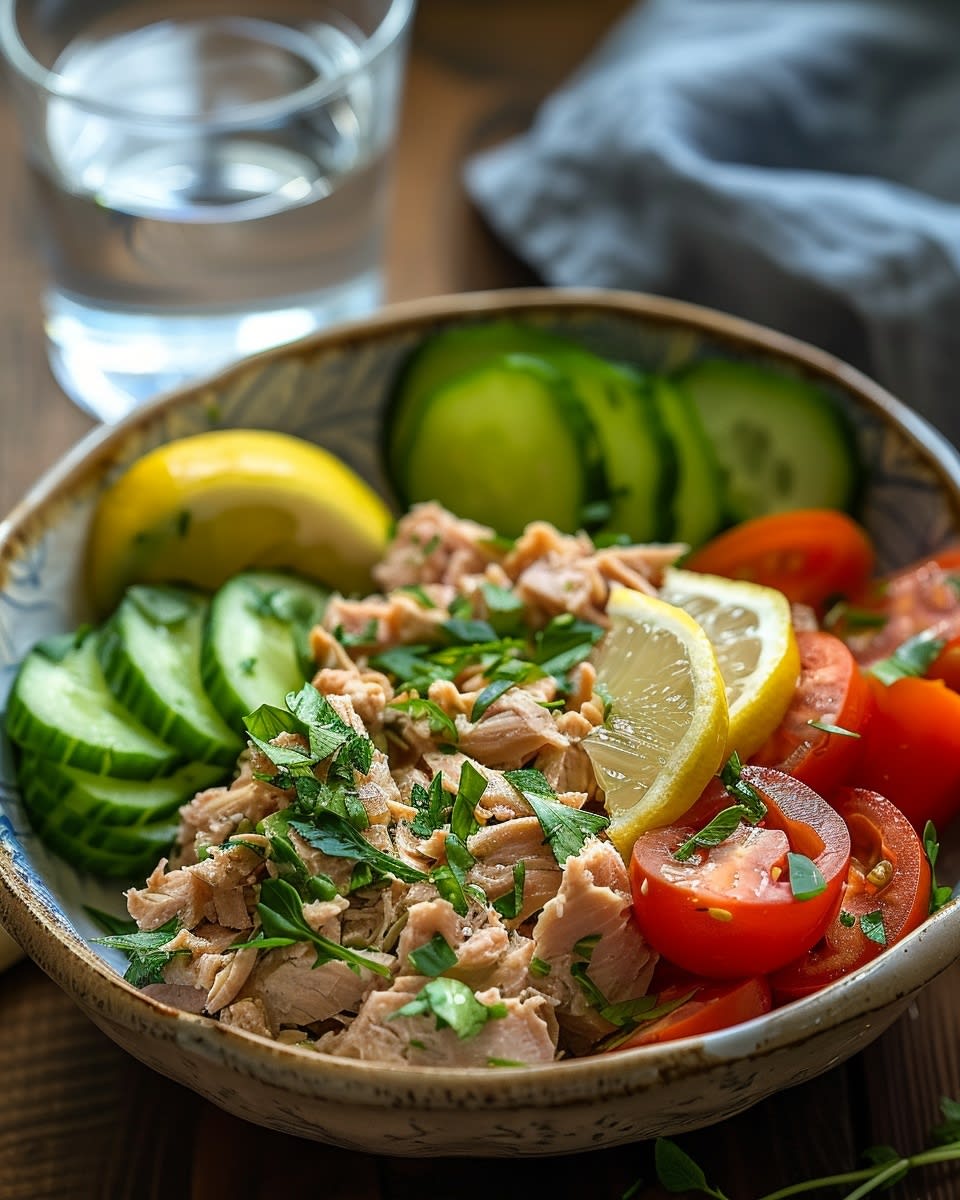
Looking for a Meal That Actually Keeps You Full?
I used to grab whatever was quick for lunch, usually something that left me starving an hour later. Then I discovered the high protein tuna avocado bowl, and honestly, it changed my midday routine completely. This simple dish keeps me satisfied for hours without making me feel weighed down or sluggish.
This bowl combines protein-packed tuna with creamy avocado and fresh vegetables to create something special. You get a complete meal in one bowl that takes less than 10 minutes to put together. No complicated cooking techniques or fancy equipment needed.
The benefits go way beyond convenience. Each serving delivers around 30-40 grams of protein, depending on how you build it. That protein helps your muscles recover after workouts and keeps your energy steady throughout the day. The healthy fats from avocado support your brain function and help you absorb important vitamins.
The main ingredients work together perfectly. Tuna brings lean protein and omega-3 fatty acids to the table. Avocado adds heart-healthy monounsaturated fats and makes everything taste rich and satisfying. Throw in some crisp vegetables, and you have a meal that covers all your nutritional bases.
Why You Should Try a High Protein Tuna Avocado Bowl
Let me break down what makes this bowl such a smart choice for your diet. When I started paying attention to what I ate, I realized most quick meals were either too heavy or left me hungry. This bowl solves both problems in one shot.
The Nutritional Power of Tuna
Tuna serves as the protein foundation of this bowl. A single can of tuna packed in water gives you about 20-25 grams of protein with barely any fat. That protein quality rivals eggs and chicken but requires zero cooking time.
Tuna also provides vitamin D, which many people don’t get enough of, especially during winter months. It contains selenium, an antioxidant that supports your immune system. The omega-3 fatty acids in tuna reduce inflammation throughout your body and support heart health.
I prefer using chunk light tuna because it has lower mercury levels than albacore. You can eat it several times a week without worry. Plus, it costs less and tastes just as good in this bowl.
Why Avocado Makes Everything Better
Avocado does more than add creaminess. It contains nearly 20 different vitamins and minerals packed into each serving. The monounsaturated fats in avocado help lower bad cholesterol while raising good cholesterol.
These healthy fats slow down digestion in a good way. Your body absorbs nutrients better, and you stay full longer. One medium avocado has about 10 grams of fiber, which most people need more of in their diets.
Avocados also help your body absorb fat-soluble vitamins like A, D, E, and K from other ingredients in the bowl. Without enough healthy fat, you miss out on these nutrients even when you eat them.
Building a Balanced Macro Profile
This bowl hits the perfect balance of macronutrients. You get protein from tuna, healthy fats from avocado, and carbs from vegetables or optional additions like quinoa or sweet potato.
Here’s what a typical high protein tuna avocado bowl contains:
- Protein: 30-40 grams from tuna and any additional protein sources
- Healthy Fats: 15-20 grams from avocado and olive oil
- Fiber: 8-12 grams from vegetables and avocado
- Calories: 350-450, depending on portions and additions
These numbers make this bowl perfect for weight management. The high protein content helps preserve muscle mass while the healthy fats keep hormones balanced. The fiber supports digestion and feeds good bacteria in your gut.
Perfect for Multiple Diet Plans
This bowl adapts to almost any eating style. Following a low-carb diet? Skip the grains and load up on leafy greens and cucumber. The bowl stays under 15 grams of carbs easily.
Need something gluten-free? Every ingredient naturally fits that requirement. No substitutions or special products needed. Just pick your ingredients and build your bowl.
The bowl works great for keto followers too. Add extra olive oil or a handful of nuts to increase the fat content. Some people throw in a hard-boiled egg for extra protein and fat.
Even if you follow a Mediterranean diet, this bowl checks all the boxes. It features fish, healthy fats, and plenty of vegetables. The flavor profile fits right in with Mediterranean cooking traditions.
Endless Ways to Customize Your Bowl
This recipe becomes your own creation based on what you like and what you have available. I change mine up constantly to keep things interesting.
For the base, you can choose:
- Mixed greens or spinach for minimal carbs
- Brown rice or quinoa for more substance
- Cauliflower rice as a low-carb grain alternative
- Zucchini noodles for something different
The vegetables you add change the flavor completely. I love cherry tomatoes, cucumber, and red onion for a fresh taste. Sometimes I add shredded carrots, bell peppers, or radishes for extra crunch.
The dressing makes a huge difference too. A simple lemon juice and olive oil combo works perfectly. You could also try lime juice with cilantro, balsamic vinegar, or even a light soy sauce mixture.
Some people add extras like chickpeas, edamame, or hard-boiled eggs for even more protein. Others throw in nuts or seeds for texture. The bowl handles these additions without becoming too complicated or losing its identity.
Quick Meal Prep Benefits
I make these bowls ahead for the whole week. The components stay fresh separately, and assembly takes about two minutes when you’re ready to eat.
Prep your vegetables on Sunday. Chop everything and store it in containers. Keep your avocado whole until you’re ready to eat so it doesn’t turn brown. Mix your dressing and keep it in a small jar.
When lunch rolls around, just grab your containers, open a can of tuna, slice your avocado, and build your bowl. You have a restaurant-quality meal that costs a fraction of the price.
This approach saves money too. Buying ingredients in bulk and prepping ahead costs way less than eating out or buying prepared meals. You control exactly what goes into your food and how much you spend.


How to Make the Perfect High Protein Tuna Avocado Bowl
Now that you know why this bowl works so well, let me walk you through actually making one. I promise it’s easier than you think, even if you’re not confident in the kitchen.
Start with your base layer. I usually grab whatever greens I have around, whether that’s baby spinach, arugula, or mixed lettuce. Throw about two cups into your bowl. If you’re going for something more filling, cook up half a cup of quinoa or brown rice the night before. Some days I use cauliflower rice when I want to keep things lighter, similar to how I make my low carb cauliflower fried rice.
Next comes the star ingredient. Drain your tuna well because nobody wants a soggy bowl. I usually use one can of chunk light tuna, but if I’m super hungry after a workout, I’ll use one and a half cans. Break it up with a fork so it spreads nicely across your base instead of sitting in one clump.
The avocado part requires a little attention. Cut it in half, remove the pit, and slice it while it’s still in the skin. Then scoop out those perfect slices with a spoon. One medium avocado split between two bowls works great, or use the whole thing if you’re making just one bowl for yourself.
Here’s where things get fun with the vegetables. I chop up a handful of cherry tomatoes, dice half a cucumber, and slice some red onion super thin. Sometimes I add shredded purple cabbage for color and crunch. Bell peppers work great too, especially the orange or yellow ones that add sweetness.
For the dressing, keep it simple. Mix two tablespoons of olive oil with the juice of half a lemon, add a pinch of salt and pepper, maybe throw in some dried oregano or Italian seasoning. Drizzle it over everything right before eating.
Choosing Your Ingredients Like a Pro
The quality of what you buy makes a noticeable difference. For tuna, I look for cans that say “pole and line caught” or “troll caught” when possible. These methods are better for the environment and usually result in better quality fish.
Wild-caught tuna beats farm-raised every time in terms of nutrition and taste. Check the label for sodium content too. Some brands pack their tuna with way too much salt, which you don’t need. I aim for brands with less than 200mg of sodium per serving.
Picking the right avocado takes practice. A ripe one gives slightly when you press it gently but doesn’t feel mushy. The skin should be darker, almost black for Hass avocados. If you only find hard avocados at the store, buy them a few days before you need them and let them ripen on your counter.
Here’s a trick I learned the hard way: if you need an avocado to ripen faster, put it in a paper bag with a banana overnight. The ethylene gas speeds things up. And if you’ve cut into an avocado that’s not quite ready, brush the cut surface with olive oil and stick it back in the fridge for a day.
Fresh vegetables beat wilted ones every single time. Look for tomatoes that smell like, well, tomatoes. Cucumbers should be firm without soft spots. If your grocery store has a salad bar, honestly, grabbing pre-cut veggies from there saves time and guarantees freshness.
Mix It Up With Creative Variations
Once you’ve made the basic version a few times, you’ll probably want to switch things up. I rotate through different versions depending on what sounds good that day.
The Mediterranean version uses chickpeas, kalamata olives, feta cheese, and a lemon-oregano dressing. Swap regular tomatoes for sun-dried ones if you want more intense flavor. This combination reminds me of the fresh flavors in my spinach strawberry almond salad, just with completely different ingredients.
For an Asian-inspired twist, replace the lemon dressing with a mixture of rice vinegar, sesame oil, and a tiny bit of honey. Add edamame, shredded carrots, and sliced radishes. Top it with sesame seeds and maybe some crispy wonton strips if you’re not watching carbs.
The spicy Southwest version brings heat. Mix in black beans, corn, diced jalapeños, and cilantro. Use lime juice instead of lemon in your dressing and add a dash of cumin. Some crumbled queso fresco on top takes it to another level.
During summer, I make a tropical version with mango chunks, red bell pepper, and red onion. The dressing gets lime juice, a touch of honey, and fresh cilantro. Sounds weird maybe, but the sweet mango with savory tuna actually works really well.
You can also change up the protein source entirely while keeping the bowl concept. Grilled chicken, hard-boiled eggs, or even leftover salmon work great. The structure stays the same, just different flavors. It’s the same idea behind my healthy chicken lettuce wraps, where you have a base formula you can customize endlessly.
Meal Prep Strategies That Actually Work
Getting these bowls ready for the week takes maybe thirty minutes on Sunday afternoon. I wash and chop all my vegetables first, storing each type in separate containers. Glass containers with tight lids work better than plastic because the vegetables stay crispier longer.
Cook your grains if you’re using them. Quinoa and brown rice both keep well in the fridge for five days. Let them cool completely before sealing them up, otherwise condensation makes them mushy.
Don’t prep the avocado ahead unless you’re eating it the next day. Even with lemon juice or lime juice on it, avocado still browns after a day or two. Just buy ripe ones and slice them fresh each morning.
Mix your dressings and keep them in small mason jars or squeeze bottles. They’ll stay good all week and you can shake them up right before using. Making a bigger batch of dressing saves time too.
The tuna I leave in the can until I’m ready to assemble. Opening it fresh keeps the texture better. If you prefer pouches of tuna, those work fine too and create less mess.
For grab-and-go convenience, layer your ingredients in a mason jar. Dressing goes on the bottom, then sturdy vegetables like cucumbers and tomatoes, then your grains, then greens on top. When you’re ready to eat, dump it into a bowl and add your tuna and avocado. This method is similar to how I prep my healthy egg roll in a bowl for busy weekdays.
Benefits of Each Ingredient
Let me break down exactly what each component brings to your plate, because understanding this stuff actually makes you want to eat better.
The Real Deal About Tuna
Those omega-3 fatty acids everyone talks about? Tuna delivers them in solid amounts. These specific fats, EPA and DHA, do actual work in your body. They reduce inflammation in your joints, which matters if you work out regularly or deal with any kind of chronic pain.
Your brain is about 60% fat, and it needs omega-3s to function properly. Studies show these fatty acids improve memory and might even help prevent cognitive decline as you age. I started eating more omega-3s after noticing I could focus better during afternoon work sessions.
Tuna contains B vitamins, especially B12 and niacin. B12 helps your body make red blood cells and keeps your nervous system running smoothly. You need niacin for energy metabolism, which basically means it helps convert your food into usable energy instead of storing it as fat.
The selenium content in tuna supports your thyroid function. Your thyroid controls metabolism, so keeping it healthy matters for weight management and energy levels. Just one serving of tuna provides more than half your daily selenium needs.
Why Avocado Deserves Its Superfood Status
Avocados pack more potassium than bananas, which surprises most people. You need potassium to regulate blood pressure and support muscle function. Most Americans don’t get enough of it, so adding avocado to your regular meals helps fill that gap.
Vitamin K in avocados matters for bone health and blood clotting. One avocado gives you about a quarter of your daily vitamin K requirement. This vitamin also helps your body use calcium properly, so it works together with other nutrients.
The folate in avocados supports cell growth and DNA formation. Pregnant women need extra folate, but everyone benefits from getting enough. It helps prevent anemia and supports your cardiovascular system.
Those monounsaturated fats do more than taste good. They help reduce LDL cholesterol while maintaining HDL cholesterol. This combination protects your heart and blood vessels from damage over time.
Don’t Sleep on the Vegetables
Tomatoes bring lycopene, a powerful antioxidant that gives them their red color. Lycopene protects your cells from damage and might reduce certain cancer risks. Your body absorbs lycopene better when you eat tomatoes with healthy fats, which is exactly what happens in this bowl.
Cucumbers might seem boring, but they’re super hydrating since they’re about 95% water. They contain antioxidants called lignans that have anti-inflammatory properties. Plus the silica in cucumber skin supports healthy connective tissue.
Red onions contain quercetin, a flavonoid that acts as an antihistamine and anti-inflammatory. They also have compounds that support gut health by feeding beneficial bacteria. The sulfur compounds in onions support your body’s natural detoxification processes.
Leafy greens deliver vitamins A, C, and K along with minerals like iron and calcium. They’re incredibly low in calories but high in fiber, which supports digestive health and helps you feel satisfied. The chlorophyll in greens supports your liver function and helps eliminate toxins.
Adding optional ingredients like nuts or seeds boosts the nutritional profile even more. Pumpkin seeds add zinc and magnesium. Almonds bring vitamin E and additional healthy fats. Each topping contributes something valuable to your overall nutrient intake for the day.


Frequently Asked Questions About High Protein Tuna Avocado Bowls
After making these bowls for years and talking to friends who’ve tried them, I’ve heard pretty much every question imaginable. Let me answer the ones that come up most often so you can feel confident making your own version.
How can I make this bowl more filling?
If you’re still hungry after eating your bowl, you need to add more volume or fat. The easiest fix involves adding a grain base like quinoa, brown rice, or even whole wheat pasta. A half cup of cooked quinoa adds about 110 calories and keeps you satisfied way longer. Another trick I use after heavy workout days is adding a hard-boiled egg or two. The extra protein and fat make a huge difference without requiring any cooking since you can prep eggs ahead. Sweet potato cubes work really well too, especially if you roast them with a little olive oil and paprika on Sunday. Some people add chickpeas or white beans, which bring both protein and fiber to keep your stomach happy for hours. Finally, don’t skimp on the healthy fats because they signal fullness to your brain better than anything else.
Is this bowl suitable for vegetarians or vegans?
The traditional version isn’t vegetarian since tuna is fish, but you can absolutely adapt it. For vegetarians, swap the tuna for two hard-boiled eggs, cottage cheese, or Greek yogurt mixed with herbs. I’ve made versions with marinated chickpeas that honestly taste amazing and give you similar protein levels. For vegans, things get a bit trickier since you’re removing both tuna and potentially some dairy-based additions. Chickpeas work perfectly here, or you could use marinated tofu crumbles seasoned with seaweed flakes to get that ocean-y flavor. Hemp seeds add protein and healthy fats if you sprinkle them on top. Some vegans use hearts of palm or artichoke hearts as their “seafood” substitute, and while it’s different, it still makes a satisfying bowl. The avocado stays the same regardless, which is great because it provides those essential healthy fats everyone needs.
Can I use canned tuna instead of fresh tuna?
Honestly, I always use canned tuna for these bowls. Fresh tuna requires cooking, costs way more, and doesn’t really offer significant advantages for this particular recipe. Canned tuna is convenient, affordable, and nutritionally similar to fresh. The key difference is picking quality canned tuna packed in water rather than oil if you want to control your calorie intake. Fresh tuna makes sense if you’re making a fancy dinner with seared tuna steaks, but for a quick lunch bowl, canned works perfectly. I’ve tried both ways multiple times, and the canned version actually absorbs the dressing better because of its flaky texture. Plus, you can keep cans in your pantry for months, which means you always have the ingredients ready. Just drain it well and you’re good to go.
What are some good side dishes to go with this bowl?
Here’s the thing—this bowl is already a complete meal, so you don’t really need side dishes. But if you’re feeding a crowd or want something extra, keep it simple. Whole grain crackers or pita chips add crunch without overwhelming the bowl’s flavors. I sometimes make a quick cucumber salad with rice vinegar and sesame seeds on the side. A small cup of soup works nicely too, especially if you’re eating this during colder months. Miso soup pairs surprisingly well with the Asian-inspired version of the bowl. Some people like fruit on the side, maybe some berries or sliced melon, which provides a sweet contrast to the savory bowl. If you’re looking for more ideas that complement this style of eating, check out other healthy recipes that follow similar principles of fresh ingredients and balanced nutrition.
How long can I store the prepared bowl in the fridge?
The storage time depends on whether you’ve mixed everything together or kept components separate. A fully assembled bowl with dressing lasts about one day before the greens get soggy and the avocado starts browning. That’s why I always recommend storing ingredients separately and assembling right before eating. Your chopped vegetables stay fresh for three to four days in airtight containers. Cooked grains last about five days if you cool them properly before refrigerating. The tuna, once opened, should be used within two days maximum. Leave avocados whole until you need them, then they’ll stay perfect. If you’ve already cut an avocado, press plastic wrap directly against the exposed flesh and use it within 24 hours. Your dressing keeps for a full week in a sealed jar. This separation method might seem like extra work, but it means you can enjoy fresh-tasting bowls all week long instead of sad, wilted ones by Wednesday.
Can I add other proteins to this bowl, like chicken or tofu?
Absolutely, and I do this all the time depending on what’s in my fridge. Grilled chicken breast works great, especially if you season it with lemon pepper or garlic. Rotisserie chicken from the store saves time and tastes delicious. For tofu, press it really well to remove excess water, then either bake it with seasoning or pan-fry it until crispy. Marinated tofu brings more flavor than plain. Shrimp is another protein that pairs beautifully with avocado and vegetables. You could even use leftover salmon if you have it. Hard-boiled eggs count as a protein addition too, and they require zero cooking skill. Some people mix proteins, using half a can of tuna plus an egg for extra protein on workout days. The bowl structure handles pretty much any protein you throw at it. Just watch your portion sizes if you’re tracking calories, since different proteins have different calorie counts.
Are there any substitutes for avocado if I don’t like it?
Yeah, not everyone loves avocado, and that’s totally fine. Hummus works as a creamy substitute that adds healthy fats and protein. Spread it on the bottom of your bowl or dollop it on top. Greek yogurt mixed with lemon juice and herbs creates a tangy, creamy element. I’ve used tahini sauce before, which brings a nutty flavor and smooth texture. Guacamole might seem similar to avocado, but if someone doesn’t like the texture of plain avocado, sometimes they prefer it mashed with seasonings. Olive oil-based dressings increase your healthy fat intake if you use a generous amount. Some people add nuts or seeds like sunflower seeds or sliced almonds for healthy fats with crunch. Cottage cheese provides creaminess along with extra protein. By the way, if you skip avocado, make sure you’re getting healthy fats from somewhere else because they’re essential for absorbing vitamins from your vegetables.
How can I make this bowl spicier or milder?
Adjusting spice levels is super easy with this recipe. For more heat, add sliced jalapeños, serrano peppers, or even a few dashes of hot sauce directly on the tuna. Red pepper flakes in your dressing kick things up a notch. I sometimes mix sriracha into the dressing for a spicy, slightly sweet flavor. Pickled jalapeños add heat plus tanginess, which brightens the whole bowl. Fresh ginger in your dressing brings a different kind of spice that’s warming rather than burning. For milder versions, stick with sweet bell peppers instead of hot ones. Skip the onion if it’s too strong for you, or soak sliced onion in cold water for ten minutes to mellow the flavor. Use more tomatoes and cucumbers for a sweeter, gentler taste. A little honey in your dressing balances any accidental spiciness. The beauty of building your own bowl means you control exactly how much heat goes in.
Is this bowl good for weight loss?
This bowl supports weight loss really well because of its high protein and fiber content. Protein keeps you full longer than carbs alone, which means you’re less likely to snack between meals. The healthy fats from avocado also promote satiety and help regulate hunger hormones. Since everything is made from whole foods, you’re not dealing with hidden sugars or processed ingredients that sabotage weight loss efforts. The bowl typically contains 350-450 calories depending on portions, which fits nicely into most calorie-controlled diets. You can adjust ingredients based on your specific calorie goals. For lower calories, use more greens and vegetables, less avocado, and skip grain bases. For maintenance or muscle building, add more protein and healthy fats. The fiber content, especially from vegetables and avocado, supports healthy digestion, which matters more than people realize for weight management. In fact, maintaining a healthy balance of gut bacteria through fiber-rich foods can influence metabolism and weight regulation, as research on gut health continues to show.
Can I make this bowl ahead for meal prep lunches?
Yes, but with some smart strategies to keep everything fresh and appetizing. Use the mason jar layering method I mentioned earlier, or invest in those divided meal prep containers that keep ingredients separate. Pack your dressing in small containers or use those little sauce cups you can buy online. Keep your greens as dry as possible because moisture makes them wilt faster. I use paper towels in my vegetable containers to absorb excess moisture. Prepare your proteins and grains on Sunday, but wait to slice your avocado each morning. If you absolutely must prep avocado ahead, coat the slices in lemon or lime juice and press plastic wrap directly against them with no air pockets. Funny enough, I’ve found that keeping a slice of onion in the container with avocado slows browning, though I’m not entirely sure why it works. Assemble everything the night before if you’re prepping for the next day, but beyond that, keep components separate. The two minutes of morning assembly is totally worth having a fresh-tasting lunch instead of a soggy disappointment.
Making these high protein tuna avocado bowls has genuinely changed how I approach lunch, and I think you’ll feel the same once you get into the rhythm of preparing them. Start simple with the basic version this week, then experiment with different flavor combinations as you get comfortable with the formula.
Ingredients
Equipment
Method
- Commencez par préparer votre couche de base avec 2 tasses de mélange de salades ou d'épinards dans un bol.
- Si vous utilisez, ajoutez 1/2 tasse de quinoa ou de riz brun comme couche de base.
- Égouttez bien le thon et émiettez-le avec une fourchette avant de l'ajouter uniformément sur la couche de base.
- Coupez l'avocat en deux, retirez le noyau, tranchez-le tout en restant dans la peau, et sortez les tranches dans le bol.
- Ajoutez le concombre en dés, les tomates cerises coupées en deux et l'oignon rouge coupé finement par-dessus.
- Pour la vinaigrette, mélangez deux cuillères à soupe d'huile d'olive avec le jus d'un demi-citron, et ajoutez du sel et du poivre au goût.
- Arrosez la vinaigrette sur le bol juste avant de manger et savourez!