
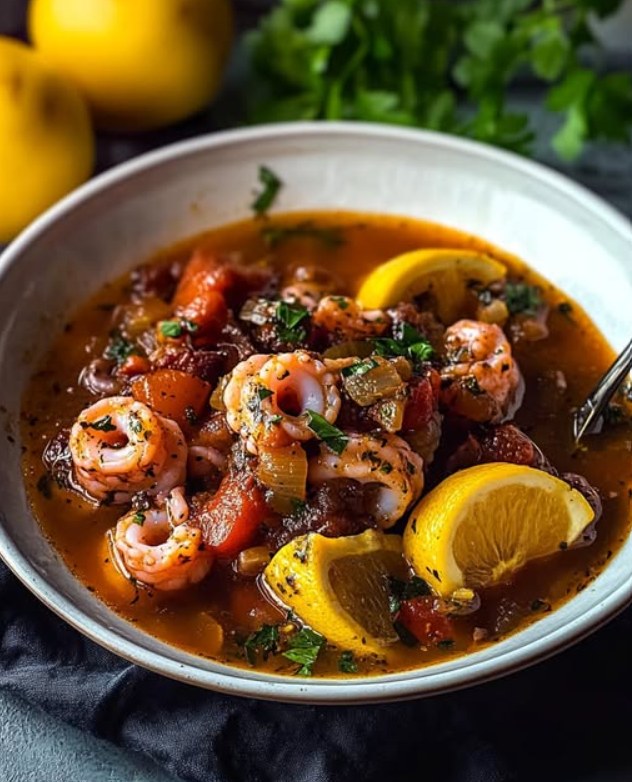
Why You Need to Try This Tender Octopus Stew Recipe
Picture this: a cozy dinner table, the smell of garlic and olive oil wafting through the air, and a rich, tomatoey stew brimming with tender octopus. That’s what happened when I first made Polpo alla Luciana, a traditional Neapolitan dish that feels like a warm hug from the Mediterranean. It’s one of those recipes that makes you feel like a kitchen wizard, even though it’s surprisingly easy to pull off. The flavors are bold yet comforting, and the octopus? So tender it practically melts in your mouth. Trust me, once you try this Tender Octopus Stew, you’ll want to make it again and again.
A Taste of Naples: The Story Behind Polpo alla Luciana
This dish hails from the charming fishing village of Santa Lucia in Naples, where seafood is king. Legend has it that local fishermen would prepare Polpo alla Luciana using fresh octopus they caught that day, tossing it into a pot with pantry staples like tomatoes, olives, and capers. I stumbled upon this recipe during a trip to Italy, where a friendly nonna shared her secret tips (spoiler: it involves a lot of love and patience). Back home, I tested it for a family dinner, and let’s just say, my brother-in-law—who claims he doesn’t like seafood—asked for seconds. That’s how good it is!
Why You’ll Love This Recipe
What’s not to love about Tender Octopus Stew? It’s packed with Mediterranean flavors that dance on your taste buds: tangy olives, briny capers, and a kick of heat from chili peppers. Plus, it’s a one-pot wonder, which means less cleanup for you. Whether you’re a seasoned cook or a beginner, this recipe is forgiving and rewarding. The slow simmer transforms tough octopus into silky perfection, and the vibrant red sauce looks stunning on any table. It’s comfort food with a gourmet twist!
Perfect Occasions to Make This Dish
This Tender Octopus Stew is perfect for special occasions like birthdays, anniversaries, or holiday feasts. It’s also a showstopper for dinner parties, especially if you want to impress your guests with something unique. But honestly, you don’t need an excuse. A rainy Sunday afternoon calls for a big bowl of this stew, paired with crusty bread and a glass of red wine. It’s soul-soothing food that brings people together.
Ingredients You’ll Need
- 1 kg of fresh octopus
- 125 ml of extra virgin olive oil
- 400 g of passata (tomato puree)
- 250 g of cherry tomatoes
- 150 g of pitted green and black olives
- 80 g of capers (rinsed if salted)
- 2 dried or fresh chili peppers
- 1 bunch of fresh parsley
- 250 ml of water
- 2 cloves of garlic
- Salt, to taste
Substitution Options
If you can’t find fresh octopus, frozen works just as well—just thaw it overnight in the fridge. Swap cherry tomatoes with canned diced tomatoes if needed. For a milder flavor, use fewer chili peppers or omit them entirely. If you’re out of parsley, basil or cilantro can add a fresh touch. And while extra virgin olive oil is ideal, regular olive oil will do in a pinch.
Step 1: Preparing the Octopus
Start by cleaning your octopus. Flip the head inside out, remove the beak at the center of the tentacles, and cut away the eyes using a sharp knife. Rinse thoroughly under cold water, scrubbing the suction cups to get rid of any sand. Don’t worry if it feels a bit slimy—it’s supposed to! Once cleaned, pat it dry with paper towels. Pro tip: freezing the octopus for a few hours before cooking helps tenderize it naturally.
Step 2: Sautéing the Garlic
In a large pot, heat the olive oil over medium heat. Add the whole garlic cloves and let them sizzle gently for about 2 minutes until golden. Be careful not to burn them; burnt garlic tastes bitter and ruins the dish. Once fragrant, you can remove the cloves if you prefer a subtler garlic flavor. The oil now carries their essence, ready to infuse every bite of your Tender Octopus Stew.
Step 3: Adding Olives, Capers, and Chilies
Next, toss in the olives, capers, and chili peppers. Stir them around in the garlicky oil for a couple of minutes until the aromas start to mingle. The olives will release their juices, creating a savory base for the sauce. Imagine the colors here: deep green olives, tiny specks of capers, and fiery red chilies against the golden oil. It’s a feast for the eyes before it even hits the plate.
Step 4: Building the Tomato Sauce
Add the cherry tomatoes and passata to the pot. Stir everything together, letting the tomatoes soften slightly. Pour in the water to create a luscious sauce. Let it simmer gently for a few minutes until the liquid begins to bubble. This step is all about layering flavors, so take a moment to inhale the incredible aroma rising from the pot. Chef’s tip: Crush the cherry tomatoes slightly with the back of a spoon to release more juice.
Step 5: Cooking the Octopus
Nestle the octopus into the sauce, turning it several times to coat it evenly. Cover the pot with a lid and let it simmer on low heat for 50–60 minutes. Keep an eye on it, adding a splash of water if the sauce thickens too much. As the octopus cooks, it will turn a beautiful reddish hue, absorbing all the delicious flavors. Patience is key here—the longer it simmers, the more tender it becomes.
Step 6: Final Touches
Once the octopus is fork-tender, taste the sauce and adjust the seasoning. Remember, the olives and capers already bring plenty of saltiness, so go easy on the salt. Remove the lid for the last 15 minutes to reduce the sauce slightly. Just before serving, sprinkle freshly chopped parsley over the stew for a burst of color and freshness. Serve hot with slices of toasted bread to soak up every drop.
Timing Breakdown
- Preparation Time: 15 minutes
- Cooking Time: 1 hour 10 minutes
- Total Time: 1 hour 25 minutes
Chef’s Secret
For an authentic touch, add a splash of white wine to the sauce after sautéing the garlic. Let it reduce for a minute before adding the tomatoes. This trick enhances the depth of flavor and gives your Tender Octopus Stew a restaurant-quality finish.
Fun Fact About Octopus
Did you know octopuses have three hearts? Two pump blood to the gills, while the third pumps it to the rest of the body. When they swim, the heart that delivers blood to the body stops beating, which is why they prefer crawling to conserve energy. Fascinating, right?
Necessary Equipment
- Large pot with a lid
- Sharp knife
- Cutting board
- Wooden spoon
- Measuring cups and spoons
Storage Tips
This Tender Octopus Stew tastes even better the next day as the flavors continue to meld. Store leftovers in an airtight container in the fridge for up to 3 days. Reheat gently on the stovetop, adding a little water to loosen the sauce if needed. For longer storage, freeze portions in freezer-safe bags for up to 3 months. Thaw overnight in the fridge before reheating.
If you plan to serve it later, keep the parsley separate and sprinkle it just before serving to maintain its vibrant color and freshness. Avoid microwaving the stew directly from frozen, as uneven heating can affect texture.
To ensure food safety, always cool the stew completely before refrigerating or freezing. Divide it into smaller containers to speed up cooling and prevent bacterial growth.
Tips and Advice
- Use a heavy-bottomed pot to prevent burning.
- Don’t rush the simmering process—it’s crucial for tenderizing the octopus.
- Taste as you go to balance the salty, spicy, and tangy elements.
- Toast your bread lightly for maximum crunch when serving.
Presentation Ideas
- Serve in shallow bowls with a drizzle of olive oil on top.
- Garnish with extra parsley or a sprinkle of chili flakes for drama.
- Pair with a crisp green salad for contrast.
Healthier Alternatives
Here are six ways to lighten up your Tender Octopus Stew:
- Low-Sodium Option: Use low-sodium passata and rinse the olives and capers thoroughly.
- Less Oil: Reduce the olive oil to 60 ml without sacrificing flavor.
- Vegetarian Twist: Replace octopus with mushrooms for a meaty texture.
- Gluten-Free Bread: Serve with gluten-free toast for dipping.
- Spice Control: Skip the chilies or use mild paprika instead.
- Herb Boost: Add spinach or kale for extra nutrients.
Mistake 1: Overcooking the Garlic
Burning the garlic is a common blunder that leaves a bitter taste in the stew. To avoid this, keep the heat medium-low and watch closely as the cloves turn golden. Remove them promptly once they’re fragrant. Pro tip: Smash the garlic cloves lightly to release more flavor without needing to chop them.
Mistake 2: Skipping the Cleaning Step
Some folks skip cleaning the octopus properly, which can leave gritty bits in the stew. Always rinse the tentacles thoroughly and check for sand in the suction cups. Taking these extra minutes ensures a smooth, enjoyable eating experience.
Mistake 3: Rushing the Simmer
Simmering is essential for breaking down the octopus fibers. Cutting the cooking time short results in chewy, rubbery octopus. Stick to the recommended 50–60 minutes, and trust the process. Your patience will pay off with melt-in-your-mouth results.
Mistake 4: Overseasoning
The olives and capers pack a salty punch, so adding too much salt can overpower the dish. Start with a conservative amount and adjust only if needed. A squeeze of lemon juice at the end can brighten the flavors without extra sodium.
Mistake 5: Forgetting Fresh Herbs
Fresh parsley adds a pop of color and freshness that ties the dish together. Leaving it out makes the stew look dull and taste flat. Chop it finely and sprinkle it generously just before serving for maximum impact.
FAQ: Can I Use Frozen Octopus?
Absolutely! In fact, freezing octopus helps break down its tough fibers, making it more tender. Just thaw it completely in the fridge before cooking. If you buy pre-frozen octopus, there’s no need to refreeze it—simply move straight to preparation.
FAQ: How Do I Know When the Octopus Is Done?
The octopus should feel soft and easily pierced with a fork. If it still feels firm, give it another 10–15 minutes of simmering. Remember, the texture improves the longer it cooks, so err on the side of caution.
FAQ: Can I Make This Ahead of Time?
Yes, this stew tastes amazing when made ahead. Allow it to cool completely, then store it in the fridge. Reheat gently on the stovetop before serving. The flavors deepen overnight, making it a great option for meal prep.
FAQ: What Wine Pairs Well With This Dish?
A light-bodied red wine like Chianti or Pinot Noir complements the rich, savory flavors of the stew. For white wine lovers, a crisp Sauvignon Blanc works beautifully too. Cheers to pairing perfection!
FAQ: Is This Recipe Spicy?
It can be, depending on how many chili peppers you use. Adjust the quantity to suit your spice tolerance. If you’re unsure, start with one chili and taste as you go. You can always add more heat but can’t take it away!
FAQ: Can I Double the Recipe?
Of course! Simply double all the ingredients and use a larger pot to accommodate the increased volume. Doubling is perfect for feeding a crowd or stocking up on leftovers.
FAQ: Why Does My Sauce Look Watery?
If the sauce seems thin, uncover the pot during the last 15 minutes of cooking to let excess liquid evaporate. Alternatively, mix a teaspoon of cornstarch with water and stir it into the stew for quick thickening.
FAQ: Can I Use Dried Herbs Instead of Fresh?
While fresh herbs provide the best flavor, dried parsley or oregano can work in a pinch. Use about half the amount called for since dried herbs are more concentrated.
FAQ: What Bread Goes Best With This Stew?
Crusty Italian bread or baguette slices are ideal for soaking up the flavorful sauce. Grill or toast them lightly for added texture. Gluten-free options like rice crackers also pair nicely.
FAQ: How Do I Prevent the Octopus From Curling?
To stop the octopus from curling, score the underside of the tentacles lightly with a knife before cooking. This technique relaxes the muscles and keeps the pieces flat in the stew.
There you have it—a complete guide to mastering Tender Octopus Stew. Whether you’re cooking for loved ones or treating yourself, this dish promises unforgettable flavors and memories. Happy cooking!
Tender Octopus Stew
Ingredients
Equipment
Method
- Clean the octopus by removing the beak, eyes, and rinsing thoroughly under cold water.
- Heat olive oil in a large pot over medium heat and sauté the whole garlic cloves until golden.
- Add the olives, capers, and chili peppers to the pot, stirring for a couple of minutes.
- Incorporate the cherry tomatoes and passata, stir well, and then add the water.
- Nestle the cleaned octopus into the sauce, cover, and simmer on low heat for 50–60 minutes.
- Once the octopus is fork-tender, adjust seasoning and let simmer uncovered for the last 15 minutes.
- Serve hot, garnished with freshly chopped parsley and accompanied by toasted bread.