
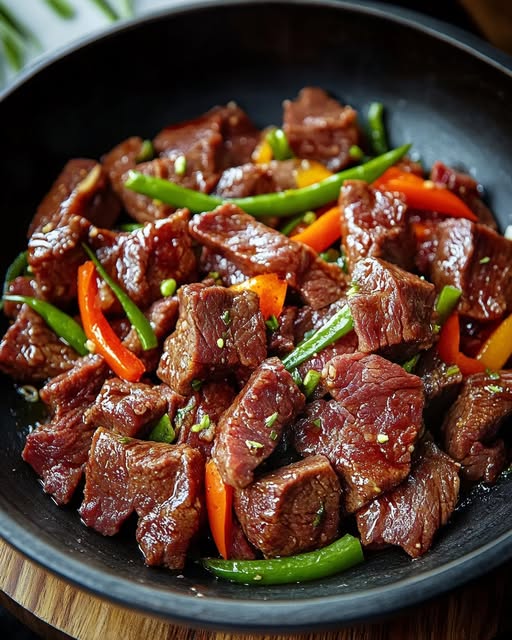
Unlock the Secret to a Perfect Mongolian Beef Delight
Have you ever ordered takeout and thought, “I wish I could make this at home”? I certainly have. That’s exactly what sent me on a mission to perfect my Mongolian Beef recipe. After many tasty (and a few too-salty!) trials, I landed on this version. It’s my family’s favorite weeknight hero. Tender strips of beef, crisp peppers, and a sauce that’s the perfect balance of savory, sweet, and just a hint of spice – it’s a Mongolian Beef Delight that beats any restaurant!
A Story of Sizzling Woks and Sweet Sauces
Let’s be honest: this dish is a star of American Chinese cuisine, and its story is as rich as its flavor. While inspired by Mongolian traditions of using meat and scallions, the version we love is a beautiful product of cultural fusion. The magic lies in the technique of quickly searing velveted beef and tossing it in that glossy, addictive sauce. My modern twist keeps things simple for the home cook without losing any of the deep, caramelized goodness that makes it so special.
Why Your Family Will Adore This Mongolian Beef
This isn’t just another stir-fry. First, it comes together faster than you can get delivery. Second, that cornstarch coating on the beef is a game-changer for ultra-tender bites. Third, the sauce? It’s a magical trio of soy, brown sugar, and ginger that you’ll want to pour over everything. It’s a crowd-pleaser that looks and tastes like you spent all day in the kitchen, but our little secret is safe!
When to Whip Up This Flavorful Feast
This recipe is your new culinary best friend. It’s perfect for busy weeknights when you need something satisfying FAST. It’s also a fantastic dish for casual entertaining—double the batch and watch it disappear from a big platter. Serve it for a fun “fakeaway” Friday night, or make it to brighten up a dreary day. It brings everyone to the table with a smile.
What You’ll Need for Your Mongolian Beef Delight
Gathering your ingredients is the first step to success. Here’s your shopping list for this flavorful adventure:
- 900 g beef flank steak, sirloin, or stew meat – trimmed of excess fat and thinly sliced against the grain.
- 1/2 cup cornstarch – for that essential crispy, velvety coating.
- 1/2 cup neutral oil – like vegetable or avocado oil, for frying.
- 4 green onions – green parts only, cut into 5 cm pieces.
- 3 bell peppers – sliced into strips (use any colors you like!).
- 1 large onion – cut into 1/4-inch thick half-moons.
For the Legendary Mongolian Sauce:
- 2 tsp ginger powder (or double for fresh grated ginger).
- 4-5 garlic cloves, finely minced.
- 1/2 cup low-sodium soy sauce.
- 1/2 cup water.
- 1/2 cup brown sugar.
- 1 tsp Sriracha sauce (adjust for your preferred heat level).
No Problem! Handy Ingredient Swaps
Don’t have every item? No worries! Cooking is about flexibility.
- Beef: Chicken breast or thigh strips work wonderfully for a Mongolian Chicken variation.
- Cornstarch: Potato starch or arrowroot powder are great gluten-free alternatives.
- Soy Sauce: Use tamari for a gluten-free option, or coconut aminos for a slightly sweeter, soy-free taste.
- Bell Peppers: Swap in sliced mushrooms, broccoli florets, or snap peas.
- Brown Sugar: Honey or maple syrup can be used, but add them at the end to prevent burning.
Cooking Your Masterpiece: Step-by-Step
Step 1: Coating the Beef
Place your thinly sliced beef and the cornstarch into a large ziplock bag. Seal it tightly and give it a good, energetic shake. You want every single piece of beef to be lightly but completely dusted in that cornstarch. This thin layer is what will create a delicate crispness and seal in the juices when it hits the hot oil. Pro tip: Do this step just before cooking to prevent the cornstarch from getting gummy.
Step 2: Sautéing the Veggies
Heat a large pan or wok over high heat. Add enough oil to coat the bottom. When the oil shimmers, add your colorful bell pepper strips. You’ll hear a satisfying sizzle. Stir-fry them for 3-4 minutes just until they get a few charred spots and soften slightly. Remove them to a bowl. Next, add the onions to the same pan. Let them cook for a few minutes to caramelize at the edges, gaining a touch of sweetness. Scoop them out to join the peppers.
Step 3: Searing the Beef to Perfection
Add the remaining oil to the pan. Take your cornstarch-dusted beef and shake off any excess powder. Now, cook the beef in a single layer, in batches if needed. Don’t crowd the pan! Overcrowding steams the meat instead of searing it. We want a quick, 60-second sear per side until it’s just cooked through and has a gorgeous golden-brown crust. Transfer each perfect batch to a clean plate. Chef’s tip: Let the pan reheat between batches for the best sear.
Step 4: Whipping Up the Magic Sauce
Carefully pour out most of the oil from the pan, leaving behind all those delicious browned bits. Those bits are pure flavor gold! To the pan, add the soy sauce, water, brown sugar, ginger, and that wonderful minced garlic. Bring it all to a boil, using your spoon to scrape up every last bit of flavor from the pan bottom. Let it bubble and reduce for 1-2 minutes until it slightly thickens. Now stir in the Sriracha for that gentle kick.
Step 5: The Grand Final Assembly
Return all the seared beef to the pan with the glorious sauce. Toss and stir until every piece is glistening and coated. Let it simmer together for a minute so the sauce can cling to the beef. Finally, add back your vibrant peppers, onions, and the fresh green onion pieces. Give everything one big, final stir to heat the vegetables through. The aroma at this point is absolutely incredible!
Timing is Everything
Good news for your busy schedule! This dish is designed for efficiency.
- Prep Time: 10 minutes (slicing and coating).
- Cook Time: 20 minutes (quick, high-heat cooking).
- Total Time: Just about 30 minutes from start to finish.
- Servings: This recipe generously serves 4-6 people, especially with rice.
Chef’s Secret for the Best Mongolian Beef
The absolute key is slicing the beef against the grain. Look for the long lines running through the meat (the grain), and cut perpendicular to them. This shortens the muscle fibers, making each bite melt-in-your-mouth tender instead of tough and chewy. It’s a simple trick with a huge payoff!
A Fun Fact About That “Mongolian” Flavor
While the name evokes images of nomadic plains, this dish is a classic example of Chinese-American innovation. The cooking method of stir-frying over intense heat is centuries old, but the specific sweet-and-salty sauce profile became a hit in Western restaurants. It’s a beautiful blend of tradition and tasty adaptation that we all get to enjoy.
Your Kitchen Toolbox
You don’t need fancy gear! A few basics will do:
- A large, heavy-bottomed skillet, wok, or cast-iron pan.
- A sharp chef’s knife for easy slicing.
- Cutting board.
- Measuring cups and spoons.
- A few mixing bowls for staging ingredients.
- Tongs or a sturdy wooden spoon for stirring.
Keeping Your Leftovers Tasty
Let your Mongolian Beef cool completely before storing. Transfer it to an airtight container. It will keep in the refrigerator for up to 3-4 days. The sauce may thicken as it chills, which is perfectly normal.
To reheat, I recommend using a skillet over medium-low heat. Add a tiny splash of water or broth to loosen the sauce back up. Stir gently until heated through. You can also use the microwave, but be sure to cover it and reheat in short bursts, stirring in between.
I do not recommend freezing this dish. The cornstarch-coated beef and the vegetables can become watery and lose their pleasing texture when thawed. It’s best enjoyed fresh or within a few days.
Pro Tips for a Flawless Dish
- Mise en place: Have all your ingredients sliced, measured, and ready to go before you turn on the stove. Stir-frying moves fast!
- High heat is your friend: Don’t be afraid of a hot pan. It’s what gives you that restaurant-style sear and avoids soggy beef.
- Taste as you go: Before adding the Sriracha, taste the sauce. Adjust the sweetness or saltiness to your personal preference.
- Dry your beef: Pat the beef slices dry with a paper towel before coating with cornstarch for the best adhesion.
Make It Look Like a Million Bucks
We eat with our eyes first! Serve your Mongolian Beef Delight in a wide, shallow bowl over a fluffy mound of white rice. Garnish with an extra sprinkle of sliced green onions or a few sesame seeds for color and crunch. For a family-style meal, pour the whole delicious mixture into a large, colorful serving platter and let everyone dig in. It also pairs wonderfully with other Asian-inspired dishes for a feast, like a rich Cajun Salmon and Shrimp or a comforting Cod and Shrimp Stew.
Mix It Up! Healthier & Fun Variations
Love the base recipe? Try these six tasty twists:
- Mongolian Chicken: Swap beef for thin chicken strips. Cook until no longer pink inside.
- Extra Veggie Power: Bulk it up with broccoli, carrots, and water chestnuts. Add them after the peppers.
- Spicy Fiery Beef: Double the Sriracha and add a teaspoon of crushed red pepper flakes with the sauce.
- Pineapple Sweet & Sour: Add 1 cup of fresh pineapple chunks with the vegetables for a tropical twist.
- Ground Beef Mongolian: Use lean ground beef. Brown it completely, then add the sauce and simmer.
- “Zoodle” Bowl: Serve the beef and sauce over spiralized zucchini noodles (zoodles) for a low-carb option.
Common Mistakes to Avoid
Mistake 1: Slicing With the Grain
This is the top reason for tough, chewy beef. When you slice with the grain, you’re leaving the long muscle fibers intact. Your teeth have to work through each long, stringy piece. Always take a moment to identify the direction of the lines in the meat and cut straight across them. This makes the fibers short and tender.
Mistake 2: Crowding the Pan with Beef
It’s tempting to add all the beef at once, but patience pays off. Adding too much meat drops the pan temperature dramatically. Instead of a quick, hot sear, the beef sweats and boils in its own juice. This leads to a gray, steamed texture without any crispy edges. Cook in batches for the best quality, similar to getting a good sear when roasting meats in the oven.
Mistake 3: Overcooking the Sauce
The sauce should be glossy and coat the back of a spoon, not thick as paste. If you reduce it for too long, the sugar can over-caramelize and burn, creating a bitter taste. Once you add the sauce ingredients, let it boil for just 1-2 minutes before adding the beef back in. It will continue to thicken when you combine everything.
Mistake 4: Using the Wrong Cut of Beef
Choosing a cut that’s too lean or meant for slow cooking can result in dry beef. Flank, sirloin, or even well-trimmed chuck roast are great because they have enough flavor and fat to stay juicy during quick cooking. Avoid pre-cut “stew meat” if the pieces are thick and chunky—they won’t cook through quickly enough.
Frequently Asked Questions
Can I make Mongolian Beef gluten-free?
Absolutely! This recipe is very easy to adapt. Simply replace the regular soy sauce with tamari (ensure it’s a gluten-free brand) or coconut aminos. Also, double-check that your cornstarch is pure, as it is naturally gluten-free. That’s all it takes to create a delicious gluten-free Mongolian Beef Delight that everyone can enjoy.
What is the best rice to serve with this dish?
Jasmine or white long-grain rice is the classic and perfect pairing. The light, fluffy texture and subtle fragrance of jasmine rice absorb the savory sauce beautifully. You can also use brown rice for a whole-grain option, or even cauliflower rice for a low-carb meal. The goal is to have a mild base that lets the beef shine.
How do I slice beef thin without it being difficult?
Here’s a simple trick: pop the beef in the freezer for about 20-30 minutes before you plan to slice it. It firms up the meat just enough to make slicing thin, even strips much easier. Always use a sharp knife, and remember to cut against the grain for maximum tenderness.
Can I prepare any parts of this recipe ahead of time?
Yes, you can do some prep to save time. Slice the beef and vegetables a few hours ahead. Keep them stored separately in the fridge. You can also mix the sauce ingredients in a bowl ahead of time. When you’re ready to cook, just coat the beef in cornstarch and start stir-frying!
Is Mongolian Beef supposed to be spicy?
The traditional version is not typically very spicy; it’s more known for its sweet and salty profile. The spice level is completely customizable. The recipe includes Sriracha as an optional add-in. Start with a little, taste, and add more until it’s perfect for your palate. You can leave it out entirely for a mild dish.
My sauce didn’t thicken. What went wrong?
This usually happens if the cornstarch was shaken off the beef too thoroughly before cooking, or if the sauce wasn’t brought to a proper boil. The cornstarch from the beef and the reduction of the sauce work together to thicken it. If it’s too thin, mix 1 teaspoon of cornstarch with 1 tablespoon of cold water and stir it into the simmering sauce until it thickens.
Can I use frozen vegetables?
You can, but fresh is highly recommended for the best texture. Frozen peppers and onions will release a lot of water when cooked, which can make your dish watery and prevent proper searing. If you must use frozen, thaw them completely and pat them very dry with paper towels before adding to the hot pan.
What’s the difference between this and Pepper Steak?
Great question! While both have beef and peppers, Mongolian Beef has a sweeter, stickier glaze made with brown sugar and soy. Pepper Steak often uses a more savory, tomato-based or broth-based sauce with ginger and sometimes includes other vegetables like tomatoes.
How can I make this dish less sweet?
If you prefer a more savory profile, simply reduce the amount of brown sugar. Start by cutting it to 1/4 cup and taste the sauce. You can always add a bit more if needed. You can also balance it with an extra splash of low-sodium soy sauce.
What other proteins work well with this Mongolian sauce?
This sauce is incredibly versatile! It’s fantastic with chicken, pork tenderloin slices, firm tofu, or even shrimp. The cooking method remains the same: quickly cook your protein, remove it, make the sauce, and combine. It’s a master sauce you’ll use again and again, just like the rich flavors in a classic Italian Chicken Cacciatore.
And there you have it! With this recipe, you’re all set to create a stunning, restaurant-quality meal any night of the week. For more inspiring ideas that will become family favorites, be sure to explore all our delicious main dish recipes. Happy cooking, and enjoy every bite of your homemade Mongolian Beef Delight!
Mongolian Beef Delight
Ingredients
Equipment
Method
- Place thinly sliced beef and cornstarch into a large ziplock bag, seal, and shake to coat.
- Heat a large pan or wok over high heat and add enough oil to coat the bottom.
- Add bell pepper strips to the hot oil and stir-fry for 3-4 minutes until softened and charred, then remove to a bowl.
- Add onions to the same pan and cook until caramelized, then remove to join the peppers.
- Add remaining oil to the pan, then sear the coated beef in batches for about 60 seconds per side until golden brown, transferring each batch to a clean plate.
- Pour out most oil from the pan, leaving browned bits, then add soy sauce, water, brown sugar, ginger, and garlic. Bring to boil and reduce sauce for 1-2 minutes.
- Return seared beef to the pan, stir to coat with sauce, and let simmer for a minute.
- Add back the peppers, onions, and fresh green onion, and stir to heat everything through.