
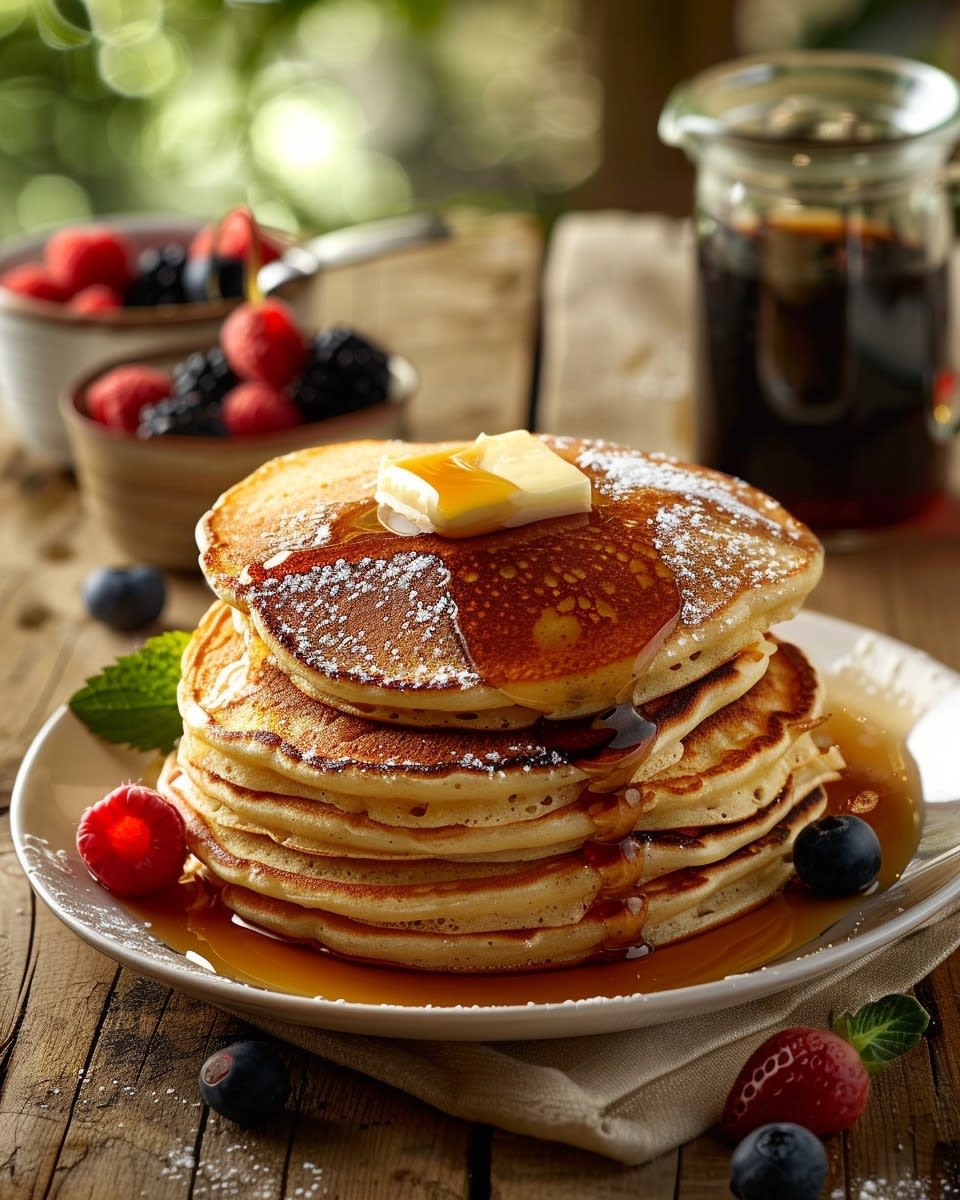
I still remember the first time I flipped a perfectly golden pancake in my grandmother’s kitchen. I was seven years old, standing on a wobbly step stool, and the moment that fluffy disc landed back in the pan without breaking, I felt like a kitchen superhero. That morning sparked a lifelong love affair with pancakes that has followed me into adulthood. Now, as a devoted pancake enthusiast, I’ve tested dozens of recipes, ruined countless batches, and finally mastered the art of creating the fluffiest buttermilk pancakes you’ll ever taste.
Buttermilk pancakes are an American breakfast staple, and for good reason. These tender, pillowy stacks have been gracing breakfast tables across the USA for generations. What makes them special is their incredible texture – light, airy, and melt-in-your-mouth soft. Unlike regular pancakes, buttermilk versions have a subtle tang that perfectly balances their sweetness. They’re the kind of breakfast that turns an ordinary morning into something memorable.
I’m excited to share my favorite recipe and the secrets I’ve learned over years of pancake making. You’ll discover why some batches turn out thick and fluffy while others fall flat. I’ll walk you through every step, from choosing the right ingredients to mastering your flipping technique. By the end of this guide, you’ll be making pancakes that rival any diner or restaurant.
Understanding the Fluffiest Buttermilk Pancakes
The magic behind truly fluffy pancakes comes down to science, but don’t worry – you don’t need a chemistry degree to master them. What makes buttermilk pancakes fluffy is all about creating tiny air pockets throughout the batter. These air bubbles expand when they hit the hot griddle, lifting the pancake up and creating that signature fluffy texture we all crave.
Buttermilk plays a starring role in this process. This tangy liquid isn’t just regular milk that’s gone bad (a common misconception). Real buttermilk is slightly acidic, and this acidity is the secret weapon in your pancake arsenal. When buttermilk meets the other ingredients, it starts a chemical reaction that’s essential for fluffiness. The acid in buttermilk also makes the gluten in flour more tender, which means your pancakes won’t be tough or chewy.
I learned this lesson the hard way years ago when I tried substituting regular milk in my recipe. The pancakes came out dense and rubbery – nothing like the clouds of deliciousness I was aiming for. Since then, I never skip the buttermilk. If you’re ever in a pinch without buttermilk, you can make a quick substitute by adding a tablespoon of lemon juice or vinegar to regular milk. Let it sit for five minutes, and you’ve got a decent stand-in.
The next crucial players are your leavening agents – baking powder and baking soda. These ingredients are what actually create those air bubbles I mentioned earlier. Baking soda needs an acid to activate, which is where our buttermilk comes in handy. When they meet, they produce carbon dioxide gas that gets trapped in the batter. Baking powder works a bit differently because it contains its own acid. It starts working as soon as it gets wet, then gives a second boost of lift when heated.
Most recipes for american buttermilk pancakes use both leavening agents together. This double-action approach gives you maximum fluffiness. I use about a teaspoon of baking soda and two teaspoons of baking powder for every two cups of flour. Getting this ratio right makes the difference between pancakes that puff up beautifully and ones that stay disappointingly flat.
Here’s something important I wish someone had told me earlier: your leavening agents lose their power over time. I once couldn’t figure out why my pancakes suddenly stopped rising properly. Turns out my baking powder was over a year old and had lost its oomph. Now I replace mine every six months and write the date on the container. A simple test – drop a bit of baking powder in hot water. If it fizzes actively, it’s still good.
Some home cooks prefer using buttermilk pancakes with self rising flour as a shortcut. Self-rising flour already contains baking powder and salt mixed in, which can simplify your recipe. I’ve tried this method several times, and it works well if you’re in a rush. Just remember that you’ll need to adjust the other leavening agents in your recipe, or you might end up with pancakes that taste slightly metallic from too much baking powder. When using self-rising flour, I typically skip the baking powder and just add a half teaspoon of baking soda to react with the buttermilk’s acidity.
The history of american buttermilk pancakes is pretty fascinating. Native Americans were making flatbreads long before European settlers arrived, but the fluffy pancakes we know today came about in the 1800s. When chemical leavening agents became widely available, pancakes transformed from dense, thin cakes into the fluffy stacks we love. Buttermilk was common in American households back then because it was a byproduct of butter making. Cooks discovered that this leftover liquid made pancakes incredibly tender and delicious.
By the early 1900s, pancake houses started popping up across America. Recipes varied from region to region, with some families guarding their techniques like state secrets. My own recipe combines elements from several classic American versions. I’ve borrowed techniques from famous recipes like buttermilk pancakes martha stewart has shared, studied the methods behind ihop buttermilk pancakes, and even tried approaches from buttermilk pancakes alton brown and buttermilk pancakes nigella have published.
What I’ve found is that the fluffiest buttermilk pancakes come from understanding a few key principles. Temperature matters – your buttermilk and eggs should be at room temperature for better mixing. Lumpy batter is actually a good thing – overmixing develops gluten and makes pancakes tough. And resting your batter for five to ten minutes before cooking gives those leavening agents time to start working their magic.
Whether you’re making buttermilk pancakes for two for a romantic breakfast or feeding a hungry crowd, these principles stay the same. The beauty of a good pancake recipe is how easily it scales up or down. I’ve made single servings on busy weekday mornings and doubled the recipe for weekend brunches with friends.


Top Recipes for Fluffy Buttermilk Pancakes
After years of experimenting with these principles, I’ve naturally gravitated toward studying how the masters do it. Each celebrated chef or brand brings their own spin to the classic recipe, and honestly, there’s so much to learn from their approaches.
Martha Stewart’s Classic Buttermilk Pancakes
I have to admit, when I first tried buttermilk pancakes martha stewart style, I was skeptical. Would a recipe from someone so famous for perfection actually work in my regular, not-so-fancy kitchen? Turns out, her approach is surprisingly down-to-earth and produces consistently excellent results.
Martha’s method starts with separating your eggs – something I used to think was just for fancy baking. The whites get beaten until they form soft peaks, then folded into the batter at the very end. This extra step might seem fussy, but it adds incredible airiness. I tried it on a Sunday morning last month, and my husband actually asked if I’d changed my recipe entirely. The pancakes were that noticeably lighter.
Her recipe calls for the standard buttermilk, flour, sugar, and leavening agents, but she adds melted butter directly into the batter rather than just greasing the pan. This creates a richer flavor that reminds me of those pancakes you’d get at an old-fashioned diner. The temperature control in her instructions is specific too – she recommends a 350°F griddle, which I’ve found produces the most even browning.
Here’s what makes Martha’s version special: she emphasizes not overworking the batter. Mix just until the dry ingredients are moistened, even if there are lumps. Those lumps will disappear during cooking, and you’ll avoid the dreaded tough pancake syndrome. If you’re someone who also enjoys quick breakfast options, you might want to check out overnight oats with blueberries and chia seeds for busy mornings when you don’t have time for the full pancake experience.
Alton Brown’s Scientific Approach
Now, if Martha Stewart is about refined technique, Alton Brown is all about understanding the why behind everything. His buttermilk pancakes alton brown recipe reads like a chemistry lesson, and I mean that in the best possible way. The man explains exactly what each ingredient does and why it matters.
Alton’s recipe introduces something I hadn’t considered before – he melts the butter, then lets it cool slightly before adding it to the wet ingredients. This prevents the butter from cooking the eggs when they mix together. Small detail, massive difference. I used to just dump melted butter straight in, and sometimes I’d get these weird little cooked egg bits in my batter. Problem solved.
His ratio of baking soda to baking powder is different from most recipes. He uses slightly more baking soda, which creates a deeper reaction with the buttermilk’s acidity. The result? Pancakes that brown beautifully and have an almost cake-like crumb. He also insists on sifting the dry ingredients together twice. I’ll be honest – I skip this step when I’m half-asleep on weekday mornings, but when I do follow it, the texture is noticeably more uniform.
Funny enough, Alton recommends letting your batter rest for exactly ten minutes. Not five, not fifteen – ten. He explains that this resting period allows the flour to fully hydrate and the gluten to relax. I’ve tested different resting times, and he’s right. Ten minutes seems to hit that sweet spot where the batter thickens just enough without becoming too stiff.
One technique from his recipe that changed my pancake game: he uses a light hand when flipping. Wait until bubbles form on the surface and the edges look set, then use a thin, flexible spatula to flip in one confident motion. No peeking underneath multiple times, no pressing down on the pancake. Just flip and leave it alone. This patience was hard for me to learn initially, but it prevents deflating those precious air pockets you’ve worked so hard to create.
IHOP’s Famous Buttermilk Pancakes
Let’s talk about ihop buttermilk pancakes for a minute. These are the pancakes that set the standard for countless Americans. I’ve eaten at IHOP more times than I can count, usually during road trips or lazy Sunday brunches, and their pancakes have this distinctive quality that’s hard to replicate at home.
The secret to IHOP-style pancakes isn’t just one thing – it’s a combination of factors. First, they’re thicker than most homemade versions. IHOP uses a batter that’s been specifically formulated to spread less on the griddle, creating those tall, substantial pancakes. To recreate this at home, I use slightly less liquid than most recipes call for. My batter should pour but not run quickly.
Another IHOP trick I’ve learned: they add a touch of vanilla extract. It’s not listed in most traditional recipes, but that hint of vanilla adds warmth and depth. I use about half a teaspoon per batch, and it makes a noticeable difference. They also cook their pancakes on a well-seasoned, properly heated griddle. If you’re making buttermilk pancakes for two on a regular frying pan, make sure it’s fully preheated before your first pancake hits the surface.
The cooking temperature at IHOP is lower than you might think. They go for a steady, moderate heat that allows the inside to cook through before the outside gets too dark. I’ve found that medium-low heat works best for thicker pancakes. Higher heat might give you pretty golden outsides, but the centers can stay gummy. Just like with protein-packed cottage cheese pancakes, patience during cooking makes all the difference in texture.
Here’s something interesting: IHOP serves their pancakes immediately. They don’t stack them and keep them warm in the oven, which is what many home cooks do. Pancakes are actually at their fluffiest right off the griddle. They start to compress slightly as they cool. So if you’re trying to achieve that IHOP experience, serve them straight from the pan to the plate.
Nigella’s Indulgent Version
Nigella Lawson approaches buttermilk pancakes nigella style with her signature indulgence and lack of pretension. I adore her cooking philosophy – make it delicious, don’t stress too much, and enjoy the process. Her pancake recipe reflects this perfectly.
What sets Nigella’s version apart is her generous use of butter and her willingness to embrace richness. While some recipes try to lighten things up, Nigella goes the opposite direction. She uses both melted butter in the batter and additional butter for cooking. The result is pancakes with crispy, lacy edges and an incredibly tender interior. These aren’t diet food, but then again, the fluffiest buttermilk pancakes shouldn’t be.
She also adds a pinch of salt that’s more pronounced than in most recipes. This might seem counterintuitive for a sweet breakfast item, but salt enhances all the other flavors. It makes the slight tang of the buttermilk more noticeable and balances the sweetness from any syrup or toppings you add later. I’ve started being more generous with salt in my batches, and it really does make everything taste more alive.
Nigella doesn’t overthink the mixing process. She basically dumps everything together and gives it a good stir. No fussy egg separation like Martha, no precise timing like Alton. Just mix it, rest it briefly, and cook it. There’s something liberating about her approach, especially on mornings when you want something special but don’t want to feel like you’re following a laboratory protocol.
One detail from her recipe I’ve adopted: she suggests heating your serving plates. Warm plates keep the pancakes at the perfect temperature while you’re cooking the rest of the batch. I just pop mine in a 200°F oven while I’m preparing the batter. It’s such a simple touch, but it makes breakfast feel more restaurant-quality.
By the way, if you’re looking for other breakfast options that pair wonderfully with pancakes for a weekend brunch spread, consider adding banana peanut butter overnight oats to your menu. The combination of warm pancakes and cool, creamy oats offers nice contrast.
What I’ve learned from studying these various approaches is that there’s no single “correct” way to make american buttermilk pancakes. Martha’s technique-driven method produces elegant results. Alton’s scientific approach helps you understand what you’re actually doing. IHOP’s commercial success proves their method works for mass appeal. And Nigella’s relaxed indulgence reminds us that cooking should be enjoyable, not stressful.
I’ve borrowed elements from all of them in my own recipe. Sometimes I separate the eggs when I’m feeling fancy. Other mornings I channel Nigella and just throw everything together. If I’m testing a new variation or trying to troubleshoot a problem, I think like Alton and consider the science. And when I want that classic American diner experience, I channel IHOP’s approach. Even when trying completely different recipes like grilled Mediterranean veggie skewers, I apply the same principle of learning from multiple sources and adapting techniques to my preferences.


Tips for Making Fluffy Buttermilk Pancakes for Two
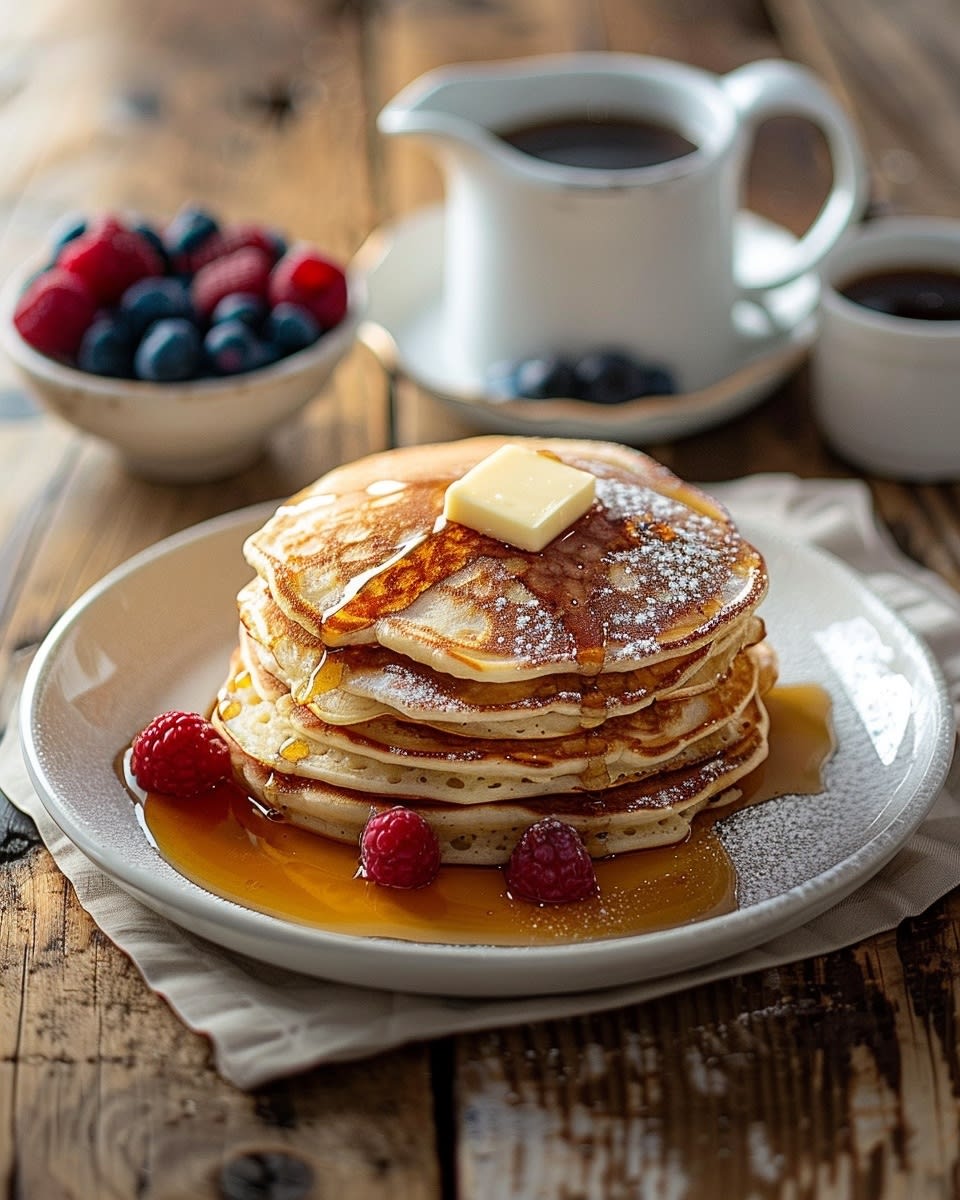
Here’s the thing about making pancakes for just two people – it’s honestly one of my favorite ways to enjoy them. There’s something intimate and special about a small batch breakfast that you don’t get when you’re cooking for a crowd. Over the years, I’ve figured out how to scale down my recipe perfectly without sacrificing any of that fluffiness we’re after.
When I’m making buttermilk pancakes for two, I typically use one cup of flour instead of two. This gives you about six medium-sized pancakes, which is usually three per person – just the right amount. The trick is keeping all your ratios consistent. So if you’re halving the flour, you’ll also halve the buttermilk, eggs, and leavening agents. I use one egg instead of two, and here’s a tip I learned by accident: slightly beaten eggs incorporate more easily into small batches than if you just crack them straight in.
Last Valentine’s Day, I decided to make breakfast in bed for my partner. I set up the coffee maker the night before, arranged fresh strawberries in a nice bowl, and even picked a few flowers from our garden. The pancakes were the centerpiece, and making just enough for two meant I could focus on presentation rather than churning out batch after batch. I cut one pancake into a heart shape using a cookie cutter – cheesy, I know, but it got a smile.
For a more romantic or cozy vibe, timing matters more than you’d think. I prepare everything the night before when I’m planning a special breakfast. I measure out my dry ingredients into a bowl and cover it. I measure the buttermilk into a container and leave it in the fridge. In the morning, I just need to let the buttermilk come to room temperature for about twenty minutes, mix everything together, and start cooking. This prep work means less rushing around and more time to enjoy coffee together while the batter rests.
One challenge with cooking for two is keeping the first pancakes warm while you finish the batch. Nobody wants to sit down to lukewarm, slightly deflated pancakes. My solution is pretty simple: I preheat my oven to its lowest setting, usually around 200°F, and place an oven-safe plate inside. As each pancake comes off the griddle, it goes onto that warm plate. I don’t stack them directly on top of each other though – that traps steam and makes them soggy. Instead, I slightly overlap them in a circle pattern, which keeps them warm while allowing air to circulate.
Another option I’ve used is covering the plate loosely with aluminum foil. This traps just enough heat without creating too much moisture. Some mornings, when I’m feeling particularly attentive, I actually cook the pancakes to order – my partner gets theirs first, then I make mine. We eat together, with mine fresh off the griddle. It requires being okay with a slightly staggered breakfast, but fresh pancakes really are better than kept-warm ones.
By the way, if you’re setting a cozy breakfast scene, think about what else you’re serving alongside. I like having real maple syrup warmed up slightly – it spreads more easily and doesn’t cool down the pancakes. A small dish of softened butter, maybe some fresh berries, and good coffee or tea complete the experience. The small portions mean you can splurge a bit on quality ingredients without breaking the bank.
Common Mistakes to Avoid
After making literally hundreds of batches of fluffy pancakes, I’ve made every mistake possible. Let me save you some frustration by pointing out the biggest pitfalls I’ve encountered.
The number one mistake? Overmixing your batter. I cannot stress this enough. When I first started making pancakes seriously, I thought a smooth, lump-free batter was the goal. Wrong. Those lumps are your friends. When you overmix, you develop the gluten in the flour, which creates tough, rubbery pancakes instead of tender, fluffy ones. Mix just until you can’t see dry flour anymore. Some small lumps should remain, and they’ll cook out perfectly.
Another common error is cooking on too high heat. I get it – you’re hungry and want to speed things up. But high heat gives you burned outsides and raw middles. Medium to medium-low heat is your sweet spot. The first side should take about two to three minutes to cook. If it’s browning faster than that, your heat is too high. I learned this lesson after serving pancakes that looked gorgeous but were basically raw batter in the center. Not my finest moment.
Using old leavening agents is another disaster waiting to happen. Baking powder and baking soda lose potency over time, especially if they’ve been exposed to moisture. I mentioned testing baking powder earlier, but here’s the baking soda test: add a bit to vinegar. If it bubbles vigorously, you’re good. If the reaction is weak or nonexistent, toss it and buy fresh. I now keep my leavening agents in airtight containers with the purchase date written clearly on top.
Flipping too early or too often is something I see people do all the time. You need to wait until bubbles form on the surface of the pancake and the edges look set and slightly dry. This usually takes about two to three minutes on the first side. If you flip too soon, the structure hasn’t set yet, and you’ll end up with a mess. And please, flip only once. Every time you flip, you knock out air and compress the pancake.
Not preheating your cooking surface properly is another issue. Your griddle or pan needs to be evenly heated before you start cooking. I test mine by sprinkling a few drops of water on the surface. If they dance and evaporate quickly, it’s ready. If they just sit there and slowly boil, it’s not hot enough yet. Give it another minute or two.
Here’s a mistake that surprised me when I realized I was making it: pressing down on the pancakes with the spatula. I used to do this thinking it would help them cook faster or more evenly. Actually, it just squeezes out all those air pockets you’ve worked to create. Let them cook undisturbed. Resist the urge to peek underneath multiple times. Trust the process.
Lastly, using cold ingredients can affect your results. Cold eggs and buttermilk don’t incorporate as smoothly, and they can also cool down your batter, affecting how the leavening agents work. I take my buttermilk and eggs out of the fridge about thirty minutes before I plan to mix my batter. If I forget, I’ll put the eggs in a bowl of warm water for five minutes to take the chill off.
Real Mom Kitchen’s Fluffy Buttermilk Pancakes
I stumbled across real mom kitchen fluffy buttermilk pancakes about two years ago when I was searching for family-friendly variations on the classic recipe. What I love about this approach is how practical and unfussy it is – exactly what you’d expect from someone actually cooking for kids on a busy morning.
The Real Mom Kitchen recipe focuses on simplicity without sacrificing results. It uses standard pantry ingredients that most families already have on hand. No specialty flours, no hard-to-find items. Just all-purpose flour, buttermilk, eggs, sugar, baking powder, baking soda, salt, and butter. The measurements are straightforward and easy to remember, which means you can eventually make them without constantly checking the recipe.
One thing that stands out in this recipe is the emphasis on getting kids involved. The instructions are written in a way that makes it easy to delegate tasks. A child can measure dry ingredients, crack eggs (with supervision), or even do the stirring. My niece helped me make these last summer when she was visiting, and she was so proud to have contributed to breakfast. She’s nine years old, and this recipe gave her confidence in the kitchen.
The Real Mom Kitchen version also addresses real-life situations. What if your pancakes stick to the pan? The recipe suggests using a non-stick spray between batches and making sure your pan is properly heated. What if you don’t have buttermilk? There’s a quick substitute right in the instructions. These practical tips show that the creator actually cooks these regularly and has encountered the same problems we all face.
Another aspect I appreciate is the flexible serving suggestions. The recipe works for weekday breakfasts but can also be dressed up for special occasions. Add chocolate chips for a birthday breakfast. Fold in blueberries for a summer treat. Keep them plain for a school morning when you’re rushing. This versatility makes it a true workhorse recipe.
The cooking instructions are particularly clear about visual cues. Instead of just saying “cook until done,” the recipe describes what to look for: bubbles forming on the surface, edges that look set and slightly matte rather than shiny and wet. These details help beginners develop the judgment needed to make consistently good pancakes. Even experienced cooks appreciate these reminders.
If you’re someone who enjoys exploring different breakfast and brunch recipes, this straightforward approach to pancake-making serves as a great foundation. The same principles of clear instructions and practical tips apply across many morning dishes, making your entire breakfast routine more enjoyable and less stressful.
What makes this recipe truly “real mom” is the acknowledgment that perfection isn’t the goal – delicious food and happy family time are. Some mornings your pancakes will be perfectly round and gorgeously golden. Other mornings they might be a bit irregular or slightly overdone on one side. That’s okay. They’ll still taste wonderful, and your family will appreciate the effort. This forgiving, realistic attitude is something I try to carry into all my cooking, not just pancakes.
Interestingly, when we think about overall nutrition and balanced eating, enjoying homemade pancakes as part of a varied diet can fit perfectly well. While buttermilk pancakes aren’t exactly a health food, making them from scratch means you control the ingredients and portions. Research on balanced eating patterns, including principles from the Mediterranean diet, reminds us that enjoying traditional foods in moderation, alongside plenty of whole grains, fruits, and healthy fats throughout the week, supports overall wellness. A Saturday morning pancake breakfast can be part of a healthy lifestyle when balanced with nutritious meals the rest of the week.
As you continue perfecting your pancake technique, remember that the goal isn’t just achieving the fluffiest buttermilk pancakes possible – though that’s certainly satisfying. The real reward is creating moments of comfort and connection around the breakfast table. Whether you’re following Martha Stewart’s precise method, Alton Brown’s scientific approach, or the Real Mom Kitchen’s practical style, you’re participating in a tradition that’s brought joy to American families for generations. Take what works from each approach, make the recipe your own, and don’t stress about occasional imperfections. Your pancakes might not look magazine-perfect every time, but if they’re made with care and enjoyed with people you love, they’re already a success.
Frequently Asked Questions
What makes buttermilk pancakes different from regular pancakes?
Buttermilk pancakes have a distinctive tangy flavor and fluffier texture compared to regular pancakes made with plain milk. The acidity in buttermilk reacts with baking soda to create extra carbon dioxide bubbles, which makes the pancakes rise higher. This acid also tenderizes the gluten in the flour, resulting in a softer, more delicate crumb. Additionally, buttermilk adds a subtle richness that balances the sweetness of syrup and other toppings. The combination of these factors creates pancakes that are lighter, more flavorful, and have that signature melt-in-your-mouth quality.
Can I use regular milk instead of buttermilk?
You can substitute regular milk, but your pancakes won’t have the same tang or fluffiness that true buttermilk provides. If you need a substitute, add one tablespoon of lemon juice or white vinegar to one cup of regular milk and let it sit for five to ten minutes. This creates a quick acidic mixture that mimics some of buttermilk’s properties. Another option is using plain yogurt thinned with a bit of milk to reach a pourable consistency. While these substitutes work in a pinch, I always recommend using real buttermilk when possible for the best results.
How do I get the perfect flip without breaking the pancake?
The key to a successful flip is patience and timing. Wait until you see bubbles forming across the entire surface of the pancake and the edges look set and slightly dry before attempting to flip. Use a thin, flexible spatula and slide it completely under the pancake in one smooth motion. Flip with a quick, confident wrist movement rather than a timid, hesitant one. If the pancake feels stuck, it’s not ready yet – give it another thirty seconds. After flipping, resist the urge to press down on the pancake, as this deflates all those air bubbles you’ve worked to create.
What is the best way to store leftover pancakes?
Allow your leftover pancakes to cool completely on a wire rack before storing to prevent them from becoming soggy. Once cooled, stack them with small pieces of parchment or wax paper between each pancake to prevent sticking. Place them in an airtight container or freezer bag and refrigerate for up to three days, or freeze for up to two months. To reheat refrigerated pancakes, use a toaster or microwave for quick results. For frozen pancakes, you can pop them straight into the toaster or warm them in a 350°F oven for about ten minutes. They won’t be quite as fluffy as fresh, but they’re still delicious.
Are there any health benefits to eating buttermilk pancakes?
While buttermilk pancakes aren’t exactly a superfood, they do offer some nutritional value. Buttermilk contains probiotics that support digestive health, along with calcium, protein, and B vitamins. The eggs provide additional protein and important nutrients like vitamin D and choline. Compared to many processed breakfast options, homemade buttermilk pancakes give you control over ingredients and portion sizes. You can boost their nutritional value by adding whole wheat flour, ground flaxseed, or mashed banana to the batter. Just remember that pancakes are best enjoyed as an occasional treat rather than an everyday breakfast.
Why are my pancakes flat instead of fluffy?
Flat pancakes usually result from expired or insufficient leavening agents. Check that your baking powder and baking soda are fresh and that you’re using the correct amounts. Another common cause is overmixing the batter, which develops too much gluten and prevents proper rising. Make sure you’re mixing just until the ingredients are combined, leaving some lumps in the batter. Also, ensure your buttermilk is truly acidic – if it’s too old or if you’re using a poor substitute, it won’t activate the baking soda properly. Finally, cooking on too low heat can cause pancakes to spread out rather than rise up.
Can I make the batter ahead of time?
You can prepare pancake batter ahead of time, but there are some important considerations. The batter can be refrigerated for up to 24 hours, though the pancakes won’t be quite as fluffy as they would be with fresh batter. The leavening agents start working as soon as they get wet, so some of that rising power is lost during storage. If you’re prepping ahead, I recommend mixing just the dry ingredients the night before and combining everything in the morning. If you do refrigerate complete batter, give it a gentle stir before using and expect slightly denser results. For best quality, mix the batter fresh right before cooking.
What’s the ideal cooking temperature for pancakes?
The ideal temperature for cooking pancakes is medium to medium-low heat, around 350°F if you’re using an electric griddle with temperature control. On a stovetop, this translates to a setting somewhere between medium and medium-low, depending on your stove’s power. The first side should take about two to three minutes to cook properly. If your pancakes are browning in less than two minutes, your heat is too high, and the centers won’t cook through. If they’re taking more than four minutes, your heat is too low, and they’ll dry out before they brown. Test your griddle with a few drops of water – they should sizzle and dance across the surface.
How do I prevent pancakes from sticking to the pan?
To prevent sticking, start with a properly preheated pan or griddle – cold surfaces cause the most sticking issues. Use a light coating of butter or neutral oil between batches, wiping away any excess with a paper towel. Non-stick cooking spray works well too, though be careful not to build up a sticky residue over multiple batches. If you’re using a cast iron or stainless steel pan, make sure it’s well-seasoned or properly heated. The batter should sizzle slightly when it hits the pan. If pancakes still stick, your pan might not be hot enough, or you might be trying to flip them before they’re ready – the pancakes will naturally release when the first side is fully cooked.
Can I add mix-ins like blueberries or chocolate chips?
Absolutely! Adding mix-ins is a great way to customize your pancakes. The trick is timing – don’t stir mix-ins directly into the batter, as this can cause uneven distribution and overmixing. Instead, pour your batter onto the griddle first, then sprinkle the blueberries, chocolate chips, or other additions onto the uncooked surface. This method gives you control over the amount in each pancake and prevents the mix-ins from sinking to the bottom of your batter bowl. For fresh blueberries, make sure they’re dry to prevent excess moisture. For chocolate chips, mini chips distribute better than regular-sized ones and create more pockets of melty chocolate throughout each bite.
Ingredients
Equipment
Method
- Dans un bol, mélanger la farine, le sucre, la poudre à lever, le bicarbonate de soude et le sel.
- Dans un autre bol, fouetter le buttermilk, l'œuf légèrement battu et le beurre fondu, et la vanille si utilisée.
- Verser le mélange humide dans les ingrédients secs.
- Mélanger délicatement jusqu'à ce que ce soit juste combiné ; quelques grumeaux sont acceptables.
- Faire reposer la pâte pendant 5 à 10 minutes.
- Préchauffez votre plancha ou poêle antiadhésive à feu moyen à moyen-doux.
- Graissez la poêle avec un peu de beurre.
- Versez 1/4 de tasse de pâte sur la poêle pour chaque pancake.
- Cuire jusqu'à ce que des bulles se forment à la surface et que les bords soient fixés (environ 2-3 minutes).
- Retournez les pancakes et faites cuire pendant 1 à 2 minutes supplémentaires jusqu'à ce qu'ils soient dorés.
- Servez immédiatement avec du sirop d'érable chaud, du beurre ou vos garnitures préférées.