
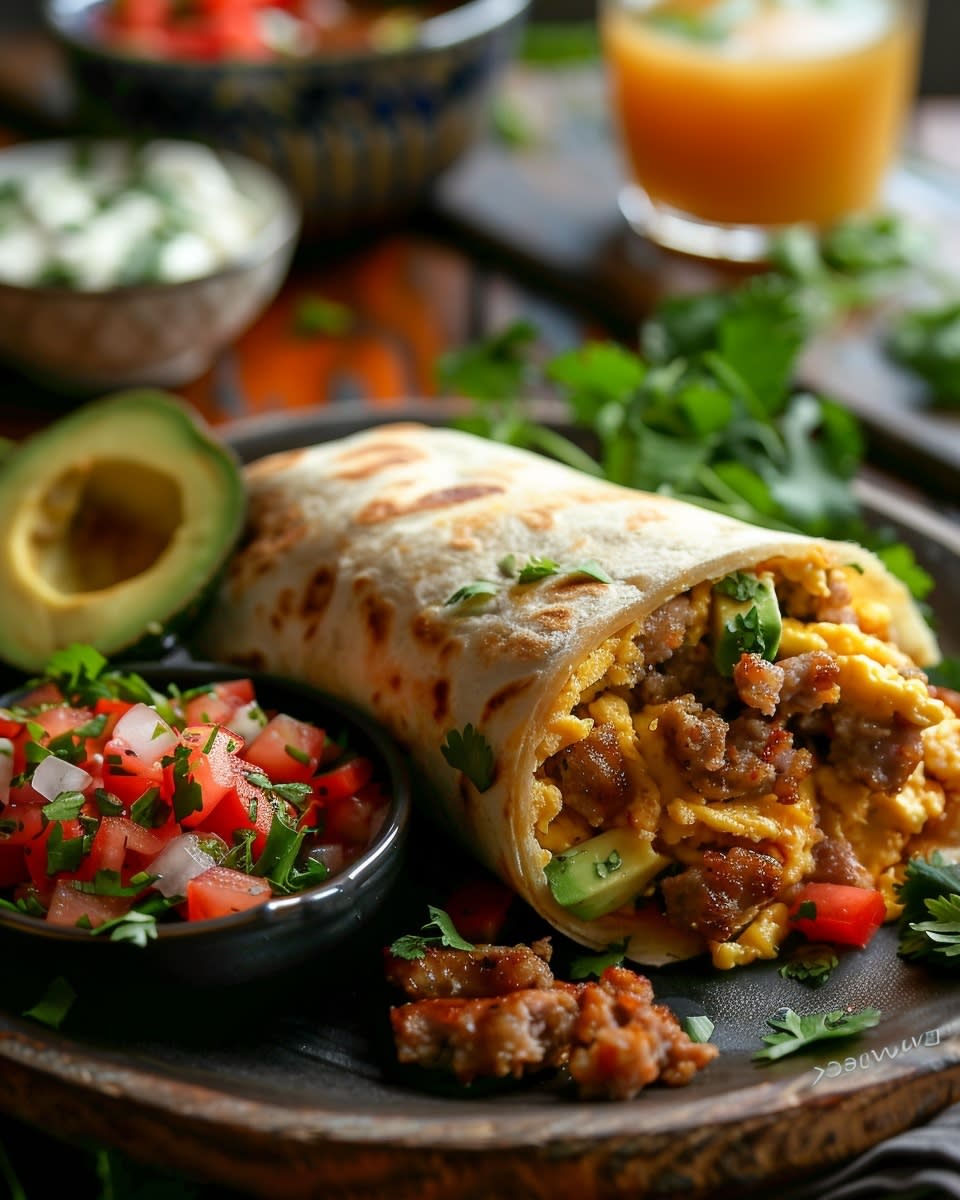
I still remember the first time I made a breakfast burrito at home. It was a lazy Saturday morning, and I wanted something more exciting than plain toast. I grabbed what I had in the fridge and rolled it all into a tortilla. That first bite changed everything. The warm eggs, savory sausage, and melted cheese wrapped together made me wonder why I hadn’t been making these all along.
If you’ve ever rushed out the door with a soggy granola bar, you know the struggle is real. But a breakfast burrito with scrambled eggs and sausage is different. It’s hearty, portable, and actually keeps you full until lunch. These burritos have become a staple in homes across the country for good reason. They’re quick to make, easy to customize, and taste amazing whether you eat them fresh or reheat them later.
This article will walk you through creating the perfect breakfast burrito from start to finish. I’ll share the exact steps I use to cook each ingredient just right. You’ll learn which sausages work best, how to scramble eggs that stay fluffy, and little tricks that make a big difference. By the end, you’ll be able to make breakfast burritos that rival any restaurant version.
Ingredients You’ll Need for Your Breakfast Burrito
Great breakfast burritos start with the right ingredients. I’ve learned this the hard way after making bland versions with whatever was on sale. Now I’m pickier about what goes into my burritos, and the results speak for themselves.
Here’s what you’ll need for a basic breakfast burrito with scrambled eggs and sausage:
- Large flour tortillas (burrito-sized, around 10 inches)
- 6 to 8 large eggs
- 1 pound of breakfast sausage
- 1 to 1.5 cups of shredded cheese (cheddar, Monterey Jack, or a Mexican blend)
- Salt and pepper to taste
- 2 tablespoons of butter or oil for cooking
Those are your essentials. But if you want to take things up a notch, consider adding:
- Diced bell peppers (red, green, or both)
- Chopped onions
- Fresh or pickled jalapeños
- Black beans
- Diced tomatoes
- Salsa or hot sauce
- Sour cream or Greek yogurt
- Fresh cilantro
- Avocado or guacamole
The quality of your ingredients matters more than you might think. I used to buy the cheapest eggs and sausage, and my burritos tasted like it. Once I switched to fresh eggs and better sausage, the flavor improved dramatically. You don’t need to break the bank, but look for sausage with good reviews and eggs that are fresh.
The tortilla choice is important too. Thin tortillas tear easily when you load them up. I prefer medium-thick flour tortillas that can hold all the fillings without falling apart. Some people like whole wheat tortillas for a healthier option, and those work great if you warm them properly first.
Cheese is where you can get creative. Sharp cheddar gives you bold flavor. Monterey Jack melts beautifully and has a mild taste. I usually mix both. Some people swear by pepper jack for a spicy kick. Whatever you choose, shred it yourself instead of buying pre-shredded bags. The cheese melts better and tastes fresher.
What Type of Sausage Is Best for a Breakfast Burrito?
This question comes up a lot, and the answer depends on what you like. Traditional pork breakfast sausage is the classic choice. It has a savory, slightly sweet flavor that pairs perfectly with eggs. You can buy it in links or bulk ground form. I prefer bulk sausage because it’s easier to crumble and distribute evenly.
Spicy breakfast sausage adds heat without overwhelming the other flavors. If you like a little kick, this is your pick. Italian sausage works too, though it has a different flavor profile with fennel and herbs.
Turkey or chicken sausage are lighter options. They have less fat and fewer calories but still taste good. I’ve used turkey sausage many times when I want something less heavy. The texture is slightly different, but seasoned properly, it’s delicious.
Chorizo is another fantastic option if you want bold, smoky flavor. Mexican chorizo is raw and needs to be cooked fully. Spanish chorizo is cured and just needs heating. Both work in breakfast burritos, but Mexican chorizo is more traditional.
My personal favorite is a mix of regular pork sausage and a little chorizo. The combination gives you that familiar breakfast taste with extra depth and a hint of spice.
Preparing the Sausage for Your Breakfast Burrito
Cooking the sausage right is the foundation of a great breakfast burrito. Undercooked sausage is a food safety risk. Overcooked sausage turns dry and rubbery. You want that sweet spot where it’s browned, juicy, and full of flavor.
Start by heating a large skillet over medium heat. Don’t crank it up to high or you’ll burn the outside while leaving the inside raw. Medium heat gives you control.
If you’re using bulk sausage, break it into small chunks as you add it to the pan. Don’t just plop it in as one big mass. Use a wooden spoon or spatula to break it apart into crumbles. I aim for pieces about the size of a marble. This size cooks evenly and distributes well in your burrito.
For sausage links, you have two options. You can cook them whole first, then slice them into coins. Or you can remove the casings and crumble the meat into the pan. I prefer removing casings because the meat integrates better with the eggs and other fillings.
As the sausage cooks, stir it occasionally but not constantly. You want the pieces to brown on multiple sides. That browning creates flavor through a process called the Maillard reaction. If you stir too much, the meat steams instead of browns.
The sausage is done when it’s no longer pink inside and has reached 160°F if you check with a meat thermometer. I always keep a digital thermometer in my kitchen. It takes the guesswork out of cooking meat safely. If you don’t have one, cut a larger piece in half to check that the center is fully cooked with no pink color.
Here’s a tip I learned from my grandmother: don’t drain off all the fat unless there’s an excessive amount. A little bit of that rendered fat adds flavor to your scrambled eggs if you cook them in the same pan. If you’re using lean turkey or chicken sausage, you might need to add a bit of oil to prevent sticking.
How Do I Make Sure My Sausage Is Cooked Properly?
Food safety is serious when it comes to sausage. Raw or undercooked pork and poultry can harbor bacteria that make you sick. Here are my foolproof methods for ensuring your sausage is cooked through:
Use a meat thermometer. This is the most reliable method. Insert it into the thickest piece of sausage. It should read 160°F for pork sausage and 165°F for chicken or turkey sausage.
Check the color. Fully cooked sausage should be brown throughout with no pink areas. Break open a larger piece to inspect the center.
Watch the texture. Raw sausage is soft and mushy. Cooked sausage is firm but still juicy. If it feels rubbery, you’ve cooked it too long.
Listen to the sizzle. When sausage first hits the pan, it sizzles actively. As it cooks, the sound changes. Once it’s mostly done, the sizzling quiets down.
I also time my cooking as a rough guide. Crumbled sausage in a medium-heat pan usually takes 8 to 10 minutes. Whole links take 12 to 15 minutes. Your exact time will vary based on your stove and pan.
If you’re using leaner sausages like turkey or chicken, they cook faster and dry out more easily. Keep a closer eye on them. I usually pull them off the heat when they’re just done rather than letting them sit in the hot pan.
Some people worry that leaner sausages lack flavor. I solve this by adding extra seasonings. A pinch of garlic powder, some black pepper, or a dash of smoked paprika works wonders. You can also cook onions and peppers with the sausage to add moisture and flavor.
The health benefits of leaner sausages are real. Turkey and chicken sausages have about 30% fewer calories and half the saturated fat of pork sausage. If you’re watching your cholesterol or trying to eat lighter, they’re a smart choice. Just season them well and don’t overcook them.


Making the Scrambled Eggs
Now that your sausage is perfectly cooked, it’s time to focus on the star of any breakfast burrito: the eggs. I’ve eaten countless breakfast burritos where the eggs were rubbery or dry, and it ruins the whole experience. Good scrambled eggs should be fluffy, creamy, and just a little bit soft. They should coat your tongue instead of sitting like chunks in your mouth.
The technique matters more than most people realize. I used to just crack eggs in a bowl, pour them in a screaming hot pan, and stir like crazy. What I got were tough, overcooked eggs that tasted like cafeteria food. Once I learned the proper method, everything changed.
Start by cracking your eggs into a bowl. For four burritos, six to eight eggs works perfectly. Add a splash of milk or cream, about a tablespoon per three eggs. Some people skip this step, but I promise it makes a difference. The dairy creates steam during cooking, which makes the eggs lighter and fluffier. If you’re lactose intolerant, water works too, though the texture won’t be quite as rich.
Season your eggs in the bowl with salt and pepper. I add just a pinch of salt per two eggs. Here’s something interesting: salt can actually make eggs watery if you add it too early and let them sit. So season them right before cooking, not an hour ahead.
Whisk everything together until the yolks and whites are completely combined. You shouldn’t see any streaks. I use a fork instead of a whisk most days because it’s easier to clean, and it does the job just fine.
Here’s where technique really comes in. Heat your pan over medium-low heat. Not medium-high like you might think. Low and slow is the secret to creamy scrambled eggs. Add butter to the pan, about a tablespoon for six eggs. Let it melt and coat the bottom completely.
Pour in your eggs. Now resist the urge to immediately start stirring. Let them sit for about 20 seconds until you see the edges just starting to set. Then use a rubber spatula to gently push the eggs from the edges toward the center. Tilt the pan so the uncooked egg flows to the empty spots.
Keep doing this in slow, deliberate movements. You’re not making an omelet, so you don’t want one solid sheet. But you’re also not frantically scrambling. Think of it as gently folding the eggs over themselves. The whole process takes about three to four minutes for six eggs.
This is critical: take the eggs off the heat when they still look slightly wet. They’ll continue cooking from residual heat even after you remove the pan. If you wait until they look completely dry in the pan, they’ll be overcooked by the time you eat them. I learned this from watching a chef on TV years ago, and it was a complete game-changer for my breakfast burritos with scrambled eggs and sausage.
Fresh eggs make a noticeable difference. I keep chickens in my backyard now, so I get super fresh eggs daily. But even if you’re buying from the store, check the date and get the freshest carton you can find. Fresh eggs have taller, firmer whites that create better texture when scrambled. Old eggs get watery and flat.
By the way, if you’re meal prepping breakfast burritos, slightly undercook your eggs even more. When you reheat the burritos later, the eggs will cook a bit more in the microwave or oven. This keeps them from turning into rubber when you finally eat them.
How Can I Make My Scrambled Eggs Extra Creamy?
If you want to take your eggs from good to restaurant-quality, there are a few tricks I’ve picked up over the years. The French method involves cooking eggs over very low heat and stirring almost constantly. It takes longer, but you end up with eggs that are almost like custard. Too fancy for a quick breakfast burrito? Maybe. But worth trying at least once.
Another method is adding a spoonful of cream cheese or sour cream to your eggs before cooking. This creates an incredibly rich, tangy flavor. I do this when I’m making breakfast burritos for guests because everyone always comments on how good the eggs taste.
Some chefs swear by adding the eggs to a cold pan with cold butter, then turning on the heat. The gradual warming supposedly creates smaller curds and a creamier texture. I’ve tried this method, and it works, though it takes patience. Much like making fluffy buttermilk pancakes, sometimes the slower approach yields the best results.
Cooking eggs in the leftover sausage fat instead of butter adds savory depth. If you went this route, just make sure there’s not too much grease pooling in the pan, or your eggs will feel greasy instead of creamy.
Assembling the Burrito
Funny enough, this is where most people mess up their breakfast burritos. You can have perfect eggs and sausage, but if you can’t roll the thing properly, you’ll end up with filling spilling everywhere. I’ve had many breakfast burritos fall apart in my hands mid-bite. Not fun when you’re driving or walking.
Start by warming your tortilla. This step is not optional. A cold tortilla will crack when you try to fold it. I warm mine directly over a gas burner for about 15 seconds per side, flipping with tongs. You’ll see little brown spots appear. That’s perfect. If you have an electric stove, use a dry skillet over medium heat for about 30 seconds per side.
Lay your warm tortilla on a flat surface. Place your fillings in a line down the center, but don’t go all the way to the edges. Leave about two inches clear on each side. This empty space is what allows you to fold without losing everything.
Here’s the order I use: cheese first, directly on the warm tortilla so it melts slightly. Then eggs, then sausage, then any additional toppings. The cheese acts like glue, holding everything together.
Don’t overfill. This is the biggest mistake. I know it’s tempting to cram in as much as possible, but less is more when it comes to rolling. If your filling is more than about half an inch thick, you’ve added too much. A bulging burrito is an exploding burrito.
Now for the folding technique. Fold the left and right sides of the tortilla toward the center, covering the edges of your filling. These side folds should overlap your filling by about an inch. Hold them in place with your fingers.
Next, fold the bottom edge up and over the filling, tucking it tightly underneath everything. This is the key moment. You want to pull back slightly as you roll to create tension. Think of rolling a sleeping bag. That tight first roll sets up everything else.
Keep rolling away from you, keeping constant pressure to maintain that tightness. The side flaps you folded earlier will get trapped inside as you roll. When you’re done, the seam should be on the bottom, which helps keep it closed.
If you’re eating right away, you can wrap the bottom half in foil. This keeps everything together and catches any drips. For meal prep, wrap the entire burrito tightly in foil or plastic wrap. Label them with the date, and they’ll keep in the fridge for up to four days or in the freezer for up to two months.
What Are Some Good Toppings for a Breakfast Burrito?
The basic version with eggs, sausage, and cheese is delicious on its own. But adding a few extras takes things to another level. Salsa is probably the most popular addition. I like pico de gallo because it’s fresh and not too wet. Jarred salsa works fine, but drain off some of the liquid first or your burrito gets soggy.
Avocado or guacamole adds creaminess and healthy fats. I slice a quarter of an avocado per burrito and lay the slices right on top of the eggs. If you’ve ever enjoyed avocado toast with poached egg, you know how well avocado pairs with eggs.
Diced tomatoes, onions, and bell peppers add crunch and freshness. I sauté mine with the sausage so they’re cooked and soft. Raw veggies work too, but they can be crunchy in a way that competes with the other textures.
Black beans or refried beans make the burrito more filling and add protein and fiber. I warm them separately and add about two tablespoons per burrito. Beans can make things messy though, so use them sparingly.
Hot sauce is essential for me. I like Cholula or Tapatio on breakfast burritos. A few dashes add heat without drowning the other flavors. Sriracha works if you want more garlic notes.
Sour cream or Greek yogurt adds tang and cools down any spice. I prefer Greek yogurt because it has more protein and a thicker consistency. Just a dollop is enough.
Fresh cilantro brightens everything up. I know some people have that genetic thing where cilantro tastes like soap. If that’s you, try fresh parsley instead. It’s not the same, but it adds a fresh note.
Choosing the Right Tortilla
Let me tell you, the tortilla can make or break your entire breakfast burrito experience. I’ve used cheap, thin tortillas that tore the second I tried to roll them. I’ve used ones that tasted like cardboard. And I’ve used perfect ones that held everything together beautifully and added their own subtle flavor.
Flour tortillas are the standard choice for breakfast burritos, and for good reason. They’re flexible, soft, and have a mild taste that doesn’t compete with your fillings. Look for burrito-sized tortillas, which are usually 10 to 12 inches in diameter. Anything smaller and you’ll struggle to fit your fillings. Anything larger and the ratio of tortilla to filling gets weird.
The thickness matters too. Medium-thick tortillas are ideal. Thin ones tear easily, especially when you’re dealing with hot, heavy fillings. Thick ones can be doughy and overpower the other ingredients. When you’re at the store, feel the package. You want tortillas that feel substantial but not stiff.
Corn tortillas are traditional for many Mexican dishes, but they’re tricky for breakfast burritos. They’re smaller, less flexible, and can crack when you try to roll them. Some people double up corn tortillas and make a smaller burrito, which works. But honestly, corn tortillas shine in tacos and enchiladas. For burritos, stick with flour. Similar to how you’d choose the right base for spinach and feta egg muffins, the foundation really matters.
Whole wheat tortillas are a healthier option. They have more fiber and nutrients than white flour tortillas. The taste is slightly nuttier, which I actually like with sausage and eggs. They can be a bit stiffer, so warming them properly is extra important.
Warming your tortilla correctly transforms it from a wrapper into part of the experience. A properly warmed tortilla is soft, pliable, and slightly chewy. It adds its own texture and flavor instead of just being a vehicle.
For gas stoves, I place the tortilla directly on the grate over medium flame. Watch it closely and flip it every 10 to 15 seconds. You’ll see it puff up slightly in spots and develop a few charred marks. That’s perfect. It takes about 30 seconds total.
For electric stoves, heat a dry skillet over medium heat. Place the tortilla in the pan and warm for about 20 to 30 seconds per side. You’ll know it’s ready when it becomes more flexible and might puff up a bit.
The microwave works in a pinch. Wrap the tortilla in a damp paper towel and microwave for 15 to 20 seconds. This steams it, which makes it flexible but doesn’t add any of the flavor that direct heat provides.
Should I Use Flour or Corn Tortillas for a Breakfast Burrito?
This question comes up often, and while I’ve touched on it, let me be direct: flour tortillas are better for breakfast burritos. They’re larger, more flexible, and have a neutral flavor that works with eggs and sausage. Corn tortillas have a distinct taste that, while delicious, can clash with typical breakfast ingredients.
That said, if you prefer corn tortillas for dietary or taste reasons, make it work. Use two smaller corn tortillas stacked together for extra strength. Warm them really well to prevent cracking. And keep your filling modest because corn tortillas can’t handle as much weight.
For those watching their carbs or calories, there are low-carb tortillas made with extra fiber or alternative flours. Some taste pretty good, though they can have an unusual texture. The brand matters a lot with these, so read reviews before buying.
Think of your tortilla like the bread in a sandwich. Would you put a gourmet filling between stale, cheap bread? Probably not. The same logic applies here. Invest in good tortillas, warm them properly, and your breakfast burrito with scrambled eggs and sausage will be that much better. Just like when you’re making banana peanut butter overnight oats, quality ingredients throughout make all the difference.


Serving and Storage
The beauty of a breakfast burrito with scrambled eggs and sausage is that you can serve it dozens of different ways. I’ve eaten mine on a plate with a fork and knife at the kitchen table. I’ve also eaten them wrapped in foil while rushing to catch a train. Both experiences were great because the burrito itself was solid.
When I’m serving breakfast burritos to family or guests, I like to plate them nicely. Cut the burrito in half at an angle and stand the halves up so you can see all the colorful layers inside. This looks way more appetizing than just plopping a rolled tortilla on a plate. Add a small side of salsa, sour cream, and guacamole in little bowls. Garnish the plate with a lime wedge and a sprig of cilantro if you’re feeling fancy.
For casual weekday mornings, I wrap mine in foil and eat it as I get ready for work. The foil keeps everything warm and contained. You can peel it back as you eat, which prevents the filling from spilling out the bottom. This method also works perfectly for packed lunches or road trips.
Here’s the thing about breakfast burritos: they’re not just for breakfast. I’ve eaten them for lunch, dinner, and even as a late-night snack. The combination of protein, carbs, and fat keeps you satisfied no matter what time you eat it. Some of my friends think I’m weird for eating breakfast food at 8 PM, but honestly, food rules are made to be broken.
Storage is where breakfast burritos really shine. These things are meal prep champions. Once you’ve assembled your burritos, wrap each one tightly in aluminum foil. Write the date on the foil with a permanent marker. They’ll keep in the refrigerator for three to four days. In the freezer, they last up to two months.
I usually make a batch of eight to ten burritos on Sunday evening. I eat two fresh, refrigerate four for the week, and freeze the rest. This strategy has saved me countless mornings when I would’ve otherwise skipped breakfast or grabbed something unhealthy.
Reheating is simple but requires some technique to avoid soggy or dried-out burritos. For refrigerated burritos, unwrap them from the foil and wrap them in a damp paper towel. Microwave on high for 60 to 90 seconds, flipping halfway through. The damp paper towel creates steam that keeps the tortilla soft. If you skip this step, the tortilla gets tough and chewy.
For frozen burritos, you have two options. The first is to thaw them overnight in the fridge, then reheat as described above. The second is to microwave them directly from frozen. This takes three to four minutes on 50% power, then one minute on high. The lower power setting prevents the edges from getting nuclear hot while the center stays frozen.
My preferred reheating method for the best taste is actually the oven. Preheat to 350°F. Wrap your burrito in foil and bake for 20 to 25 minutes if refrigerated, or 35 to 40 minutes if frozen. The oven heats everything evenly and keeps the tortilla from getting soggy. The texture is almost as good as fresh. I use this method on weekends when I have more time.
Air fryers work surprisingly well too. Unwrap the burrito completely and place it in the air fryer basket. Cook at 350°F for eight to ten minutes if refrigerated, flipping halfway through. The tortilla gets slightly crispy on the outside, which I actually love. For frozen burritos, add five more minutes to the cooking time.
Can I Make Breakfast Burritos Ahead of Time?
Absolutely, and I highly recommend it. Making breakfast burritos ahead of time is one of the smartest meal prep strategies I’ve adopted. You invest an hour on the weekend and get quick, satisfying breakfasts for the entire week. No more scrambling in the morning or spending money on drive-through food.
The key to successful make-ahead burritos is slightly undercooking your eggs. Remember, they’ll cook a bit more when you reheat them. I pull my scrambled eggs off the heat when they still look pretty wet. This ensures they stay creamy and fluffy after reheating instead of turning rubbery.
Let all your fillings cool completely before assembling. If you wrap hot fillings in a tortilla and seal it up, condensation forms inside. That moisture makes everything soggy. I spread my cooked sausage and eggs on a baking sheet and let them cool for about 15 minutes before I start rolling burritos.
Wrap each burrito individually and tightly. First in plastic wrap, then in foil. The double layer prevents freezer burn and keeps everything fresh. Some people skip the plastic wrap, but I’ve found it makes a difference for longer storage.
Label everything with the date and what’s inside. After a few weeks in the freezer, all wrapped burritos start looking the same. I learned this the hard way when I bit into what I thought was a sausage burrito but turned out to be a bean and cheese one my wife had made. Not a disaster, but not what I was expecting at 6 AM.
Variations and Customizations
One of my favorite things about breakfast burritos is how adaptable they are. The basic formula of eggs, sausage, cheese, and tortilla is just a starting point. You can swap ingredients, add different flavors, and create dozens of variations without ever getting bored.
Let’s talk about dietary modifications first. Going vegetarian is easier than you might think. Replace the sausage with black beans, pinto beans, or refried beans. Add extra veggies like sautéed mushrooms, bell peppers, onions, and spinach. The heartiness doesn’t suffer at all. In fact, my vegetarian friends argue their versions are better because the vegetable flavors shine through more. Considering the benefits of a high fiber diet, loading up on beans and vegetables makes these burritos nutritionally impressive.
For a vegan version, ditch the eggs and cheese entirely. Use scrambled tofu seasoned with turmeric, nutritional yeast, garlic powder, and black salt. The turmeric gives it that yellow egg color, and black salt adds a subtle eggy flavor. Honestly, I was skeptical the first time I tried this, but it’s surprisingly good. Add vegan cheese if you want, though I find the tofu mixture tasty enough on its own.
Gluten-free folks should look for certified gluten-free tortillas. Many brands make them now using rice flour, corn flour, or alternative grain blends. They’ve improved a lot over the years. The ones I’ve tried recently hold together well and don’t have that weird texture older versions had. Just make sure your sausage doesn’t contain fillers with gluten, as some brands do.
For low-carb or keto diets, skip the tortilla and make a burrito bowl instead. Layer all your ingredients in a bowl and eat it with a fork. You get all the flavors without the carbs. Some companies also make low-carb tortillas with extra fiber that have only a few net carbs per serving. These work if you really want that wrapped burrito experience.
Now let’s talk flavor variations, which is where things get really fun. A Tex-Mex version loads up on pepper jack cheese, jalapeños, salsa verde, and adds some cumin to the eggs. A Southwest version includes black beans, corn, diced tomatoes, and cilantro-lime rice. California style adds avocado, sprouts, and a lighter cheese like queso fresco.
I’ve experimented with international flavors too. An Italian-inspired version uses Italian sausage, mozzarella, sun-dried tomatoes, and fresh basil. It sounds weird, but trust me, it works. A Greek version replaces regular sausage with crumbled lamb or turkey sausage, uses feta cheese, adds diced tomatoes and cucumbers, and finishes with a drizzle of tzatziki sauce.
My wife made an Asian-fusion version once that blew my mind. She used ground pork seasoned with ginger and soy sauce instead of traditional sausage. She added scrambled eggs with sesame oil, some sautéed bok choy, and a drizzle of sriracha mayo. We used flour tortillas still, but it had completely different vibes. I’ve made it several times since.
For a Southern twist, try adding sharp cheddar, country gravy, and some hot sauce. Crumbled bacon works great here too. Basically, you’re putting breakfast plate items into burrito form. Hash browns are another excellent addition for texture and extra carbs if you need the fuel.
Funny enough, my teenage son went through a phase where he wanted breakfast pizza flavors in his burrito. We used Italian sausage, added pepperoni, mozzarella cheese, and even a little marinara sauce mixed into the eggs. It was bizarre but actually tasted good. Kids, right?
I encourage you to get creative and experiment. Write down combinations you try so you can remember what worked. Some of my best burrito creations came from just using what I had in the fridge. Leftover grilled chicken? Dice it up and add it. Random vegetables about to go bad? Sauté them and throw them in. There’s really no wrong answer as long as the basic structure holds.
How Can I Make a Vegetarian Version of a Breakfast Burrito?
Making a satisfying vegetarian breakfast burrito is all about building layers of flavor and texture to replace what the sausage provided. Start with your scrambled eggs cooked the same way I described earlier. They’re already vegetarian and provide plenty of protein.
For the sausage replacement, I’ve found several options that work brilliantly. Black beans are probably the most popular. Drain and rinse a can, then warm them in a pan with some cumin, chili powder, and garlic. They add protein, fiber, and a satisfying heartiness. Pinto beans work just as well.
Sautéed mushrooms give you that meaty, umami flavor vegetarian dishes sometimes lack. I use baby bella mushrooms diced small and cooked until they’re browned and their liquid has evaporated. Season them with a little soy sauce, garlic, and black pepper. They taste rich and savory.
Vegetarian sausage alternatives have gotten really good lately. Brands like MorningStar, Beyond, and Impossible make breakfast sausage patties and crumbles that taste remarkably close to the real thing. Cook them according to package directions and crumble them into your burrito.
Don’t forget to load up on vegetables. Bell peppers, onions, spinach, tomatoes, and even roasted sweet potatoes all work beautifully. The more colorful vegetables you add, the better the nutritional profile and the more interesting the flavors become. This is a great way to work toward breakfast and brunch options that feel both indulgent and nutritious.
Cheese still works unless you’re going vegan. A good melty cheese like Monterey Jack or a sharp cheddar adds richness. If you skip the cheese, add extra avocado for that creamy element. Seriously, a vegetarian burrito with eggs, black beans, sautéed peppers and onions, cheese, and avocado is absolutely delicious. I make these regularly even though I’m not vegetarian, just because I enjoy them.
The key is not thinking of the vegetarian version as missing something. Think of it as highlighting different flavors. When you remove the dominant sausage taste, you get to appreciate the eggs, vegetables, and seasonings more. My vegetarian neighbor makes a version with roasted poblano peppers, corn, and queso fresco that I’d choose over a regular sausage burrito any day.
Making these for a family or group with different dietary needs? Set up a burrito bar. Cook scrambled eggs, sausage, black beans, and various vegetables separately. Lay them all out with different cheeses, salsas, and toppings. Everyone builds their own perfect burrito. This approach makes meal prep easier too because you can mix and match throughout the week.
Whatever direction you take your breakfast burritos, the foundation stays the same. Good ingredients, proper technique, and a little creativity go a long way. I still remember that first burrito I made years ago on a lazy Saturday. Now I’ve made hundreds of them, each one a little different. That’s the beauty of cooking at home. You get to make exactly what you want, exactly how you like it.
FAQ
What type of sausage is best for a breakfast burrito?
Traditional pork breakfast sausage works best for most people because of its savory, slightly sweet flavor that pairs perfectly with eggs. Spicy breakfast sausage adds heat if you like a kick. Turkey or chicken sausage are lighter options with less fat and fewer calories. Chorizo brings bold, smoky flavor and works wonderfully if you want something more distinctive. I personally like mixing regular pork sausage with a little chorizo for depth of flavor. Choose based on your taste preference and dietary needs.
How do I make sure my sausage is cooked properly?
Use a meat thermometer to ensure safety. Pork sausage should reach 160°F and poultry sausage should hit 165°F. If you don’t have a thermometer, check that the sausage is brown throughout with no pink areas by cutting a larger piece in half. Fully cooked sausage feels firm but still juicy, not rubbery. Cook crumbled sausage over medium heat for eight to ten minutes, stirring occasionally. Never rush the process with high heat, as this can leave the inside undercooked while burning the outside.
How can I make my scrambled eggs extra creamy?
Cook your eggs over medium-low heat and remove them from the pan while they still look slightly wet. Add a tablespoon of milk or cream per three eggs before cooking. Use butter instead of oil for a richer flavor. The French method of very low heat with constant stirring creates custard-like eggs if you have the patience. Adding a spoonful of cream cheese or sour cream to the eggs before cooking creates incredibly rich, tangy results. The key is low, slow cooking and pulling them off the heat before they look completely done.
What are some good toppings for a breakfast burrito?
Salsa or pico de gallo adds freshness and a bit of acidity. Avocado or guacamole contributes creaminess and healthy fats. Sautéed peppers and onions provide texture and sweetness. Hot sauce brings heat without overwhelming other flavors. Sour cream or Greek yogurt adds tang and cools down spices. Fresh cilantro brightens everything up. Black beans or refried beans make the burrito more filling. Diced tomatoes add juiciness. Start with one or two additions and build from there based on what you enjoy.
Should I use flour or corn tortillas for a breakfast burrito?
Flour tortillas are better for breakfast burritos because they’re larger, more flexible, and have a neutral flavor that complements eggs and sausage. Look for burrito-sized flour tortillas that are 10 to 12 inches in diameter with medium thickness. Corn tortillas work for smaller portions if you stack two together, but they’re less flexible and have a stronger flavor that can clash with breakfast ingredients. Whole wheat tortillas offer more fiber and nutrients with a slightly nuttier taste that works well. Always warm your tortilla before filling to prevent cracking.
Can I make breakfast burritos ahead of time?
Yes, and it’s one of the best meal prep strategies. Make a batch on the weekend for quick breakfasts all week. Slightly undercook your eggs so they don’t get rubbery when reheated. Let all fillings cool completely before assembling to prevent condensation and sogginess. Wrap each burrito tightly in plastic wrap, then foil, and label with the date. They keep in the refrigerator for three to four days and in the freezer for up to two months. Reheat in the microwave wrapped in a damp paper towel, in the oven wrapped in foil, or in an air fryer for slightly crispy edges.
How can I make a vegetarian version of a breakfast burrito?
Replace sausage with black beans, pinto beans, or vegetarian sausage alternatives. Add extra vegetables like sautéed mushrooms, bell peppers, onions, spinach, and tomatoes for heartiness and flavor. The eggs and cheese remain the same if you’re not vegan. Season your beans well with cumin, chili powder, and garlic to add the savory depth that sausage usually provides. Avocado becomes even more important for creaminess in vegetarian versions. Consider adding roasted sweet potatoes or extra cheese to make the burrito more satisfying. The key is building layers of flavor so you don’t miss the meat.
How long do breakfast burritos last in the refrigerator?
Properly wrapped breakfast burritos last three to four days in the refrigerator. Make sure each burrito is wrapped tightly in foil or plastic wrap to prevent them from drying out. Let the burritos cool completely before wrapping to avoid condensation buildup. Store them in the coldest part of your fridge, usually the back of a lower shelf. If you notice any off smells or see signs of mold, throw them away. For longer storage, freeze them instead, where they’ll keep for up to two months. I typically make enough for four days and freeze any extras.
What’s the best way to reheat a frozen breakfast burrito?
The oven method produces the best results. Preheat to 350°F, keep the burrito wrapped in foil, and bake for 35 to 40 minutes. For faster reheating, microwave on 50% power for three to four minutes, then one minute on high to finish. The lower power prevents hot spots while the center thaws. Wrapping the burrito in a damp paper towel when microwaving keeps the tortilla soft. You can also thaw frozen burritos overnight in the fridge, then reheat them using the methods for refrigerated burritos, which takes less time. Air fryers work well too, taking about 15 minutes at 350°F from frozen.
Can I use egg whites instead of whole eggs in breakfast burritos?
Yes, egg whites work if you’re watching cholesterol or calories. Use about eight to ten egg whites to replace six whole eggs. Keep in mind that egg whites lack the richness and flavor that yolks provide, so your eggs may taste blander. Add extra seasonings like garlic powder, black pepper, or a dash of hot sauce to compensate. Cooking technique becomes even more important with egg whites since they dry out faster than whole eggs. Cook them on lower heat and remove them while still slightly wet. Some people mix whole eggs with egg whites for a compromise between health and flavor.
What size tortilla is best for breakfast burritos?
Burrito-sized flour tortillas that measure 10 to 12 inches in diameter work best. This size gives you enough room to add a generous amount of filling while still being able to fold and roll properly. Smaller tortillas like the eight-inch taco size don’t hold enough filling and are harder to roll without tearing. Larger tortillas can work but create an awkward filling-to-tortilla ratio where you taste too much plain tortilla. Look for tortillas labeled specifically as “burrito size” at the grocery store. If you’re making smaller burritos for kids or lighter appetites, the eight to nine-inch size works fine with less filling.
Ingredients
Equipment
Method
- Chauffez une grande poêle à feu moyen et faites cuire la saucisse de petit déjeuner jusqu'à ce qu'elle soit dorée et bien cuite.
- Dans un bol, fouettez les œufs, ajoutez un peu de lait ou de crème et assaisonnez avec du sel et du poivre.
- Dans la même poêle, ajoutez du beurre ou de l'huile puis versez-y les œufs, cuisant à feu moyen-doux en remuant doucement jusqu'à ce qu'ils soient moelleux et légèrement humides.
- Chauffez les tortillas de farine sur un brûleur à gaz ou dans une poêle sèche jusqu'à ce qu'elles soient flexibles.
- Étalez la tortilla chaude à plat et placez une couche de fromage au centre, suivie des œufs brouillés, de la saucisse cuite et de tous les toppings désirés.
- Pliez soigneusement la tortilla pour enfermer la garniture et créer une forme de burrito.
- Optionnellement, enveloppez le burrito dans du papier d'aluminium pour une manipulation plus facile et pour le garder au chaud.