
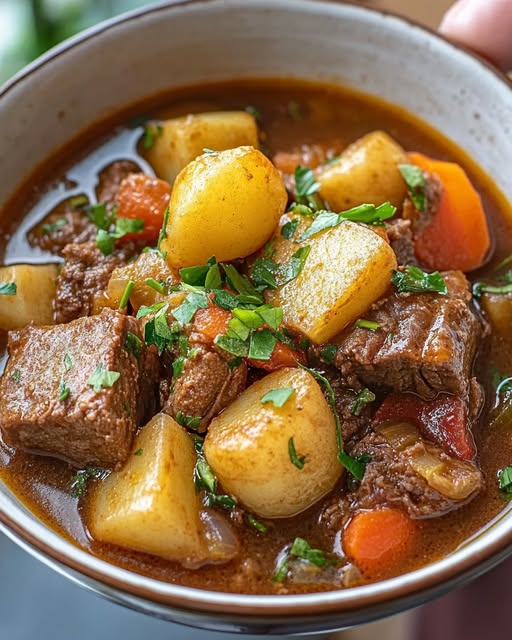
There’s something magical about the way the aroma of beef stew fills a house. It’s a scent that promises warmth, comfort, and a meal where everyone gathers around the table. For me, this recipe for Ragoût de Bœuf—or as I fondly call it, our family’s Beef Stew Delight—has been a weeknight hero and a Sunday supper star for years. It’s the dish I make when I want to wrap my people in a big, edible hug. Let’s get cozy and cook!
A Little Story on This Classic Comfort Food
Ragoût is a classic French stew that whispers tales of rustic farmhouse kitchens. The word itself simply means “to revive the taste,” which is exactly what this dish does! Traditionally, it was a brilliant way for home cooks to transform tougher cuts of meat into something incredibly tender and flavorful through long, slow cooking. My version is inspired by those traditions but made with easy-to-find ingredients. It’s less about fancy technique and more about letting simple ingredients become extraordinary together. Whether you call it a Beef Stew Delight or a French Beef Stew, it’s pure, soul-satisfying food.
Why You’ll Fall in Love With This Beef Stew Recipe
You’ll love this recipe because it’s forgiving, incredibly flavorful, and makes the whole house smell amazing. The beef becomes so tender you can cut it with a spoon, and the vegetables soak up all that rich, savory broth. It’s a one-pot wonder that feeds a crowd with minimal fuss. Plus, it tastes even better the next day, making it perfect for meal prep. It’s the ultimate comfort food recipe for busy weeknights or relaxing weekends.
When to Serve Your Hearty Beef Stew
This stew is your secret weapon for so many occasions! It’s perfect for a cozy family dinner on a cold night, a casual get-together with friends, or even a hearty holiday side. I love making a big batch for a winter potluck—it’s always a hit. It’s also my go-to when someone needs a meal delivered; it travels well and brings real comfort.
Gathering Your Ingredients for Beef Stew Delight
- 2 tablespoons extra virgin olive oil
- 1.1 kg (about 2.4 lbs) boneless beef chuck or stew meat, cut into 5 cm cubes
- 3/4 teaspoon salt
- 1/2 teaspoon black pepper
- 2 sweet onions, chopped
- 3 medium carrots, peeled and cut into 1.5 cm rounds
- 2 celery stalks, cut into 1.5 cm pieces
- 3 garlic cloves, minced
- 3 tablespoons all-purpose flour
- 720 ml (3 cups) low-sodium beef broth
- 480 ml (2 cups) water
- 1 tablespoon Worcestershire sauce
- 2 beef bouillon cubes, crumbled
- 3 tablespoons tomato paste
- 2 bay leaves
- 3 sprigs fresh thyme or 1 teaspoon dried thyme
- 2 medium potatoes, peeled and cut into 6 cm cubes
- 120 g (1 cup) frozen peas
Easy Swaps: Your Stew, Your Way
No worries if you’re missing an item! Here are some simple swaps:
Beef: Chuck roast is best, but brisket or short ribs work too.
Gluten-Free: Use cornstarch or gluten-free flour instead of all-purpose.
Vegetables: Swap parsnips for carrots, or add mushrooms with the onions.
Broth: Vegetable or chicken broth can stand in for beef broth.
Herbs: Use 1/2 teaspoon dried rosemary if you don’t have thyme.
Your Step-by-Step Guide to the Perfect Beef Stew
Step 1: Heat the oil
Place your large, heavy-bottomed pot or Dutch oven over high heat. Add the olive oil and let it get nice and hot. You want it shimmering but not smoking. This initial high heat is crucial for getting a good sear on the meat, which locks in all those delicious juices. A hot pot is your first secret to a rich, flavorful stew base.
Step 2: Sear the beef
Pat your beef cubes dry with a paper towel—this is key for browning! Season them generously with the salt and pepper. Add the beef to the hot oil in a single layer. Don’t crowd the pan! We want a deep brown crust, not steam. Let them sear undisturbed for a few minutes on each side. Pro tip: Do this in batches if needed. Transfer the beautifully browned beef to a plate. Those browned bits left in the pot are flavor gold.
Step 3: Sauté the vegetables
In the same pot, add the chopped onions, carrots, and celery. The sizzle is so satisfying! Cook them over medium heat for about 5 minutes. You’ll watch them soften and the onions turn translucent. Now, add the minced garlic. Stir and let it cook for just 30 seconds until its wonderful aroma fills your kitchen. Be careful not to burn the garlic.
Step 4: Add the flour
Sprinkle the flour all over the sautéed vegetables. Stir it well so every piece gets coated. Let this cook for 1-2 minutes. This step cooks out the raw flour taste and will help thicken our stew beautifully later on. The mixture will look pasty and cling to the veggies—that’s exactly what we want.
Step 5: Pour in the liquids and seasonings
Now, slowly pour in the beef broth and water while you stir. This helps prevent any lumps from the flour. Add the Worcestershire sauce, crumbled bouillon cubes, and tomato paste. Stir everything together until the tomato paste dissolves. The liquid will turn a lovely rich, ruddy color. Toss in the bay leaves and thyme. The scent is already incredible!
Step 6: Return the beef
Nestle all the seared beef and any accumulated juices back into the pot. Bring the whole mixture to a boil. Once it’s bubbling, immediately reduce the heat to low. You want a very gentle simmer, just a few small bubbles breaking the surface. Cover the pot with a lid.
Step 7: The long, slow simmer
This is where the magic happens. Let the stew simmer gently, covered, for 2 hours. Give it an occasional stir to make sure nothing sticks. You’re waiting for the beef to become meltingly tender. It should practically fall apart when poked with a fork.
Step 8: Add the potatoes
After 2 hours, stir in your cubed potatoes. Leave the lid off now. Let it simmer for another 20-25 minutes. This allows the potatoes to cook through and the sauce to reduce and thicken slightly. The potatoes should be fork-tender but not mushy.
Step 9: Finish with peas
Stir in the frozen peas. They only need 2-3 minutes to heat through and brighten up the stew. Now, taste your creation! This is the moment to adjust the seasoning. Add more salt or pepper if you think it needs it. Chef’s Tip: For an extra layer of richness, stir in a tablespoon of butter right at the end. It makes the sauce velvety and luxurious.
Step 10: Serve and enjoy
Fish out the bay leaves and thyme sprigs. Ladle the hot stew into deep bowls. A sprinkle of fresh chopped parsley on top adds a pop of color and freshness. Serve it with crusty bread for dipping into that amazing sauce. Watch the happy faces around your table!
Getting the Timing Just Right
Prep Time: 20 minutes (chopping and browning)
Cook Time: 3 hours (mostly hands-off simmering)
Total Time: 3 hours 20 minutes
Servings: 8 generous portions
A Chef’s Secret for the Best Flavor
My secret weapon? Letting the seared beef rest on the plate while you cook the veggies. Those little juices that collect are packed with concentrated beefy flavor. When you add them back to the pot, you’re adding a flavor bomb. Never skip this!
A Fun Fact About Your Stew
Did you know the humble carrot in your stew was originally purple and yellow? The orange carrot we know and love was cultivated by Dutch farmers in the 17th century! Their sweet flavor is perfect for balancing the savory depth of a long-cooked stew.
What You’ll Need to Make It
- A large, heavy-bottomed Dutch oven or stockpot (this distributes heat evenly)
- Sharp chef’s knife and cutting board
- Wooden spoon or sturdy spatula
- Measuring cups and spoons
- Ladle for serving
How to Store and Reheat Your Leftover Stew
Let the stew cool completely before storing. Transfer it to an airtight container. It will keep in the refrigerator for up to 4 days. The flavors actually improve overnight!
This stew freezes beautifully for up to 3 months. I like to freeze it in single-serving portions for easy lunches. Use freezer-safe bags or containers, leaving a little space for expansion.
To reheat, thaw overnight in the fridge if frozen. Warm it gently in a pot on the stove over medium-low heat, stirring occasionally. Add a splash of broth or water if it seems too thick. You can also microwave it in a covered, microwave-safe bowl.
My Best Tips for Stew Success
- Dry the beef: Always pat beef cubes dry before searing. Wet meat steams, dry meat sears.
- Don’t rush the brown: Get that deep, dark sear on the meat. It’s the foundation of flavor.
- Low and slow: A gentle simmer is key. A hard boil will make the beef tough.
- Add peas last: They turn mushy and gray if cooked too long.
Presentation Ideas to Make it Shine
- Serve in a shallow soup bowl over a bed of creamy mashed potatoes or buttery egg noodles.
- Garnish with fresh herbs like parsley, chives, or a thyme sprig.
- Add a dollop of horseradish cream or sour cream on the side for a tangy twist.
- Offer warm, crusty baguette slices or flaky biscuits on a separate board.
6 Delicious Ways to Shake Up Your Stew
Love the idea of a hearty stew? Try one of these tasty twists next time:
- Red Wine Beef Stew: Replace 1 cup of the broth with a dry red wine like Cabernet Sauvignon for a deeper, more complex sauce.
- Irish Beef and Guinness Stew: Swap half the broth for dark stout beer. It adds a malty, rich flavor that’s incredible.
- Mushroom & Pearl Onion Stew: Add a mix of wild mushrooms and a cup of frozen pearl onions with the potatoes for an earthy, elegant version.
- Spicy Southwest Stew: Stir in a diced jalapeño with the veggies, use fire-roasted tomatoes, and add a teaspoon of cumin and chili powder.
- French-Inspired “Boeuf Bourguignon” Style: Use all red wine instead of water, add sautéed bacon lardons, and use pearl onions and button mushrooms. It’s a classic for a reason, just like our delicious Beef Bourguignon Meatballs.
- Hearty Lamb Stew: Use cubed lamb shoulder instead of beef and add a sprig of rosemary with the thyme. A whole new world of flavor!
Looking for other one-pot wonders? If you love the combination of tender protein and savory sauce, you might adore our Creamy Cod with Rosemary Potatoes. For a spicy, international twist on braised beef, you absolutely must try the vibrant Chile Colorado de Bœuf. And for a completely plant-based comfort meal that rivals any meat dish, our cozy Vegan Lentil Shepherd’s Pie is a must-make.
Common Mistakes to Avoid for the Best Beef Stew
Mistake 1: Crowding the pan when searing the beef
This is probably the most common error. When you add too much beef at once, the pot’s temperature plummets. The meat steams and releases its juices instead of getting a proper sear. You end with gray, boiled-tasting meat instead of flavorful, browned pieces. Always cook in batches, giving each piece plenty of space. The beautiful brown crust (called the Maillard reaction) is non-negotiable for flavor.
Mistake 2: Not deglazing the pot properly
After searing the meat and cooking the veggies, you’ll see dark, stuck-on bits at the bottom of the pot. That’s not burnt food—it’s flavor! The mistake is not using your liquid to scrape it all up. When you add the broth, use your wooden spoon to vigorously scrape the bottom. This “deglazing” process dissolves those bits into the stew, creating a deeply rich and complex base.
Mistake 3: Cooking at too high a simmer
Once you bring the stew to a boil and reduce the heat, it should barely bubble. A rolling boil will cause the meat fibers to seize up and become tough and stringy. It can also cause the vegetables to disintegrate. A gentle, lazy bubble is the goal. Keep the heat low and be patient. Tender meat is a result of gentle, prolonged heat.
Mistake 4: Adding delicate vegetables too early
Ingredients like peas, green beans, or fresh herbs will lose their color, texture, and flavor if cooked for hours. They turn mushy and dull. Always add these fragile components at the very end of cooking, just long enough to heat through. This keeps their brightness and provides a nice contrast to the soft, tender beef and root vegetables.
Mistake 5: Skipping the taste test at the end
You’ve followed the recipe, but stews often need a final flavor adjustment. Not tasting before serving is a missed opportunity. The long cooking can mellow saltiness and sharpen other flavors. Always do a final taste and adjust with a pinch more salt, a crack of pepper, or a dash of acid like a teaspoon of red wine vinegar to make all the flavors pop.
For general guidance on balancing your meals with hearty dishes like this, you can refer to the latest dietary guidelines for tips on incorporating lean proteins and vegetables.
Your Beef Stew Questions, Answered
Can I make this beef stew in a slow cooker?
Absolutely! It’s a great slow cooker recipe. Follow steps 1 and 2 to sear the beef on the stove. Then, transfer the beef and all other ingredients except the potatoes and peas to your slow cooker. Cook on LOW for 7-8 hours or on HIGH for 4-5 hours. About 1 hour before serving, add the potato cubes. Stir in the frozen peas during the last 10 minutes of cooking.
What’s the best cut of beef for a tender stew?
Chuck roast is the champion for stews. It’s a cut from the shoulder, which has a good amount of marbling (fat) and connective tissue. This connective tissue breaks down during the long, slow cooking process, transforming into gelatin. That’s what gives you that fall-apart tender meat and luxurious, rich sauce. Avoid lean cuts like sirloin, which can become dry.
My stew sauce is too thin. How can I thicken it?
If your stew is done but the sauce is runny, you have a few options. The easiest is to mix 1 tablespoon of cornstarch with 2 tablespoons of cold water in a small bowl until smooth. Stir this slurry into the simmering stew and cook for 2-3 minutes until thickened. Alternatively, you can mash a few of the cooked potato pieces against the side of the pot to naturally thicken the broth.
Can I prepare this stew ahead of time?
Yes, and it might even taste better! Stews are fantastic make-ahead meals. Let it cool completely after cooking, then store it in the fridge for up to 4 days. The flavors have more time to meld and develop. When reheating, do so gently on the stovetop. You may need to add a small splash of broth or water as it thickens when cold.
Is it okay to freeze beef stew?
Beef stew freezes exceptionally well, making it a perfect meal-prep superstar. Ensure it’s completely cooled first. Portion it into airtight, freezer-safe containers or heavy-duty zip-top bags, leaving about an inch of space for expansion. It will keep its best quality for about 3 months. Thaw in the refrigerator overnight before reheating.
Why is my beef still tough after 2 hours of cooking?
If your beef is tough, it likely hasn’t cooked long enough for the connective tissues to break down. This can happen if your simmer was too vigorous (which tightens fibers) or if the beef pieces were unusually large or from a very lean cut. Simply cover the pot again and continue simmering on low, checking every 20-30 minutes until it’s fork-tender. Patience is key.
Can I add other vegetables to this stew?
Of course! Stews are very forgiving. Root vegetables like parsnips, turnips, or sweet potatoes can be added with the carrots. Mushrooms can be sautéed with the onions. For greens like spinach or kale, stir them in at the very end until just wilted. Just remember to adjust cooking times based on how long different veggies need to become tender.
What can I serve with beef stew besides bread?
While crusty bread is classic, many other sides work wonderfully. Creamy mashed potatoes, buttery egg noodles, or fluffy white rice are all fantastic for soaking up the gravy. For a lighter option, a simple green salad with a tangy vinaigrette provides a refreshing contrast to the rich, hearty stew.
Can I make this recipe gluten-free?
Easily! To make a gluten-free beef stew, simply substitute the all-purpose flour with an equal amount of a gluten-free flour blend, cornstarch, or arrowroot powder. Ensure your Worcestershire sauce is a gluten-free brand (many contain malt vinegar from barley). The rest of the recipe is naturally gluten-free.
What’s the purpose of the tomato paste and Worcestershire sauce?
Both are “umami bombs” that add deep, savory complexity. Tomato paste provides a touch of sweetness and acidity that balances the richness of the beef. Worcestershire sauce is a fermented condiment with tamarind, vinegar, and spices that adds a unique savory depth. You often can’t pinpoint their individual tastes, but you’d definitely miss them if they were gone!
This Beef Stew Delight is just one of many wonderful, satisfying main dish recipes you can find to fill your family table.
Wrapping Up Our Cozy Cooking Session
And there you have it—my family’s beloved recipe for a truly delicious Beef Stew Delight. It’s more than just food; it’s a pot full of comfort, tradition, and shared moments. I hope this recipe becomes a cherished favorite in your home, just as it is in mine. Now, go grab that Dutch oven and create some warmth. Don’t forget to share a picture of your masterpiece—I’d love to see it! Happy cooking and even happier eating!
Beef Stew Delight
Ingredients
Equipment
Method
- Heat the olive oil in a large, heavy-bottomed pot or Dutch oven over high heat.
- Pat the beef cubes dry and season with salt and pepper, then sear in the hot oil in batches until browned.
- Sauté the chopped onions, carrots, and celery in the same pot for about 5 minutes.
- Add minced garlic and cook for an additional 30 seconds.
- Sprinkle flour over the vegetables and stir well, letting it cook for 1-2 minutes.
- Gradually pour in the beef broth and water while stirring to prevent lumps, then add Worcestershire sauce, crumbled bouillon cubes, and tomato paste.
- Return the seared beef along with any juices to the pot, bring to a boil, then reduce to a gentle simmer.
- Cover and let simmer for 2 hours, stirring occasionally.
- Add cubed potatoes and let simmer uncovered for another 20-25 minutes.
- Stir in the frozen peas, cooking until heated through, then adjust seasoning as needed.
- Serve hot, garnished with fresh parsley, and enjoy!