
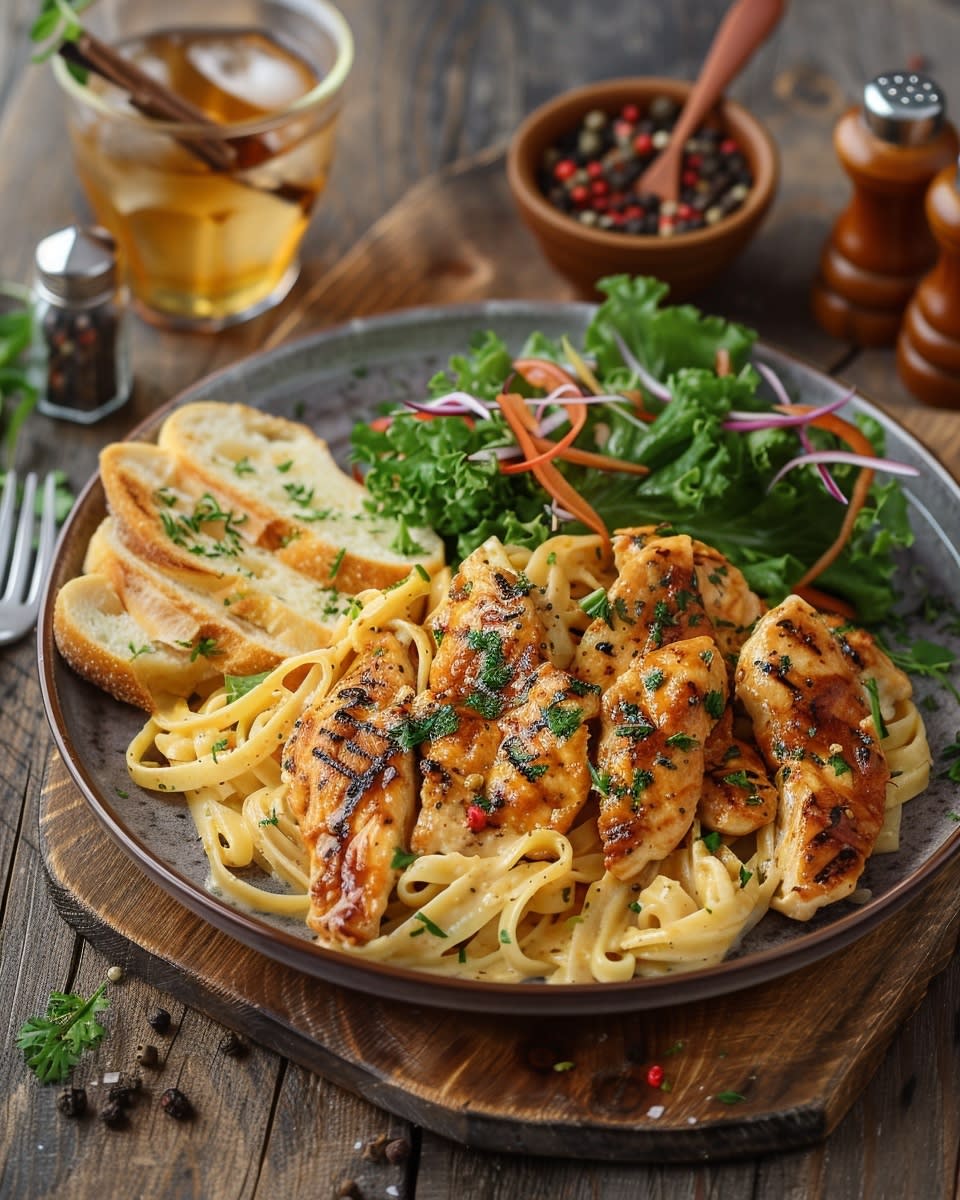
Last Tuesday night, I found myself staring into my fridge at 6 PM with zero dinner plans and a family of four waiting to eat. I had chicken breasts, heavy cream, and a jar of pasta sauce that had been sitting there for weeks. That’s when inspiration struck. I grabbed my cajun seasoning from the spice rack and created what’s now become our most requested dinner. My kids literally cheered when I told them we were having it again the following week. That spontaneous creation? Creamy Cajun Chicken Alfredo.
Welcome to my kitchen, where we’re about to explore a delicious and creamy cajun chicken alfredo recipe that will have your taste buds dancing with joy. This isn’t just another pasta dish. It’s comfort food with attitude. The kind that makes you close your eyes after the first bite and forget about everything else for a moment.
This dish is a perfect blend of rich, creamy alfredo sauce and the bold, spicy flavors of cajun seasoning, making it a favorite for both weeknight dinners and special occasions. I’ve served it at casual family dinners on random Tuesdays and at birthday celebrations on Saturday nights. It works every single time.
In this article, I’ll share with you not just how to make the best cajun alfredo sauce recipe but also some variations and tips to make it even more delightful. You’ll learn shortcuts that actually work, ingredient swaps that won’t disappoint, and the little tricks that turn a good dish into an amazing one.
Why Choose Creamy Cajun Chicken Alfredo?
Let me tell you why this dish has earned permanent resident status on my dinner rotation. First, it brings together two completely different flavor profiles that shouldn’t work together but absolutely do. The creamy, buttery alfredo sauce is smooth and gentle. The cajun seasoning is bold and a little feisty. When they meet on your plate, it’s like a flavor party nobody wants to leave.
Traditional alfredo is wonderful. I grew up eating it at Italian restaurants with my grandmother. But sometimes it can feel a bit one-dimensional. Adding cajun spices transforms it completely. You get layers of flavor. There’s heat, sure, but also smokiness, earthiness, and that distinctive Louisiana character that makes every bite interesting.
The cajun chicken alfredo combination also solves a common dinner dilemma. My husband loves spicy food. My kids prefer mild, creamy dishes. This recipe lets me adjust the heat level to keep everyone happy. I can go lighter on the cajun seasoning for the kids’ portions and kick it up for the adults. Problem solved.
Another reason I love this dish is its incredible versatility. You can serve it with practically any pasta shape. I’ve made cajun chicken alfredo penne more times than I can count because penne holds the sauce beautifully in all those little tubes. The creamy goodness gets trapped inside, and every bite delivers maximum flavor.
Fettuccine is the classic choice, and honestly, it’s gorgeous. Those wide, flat noodles get completely coated in the cajun alfredo sauce. When you twirl them on your fork, they look like something from a fancy restaurant. But here’s the truth: I’ve used rotini, rigatoni, bowtie pasta, and even spaghetti. Every single version turned out delicious.
The popularity of this dish isn’t just in my house. When I bring it to potlucks, the container comes home empty every time. My sister requests it for her birthday dinner instead of cake. My neighbor asked for the recipe after trying it once and now makes it weekly for her family.
Why has it become such a go-to choice for so many home cooks? The answer is simple: it tastes like restaurant quality but doesn’t require professional skills or hours in the kitchen. You get impressive results without the stress. That’s the sweet spot every home cook dreams about.
This recipe also adapts beautifully to whatever you have on hand. You can make cajun chicken alfredo with jar sauce when you’re short on time. I do this often, and nobody complains. Just grab your favorite jarred alfredo, doctor it up with some cajun seasoning and a splash of cream, and you’re basically done. It takes maybe 20 minutes from start to finish.
Want to add more nutrition without sacrificing taste? Try cajun chicken alfredo with broccoli. The broccoli florets soak up the spicy cream sauce and add a nice color contrast to the dish. Plus, it helps me feel slightly less guilty about serving pasta drenched in cream on a Wednesday night. My kids actually eat their vegetables this way, which is basically a parenting win.
For those crazy busy days when even 20 minutes feels like too much, there’s cajun chicken alfredo crockpot versions. Toss everything in the slow cooker before work, and come home to a house that smells incredible and dinner that’s ready to serve. I do this at least twice a month during the school year.
Some people ask if making your own sauce is worth the effort when jarred versions exist. My answer: both have their place. Homemade cajun alfredo sauce with cream cheese creates an extra silky texture that’s hard to beat. The cream cheese adds body and a subtle tang that balances the richness. When I have time, I absolutely make it from scratch.
But when I don’t have time? No shame in my jar-sauce game. Life is too short to stress about everything being homemade. The important thing is getting good food on the table and spending time with the people you love.
This chicken alfredo recipe works for so many occasions. Date night at home? Check. Quick dinner after soccer practice? Check. Meal prep for the week ahead? Check. Impressive dish when the in-laws visit? Absolutely check.
The beauty of this recipe is that it scales easily. Making it for two people? No problem. Feeding a crowd of ten? Just multiply everything and use a bigger pot. The cooking process stays the same regardless of quantity.
I’ve found that people who claim they don’t like spicy food often love this dish because the cream tames the heat. The cajun seasoning adds flavor complexity without making your mouth burn. You can always adjust the spice level to match your preferences. Start with less seasoning and add more if needed. You can always add, but you can’t take away.


How to Make the Best Cajun Alfredo Sauce Recipe
Now that you understand why this dish deserves a spot in your regular rotation, let’s get into the actual cooking part. Making the sauce is where the magic happens, and honestly, it’s way easier than you’d think.
The foundation of any great alfredo starts with quality ingredients. You don’t need fancy imported stuff, but you do need real butter, actual heavy cream, and good parmesan cheese. I buy the wedge of parmesan and grate it myself because the pre-shredded stuff has additives that prevent clumping, which also prevents smooth melting. Trust me on this one. I learned the hard way after wondering why my sauce kept turning grainy.
For the butter, I use unsalted so I can control the salt level myself. Heavy cream is non-negotiable if you want that luxurious texture. Half-and-half just doesn’t cut it. I’ve tried, thinking I could save calories. The sauce ended up thin and disappointing. Sometimes you just need to commit to the full-fat version.
Here’s the thing though. Some nights I’m absolutely making cajun chicken alfredo with jar sauce and not apologizing for it. I keep a couple jars in my pantry for those emergency dinner situations. The trick is knowing how to elevate it. Add a splash of heavy cream to make it richer. Throw in some freshly grated parmesan. Melt in a tablespoon of butter. Suddenly that jar sauce tastes homemade.
When I do make sauce from scratch, my secret weapon is cream cheese. Adding cajun alfredo sauce with cream cheese gives you this incredibly silky, thick consistency that coats pasta like a dream. I use about four ounces for a standard batch. The cream cheese also adds a subtle tanginess that cuts through the richness and keeps the sauce from feeling too heavy.
The technique matters more than you’d think. Start by melting your butter over medium heat. Not high heat. Medium. I can’t stress this enough. High heat will separate your sauce and leave you frustrated. Once the butter melts, add minced garlic and let it get fragrant for about 30 seconds. Your kitchen will smell amazing at this point.
Next comes the cream. Pour it in slowly while stirring. Let it come to a gentle simmer, not a rolling boil. This is where patience pays off. If you rush it, your sauce might break. I usually let it simmer for about three minutes, stirring occasionally. The cream will thicken slightly on its own.
Now add your cream cheese in small chunks. This helps it melt evenly without clumping. Stir constantly until everything combines into one smooth mixture. It takes maybe two minutes. Then start adding your parmesan cheese gradually, about a quarter cup at a time. Stir between additions and let each batch melt completely before adding more.
The consistency you’re looking for is thick enough to coat the back of a spoon but still pourable. If it seems too thick, add a splash of pasta water. That starchy water is liquid gold for adjusting sauce consistency. If it’s too thin, let it simmer another minute or two.
By the way, this same basic technique works for other creamy pasta dishes. I use similar methods when making creamy garlic chicken pasta or whenever I need a reliable cream sauce base.
Adding the Cajun Twist
This is where we transform basic alfredo into something spectacular. The cajun seasoning is what gives this chicken alfredo recipe its personality. I use about two tablespoons for a standard batch, but this is totally adjustable based on your heat tolerance.
My cajun seasoning includes paprika, garlic powder, onion powder, cayenne pepper, dried oregano, dried thyme, salt, and black pepper. You can buy premade cajun seasoning, and I often do. But making your own lets you control the heat level perfectly. My homemade version goes heavier on the paprika and lighter on the cayenne because my kids are still building their spice tolerance.
Add the cajun seasoning right after your sauce comes together. Stir it in thoroughly and let the sauce simmer for another minute so the spices can bloom. This releases their essential oils and distributes the flavor evenly. Taste it at this point. Seriously, taste everything as you cook. That’s the only way to know if you need adjustments.
Some recipes on cajun chicken alfredo allrecipes suggest adding hot sauce too. I sometimes do this if I want extra kick. Just a few dashes of your favorite Louisiana-style hot sauce adds depth and heat without overpowering the other flavors. Frank’s RedHot is my go-to, but use whatever you love.
Funny enough, I discovered the broccoli addition by accident. My daughter complained we never had vegetables with pasta, so one night I threw in some broccoli florets. Game changer. The cajun chicken alfredo with broccoli version has become just as popular as the original. The broccoli soaks up all that spicy, creamy sauce and adds a nice textural contrast to the pasta.
I add the broccoli about five minutes before the pasta finishes cooking. Just toss the florets right into the boiling pasta water. They cook together, then drain together. Super efficient. The broccoli comes out tender but still has some bite. Plus, the bright green looks beautiful against the creamy sauce.
You could also add bell peppers if you want. I sometimes use red and yellow peppers, sliced thin. They add sweetness that balances the spice. Mushrooms work great too. Basically, this sauce is forgiving enough to accommodate whatever vegetables you want to sneak in.
For those wondering about adjusting spice levels, here’s what I’ve learned through trial and error. If you’re serving people with different heat preferences, make the sauce slightly milder than you’d like. Then put extra cajun seasoning and hot sauce on the table so people can customize their own plates. This strategy has saved me from making multiple versions of the same dish.
The dairy in the sauce naturally tames the heat anyway. That’s why even people who claim they can’t handle spicy food usually enjoy this dish. The cream creates a buffer that mellows the cajun seasoning considerably. I’ve served this to my spice-averse mother-in-law, and she loved it.
Another tip: if you accidentally make it too spicy, add more cream and parmesan. The extra dairy will tone down the heat. I’ve rescued over-spiced sauces this way multiple times. You can also add a pinch of sugar, which sounds weird but actually works to balance excessive heat.
If you’re looking for other creamy pasta inspiration, I also love making creamy tomato basil pasta when I want something in a similar comfort food category but with different flavor profiles. It’s fascinating how cream sauce acts as such a versatile base for different seasonings and ingredients.
The key to the best cajun alfredo sauce recipe is really about balancing richness with spice, creaminess with boldness. Once you nail that balance, you can adapt this recipe endlessly. Sometimes I add sun-dried tomatoes. Other times I throw in artichoke hearts. Last week I mixed in some spinach because I had a bag about to go bad. Every version has been delicious because the base recipe is so solid.
One more thing about sauce consistency. If you’re making cajun chicken alfredo penne or any tube-shaped pasta, you want the sauce slightly thicker so it fills those pasta tubes. For long noodles like fettuccine, you can go a bit thinner because the sauce just needs to coat rather than fill. These little adjustments make a difference in the final eating experience, similar to how different pasta shapes work better in dishes like one-pot tomato basil pasta versus easy mac and cheese with breadcrumbs.


Variations and Cooking Methods for Creamy Cajun Chicken Alfredo
Here’s where this recipe gets even more interesting. Once you’ve mastered the basic technique, there are dozens of ways to spin it into something new. I’ve tried probably twenty different versions by now, and honestly, I haven’t found one I didn’t like.
Let’s start with the cajun chicken alfredo crockpot method because it’s probably saved my sanity more times than I can count. The slow cooker version is perfect for those days when you know you’ll be running around until dinner time. I use this method on days when I have back-to-back meetings or when the kids have activities that run late.
For the crockpot version, I cut the chicken into bite-sized pieces first rather than cooking whole breasts. This helps everything cook evenly and makes serving easier later. Season your chicken pieces generously with cajun seasoning, then place them at the bottom of your slow cooker. Add your jar of alfredo sauce or make a quick homemade version. Pour in about half a cup of chicken broth to keep everything from getting too thick during the long cooking time.
Set it on low for about four hours. About thirty minutes before serving, cook your pasta on the stove and add it directly to the crockpot. Stir in some extra cream and parmesan if needed. The result is tender, flavorful chicken in a sauce that’s had hours to develop deeper flavors. My house smells absolutely incredible when I walk in the door after a long day.
One thing I learned the hard way: don’t cook the pasta in the crockpot for more than thirty minutes. I once added it an hour early, and it turned into mush. Not pretty. Cook it separately right before serving, or add it at the very end. This keeps the pasta texture perfect.
The crockpot method also works beautifully for meal prep. I make a double batch on Sunday, portion it into containers, and have lunch ready for most of the week. It reheats surprisingly well in the microwave. Just add a splash of milk or cream when reheating to loosen the sauce back up.
Now let’s talk pasta shapes because this matters more than people realize. I mentioned cajun chicken alfredo penne earlier as my most-used option, but there’s a whole world of possibilities. Penne is great because those ridges and hollow centers trap the sauce. Every bite delivers maximum flavor.
Rigatoni works similarly but gives you bigger pasta tubes. I use rigatoni when I want the dish to feel heartier and more substantial. The larger pasta pieces make each forkful more satisfying. My teenage son prefers this version because he claims it “fills him up better.” Teenagers, right?
Fettuccine is the classic choice and honestly gorgeous on the plate. Those long, flat ribbons get completely coated and look restaurant-quality. I save fettuccine for when I’m trying to impress someone or when I just want to feel fancy on a random Thursday.
Bowtie pasta adds a fun visual element. The shape holds sauce in all its folds and looks playful on the plate. I make this version when kids are coming over because they think it’s more fun to eat. Sometimes presentation really does matter, especially with younger eaters.
Rotini is my secret weapon for hiding vegetables. Those spiral shapes trap not just sauce but also tiny pieces of broccoli, peppers, or spinach. My kids eat vegetables without complaining when I use rotini because everything’s mixed together so thoroughly. Sneaky? Maybe. Effective? Absolutely.
I’ve even made this with gnocchi instead of traditional pasta. Gnocchi creates this incredibly indulgent version where the pillowy potato dumplings soak up the spicy cream sauce. It feels like a completely different dish even though the sauce is the same. Try it sometime when you want to shake things up.
Speaking of shaking things up, protein variations open even more possibilities. Obviously chicken is the star here, but I’ve successfully used shrimp instead. Cajun shrimp alfredo cooks faster than chicken and feels a bit more elegant. I make the shrimp version when my parents visit because my dad loves seafood.
Andouille sausage is another fantastic option. Slice it into coins, sear it until crispy, and toss it with your pasta and sauce. The sausage adds a smoky depth that regular chicken doesn’t provide. This version feels very Louisiana, like something you’d eat in New Orleans. My husband requests this variation specifically.
You could even do a combination. Half chicken, half shrimp. Or chicken with some sausage mixed in. There’s no rule saying you can only use one protein. I did a mixed seafood version once with shrimp and scallops that was absolutely incredible, though definitely more expensive than our usual weeknight dinner.
For my vegetarian friends, this sauce works beautifully without any meat at all. Load it up with vegetables instead. I’ve made versions with mushrooms, bell peppers, zucchini, and sun-dried tomatoes that were so good nobody missed the chicken. The cajun alfredo sauce itself is the star anyway.
By the way, adjusting the micronutrient intake in this dish is easier than you’d think when you add colorful vegetables, which contribute vitamins and minerals alongside all that creamy goodness.
Perfect Side Dishes and Pairings
While this creamy cajun chicken alfredo could absolutely stand alone as a complete meal, certain sides elevate the entire dinner experience. I’ve learned through lots of trial and error which accompaniments work best.
Garlic bread is the obvious choice, and I’m not going to pretend otherwise. A crusty baguette sliced, buttered, sprinkled with garlic salt, and toasted until golden is perfect for sopping up every last bit of sauce. I make garlic bread with this dish probably eighty percent of the time. It’s classic for a reason.
But sometimes I want something lighter. A simple green salad with a tangy vinaigrette cuts through all that richness beautifully. I use mixed greens, cherry tomatoes, cucumber, and red onion with a lemon vinaigrette. The acidity balances the creamy pasta perfectly. The contrast in temperatures and textures makes the meal feel more complete.
Roasted asparagus is another favorite side. I toss asparagus spears with olive oil, salt, and pepper, then roast them at 425°F for about fifteen minutes. They come out slightly crispy with a nice char. The earthiness of asparagus complements the cajun spices surprisingly well.
Caesar salad works too, though it adds even more richness. I only do this when I’m really committing to the indulgence factor. Some nights you just need all the creamy, cheesy goodness you can handle.
For wine pairings, I usually reach for white wines that can stand up to the richness and spice. Chardonnay is my go-to, especially one with good body and a bit of oakiness. The buttery notes in the wine complement the butter in the sauce. It’s like they were made for each other.
Sauvignon blanc works if you prefer something crisper and more acidic. That brightness cuts through the cream and cleanses your palate between bites. My sister-in-law always brings sauvignon blanc when she knows I’m making this dish.
If you’re more of a red wine person, go with something lighter. Pinot noir has enough body to pair with chicken and cream without overwhelming the dish. I wouldn’t recommend heavy reds like cabernet with this because they’ll compete too much with the sauce.
Beer can be fantastic too. A crisp lager or pilsner refreshes your palate nicely. My husband prefers beer with this dish, and I can’t argue with that choice. The carbonation and coolness balance the heat from the cajun seasoning.
Non-alcoholic options matter too. Sparkling water with lemon is refreshing and keeps you from feeling too heavy after eating a rich pasta dish. Sweet tea works if you want to lean into the Southern vibes. I’ve also served this with lemonade, which sounds weird but the tartness actually complements the spice really well.
Make-Ahead and Storage Tips
This dish actually keeps and reheats better than you’d expect for a cream-based pasta. I make it ahead all the time. The sauce thickens as it sits, so when reheating, add a splash of milk or cream to loosen it back up. Heat it gently on the stovetop or in the microwave, stirring occasionally.
For meal prep, I keep the pasta and sauce separate if I’m storing it longer than a day or two. The pasta absorbs liquid over time and can get mushy. Store them in separate containers, then combine and reheat when ready to eat. This keeps everything at optimal texture.
The sauce itself freezes reasonably well, though I’ll be honest that the texture changes slightly. It might look a bit separated when you thaw it, but stirring while reheating usually brings it back together. I freeze sauce in portions for quick future meals.
Cooked chicken freezes great, so sometimes I cook extra chicken specifically to have on hand for making this dish faster. Season it, cook it, let it cool, then freeze in portions. Pull it out and dice it frozen or thaw it first.
Leftover cajun chicken alfredo transforms beautifully into other dishes too. I’ve used it as filling for stuffed shells. Mixed it with extra cheese and baked it as a casserole. Even used it as a topping for baked potatoes. The versatility means nothing goes to waste.
If you’re planning to serve this at a dinner party, you can make the sauce a few hours ahead. Keep it warm on the lowest stovetop setting, stirring occasionally. Cook the pasta right before serving so it’s fresh and hot. Toss everything together at the last minute for best results.
Whether you’re exploring different pasta and noodles recipes or perfecting your alfredo technique, remember that cooking is supposed to be enjoyable, not stressful.
Honestly, the more you make this recipe, the more confident you’ll become with adjustments and variations. Start with the basic version until you feel comfortable, then branch out. Try different pasta shapes. Experiment with vegetables. Adjust the spice level. Make it your own. That’s when cooking becomes truly fun rather than just following instructions. You’ve got this.
Frequently Asked Questions
Is cajun chicken good with Alfredo?
Absolutely yes, and it’s one of the best flavor combinations I’ve discovered. The creamy, rich alfredo sauce provides a perfect backdrop for the bold cajun spices. The cream actually mellows the heat while allowing all those complex flavors to shine through. The combination creates layers of taste that keep every bite interesting. Even people who normally avoid spicy food often love this dish because the dairy tames the heat considerably. I’ve served it to dozens of people over the years, and the response is consistently enthusiastic.
What is the secret to creamy Alfredo sauce?
The real secret involves three things: quality ingredients, proper temperature control, and patience. Always use real heavy cream, not half-and-half or milk substitutes, because you need that fat content for proper texture. Adding cream cheese creates extra silkiness and body that regular alfredo doesn’t have. Keep your heat at medium, never high, because high heat causes the sauce to separate and become grainy. Grate your own parmesan from a block rather than using pre-shredded cheese, which contains anti-caking agents that prevent smooth melting. If you follow these guidelines, your sauce will turn out perfectly creamy every time.
Is chicken alfredo okay for a pregnant woman?
Generally speaking, chicken alfredo is safe during pregnancy if you prepare it properly. The main consideration is making sure the chicken reaches an internal temperature of 165°F to eliminate any harmful bacteria. Use pasteurized dairy products, which commercial cream, cheese, and milk always are in the United States. Avoid adding any soft, unpasteurized cheeses like fresh mozzarella from farmers markets unless you verify pasteurization. The dish provides protein and calcium, which are beneficial during pregnancy. However, every pregnancy is different, so always consult your healthcare provider about your specific dietary needs and restrictions.
How to make creamy cajun chicken?
Start by seasoning chicken breasts generously with cajun spices on both sides. Cook them in a hot skillet with a bit of oil until they reach 165°F internally and develop a nice crust. Let the chicken rest before slicing to keep it juicy. Meanwhile, make your cream sauce by melting butter, adding garlic, then pouring in heavy cream and letting it simmer gently. Stir in cream cheese and parmesan until smooth, then add more cajun seasoning to the sauce itself. The key is balancing the spice level between the chicken and the sauce so you get cajun flavor throughout without overwhelming heat.
Can I use a different type of milk instead of heavy cream?
While you technically can substitute other dairy, the results won’t be the same. Heavy cream has the fat content necessary for that luxurious, thick texture that defines alfredo sauce. If you use milk or half-and-half, your sauce will be much thinner and less rich. I’ve tried this substitution when trying to reduce calories, and honestly, it was disappointing. If you must use something lighter, half-and-half is your best option, but you’ll need to thicken it with extra cheese or a bit of cornstarch. For the authentic creamy experience, stick with heavy cream.
How long does leftover cajun chicken alfredo last in the fridge?
Properly stored in an airtight container, this dish keeps for about three to four days in the refrigerator. Make sure to refrigerate it within two hours of cooking to prevent bacterial growth. The sauce will thicken considerably as it sits, which is completely normal. When reheating, add a splash of milk or cream to restore the original consistency. I don’t recommend keeping it longer than four days because dairy-based sauces can develop off flavors after that. If you know you won’t eat it within that timeframe, freeze it instead for longer storage.
Can I make this dish ahead for a dinner party?
Yes, with some strategic planning, this works great for entertaining. I make the sauce a few hours ahead and keep it warm on the stovetop’s lowest setting, stirring occasionally to prevent a skin from forming. Cook and season the chicken ahead, then slice it right before serving. The only thing you must do last-minute is cook the pasta, which takes just ten minutes. Alternatively, make everything the day before, refrigerate it separately, then reheat and combine before serving. This approach removes stress from party day while still delivering fresh-tasting results that your guests will love.
What’s the best way to adjust the spice level?
Start conservatively with about one tablespoon of cajun seasoning for the entire recipe, then taste and add more if needed. Remember that you can always add more spice, but you can’t take it away. The cream naturally tames the heat, so what seems spicy while cooking will mellow once mixed with pasta. If you accidentally make it too spicy, add more cream and parmesan to dilute the heat. For families with different spice preferences, make the base slightly mild and offer extra cajun seasoning and hot sauce at the table so everyone can customize their own plate.
Can I use rotisserie chicken to save time?
Absolutely, and I do this frequently on busy nights. A store-bought rotisserie chicken cuts your prep time significantly. Just remove the skin, pull the meat off the bones, and dice it into bite-sized pieces. Since it’s already seasoned, you might want to reduce the salt in your sauce slightly. The chicken is already cooked, so you’re just warming it through in the sauce. This shortcut transforms the recipe into a 20-minute meal without sacrificing much flavor. Keep rotisserie chicken in mind for those nights when you want homemade food but don’t have the energy for extensive cooking.
What vegetables work best with cajun chicken alfredo?
Broccoli is my top choice because it holds up well in the sauce and adds nice color contrast. Bell peppers bring sweetness that balances the spice beautifully, and I especially love red and yellow varieties for their vibrant colors. Spinach wilts right into the sauce and adds nutrition without changing the texture much. Mushrooms contribute earthiness and substance that complements the chicken. Sun-dried tomatoes add tangy brightness that cuts through the richness. Asparagus works if you chop it small enough. Really, most vegetables that you enjoy can work in this dish as long as you cook them properly before adding them to the sauce.
Ingredients
Equipment
Method
- Assaisonnez les poitrines de poulet avec l'assaisonnement cajun.
- Faites fondre le beurre dans une poêle à feu moyen et ajoutez l'ail haché, en le faisant cuire jusqu'à ce qu'il soit parfumé.
- Ajoutez la crème épaisse et laissez mijoter doucement.
- Incorporez le fromage à la crème jusqu'à obtenir une consistance lisse et homogène.
- Ajoutez progressivement le fromage Parmesan râpé, en remuant continuellement.
- Ajustez l'assaisonnement avec du sel et du poivre selon nécessité.
- Faites cuire les pâtes selon les instructions sur l'emballage, en réservant un peu d'eau de cuisson des pâtes.
- Combinez les pâtes cuites avec la sauce, en ajoutant de l'eau de cuisson des pâtes si nécessaire pour obtenir la consistance désirée.
- Servez chaud, garni d'assaisonnement cajun supplémentaire ou de Parmesan si désiré.