
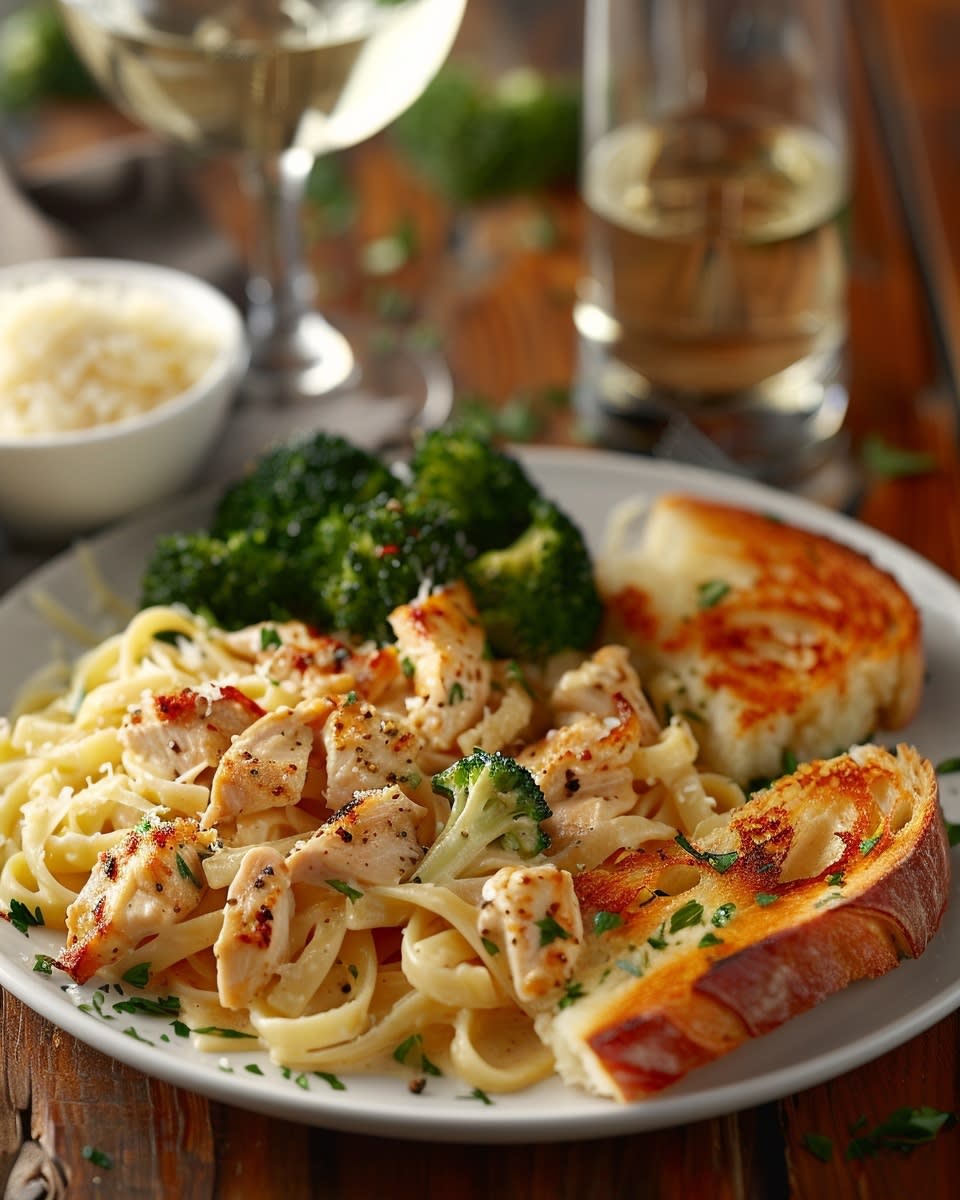
Welcome to My Kitchen: Let’s Make Creamy Garlic Chicken Pasta
Last Tuesday night, I opened my fridge and found myself staring at leftover chicken, a box of pasta, and some cream that needed using. My family was hungry, and I had about thirty minutes before everyone started raiding the snack cabinet. That’s when I threw together what has now become our most-requested dinner: creamy garlic chicken pasta. The kitchen filled with the smell of garlic sizzling in butter, and within minutes, my kids were hovering around the stove asking when dinner would be ready.
Today, I’m sharing this recipe with you because it saved my weeknight back then, and it continues to be my go-to meal when I need something quick yet impressive. This isn’t just another pasta dish. It’s the kind of meal that makes your family think you spent hours cooking when you really didn’t. The creamy sauce clings to every piece of pasta, the garlic adds that perfect savory punch, and the chicken makes it filling enough to satisfy even the biggest appetites.
I’ll walk you through not only how to make this creamy chicken pasta, but also share variations I’ve tried over the months. Some worked brilliantly, like adding spinach for extra nutrition. Others taught me valuable lessons, like the time I added too much garlic (yes, that’s actually possible). Whether you’re cooking for picky eaters or trying to impress dinner guests, this recipe adapts to whatever you need.
Why Choose This Creamy Garlic Chicken Pasta Recipe?
If you love rich, comforting food that doesn’t require advanced cooking skills, this dish checks all the boxes. The combination of tender chicken, al dente pasta, and a velvety garlic sauce creates something special without complicated techniques or hard-to-find ingredients. I’ve made this recipe on chaotic weeknights when I’m rushing between activities, and I’ve also served it at casual dinner parties where it earned compliments from every guest.
The beauty of creamy chicken penne pasta lies in its flexibility. You can use whatever pasta shape you have in your pantry. Penne works wonderfully because the sauce gets inside those little tubes, but I’ve also used fettuccine, rigatoni, and even bow ties with great results. The sauce doesn’t discriminate, and neither should you when you’re standing in your kitchen wondering which box to grab.
One reason I keep coming back to this recipe is how it handles modifications. My sister is lactose intolerant, so I’ve made versions with coconut cream that turned out surprisingly delicious. When my neighbor needed a dairy-free option, I created a chicken garlic pasta olive oil version that used olive oil as the base instead of cream. It had a lighter feel but still delivered on flavor.
Perfect for Any Occasion
This pasta works for quick Tuesday dinners when you’re exhausted from work. It also shines at weekend gatherings when you want to feed a crowd without stress. I’ve served it as a main course at birthday celebrations, brought it to potlucks where it disappeared first, and made double batches for meal prep that lasted me through busy weeks.
The recipe scales easily too. When it’s just me and my partner, I halve everything. When extended family visits, I triple the ingredients and use my largest pot. The cooking time stays roughly the same regardless of batch size, which means you’re not stuck at the stove for hours even when feeding ten people.
Parents with young children will appreciate how this dish sneaks in protein and carbs that kids actually eat. My seven-year-old, who claims to hate “fancy food,” asks for this regularly. The creamy sauce makes vegetables more appealing too. I often make creamy spinach chicken pasta by stirring in fresh spinach right before serving. The leaves wilt into the hot sauce, and suddenly my kids are eating greens without complaint.
The Appeal of Creamy, Garlicky Goodness
There’s something deeply satisfying about creamy pasta. The sauce coats your tongue, delivers flavor in every bite, and makes you feel like you’re eating something indulgent. Garlic adds a savory depth that cuts through the richness of cream, creating balance. When you add tender pieces of seasoned chicken, you get a complete meal that feels restaurant-quality but comes from your own kitchen.
I love garlic, but I know some people worry about overpowering their dish. The key is cooking the garlic properly. Raw garlic tastes sharp and can be overwhelming. When you cook it in butter or oil until it’s fragrant and slightly golden, it becomes mellow and sweet. That’s when the magic happens. That’s when your whole house smells amazing and people start wandering into the kitchen asking what you’re making.
If you’re looking for variety, you can explore related options like creamy garlic chicken and rice, which uses similar flavors but swaps pasta for rice. I make that version when I want something equally comforting but with a different texture. You could also try creamy garlic chicken pasta bake, where you transfer everything to a baking dish, top it with cheese, and bake until bubbly and golden. That version is perfect for bringing to gatherings because it stays warm longer and looks impressive coming out of the oven.
Versatility That Fits Your Life
One of my favorite things about this recipe is how it bends to fit different dietary needs and taste preferences. Want more vegetables? Throw in garlic chicken pasta broccoli for added nutrition and color. The broccoli florets cook right in the same pot as the pasta, saving you dishes and time. Need a lighter sauce? Try a chicken pasta with garlic butter sauce instead of cream. It still tastes rich but won’t leave you feeling overly full.
I’ve adapted this recipe for various occasions throughout the year. During summer, I add fresh cherry tomatoes and basil for brightness. In fall, I stir in mushrooms and a pinch of thyme for earthier flavors. Winter calls for extra garlic and sometimes a splash of white wine in the sauce. Spring inspires me to add asparagus and lemon zest for a fresher take on the classic.
The recipe also works with different proteins if you want to experiment. I’ve made it with shrimp instead of chicken when I wanted something that cooked even faster. Turkey works great too, especially around holidays when I have leftovers to use up. Vegetarians in my life enjoy it when I skip the meat entirely and double up on vegetables, creating a creamy chicken pasta in white sauce minus the chicken but plus mushrooms, zucchini, and bell peppers.
You can prep components ahead of time, which makes this recipe even more practical for busy schedules. I sometimes cook the chicken in the morning, store it in the fridge, and then just make the pasta and sauce when dinner time rolls around. The chicken reheats beautifully when you toss it with the hot pasta and sauce. You could also make the entire dish ahead, refrigerate it, and gently reheat it on the stove with a splash of milk or cream to loosen the sauce.
Whether you’re new to cooking or have years of experience, this creamy garlic chicken pasta will become a reliable friend in your recipe collection. It’s forgiving when you’re learning, impressive when you want to show off, and always delicious when you need comfort food that delivers.


Gathering Everything You Need for Creamy Garlic Chicken Pasta
Now that you know why this dish works so well, let’s actually get into making it. I keep my ingredients simple because I don’t want to spend an hour hunting down specialty items at three different stores. Most of what you need is probably already sitting in your kitchen right now, waiting to become dinner.
For the chicken, I use about one and a half pounds of boneless, skinless chicken breasts or thighs. Thighs stay juicier if you’re worried about drying out the meat, but breasts work perfectly fine if that’s what you have. I cut them into bite-sized pieces before cooking, which makes everything come together faster and ensures every forkful has protein. Season them with salt, pepper, and maybe some Italian seasoning if you’re feeling fancy.
The pasta portion needs about twelve ounces of your chosen shape. Penne is my default because those ridges and hollow centers trap sauce beautifully, making every bite flavorful. But honestly, I’ve used whatever was open in my pantry. Rigatoni, fusilli, farfalle—they all work. Just cook it according to package directions until it’s al dente, which means it still has a slight bite when you test it. Mushy pasta ruins this dish faster than anything else.
For the creamy garlic sauce, you’ll need butter, lots of fresh garlic, heavy cream, and chicken broth. I use about four tablespoons of butter and six to eight cloves of garlic, minced. Yes, that sounds like a lot of garlic, but remember it mellows when cooked. The heavy cream is what makes this sauce luxuriously thick—I use around one and a half cups. Then add half a cup of chicken broth to balance the richness and give the sauce better consistency. Some Parmesan cheese at the end brings everything together with a salty, nutty finish.
The Step-by-Step Process That Actually Works
Here’s the thing about cooking this dish: the order matters more than you might think. I learned this the hard way when I tried doing everything at once and ended up with burnt garlic and overcooked chicken. Now I follow a specific sequence that makes everything turn out right.
Start by getting your pasta water boiling. Salt it generously—it should taste like the ocean. While that’s heating up, cut your chicken into uniform pieces so they cook evenly. Heat a large skillet over medium-high heat with a drizzle of olive oil. When it’s hot, add your chicken pieces in a single layer. Don’t crowd the pan or they’ll steam instead of getting that nice golden exterior. Season with salt and pepper right in the pan.
Cook the chicken for about five to seven minutes, flipping halfway through, until it’s golden brown and cooked through. The internal temperature should hit 165 degrees if you’re checking with a thermometer. Once done, transfer the chicken to a plate and set it aside. Don’t worry about keeping it warm—it’ll heat back up when we add it to the sauce later.
By the way, this is when your pasta water is probably boiling. Drop in your pasta and set a timer. You want it done right when your sauce is ready, so timing here makes a difference. I usually aim to have the pasta finishing up just as I’m combining everything.
In the same skillet where you cooked the chicken, reduce the heat to medium and add your butter. Let it melt completely, then add all that minced garlic. This is a critical moment. You want the garlic to become fragrant and just slightly golden, which takes about one minute. Stay right there at the stove and stir constantly. Burnt garlic tastes bitter and will ruin your sauce, so don’t walk away to check your phone or start loading the dishwasher. I’ve made that mistake before, and my family still remembers the batch I had to throw out.
Once your garlic smells amazing, pour in the chicken broth and use a wooden spoon to scrape up any browned bits from the bottom of the pan. Those bits are flavor gold. Let the broth simmer for about two minutes to reduce slightly. Then pour in the heavy cream and stir everything together. The sauce will look thin at first, but don’t panic. Let it simmer gently for about five minutes, stirring occasionally, and it’ll thicken up beautifully.
Getting That Perfect Creamy Consistency
The consistency of your sauce can make or break this dish. Too thin and it slides off the pasta like water. Too thick and it becomes gloppy and heavy. I’ve learned a few tricks over the months to nail it every single time.
First, don’t rush the simmering process. That five-minute gentle simmer is when the sauce reduces and thickens naturally. If you crank up the heat to speed things along, the cream can break and become grainy. Medium or medium-low heat is your friend here. Patience pays off.
If your sauce seems too thin after simmering, you have options. You can let it cook a bit longer until more liquid evaporates. Or you can add grated Parmesan cheese, which thickens while adding flavor. I usually stir in about half a cup of freshly grated Parmesan at this stage anyway, so that often solves any thickness issues naturally.
On the flip side, if your sauce gets too thick—which happens if you simmer too long or use extra-heavy cream—just thin it out with some of that starchy pasta cooking water. Save a cup of pasta water before draining. That starchy water is magical because it loosens the sauce while helping it cling to the pasta better. Add it a tablespoon at a time until you reach the consistency you want. I learned this trick from watching cooking shows, and it’s been a game-changer in my kitchen.
Sometimes I’ll make this as a creamy chicken pasta bake where thickness matters even more since the sauce continues cooking in the oven. For that version, I make the sauce slightly thinner than usual because it’ll reduce more while baking. Speaking of baked pasta dishes, I use similar techniques when I make baked ziti with ground beef, where getting the sauce consistency right before it goes in the oven is crucial.
Common Mistakes You’ll Want to Avoid
I’ve messed up this recipe enough times to know exactly what can go wrong. Let me save you from my mistakes. The biggest problem people run into is overcooking the chicken. Dry, rubbery chicken turns this comfort food into a chore to eat. Cut your chicken into smaller pieces so it cooks faster and more evenly. And remember, it’ll warm up again in the sauce, so you don’t need to cook it beyond done.
Another mistake is using pre-minced garlic from a jar. I know it’s convenient, and I’m definitely not a food snob, but fresh garlic makes a noticeable difference here. The jarred stuff has a sharper, almost chemical taste that doesn’t mellow the same way when cooked. Fresh garlic cloves take an extra two minutes to peel and mince, and those two minutes are worth it.
Don’t use low-fat cream or milk as a substitute for heavy cream unless you’re specifically making a lighter version. The sauce won’t have the same richness or thickness, and it’s more likely to break when simmering. If you need a lighter option, commit to it fully and make a chicken pasta with garlic butter sauce instead, where the base is butter and olive oil rather than cream. That’s a delicious alternative that doesn’t pretend to be something it’s not.
Creative Ways to Customize Your Creamy Chicken Pasta
Funny enough, some of my favorite versions of this dish came from moments when I didn’t have all the exact ingredients and had to improvise. That’s when I discovered how adaptable this recipe really is.
Adding vegetables transforms this from a simple pasta dish into something more balanced. I frequently make garlic chicken pasta broccoli by throwing florets into the pasta water during the last three minutes of cooking. The broccoli gets perfectly tender, and I don’t dirty another pot. When I drain the pasta, the broccoli comes with it, and then everything gets tossed with the sauce and chicken. My kids actually eat their vegetables this way, which feels like a parenting win.
For a creamy spinach chicken pasta, I add about three cups of fresh spinach right into the finished sauce. The heat wilts it immediately, and it adds color and nutrition without changing the flavor much. Baby spinach works best because it’s already tender. Regular spinach has thicker stems that I find less appealing in this dish. If you like pasta with greens, you might also enjoy spinach ricotta stuffed shells, which takes that spinach and cheese combination in a different direction.
Tomatoes add a bright acidity that cuts through the cream. I sometimes dice up a cup of cherry tomatoes and stir them in at the end. They soften slightly from the heat but maintain their shape and add little bursts of freshness. This reminds me of when I make creamy tomato basil pasta, where tomatoes play a starring role alongside the cream.
If you want to try creamy garlic chicken and rice instead of pasta, the process is surprisingly similar. Cook your rice separately, make the sauce exactly as written, add the chicken back in, and then fold in the cooked rice instead of pasta. I sometimes do this when I’m feeding someone who can’t eat wheat, and it’s just as satisfying. The rice soaks up that creamy garlic sauce like a dream.
For the baked version that I mentioned earlier, transfer your finished pasta dish to a greased baking dish, sprinkle the top with mozzarella and more Parmesan, and bake at 375 degrees for about twenty minutes until the cheese is melted and bubbly. If you want a crispy top, run it under the broiler for the last two minutes. This creamy garlic chicken pasta bake is perfect for potlucks because it travels well and stays warm longer. The crispy cheese topping adds a textural contrast that people love. I use a similar approach when making easy mac and cheese with breadcrumbs, where that crunchy topping makes everything better.
Sometimes I make a lighter chicken garlic pasta olive oil version by skipping the cream entirely. Instead, I use a generous amount of good olive oil, garlic, chicken broth, and pasta water to create a light sauce. Toss in lemon zest and red pepper flakes for brightness and heat. It’s not the same as the creamy version, but it’s delicious in its own right when you want something that won’t weigh you down.
The creamy chicken pasta in white sauce name basically describes what we’re already making, though some people use it to refer to a béchamel-based sauce instead of a cream-based one. I’ve tried both methods, and honestly, the straight cream version is simpler and tastes just as good without the extra step of making a roux.
Whatever variation you choose, the foundation stays the same: well-seasoned chicken, properly cooked pasta, and a sauce that brings everything together. Master the basic version first, then play around with additions and modifications until you find your family’s favorite combination.


What to Serve Alongside Your Creamy Garlic Chicken Pasta
Honestly, this creamy garlic chicken pasta is filling enough to stand on its own, but I almost always serve something on the side to round out the meal. The richness of the dish practically begs for something fresh and crisp to balance it out. My go-to pairing is a simple green salad with a light vinaigrette. The acidity from the dressing cuts through all that cream and makes each bite feel less heavy.
I usually toss together some mixed greens, cucumber slices, cherry tomatoes, and maybe some thinly sliced red onion. For the dressing, I whisk together olive oil, lemon juice, a touch of Dijon mustard, salt, and pepper. Takes about three minutes to make, and it complements the pasta perfectly without competing with those garlic flavors. Sometimes I’ll throw in some toasted pine nuts or slivered almonds for crunch. The contrast between the warm, creamy pasta and the cool, crisp salad makes the whole meal more interesting.
Bread is another winner at my table. I know, I know—carbs on carbs. But hear me out. A crusty baguette or some garlic bread gives you something to soak up any extra sauce left on your plate. I’ve watched my husband use bread to chase down every last bit of that creamy sauce, and honestly, I can’t blame him. If you’re making garlic bread anyway, you’re already warming up the oven, which makes it the perfect time to try the creamy garlic chicken pasta bake version instead of the stovetop method.
For vegetables beyond salad, roasted asparagus works beautifully. I drizzle the spears with olive oil, sprinkle them with salt and pepper, and roast them at 400 degrees for about twelve minutes while the pasta’s cooking. The slight char on the asparagus adds a smoky note that plays well with the garlic in the pasta. Green beans are another solid choice, especially if you sauté them quickly with a bit of butter and lemon zest.
As for drinks, white wine is the classic pairing with creamy pasta dishes. I’m not a wine expert by any stretch, but I’ve found that a crisp Pinot Grigio or Sauvignon Blanc works nicely. The acidity in these wines balances the richness of the cream sauce. If you prefer red wine, a light-bodied option like Pinot Noir won’t overwhelm the dish. For non-alcoholic options, sparkling water with a squeeze of lemon or lime keeps things refreshing without adding more heaviness to your meal.
My kids obviously aren’t drinking wine with dinner, so I usually pour them some lemonade or iced tea. The slight sweetness seems to appeal to them, and they’re happy as long as they get something other than plain water. On special occasions, I’ll make homemade lemonade with fresh lemons, and it feels a bit more celebratory than the store-bought stuff.
Storing Leftovers and Bringing Them Back to Life
Here’s the thing about creamy chicken pasta leftovers: they’re honestly just as good the next day if you store and reheat them properly. I’ve learned some tricks over time that prevent the pasta from turning into a dried-out, sad mess in the fridge.
First, let the pasta cool down to room temperature before you pack it away. I usually spread it out on a baking sheet for about ten minutes to speed up the cooling process. Don’t leave it out for more than two hours though—food safety matters. Once it’s cooled, transfer it to an airtight container. Glass containers with tight-fitting lids work best because they don’t absorb odors or stain like plastic sometimes does.
The sauce will thicken considerably in the fridge overnight. That’s totally normal. The cream solidifies when cold, so don’t panic when you open your container the next day and find something that looks more like a casserole than saucy pasta. It’ll loosen right back up when you reheat it properly.
For reheating, the stovetop method gives you the best results. Put your leftover pasta in a skillet or saucepan over medium-low heat. Add a splash of milk, cream, or chicken broth—about two to three tablespoons per serving. Stir frequently as it heats up, and the sauce will thin out and become creamy again. It usually takes about five to seven minutes to heat through completely. Make sure the chicken reaches a safe temperature before you eat it.
If you’re in a hurry, the microwave works too, though the results aren’t quite as good. Put your pasta in a microwave-safe bowl, add that splash of liquid, and cover the bowl with a damp paper towel. This keeps moisture in and prevents the pasta from drying out. Heat in thirty-second intervals, stirring between each one, until everything’s hot. The texture won’t be quite as silky as the stovetop method, but it’s perfectly acceptable for a quick lunch.
Properly stored, your creamy garlic chicken pasta will last three to four days in the refrigerator. I wouldn’t push it beyond that because the dairy can start to go off. If you think you won’t eat it within that timeframe, freezing is an option, though I’ll be honest—cream sauces can be temperamental when frozen. The texture sometimes gets grainy when you thaw and reheat it. If you do freeze it, use a freezer-safe container and consume it within two months for best quality.
By the way, if you’re planning to make this as meal prep, I’d recommend slightly undercooking the pasta initially. It’ll finish cooking when you reheat it, and you’ll avoid that mushy texture that happens when pasta gets cooked twice. I learned this trick when I started batch cooking on Sundays for the week ahead.
Making the Most of This Versatile Recipe
One thing I love about having mastered this creamy chicken penne pasta is how it’s opened doors to other recipes. The basic technique of making a cream sauce with garlic transfers to so many other dishes. Once you’re comfortable with this method, you can apply it to seafood pasta, different vegetables, or even potato dishes. It’s like learning a foundational skill that keeps giving back.
I’ve taken the flavors from this pasta and applied them to a creamy garlic chicken and rice dish that my family requests during winter months when we’re craving something hearty. The rice soaks up that sauce differently than pasta does, creating an almost risotto-like texture without all the stirring that risotto demands. I make it in a large skillet, and it becomes this one-pan meal that satisfies everyone at the table.
The baked version I mentioned earlier deserves more attention because it’s genuinely different from the stovetop version. When you make creamy garlic chicken pasta bake, the edges get slightly crispy, the cheese on top becomes golden and bubbly, and the whole thing develops these concentrated pockets of flavor where the sauce reduces a bit more in the oven. I bring this version to gatherings because it holds its temperature better than stovetop pasta, making it ideal for buffet-style serving.
For anyone watching their calorie intake but still wanting something satisfying, the chicken garlic pasta olive oil version I touched on earlier is worth exploring fully. Instead of cream, you’re building flavor with good quality olive oil, fresh garlic, lemon, and herbs. The sauce is lighter but still coats the pasta beautifully. You get healthy fats from the olive oil, which support various bodily functions while keeping the dish flavorful. Add some vegetables like zucchini or bell peppers, and you’ve got a Mediterranean-inspired meal that feels completely different from the cream-based version but uses the same basic techniques.
The creamy spinach chicken pasta variation has become my sneaky way to get more greens into my family’s diet. I buy those big containers of baby spinach, and I can easily work through half of one in a single batch of this pasta. The spinach wilts down so much that what looks like a massive amount raw becomes just the right quantity once it’s stirred into the hot sauce. Spinach adds iron and vitamins without changing the flavor profile much, which makes it perfect for picky eaters who claim they don’t like vegetables.
I’ve also experimented with adding sun-dried tomatoes to create a slightly tangy variation. The concentrated tomato flavor adds complexity, and those chewy bits of tomato provide textural contrast to the creamy sauce. If you try this, use the kind packed in oil rather than the completely dried ones, and chop them up before adding them to your sauce.
Mushrooms are another addition that works surprisingly well. I slice baby bella mushrooms and sauté them along with the chicken at the beginning. They release their moisture, brown beautifully, and add an earthy, umami depth to the finished dish. If you’re someone who enjoys mushrooms, this variation might become your new favorite. The mushrooms also make the dish feel more substantial if you’re trying to stretch the chicken a bit further to feed more people.
For anyone interested in exploring more variations within this category of comfort food, there’s a whole world of pasta and noodles dishes that use similar techniques with different flavor profiles, giving you endless options for weeknight dinners.
Final Thoughts on Making This Your Own
The beauty of creamy garlic chicken pasta is that once you make it a few times, you’ll stop needing to follow the recipe exactly. You’ll develop an instinct for how much garlic you prefer, whether you like your sauce thicker or thinner, and which vegetables your family actually eats. That’s when cooking becomes less about following instructions and more about creating something that fits your life perfectly. Don’t be afraid to experiment, adjust seasonings to your taste, and make this dish truly yours.
Frequently Asked Questions About Creamy Garlic Chicken Pasta
What are some good substitutes for heavy cream in this recipe?
Half-and-half works but creates a thinner sauce that won’t be quite as rich. You can compensate by adding a bit of cream cheese or simmering longer to reduce it. For a dairy-free option, coconut cream from a can gives you similar thickness, though it adds a subtle coconut flavor that some people love and others find distracting. Cashew cream is another non-dairy alternative that blends soaked cashews with water to create a creamy base. Greek yogurt can work if you add it off the heat at the very end, but it can curdle if you let it boil.
Can I use other types of protein instead of chicken?
Absolutely. Shrimp cooks even faster than chicken and pairs beautifully with garlic cream sauce. Just sauté the shrimp until they’re pink and opaque, about two to three minutes per side. Turkey works great, especially if you have leftover roasted turkey from holidays. Italian sausage adds a completely different flavor profile—remove the casings, crumble it, and brown it like ground beef. Even firm tofu can work if you press it well, cube it, and pan-fry it until golden before adding it to your pasta.
Is there a way to make this dish healthier without compromising the flavor?
Use whole wheat pasta for added fiber and nutrients. Swap heavy cream for a combination of low-fat milk and Greek yogurt, though you’ll need to add the yogurt at the end off the heat. Load up on vegetables like spinach, broccoli, mushrooms, and tomatoes to increase the nutritional value while reducing the pasta-to-vegetable ratio. You could also use less pasta overall and serve it over cauliflower rice or zucchini noodles. The chicken garlic pasta olive oil version naturally has fewer calories since it skips the cream entirely while still delivering big flavor.
How can I make this dish spicier?
Red pepper flakes are the easiest addition—just sprinkle them in when you’re cooking the garlic. Start with half a teaspoon and adjust from there based on your heat tolerance. Fresh jalapeños or serrano peppers add both heat and flavor if you mince them and cook them with the garlic. Cayenne pepper works too, but it’s quite concentrated, so start with just a pinch. Hot sauce like sriracha or your favorite brand can be stirred in at the end. I sometimes put the hot sauce on the table so people can customize their own heat level rather than making the whole pot spicy.
What are some vegetarian options for this recipe?
Skip the chicken entirely and double or triple the vegetables. Mushrooms, zucchini, bell peppers, cherry tomatoes, and spinach all work wonderfully in the creamy chicken pasta in white sauce minus the chicken. You could also add white beans or chickpeas for protein and substance—they absorb the sauce beautifully. Roasted vegetables like eggplant or butternut squash bring sweetness and texture. Some people add vegetarian “chicken” strips or crumbled tempeh if they want something that mimics the original protein component. The creamy garlic sauce is so flavorful that you honestly won’t miss the meat if you load up on delicious vegetables.
Can I make this recipe ahead of time for a dinner party?
You can cook everything up to the point where you’d normally serve it, then store it in the fridge for up to a day. When your guests arrive, gently reheat it on the stovetop with a splash of cream or milk to loosen the sauce. The creamy garlic chicken pasta bake version actually works even better for advance prep since you can assemble the entire dish, cover it with foil, refrigerate it, and then just pop it in the oven when you’re ready. Add about ten extra minutes to the baking time if you’re starting from cold. Just don’t add the cheese topping until right before baking or it’ll get soggy in the fridge.
What’s the best way to prevent the garlic from burning?
Use medium or medium-low heat when cooking garlic, never high heat. Add the garlic to melted butter or oil and stir it constantly for about one minute until it’s fragrant but not browned. If your garlic starts turning dark brown or black, it’s burnt and will taste bitter—there’s no saving it at that point. Just dump it out, wipe the pan, and start over with fresh butter and garlic. Mincing the garlic into uniform pieces also helps because then everything cooks at the same rate instead of having tiny pieces burn while larger chunks stay raw. Some people add the garlic to cold butter and then heat them together, which gives you more control over the cooking process.
How do I keep the chicken tender and juicy?
Don’t overcook it, which is easier to avoid if you cut it into smaller, uniform pieces. They’ll cook faster and more evenly. Using chicken thighs instead of breasts helps too since thighs have more fat and stay moister. Pound your chicken breasts to an even thickness before cutting if they’re particularly thick on one end. Let the chicken rest for a few minutes after cooking and before slicing or adding it back to the sauce—this allows the juices to redistribute. Finally, remember that the chicken will warm up again when you toss it with the hot pasta and sauce, so you don’t need to cook it to death initially.
Why did my cream sauce separate or look curdled?
This usually happens when the heat is too high or when you add an acidic ingredient like lemon juice directly to boiling cream. Heavy cream is more stable than lighter dairy products, but it can still break if you’re not careful. Keep your heat at medium or medium-low when simmering the sauce. If you want to add lemon juice or wine, do it earlier in the process when you’re deglazing with the broth, not after the cream is already in. If your sauce does separate, sometimes you can save it by removing it from heat and whisking vigorously, or by adding a tablespoon of cold cream and whisking until it comes back together.
Can I use dried herbs instead of fresh ones?
Yes, but adjust the quantities because dried herbs are more concentrated. Use about one-third of the amount you would use fresh. So if a variation calls for one tablespoon of fresh basil, use one teaspoon of dried basil instead. Add dried herbs earlier in the cooking process so they have time to rehydrate and release their flavors. Fresh herbs are better added at the end to preserve their bright flavor and color. Italian seasoning is a convenient blend that works well in this creamy chicken penne pasta, giving you oregano, basil, thyme, and sometimes rosemary all in one shake. I keep a jar in my spice cabinet specifically for quick weeknight pasta dishes.
Ingredients
Equipment
Method
- Faire bouillir une grande casserole d'eau salée pour les pâtes.
- Couper le poulet en morceaux de la taille d'une bouchée, assaisonner avec du sel et du poivre.
- Chauffer l'huile d'olive dans une grande poêle à feu moyen-vif et ajouter le poulet en une seule couche.
- Cuire le poulet pendant environ 5 à 7 minutes jusqu'à ce qu'il soit doré et cuit; transférer sur une assiette.
- Une fois que l'eau des pâtes bout, ajouter les pâtes et cuire selon les instructions du paquet jusqu'à ce qu'elles soient al dente.
- Dans la même poêle, réduire le feu à moyen, faire fondre le beurre, puis ajouter l'ail haché et cuire jusqu'à ce qu'il soit parfumé (environ 1 minute).
- Verser le bouillon de poulet et gratter les morceaux bruns; laisser mijoter pendant 2 minutes.
- Incorporer la crème épaisse et laisser mijoter pendant 5 minutes jusqu'à ce qu'elle épaississe légèrement.
- Si nécessaire, ajuster la consistance de la sauce avec de l'eau de pâtes réservée ou du fromage parmesan supplémentaire.
- Ajouter le poulet cuit et les pâtes égouttées à la sauce, en remuant le tout.
- Servir chaud, garni de fromage parmesan supplémentaire si désiré.