
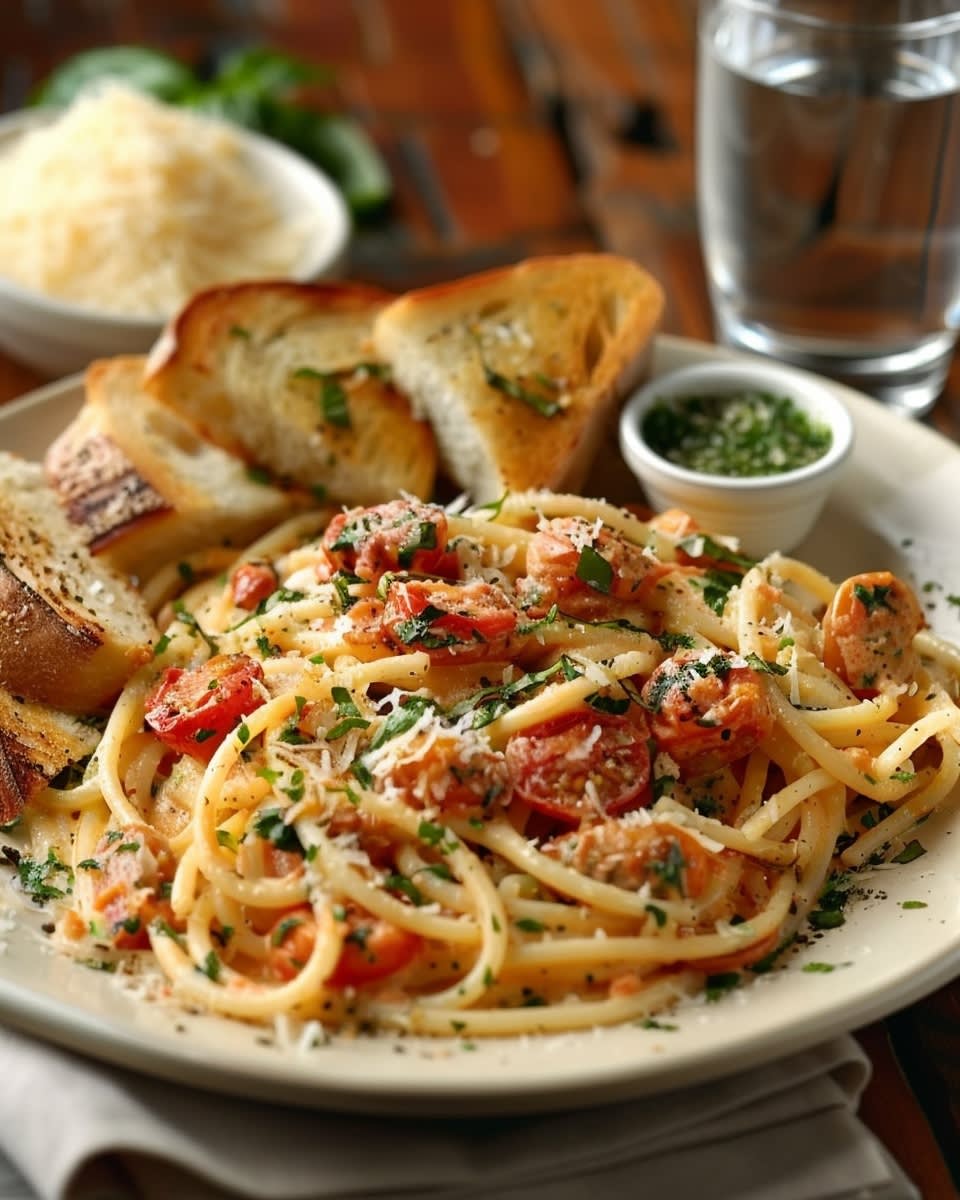
Welcome to Your New Favorite Creamy Tomato Basil Pasta Recipe
Last Tuesday night, I opened my fridge at 7 PM to find nothing but a can of tomatoes, some wilted basil, and half a box of penne. My stomach growled. My family was hungry. That’s when I remembered the magic that happens when you combine these simple ingredients into something extraordinary. Thirty minutes later, everyone was scraping their plates clean, asking for seconds of what became my go-to creamy tomato basil pasta.
Here’s the beautiful truth about this dish: it doesn’t require fancy ingredients or hours of cooking time. You probably have most of what you need sitting in your pantry right now. The result is a restaurant-quality meal that makes you look like a culinary genius without breaking a sweat.
I’ve been making this recipe for years, tweaking it here and there until it became perfection in a bowl. My kids call it “the red pasta” and request it at least twice a week. My husband claims it’s better than anything we’ve ordered at our favorite Italian restaurant. I’m not bragging, just sharing what’s become a household staple that saves my sanity on busy weeknights.
Why Creamy Tomato Basil Pasta Deserves a Spot in Your Recipe Rotation
There’s real magic in the pairing of tomatoes and basil. Italians figured this out centuries ago, and they weren’t wrong. Add cream to that combination, and you’ve got a sauce that clings to pasta in the most satisfying way possible.
This isn’t just another pasta recipe to scroll past. The creamy tomato basil pasta sauce hits all the right notes: tangy from the tomatoes, sweet from a touch of onion and garlic, aromatic from fresh basil, and luxurious from the cream. Each bite feels like comfort food and celebration food rolled into one.
I love this recipe because it works for so many occasions. Monday night when you’re exhausted? Check. Saturday dinner party with friends? Absolutely. Meal prep for the week ahead? You bet. The sauce actually tastes better the next day after the flavors have had time to become friends in your fridge.
Making Your Creamy Tomato Basil Pasta Vegan-Friendly
My sister went vegan last year, and I refused to let that stop her from enjoying this dish at family dinners. Converting this recipe to a creamy tomato basil pasta vegan version was easier than I expected.
Instead of heavy cream, I use cashew cream or full-fat coconut milk. Both work beautifully. The cashew cream gives you that rich, silky texture that’s almost identical to dairy cream. Coconut milk adds a subtle sweetness that plays nicely with the tomatoes. I’ve also tried oat cream with great success.
For the cheese topping, nutritional yeast gives you that savory, umami flavor that parmesan usually provides. If you want to get fancy, there are some excellent vegan parmesan alternatives at most grocery stores now. My sister actually prefers the vegan version these days, which says something.
The base of tomatoes, garlic, onions, and basil remains the same whether you go dairy or plant-based. That’s the beauty of this recipe. It’s flexible without losing its soul.
The Trader Joe’s Shortcut That Changed Everything
Let me tell you about a discovery that made my life exponentially easier. On particularly hectic days, I grab a jar of trader joes creamy tomato basil pasta sauce from my pantry. Is it cheating? Maybe. Do I care? Not even a little bit.
The trader joes creamy tomato basil pasta sauce nutrition is surprisingly decent. It’s lower in sodium than many jarred sauces, and the ingredient list doesn’t read like a chemistry experiment. When I need dinner on the table in fifteen minutes flat, this jar is my secret weapon.
I still doctor it up a bit. A splash of pasta water to loosen the consistency. Fresh basil torn on top. Maybe some red pepper flakes if I’m feeling spicy. A drizzle of good olive oil. These small additions take the jarred sauce from good to exceptional.
You can also use the trader joes creamy tomato basil pasta sauce recipe as inspiration for making your own from scratch. Their version has a slight sweetness and a smooth, velvety texture that I’ve learned to replicate at home. It’s all about balancing the acidity of the tomatoes with a pinch of sugar and making sure you blend everything until it’s silky.
Why This Creamy Tomato Pasta Sauce Recipe Works Every Time
The secret to a great creamy tomato pasta sauce recipe isn’t complicated. It comes down to a few key principles that I learned through trial and error.
First, you need good tomatoes. I prefer San Marzano tomatoes when I can find them. They’re sweeter and less acidic than regular canned tomatoes. If you can’t find them, any quality canned whole tomatoes will work. Just avoid the pre-diced ones if possible. They often have calcium chloride added to keep them firm, which can mess with your sauce texture.
Second, don’t skip the step of cooking your garlic and onions until they’re soft and fragrant. This builds the flavor foundation. Rush this step, and your sauce will taste flat. Take your time here. Let those aromatics work their magic.
Third, the cream goes in at the end. If you add it too early or let it boil hard, it can break and get grainy. A gentle simmer after adding the cream is all you need. This keeps everything smooth and luscious.
From Penne to Possibilities: Pasta Shape Options
While I often make creamy tomato basil penne pasta, this sauce loves all pasta shapes. Penne is classic because those little tubes catch the sauce inside and out. Every bite is sauce-coated perfection.
But I’ve also made this with rigatoni, fusilli, farfalle, and even spaghetti. Each shape gives you a different eating experience. Rigatoni is like penne’s bigger, bolder sibling. Fusilli spirals hold onto the sauce in a death grip. Farfalle (bow ties) look fancy without any extra effort.
My personal favorite for weeknights is penne or rigatoni. They’re sturdy, they don’t require twirling, and kids can eat them easily with a fork. For dinner parties, I go with something more elegant like pappardelle or fettuccine.
Adding Greens: The Creamy Tomato Spinach Pasta Variation
Sometimes I feel guilty serving a meal that’s mostly carbs and sauce. That’s when I throw in a few handfuls of fresh spinach to create creamy tomato spinach pasta.
The spinach wilts right into the sauce in about two minutes. It adds color, nutrition, and a slight earthiness that complements the sweet tomatoes. My kids barely notice it’s there, which is a win in my book.
You can also use kale if you chop it finely. Arugula works too, though it’s more peppery. I’ve even added frozen spinach in a pinch. Just make sure to squeeze out the excess water first, or your sauce will get watery.
This variation makes me feel like I’m serving a more balanced meal without changing the fundamental deliciousness of the dish. It’s sneaky vegetables at their finest.
Beyond Pasta: Other Ways to Use This Sauce
Once you master this creamy tomato basil pasta sauce recipe, you’ll find yourself putting it on everything. I’ve used it as a pizza sauce for homemade margherita pizza. I’ve stirred it into rice for a quick side dish. I’ve even used it as a dipping sauce for breadsticks.
The sauce also makes an excellent base for creamy tomato basil soup. Just thin it out with some vegetable or chicken broth, adjust the seasonings, and you’ve got soup. Serve it with a grilled cheese sandwich, and you’re living your best comfort food life.
I keep extra sauce frozen in portions. When I need a quick meal, I defrost a container and transform it into whatever I’m craving that day. It’s like having a personal chef tucked away in your freezer.


What You’ll Need for the Perfect Creamy Tomato Basil Pasta
Now that you know all the ways this sauce can transform your dinners, let’s get into the actual cooking part. I’m going to walk you through exactly what you need and how to put it all together without any stress.
The Basics
Your shopping list is refreshingly short. I’m talking about ingredients you probably already have or can grab in one quick trip to the store. No hunting down obscure items at specialty shops required.
Start with your tomatoes. I keep both canned and fresh on hand depending on the season. In summer when garden tomatoes are ripe and bursting with flavor, I absolutely use fresh. About two pounds of ripe Roma or plum tomatoes works perfectly. In winter when fresh tomatoes taste like cardboard, I reach for a 28-ounce can of whole peeled tomatoes without hesitation. San Marzano if you’re feeling fancy, but honestly any good quality canned tomato will work.
You’ll need one medium onion. Yellow or white, doesn’t matter much. I dice mine pretty finely because I like when it melts into the sauce. Four to five cloves of garlic get minced up. Yes, that seems like a lot. No, it’s not too much. Trust me on this one. My mother-in-law once told me you can never have too much garlic in Italian cooking, and she grew up in Naples, so I listen to her.
Good olive oil is non-negotiable. I use about three tablespoons. It doesn’t need to be your fanciest bottle, but it shouldn’t be the bottom-shelf stuff either. Something in the middle works great. Salt and pepper seem obvious, but I’m mentioning them anyway because I’ve definitely forgotten to season things before and wondered why they tasted flat.
The Creamy Element
Here’s where things get interesting. The traditional route is heavy cream, about one cup. This gives you that rich, velvety texture that makes the sauce cling to every piece of pasta. It’s what I use most of the time because it’s foolproof and delicious.
But here’s the thing—I’ve discovered that half-and-half works in a pinch if you’re trying to lighten things up slightly. The sauce won’t be quite as thick, but it’s still creamy and satisfying. I’ve even used whole milk thickened with a tablespoon of flour when I’ve run out of cream completely. Was it as good as the original? Not quite. Did it still taste great? Absolutely.
For my vegan friends and family members, cashew cream is absolutely incredible here. You soak raw cashews in hot water for about twenty minutes, then blend them with fresh water until smooth. The ratio is one cup of cashews to about three-quarters cup of water. It makes this impossibly creamy sauce that even my dairy-loving husband couldn’t tell was plant-based. Full-fat coconut milk works too, though it adds a subtle coconut flavor that you might or might not want. I personally like it, but my kids aren’t fans.
Funny enough, I tried making this with oat cream last month after seeing it at the store, and I was pleasantly surprised. It’s neutral in flavor and creates a nice texture. The sauce world has really opened up with all these dairy alternatives.
The Herbs and Spices
Fresh basil is the star of the show here. I use about one cup of loosely packed fresh basil leaves. Sometimes I add it in two stages—half during cooking and half at the very end—so you get both the cooked, mellow basil flavor and the bright, fresh taste of raw basil. It’s a little trick I picked up from a cooking show years ago, and it makes a noticeable difference.
Beyond basil, I like throwing in about a teaspoon of dried oregano. It adds that classic Italian flavor without overpowering everything. Fresh oregano works too if you have it, but I find dried oregano is one of those herbs that’s actually better dried than fresh for cooking. A few sprigs of fresh thyme are lovely if you have them growing in your garden or sitting in your fridge. Just remember to fish out the woody stems before serving.
Red pepper flakes are optional but encouraged. I add about a quarter teaspoon for a gentle warmth. If you’re cooking for kids or people who don’t like any heat at all, skip them. A tiny pinch of sugar—maybe half a teaspoon—helps balance the acidity of the tomatoes. This is especially important if you’re using canned tomatoes or if your fresh tomatoes aren’t super sweet.
Step-by-Step Instructions for Your Creamy Tomato Pasta Sauce Recipe
Alright, ingredients gathered. Let’s actually make this thing. I’m going to walk you through this like I’m standing in your kitchen with you, because that’s genuinely how I explain recipes to friends.
Preparing the Sauce
Get a large skillet or sauté pan heating over medium heat. Not a small saucepan—you need room for everything to cook properly and for tossing your pasta later. Add your three tablespoons of olive oil and let it shimmer but not smoke.
Toss in your diced onion with a pinch of salt. The salt helps draw out moisture and speeds up the cooking process. Let those onions cook for about five minutes, stirring occasionally, until they’re soft and translucent. They should smell sweet and look slightly golden around the edges. This is where patience pays off. Don’t rush this step by cranking up the heat or you’ll end up with burnt onions that taste bitter.
Add your minced garlic and stir constantly for about one minute. Garlic goes from perfect to burnt in seconds, so watch it carefully. You’ll know it’s ready when your entire kitchen smells amazing and your neighbors are probably wondering what you’re cooking. If you’re adding your dried oregano and red pepper flakes, throw them in now. Let them toast in the oil for about thirty seconds to wake up their flavors.
Now comes the tomato part. If you’re using canned tomatoes, pour them into the pan and use a wooden spoon to break them up into smaller pieces. If you’re using fresh tomatoes, chop them roughly before adding them in. Some people like to remove the seeds from fresh tomatoes, but honestly, I never bother. It’s extra work for minimal payoff in my opinion.
Bring everything to a simmer, then reduce the heat to medium-low. Let this cook for about fifteen to twenty minutes, stirring every few minutes. The tomatoes will break down, the liquid will reduce, and everything will start looking like actual sauce instead of chunky tomatoes. This is similar to how I build the base for my baked ziti with ground beef, though that dish obviously takes things in a heartier direction.
At this point, I usually hit the sauce with an immersion blender for about ten seconds. I don’t want it completely smooth—I like some texture—but I want it more saucy than chunky. If you don’t have an immersion blender, you can carefully transfer some of the sauce to a regular blender, pulse it a few times, and return it to the pan. Or just mash it up really well with your wooden spoon or a potato masher. The goal is a mostly smooth sauce with some small tomato pieces remaining.
Adding the Cream
This is the moment when magic happens. Reduce your heat to low. Pour in your cream (or vegan alternative) slowly while stirring constantly. Watch as the sauce transforms from bright red to this gorgeous peachy-pink color. It’s honestly satisfying every single time I make this.
Let the sauce simmer gently for about five minutes. You want it to just barely bubble around the edges, not boil aggressively. Aggressive boiling can cause the cream to separate and get weird. Gentle heat keeps everything smooth and silky. This technique also applies when I’m making cream-based sauces like my one pot creamy chicken alfredo pasta.
Tear in most of your fresh basil leaves. I literally just rip them with my hands directly over the pot. It’s rustic and releases more of the basil oils than cutting with a knife. Reserve a few pretty leaves for garnishing at the end. Stir everything together and taste your sauce. This is where you adjust the seasoning. Does it need more salt? Add it. More pepper? Go for it. Too acidic? Add another pinch of sugar. Trust your taste buds.
Combining with Pasta
While your sauce has been simmering, you should have gotten a large pot of salted water boiling. The water should taste like the ocean—seriously salty. This is your only chance to season the pasta itself, so don’t be shy with the salt.
Cook your pasta according to package directions, but aim for al dente. That means it should have a slight bite to it, not mushy. Here’s a crucial step that so many people skip: before you drain your pasta, scoop out about a cup of the starchy pasta cooking water and set it aside. This liquid gold will help thin out your sauce if needed and helps the sauce cling to the pasta better.
Drain your pasta, but don’t rinse it. Those starches on the surface help the sauce stick. Add the hot pasta directly to your pan with the sauce. If you’re making this similar to how I layer ingredients in my spinach ricotta stuffed shells, you want everything to come together harmoniously.
Toss everything together over low heat for about two minutes. Add splashes of that reserved pasta water if the sauce seems too thick. It should coat the pasta generously without pooling at the bottom of the pan. By the way, if you added spinach for a creamy tomato spinach pasta variation, this is when you’d stir in those fresh greens. They’ll wilt into the hot pasta in about a minute.
Serve immediately in warm bowls. Top with torn fresh basil, a drizzle of good olive oil, and freshly grated Parmesan cheese or nutritional yeast. Sometimes I add a crack of black pepper on top because it looks nice and adds a little extra flavor. If you want to get really fancy like when I’m serving garlic butter shrimp linguine for guests, you can add some fresh basil flowers or a pinch of red pepper flakes on top.
The whole process from start to finish takes about thirty minutes, maybe forty if you’re moving at a leisurely pace. That’s faster than ordering takeout and waiting for delivery, and it tastes infinitely better. Plus your house smells incredible instead of like cardboard containers.


Making It Your Own: Customizing Your Creamy Tomato Basil Pasta
One of my favorite things about this recipe is how it practically begs you to make it your own. I’ve been cooking this sauce for so long that I rarely make it the same way twice anymore. Every time I open the fridge and see what’s hanging out in there, I get ideas for new variations.
Adding Vegetables for Extra Nutrition and Color
Vegetables transform this dish from simple pasta to something that feels more complete. Last week, I had a container of mushrooms that needed using, so I sliced them up and sautéed them with the onions. The earthy flavor they added was incredible. Mushrooms soak up all that garlicky oil and bring a meaty texture without any actual meat.
Bell peppers are another favorite addition in my house. I dice up a red or yellow pepper and cook it along with the onions. Red peppers add sweetness, while yellow ones are slightly milder. My daughter isn’t a fan of green peppers, so I skip those. The chunks of colorful pepper scattered through the pasta make it look like something from a magazine, which is always a bonus when you’re trying to impress someone.
Zucchini works beautifully too, though I learned the hard way that you need to add it at the right time. If you throw it in too early, it turns to mush. I dice it small and add it during the last ten minutes of cooking so it stays slightly firm. Summer squash does the same thing. Both add volume without changing the fundamental flavor of the sauce, which makes them perfect for sneaking extra vegetables into meals.
Cherry tomatoes are something I started adding just this summer when my garden went absolutely crazy with them. I halve them and toss them in during the last five minutes of cooking. They burst and release their juices, creating these little pockets of concentrated tomato flavor throughout the sauce. It’s like surprise flavor bombs in every few bites.
By the way, roasted vegetables take this to another level entirely. If I have time on Sunday, I’ll roast a sheet pan of eggplant, zucchini, and bell peppers, then store them in the fridge. During the week, I just chop them up and stir them into the finished sauce. The roasting adds this slightly smoky, caramelized flavor that you can’t get from regular sautéing. It feels fancier without actually requiring more effort on busy nights.
Protein Options That Complement the Sauce
Here’s the thing about adding protein—it turns this side-dish-that-became-a-main into something that really sticks with you for hours. My husband is one of those people who doesn’t consider it a real meal unless there’s protein involved, so I’ve experimented with pretty much every option.
Grilled chicken is the obvious choice and honestly works perfectly. I usually season chicken breasts with salt, pepper, and Italian herbs, then grill or pan-sear them while the sauce is simmering. Slice them up and either stir them into the pasta or lay them on top. The simplicity of the chicken lets the sauce shine while making the meal more substantial. Sometimes I use rotisserie chicken from the grocery store when I’m really pressed for time. Nobody judges you for shortcuts in my kitchen.
Shrimp is what I reach for when I want something special. They cook so fast that you can literally add them to the sauce during the last five minutes and they’ll be perfect. I season them with a little garlic powder and paprika before stirring them in. The sweetness of shrimp pairs beautifully with tomato cream sauce. It reminds me of fancy restaurant dishes but takes less time than making a sandwich.
For plant-based protein, I’ve had great success with both regular tofu and the pre-seasoned baked tofu you can find at most stores. I cube it and either pan-fry it until crispy or just toss it in to warm through. The tofu absorbs the sauce like a sponge, which makes every bite flavorful. My nephew, who’s vegetarian, actually requests this version specifically when he comes over for dinner.
Italian sausage is another winner, though it obviously changes the character of the dish. I remove the casings, crumble the sausage, and brown it before adding the onions. The fat from the sausage means you can skip some of the olive oil. Those herbs and spices in the sausage season the entire sauce. It becomes heartier and more rustic, perfect for cold winter nights when you want something warming.
Ground beef or turkey works similarly to sausage. Brown it first, drain excess fat, then proceed with the recipe. This turns your creamy tomato basil pasta into something closer to a pink vodka sauce with meat. Kids especially seem to love this version because the meat makes it feel more familiar.
The Trader Joe’s Shortcut That Works Every Time
Using Store-Bought Sauce Without Shame
Look, we need to talk about something important. There are nights when making sauce from scratch just isn’t happening. Maybe you worked late. Maybe the kids have three different activities. Maybe you just don’t feel like cooking. That’s completely valid, and I refuse to feel guilty about reaching for a jar on those nights.
The beauty of trader joes creamy tomato basil pasta sauce is that it tastes legitimately good. I’ve served it to guests who assumed I made it from scratch. When I confess that it came from a jar, they’re always surprised. The flavor is balanced, the consistency is right, and it doesn’t have that weird metallic taste some jarred sauces have.
I usually keep two or three jars in my pantry at all times. They’ve saved dinner more times than I can count. Heat the sauce in a pan while your pasta cooks, toss them together, and dinner is done in the time it takes the pasta to cook. We’re talking fifteen minutes max from walking in the door to sitting down with food.
Even when using jarred sauce, I still add my personal touches. Fresh basil torn on top makes a huge difference. A glug of good olive oil stirred in at the end adds richness. Sometimes I’ll sauté some garlic in the pan before adding the jarred sauce just to get that fresh garlic aroma. These tiny additions take five extra minutes but elevate the entire dish.
Understanding the Nutritional Content
If you’re watching what you eat, the trader joes creamy tomato basil pasta sauce nutrition label is actually pretty reasonable compared to making it from scratch with heavy cream. A half-cup serving has around 90 calories, which is less than I expected the first time I checked. The sodium is moderate at about 350 milligrams per serving, though you’ll want to account for the salt in your pasta water.
The ingredient list is refreshingly short. Tomatoes, cream, onions, basil, olive oil, garlic, salt, and spices. No weird additives or things you can’t pronounce. That matters to me, especially when I’m feeding my kids. Funny enough, it has less fat than my homemade version because I tend to be generous with both oil and cream when I’m cooking from scratch.
When you’re planning balanced everyday meals, understanding what goes into your sauces helps you make informed decisions about portions and what else to serve alongside. I usually pair this pasta with a big green salad or some roasted broccoli to round out the meal nutritionally.
The carbs obviously come primarily from the pasta itself rather than the sauce. If you’re managing carb intake, there are some great pasta alternatives now. I’ve tried chickpea pasta, lentil pasta, and hearts of palm noodles with this sauce. They all work, though the texture is different from traditional wheat pasta. My husband actually prefers chickpea pasta now because it keeps him full longer.
Storage and Meal Prep Strategies
This sauce is a meal prep champion. I often double or triple the recipe on Sunday and store it in containers for the week ahead. It keeps in the fridge for about five days, and honestly, it tastes even better after a day or two when all the flavors have had time to meld together.
For freezing, I portion the sauce into freezer-safe containers or bags. It freezes beautifully for up to three months. I’ve learned to freeze it in different portion sizes—some individual servings for quick lunches, and some larger portions for family dinners. Just thaw it in the fridge overnight or use the defrost function on your microwave.
One trick I discovered is freezing the sauce in ice cube trays. Once frozen, I pop them out into a freezer bag. Then when I want just a little sauce for a quick personal lunch, I can grab exactly the amount I need. It’s also great for stirring into soups or using as a pizza sauce base.
Cooked pasta doesn’t freeze as well, so I usually freeze just the sauce and cook fresh pasta when I’m ready to eat. But if you’re making the full dish for meal prep, it reheats surprisingly well in the microwave. Add a splash of water or milk when reheating to loosen up the sauce because it thickens in the fridge.
Wine Pairing and Serving Suggestions
If you’re serving this for a dinner party or just want to make a regular Tuesday feel special, wine pairing matters. The creaminess and tomato base of this pasta works beautifully with medium-bodied red wines. I usually reach for a Chianti or a Sangiovese. The acidity in those wines cuts through the richness of the cream while complementing the tomatoes.
White wine lovers shouldn’t feel left out though. A crisp Pinot Grigio or a buttery Chardonnay both work well. The Pinot Grigio brings a refreshing contrast to the richness, while Chardonnay echoes the creaminess of the sauce. My sister swears by rosé with this dish, and I have to admit she’s onto something. The fruit-forward character of a good rosé plays nicely with the basil and tomatoes.
For serving, I’m a big believer in warm bowls. It sounds fussy, but running your bowls under hot water or warming them in a low oven for five minutes before serving keeps the pasta hot longer. Restaurant kitchens do this for a reason. Nobody wants lukewarm pasta.
I always serve this with crusty bread for sopping up extra sauce. Garlic bread is classic, but even plain sourdough or ciabatta works perfectly. If you want to explore more dishes that celebrate the versatility of pasta, browsing through different pasta and noodle recipes can give you inspiration for mixing up your weekly menu while using similar cooking techniques.
Common Mistakes and How to Avoid Them
After making this literally hundreds of times, I’ve made every possible mistake. Let me save you from repeating them. The biggest one is overcooking the pasta. Al dente really matters here because the pasta continues cooking slightly when you toss it with the hot sauce. Mushy pasta ruins even the best sauce.
Another common mistake is adding the cream when the heat is too high. I’ve broken the sauce more times than I’d like to admit by not being patient with the temperature. Keep that heat low when the cream goes in, and you’ll never have grainy, separated sauce again.
Not salting your pasta water enough is probably the most frequent error I see when friends make this. The pasta itself should taste seasoned, not bland. That only happens if your cooking water is properly salted. When in doubt, add more salt than feels comfortable. The pasta absorbs less than you think.
Skipping the reserved pasta water is another missed opportunity. That starchy water is the secret to getting sauce that clings to pasta rather than sliding off. Professional chefs use this trick constantly. It’s free, it’s effective, and it’s already in your pot.
This creamy tomato basil pasta has become more than just a recipe in my house—it’s a foundation that we build on depending on what we’re in the mood for, what’s in the fridge, and who’s coming to dinner. Every time I make it, I’m reminded that the best recipes aren’t the ones that require fancy techniques or expensive ingredients. They’re the ones you return to again and again, that adapt to your life, and that make people feel cared for when they eat them.
Frequently Asked Questions
Can I make this dish ahead of time for a dinner party?
Absolutely, and I actually recommend it. The sauce tastes even better when made a day ahead because the flavors develop and deepen overnight. Make the sauce completely, let it cool, then refrigerate it in an airtight container. When your guests arrive, just reheat the sauce gently while cooking fresh pasta. This also means you’re not stressed in the kitchen when people show up. Just remember to save some pasta water when you cook the noodles so you can adjust the sauce consistency if needed.
What’s the best way to reheat leftover creamy tomato basil pasta?
I reheat leftovers in a skillet on the stovetop rather than the microwave when possible. Add a few tablespoons of water, milk, or cream to the pan along with the pasta and sauce, then heat everything over medium-low heat, stirring frequently. This revives the sauce and keeps it creamy rather than dried out. If you must use the microwave, add liquid before heating and stir halfway through. The texture won’t be quite as good as stovetop reheating, but it’s still perfectly acceptable for a quick lunch.
Can I use fresh tomatoes instead of canned, and does it change the cooking time?
Fresh tomatoes work beautifully, especially in summer when they’re at peak ripeness. You’ll need about two pounds of Roma or plum tomatoes, roughly chopped. The cooking time actually increases slightly because fresh tomatoes have more water content that needs to cook off. Plan on simmering the sauce for 25-30 minutes instead of 15-20 minutes. I also add a tablespoon of tomato paste when using fresh tomatoes to deepen the tomato flavor and color. The result is brighter and fresher-tasting than canned, though honestly both versions are delicious.
Is there a dairy-free butter alternative I can use for added richness?
Definitely. I sometimes finish the sauce with a tablespoon of vegan butter or even regular olive oil-based butter alternatives. They add richness and a silky finish to the sauce. You can also use additional olive oil—a really good quality finishing olive oil drizzled in at the end adds a fruity, peppery note that’s fantastic. Nutritional yeast stirred into vegan cream also creates an extra layer of savory richness that mimics the umami you’d get from Parmesan cheese.
How do I prevent the cream from curdling when I add it to the sauce?
The key is temperature control. Always reduce your heat to low before adding cream, and never let the sauce boil hard once the cream is in. A gentle simmer is fine, but rapid boiling will cause the cream to separate. Also, let your tomato sauce cool for just a minute or two off the heat before stirring in the cream. Room temperature cream works better than cold cream straight from the fridge. If you’re using a dairy alternative like coconut milk, this is less of an issue because plant-based milks are generally more stable at high temperatures.
Can I make this recipe in a slow cooker or Instant Pot?
You can definitely use an Instant Pot for this recipe. Sauté the onions and garlic using the sauté function, add your tomatoes and seasonings, then pressure cook on high for 5 minutes. Quick release, blend if desired, then stir in the cream using the sauté function on low. For slow cookers, combine everything except the cream and basil, cook on low for 4-6 hours, then stir in cream and fresh basil during the last 15 minutes. The slow cooker method creates a deeply flavored sauce, though I find the stovetop method gives you more control over the final texture.
What type of basil works best for this recipe?
Sweet Italian basil is the classic choice and what I use most often. It has that traditional basil flavor everyone recognizes. However, I’ve experimented with different varieties from my garden. Genovese basil is slightly more peppery and intense, which works beautifully. Thai basil adds an interesting anise-like flavor that’s different but surprisingly good. Purple basil is mostly for looks but tastes similar to sweet basil. Whatever you use, make sure it’s fresh rather than dried for the best flavor impact. Dried basil works in the sauce during cooking, but fresh basil at the end is what really makes this dish shine.
How can I make the sauce thicker without adding more cream?
The easiest method is to let the sauce simmer longer before adding the cream so more liquid evaporates. You can also add a tablespoon or two of tomato paste, which thickens the sauce and intensifies the tomato flavor. Another trick is to blend in some of the cooked pasta directly into the sauce—the starches help thicken everything naturally. If you want a thicker consistency after the cream is already added, make a slurry with a tablespoon of cornstarch and cold water, then stir it into the simmering sauce. Just cook it for a couple minutes after adding so the cornstarch flavor cooks out.
Can I add wine to this sauce, and if so, which type?
Wine is a wonderful addition that adds depth and complexity. I usually add about half a cup of dry white wine right after sautéing the garlic, before adding the tomatoes. Let it simmer for a few minutes to cook off the alcohol. Pinot Grigio, Sauvignon Blanc, or even a dry vermouth work beautifully. Red wine changes the flavor profile more dramatically—it makes the sauce earthier and deeper. If you use red wine, go with something light like Pinot Noir rather than a heavy Cabernet. The wine isn’t necessary for a great sauce, but it does add a restaurant-quality layer of flavor.
What’s the best way to store fresh basil so it stays vibrant for this recipe?
I’ve tried every method, and treating basil like fresh flowers works best for me. Trim the stems and place the bunch in a glass of water on the counter, covering the leaves loosely with a plastic bag. It stays fresh for about a week this way. Some people refrigerate basil, but I find it turns black faster in the cold. Another option is making basil ice cubes—blend fresh basil with a little olive oil and freeze in ice cube trays. Then you can pop out a cube whenever you need fresh basil flavor. It’s not quite the same as truly fresh basil, but it’s worlds better than dried.
Whether you’re making this creamy tomato basil pasta sauce recipe from scratch on a relaxed Sunday afternoon or reaching for that jar of trader joes creamy tomato basil pasta sauce on a hectic Wednesday night, you’re creating something that brings comfort and satisfaction to your table. That’s what matters most in the end.
Ingredients
Equipment
Method
- Chauffez une grande poêle ou sauteuse à feu moyen et ajoutez l'huile d'olive.
- Ajoutez l'oignon haché avec une pincée de sel, faites cuire pendant environ 5 minutes jusqu'à ce qu'il soit tendre et translucide.
- Ajoutez l'ail haché et faites revenir pendant environ 1 minute jusqu'à ce qu'il soit parfumé.
- Ajoutez l'origan séché et les flocons de piment rouge, en cuisant pendant 30 secondes supplémentaires.
- Versez les tomates en conserve (ou les tomates fraîches découpées) et écrasez-les avec une cuillère en bois.
- Amenez à ébullition, réduisez le feu à moyen-doux et faites cuire pendant 15-20 minutes, en remuant de temps en temps.
- Utilisez un mixeur plongeant pour mélanger la sauce jusqu'à une consistance presque lisse, laissant un peu de texture.
- Réduisez le feu à faible intensité et incorporez lentement la crème, en laissant la sauce mijoter doucement pendant 5 minutes.
- Déchirez les feuilles de basilic et ajoutez la plupart à la sauce, en réservant quelques-unes pour la garniture.
- Goûtez et ajustez l'assaisonnement avec du sel, du poivre ou du sucre si nécessaire.
- Dans une autre casserole, faites cuire vos pâtes dans de l'eau salée selon les indications du paquet jusqu'à ce qu'elles soient al dente.
- Réservez environ une tasse d'eau de pâtes, puis égouttez les pâtes sans les rincer.
- Combinez les pâtes chaudes avec la sauce dans la poêle, en remuant à feu doux et en ajoutant l'eau de pâtes réservée si nécessaire.
- Servez immédiatement dans des bols chauds, garni de basilic réservé, d'huile d'olive et de fromage râpé si désiré.