
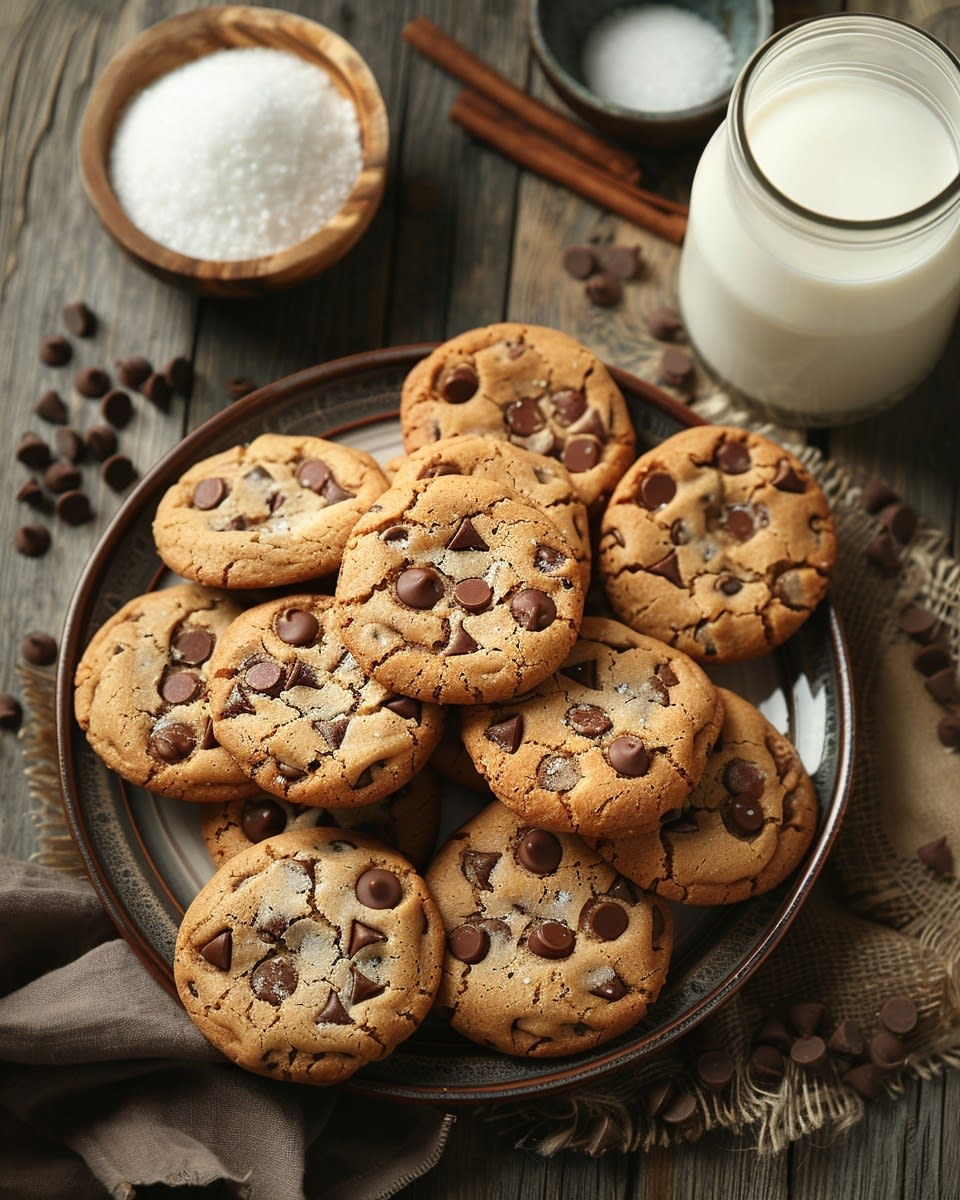
The Magic of Brown Butter Chocolate Chip Cookies
I still remember the first time I bit into a brown butter chocolate chip cookie. My friend handed me one at a holiday party, and I thought, “Sure, it’s just another chocolate chip cookie.” I was so wrong. That first taste stopped me mid-conversation. The cookie had this incredible nutty flavor I’d never experienced before. It wasn’t just sweet. It tasted rich and complex, almost like toffee mixed with toasted hazelnuts. I asked for the recipe immediately.
That moment changed how I bake cookies forever. Brown butter chocolate chip cookies aren’t just good. They’re exceptional. They take a classic treat we all love and transform it into something that makes people pause and ask, “What’s different about these?”
The secret is simple but powerful. You brown the butter before mixing it into the dough. This one extra step creates a flavor that regular chocolate chip cookies just can’t match. The cookies taste more grown-up and sophisticated while still giving you that comfort food feeling.
In this article, I’ll share everything you need to know about making perfect brown butter chocolate chip cookies. You’ll learn exactly how to brown butter without burning it. I’ll walk you through the mixing process and baking tips. We’ll talk about common mistakes and how to avoid them. By the end, you’ll have all the knowledge to bake cookies that impress everyone who tries them.
Why Brown Butter Makes a Difference
Let me explain what brown butter actually is. When you melt butter in a pan and keep cooking it, the water evaporates first. Then the milk solids start to toast and turn golden brown. French chefs call this “beurre noisette,” which means hazelnut butter. That name tells you everything about the flavor.
The process sounds fancy, but it’s really just controlled browning. You’re not burning the butter. You’re gently toasting those milk solids until they develop new flavors. The butter goes from pale yellow to amber to a beautiful golden brown. Small brown specks float in the melted fat. These specks are where all that amazing flavor lives.
When you use brown butter in cookies, magic happens. Regular butter tastes creamy and rich. Brown butter adds layers of flavor on top of that. You get nutty notes, caramel undertones, and a warm toasted quality. It makes your whole kitchen smell like a French bakery.
Popular food sites have celebrated this technique for years. The brown butter chocolate chip cookies bon appetit recipe helped introduce many home bakers to this method. Their test kitchen showed how this simple change elevates the entire cookie. The brown butter chocolate chip cookies pioneer woman version brings a homestyle approach that makes the process feel accessible and fun.
I’ve tried recipes from brown butter chocolate chip cookies serious eats and brown butter chocolate chip cookies cooks illustrated too. Each one reinforces the same truth. Brown butter creates a deeper, more interesting flavor than regular melted butter ever could.
The science behind this is pretty cool. When milk proteins and sugars in butter heat up, they undergo something called the Maillard reaction. This is the same process that makes seared steak taste amazing or gives bread crust its flavor. You’re creating hundreds of new flavor compounds that didn’t exist before.
Here’s what brown butter adds to your cookies:
- Nutty flavor: Think toasted pecans or hazelnuts without adding any nuts
- Caramel notes: A sweet, deep flavor that pairs perfectly with chocolate
- Complexity: Multiple flavor layers instead of one-note sweetness
- Rich aroma: Your kitchen will smell absolutely incredible
- Golden color: The cookies often bake up with beautiful golden edges
The brown butter chocolate chip cookies tasty and brown butter chocolate chip cookies buzzfeed videos went viral for good reason. Watching butter transform in the pan is oddly satisfying. The color change, the nutty smell, the foaming action. It’s cooking theater that delivers real results.
I love how the brown butter chocolate chip cookies smitten kitchen recipe explains this process. Deb Perelman writes about brown butter like it’s liquid gold. She’s right. Once you taste the difference, you’ll wonder why anyone makes cookies any other way.
Some bakers worry that brown butter is too complicated. I promise it’s not. If you can melt butter without walking away from the stove, you can brown butter. It takes about five to seven minutes. You just need to watch it closely near the end.
Not everyone wants to make a huge batch of cookies. That’s where small batch brown butter chocolate chip cookies come in handy. You can brown just two or three tablespoons of butter and make six perfect cookies. This is great for testing recipes or when you want a treat without leftovers tempting you all week.
Even grocery stores have caught on to this trend. Brown butter chocolate chip cookies whole foods sells them in their bakery section now. They charge a premium because people recognize that brown butter means better flavor. But homemade versions taste even better and cost much less.
The brown butter chocolate chip cookies americas test kitchen approach is typically thorough. They tested different browning levels and cooling methods. Their research confirmed what bakers have known for years. Brown butter makes cookies taste richer without adding extra ingredients or strange flavors.
The beauty of brown butter is that it works with any chocolate chip cookie recipe. You don’t need a special formula. Take your favorite recipe, brown the butter instead of just melting it, and watch what happens. The basic structure of the cookie stays the same. But the flavor jumps to a whole new level.
I’ve made hundreds of batches of these cookies over the years. Friends request them for birthdays. Family members ask me to bring them to every gathering. My neighbor once knocked on my door while I was baking just to ask what smelled so good.
Brown butter transforms ordinary cookies into something memorable. It’s the difference between a cookie people eat and a cookie people remember. That nutty, caramel-like richness makes every bite more interesting. You notice flavors instead of just tasting sugar and chocolate.


Popular Brown Butter Chocolate Chip Cookie Recipes Worth Trying
Now that you understand why brown butter works so well, let’s look at some standout recipes that have earned their reputation.
The brown butter chocolate chip cookies serious eats recipe might be the most detailed one you’ll find online. Kenji López-Alt approaches cookies like a science experiment in the best way possible. He tested different butter ratios, varying amounts of brown versus white sugar, and even experimented with resting times. His recipe calls for letting the dough sit in the fridge for at least 24 hours. I know that sounds extreme, but it genuinely improves the flavor. The longer rest gives the flour time to fully hydrate and allows the flavors to meld together. His cookies come out with crispy edges and chewy centers. The recipe uses bread flour mixed with all-purpose flour, which creates a chewier texture than using just one type.
On the other hand, brown butter chocolate chip cookies cooks illustrated takes their usual meticulous approach. They tested over fifty batches to perfect their version. What makes their recipe unique is they add melted butter alongside the brown butter. This combination gives you that nutty brown butter flavor while keeping the dough easy to work with. Their technique involves browning three quarters of the butter and mixing it with regular melted butter for the remaining quarter. They also use a mix of chocolate chips and chopped chocolate bars. The chopped chocolate creates those beautiful chocolate puddles you see in bakery cookies.
The brown butter chocolate chip cookies tasty recipe is probably the most beginner-friendly version. Their video shows every step clearly. They don’t overthink things or use complicated techniques. You brown the butter, let it cool slightly, then mix everything together like a standard cookie recipe. What I appreciate about their approach is they acknowledge that not everyone wants to wait 24 hours for dough to rest. Their cookies taste amazing even if you bake them right away. The video format helps too, because you can actually watch the butter change color and know exactly what yours should look like.
Each recipe has its strengths. Serious Eats gives you the science behind every decision. Cooks Illustrated provides foolproof techniques backed by extensive testing. Tasty keeps things simple and accessible. Honestly, you can’t go wrong with any of them.
Here’s the thing though. I’ve noticed all three recipes share certain key elements. They all recommend using a combination of brown sugar and white sugar. They all suggest chilling the dough for at least some amount of time. And they all emphasize the importance of not over-browning your butter. These consistent recommendations across different test kitchens tell you something important. These techniques actually matter.
When I’m cooking something savory like garlic butter steak bites with potatoes, I use similar attention to butter temperature and browning. That golden-brown stage adds flavor to everything, not just cookies.
When You Want Just a Few Cookies
Sometimes you don’t need four dozen cookies. Maybe you live alone. Maybe you have zero self-control around fresh cookies and need to limit yourself. That’s where small batch brown butter chocolate chip cookies become your best friend.
I make small batches constantly. Usually on a Wednesday night when I’m craving something sweet but don’t want leftovers haunting me all week. You can scale any recipe down, but small batch recipes are already figured out for you. Most make between six and ten cookies, which is perfect.
The beauty of small batch baking is you can experiment without wasting ingredients. Want to try adding sea salt on top? Make six cookies. Thinking about swapping in dark chocolate? Test it on a small batch first. I once made three different small batches in one evening, each with a different type of chocolate, just to see which I liked best. Dark chocolate won, in case you’re wondering.
Browning butter for small batches is actually easier than browning large amounts. You only need three or four tablespoons, which browns quickly. Just use a light-colored pan so you can see the color change clearly. The whole process takes maybe five minutes. By the way, I recommend making slightly more brown butter than you need because a little always evaporates during cooking.
Small batch recipes also work great when you’re trying to impress someone without looking like you’re trying too hard. Making six perfect cookies feels more casual and thoughtful than showing up with a huge container. It says “I thought of you” rather than “I spent all day on this.”
The Whole Foods Approach to Brown Butter Cookies
I’ll admit I was skeptical when I first saw brown butter chocolate chip cookies whole foods marketed as a healthier version. Cookies are cookies, right? But their bakery actually does make some smart substitutions.
The Whole Foods version often uses organic butter and fair-trade chocolate. They incorporate whole wheat flour for some of the all-purpose flour, which adds a slight nuttiness that complements the brown butter beautifully. Some versions include oats for extra texture. They also tend to use less sugar than traditional recipes, letting the brown butter and quality chocolate shine through.
You can recreate this healthier approach at home. Replace one third of your all-purpose flour with whole wheat pastry flour. It’s lighter than regular whole wheat and won’t make your cookies dense. Use high-quality dark chocolate with at least 60% cacao. The more intense chocolate flavor means you can actually use less of it. Consider reducing the sugar by two tablespoons. The brown butter is already adding sweetness and complexity.
I’m not saying these cookies are health food. They’re still cookies with butter and sugar. But making thoughtful ingredient choices means you can feel slightly better about eating them. Plus, better ingredients genuinely taste better. There’s a reason bakeries charge more for cookies made with quality chocolate and organic butter.
Essential Tools and Ingredients for Perfect Cookies
Let me walk you through what you actually need. First, get yourself a light-colored skillet or saucepan for browning butter. This is crucial. Dark pans hide the color change, and you might burn the butter without realizing it. I use a stainless steel skillet. You can see everything happening clearly.
For mixing, I prefer a hand mixer over a stand mixer for these cookies. You want to mix just until combined, and hand mixers give you more control. Stand mixers are powerful and can overmix your dough before you notice. That said, I won’t judge if you use a stand mixer. Just watch it carefully and stop as soon as ingredients are incorporated.
Cookie scoops changed my baking life. Get a medium cookie scoop that holds about two tablespoons of dough. Every cookie comes out the same size, which means they bake evenly. No more giant cookies next to tiny ones. No more guessing if you’ve divided the dough fairly. Just scoop and bake.
For ingredients, use good butter. I typically use unsalted European-style butter when I’m feeling fancy, but regular unsalted butter works perfectly fine. The higher fat content in European butter makes slightly richer cookies, but honestly, the difference is subtle. Don’t stress about it.
Speaking of not stressing, both brown sugar and white sugar matter. Brown sugar adds moisture and chewiness. White sugar creates crispy edges. Most recipes use more brown sugar than white for that classic chewy texture. I keep both in sealed containers so they stay fresh.
Just like when I’m preparing honey garlic beef rice bowl, ingredient quality makes a noticeable difference in the final result.
How to Brown Butter Without Burning It
Alright, let’s talk about the actual browning process because this is where people get nervous. Take a breath. You’ve got this.
Cut your butter into chunks and put them in your light-colored pan over medium heat. The chunks melt faster than a whole stick. As it melts, the butter will start to foam. That’s just the water content bubbling up. This is normal and good.
Swirl the pan occasionally. You don’t need to stir constantly, but keep the butter moving a bit. After a few minutes, the foaming will subside. This is when you need to pay attention. The butter will start to smell nutty and amazing. You’ll see little brown specks forming at the bottom of the pan.
Watch the color carefully now. You want a golden amber color, like honey or maple syrup. The milk solids should be brown but not black. The whole process from start to finish takes about six to eight minutes. If you smell anything burning, you’ve gone too far. Start over. I’ve burned butter before. Everyone has. It happens.
Here’s a trick I learned the hard way. Have a heat-safe bowl ready before you start. The second your butter reaches that perfect golden color, pour it into the bowl. The pan retains heat and will keep cooking the butter even after you turn off the stove. Transferring it stops the cooking process immediately.
Let the brown butter cool until it’s just warm to the touch. You don’t want it hot when you add it to your dough because it’ll start cooking the eggs. Room temperature is perfect. Some recipes say to refrigerate it until solid again, then cream it like regular butter. Others use it while it’s still liquid. Both methods work, just follow whatever your chosen recipe specifies.
The smell of browning butter is incredible. It fills your kitchen with this warm, nutty aroma that makes everyone ask what you’re making. My husband can be upstairs with his headphones on, but somehow the smell of brown butter brings him to the kitchen every single time. The same thing happens when I make crispy garlic butter steak and potatoes, that butter aroma is just irresistible.
Getting the Perfect Cookie Texture
Texture makes or breaks a chocolate chip cookie. You want crispy edges with a soft, slightly underbaked center. Here’s how to nail it every time.
First, don’t overbake. This is the most common mistake. Your cookies should look slightly underdone when you take them out. They’ll continue cooking on the hot pan for several minutes after leaving the oven. I usually pull mine when the edges are golden brown but the centers still look a tiny bit glossy. They firm up as they cool.
Chilling your dough helps tremendously with texture. Cold dough spreads less in the oven, which creates thicker cookies with chewier centers. Even thirty minutes in the fridge makes a difference. Overnight is better if you have the patience. I rarely have the patience, but when I do, the cookies are noticeably better.
Room temperature eggs matter more than you’d think. Cold eggs don’t incorporate as smoothly into the butter mixture. Just take your eggs out while you’re browning the butter. By the time you’re ready to mix, they’ll be perfect.
Don’t skip the salt, even if your butter is salted. Salt balances sweetness and makes all the other flavors pop. I add a pinch of flaky sea salt on top of each cookie right before baking too. That little burst of salt when you bite into warm chocolate is perfection.
Similar to how seasoning transforms dishes like slow cooker BBQ pulled beef sandwich, that final touch of salt elevates cookies from good to spectacular.
Baking sheets matter too. Light-colored sheets work best because dark pans can overbrown the bottoms. I line mine with parchment paper every time. It makes cleanup easier and prevents sticking. Silicone baking mats work great too.
Space your cookies at least two inches apart. They spread as they bake, and you don’t want them merging into one giant mega-cookie. Well, maybe you do. No judgment. But for normal cookies, give them space.
One last thing about texture. If your cookies turn out too flat, your butter was probably too warm when you mixed the dough. If they’re too puffy and cake-like, you might have added too much flour. Measuring flour correctly is huge. Spoon it into your measuring cup and level it off. Don’t scoop directly from the bag or you’ll pack in way more flour than the recipe intends.


What Expert Bakers and Recipe Developers Say About Brown Butter Chocolate Chip Cookies
When I started diving deep into brown butter chocolate chip cookies, I turned to sources I knew I could trust. These aren’t just random blogs throwing together recipes. These are recipe developers who test, retest, and test again until everything’s absolutely perfect.
The brown butter chocolate chip cookies buzzfeed team approaches recipes with visual appeal in mind. Their Tasty videos don’t just show you the finished product. They walk through every single step with overhead shots that make everything crystal clear. What I love about their brown butter cookie recipe is how they emphasize the visual cues. They show you exactly what the butter looks like at each stage. When they say “swirl until golden brown,” you can literally see what golden brown means. Their recipe tends to use more chocolate chips than most, which honestly, I’m not complaining about. They also add a touch of vanilla extract and sometimes a bit of espresso powder to deepen the chocolate flavor. That coffee addition doesn’t make the cookies taste like coffee. It just makes the chocolate taste more intensely like chocolate.
Now, brown butter chocolate chip cookies smitten kitchen takes a different approach entirely. Deb Perelman writes like she’s your friend texting you from her tiny New York kitchen. Her recipes feel personal and lived-in. She’s not afraid to tell you when something is finicky or when a step seems annoying but actually matters. Her brown butter chocolate chip cookie recipe includes detailed notes about why she chose each ingredient. She’s tested these cookies in her actual home oven, not some fancy test kitchen with professional equipment. That matters because your results will probably match hers more closely. She’s big on using a combination of chocolate chip sizes—some regular chips and some chopped chocolate chunks. The varied sizes create different chocolate experiences in each bite. Some melty pools, some distinct chips.
What makes Smitten Kitchen especially trustworthy is Deb’s comment section. Hundreds of people report back about their results. They share modifications they tried. They troubleshoot problems together. Reading through those comments taught me almost as much as the recipe itself. Someone mentioned that using dark brown sugar instead of light brown sugar made the cookies even chewier. Another person shared that freezing the dough balls before baking created thicker cookies. That collective wisdom from real home bakers is invaluable.
Then there’s brown butter chocolate chip cookies americas test kitchen, which represents a completely different level of recipe development. These folks are obsessive in the best way possible. They don’t just make a recipe that works. They want to understand exactly why it works and how to make it work even better.
America’s Test Kitchen tested their brown butter chocolate chip cookies alongside plain chocolate chip cookies in a blind taste test. Ninety percent of tasters preferred the brown butter version. But they didn’t stop there. They wanted to figure out the optimal amount of brown butter. Too little and the nutty flavor got lost among all the chocolate and sugar. Too much and the cookies tasted one-dimensional, like you’d dumped hazelnut extract in the dough.
Their testing revealed something fascinating. The roasting process that transforms the milk solids in butter creates similar flavor compounds to what happens when you roast nuts or coffee beans. That’s why brown butter has such a complex, toasted quality. America’s Test Kitchen used this knowledge to develop a recipe that balances brown butter against other flavors. They found that using a fifty-fifty mix of bread flour and all-purpose flour created the perfect chewy texture without making cookies tough.
Here’s what really impressed me about their method. They tested different cooling temperatures for the brown butter. Turns out that if you let brown butter cool to room temperature versus using it while still warm, you get different textures. Cooler brown butter creates slightly thicker cookies. Warmer brown butter makes them spread more and get crispier edges. They included both options in their recipe notes so you can choose based on your preference.
They also tested melting chocolate into the brown butter versus just using chips. Melted chocolate distributed throughout the dough created a more uniformly chocolate flavor. But chocolate chips created those satisfying chocolate pockets. Their final recipe uses both—melted chocolate mixed into the batter plus chocolate chips folded in at the end. Genius.
By the way, America’s Test Kitchen discovered that the type of chocolate you use dramatically affects the final cookie. They tested milk chocolate, semisweet, bittersweet, and dark chocolate. Semisweet chocolate chips with 55-60% cacao content won. Milk chocolate made the cookies too sweet and one-dimensional. Super dark chocolate competed with the brown butter flavor instead of complementing it. That middle range lets both the chocolate and the brown butter shine.
Another fascinating finding from their testing: cookie size matters more than most people think. They tested cookies made with one tablespoon of dough, two tablespoons, and three tablespoons. The two-tablespoon size consistently rated highest. Smaller cookies dried out too quickly. Larger cookies had trouble baking evenly—the edges got too dark before the centers finished cooking.
All three sources agree on a few fundamentals. Brown butter should be cooled before mixing. Dough benefits from at least some refrigeration time. Don’t overbake. But each brings their own personality and emphasis to the recipe. Buzzfeed makes it accessible and fun. Smitten Kitchen makes it personal and relatable. America’s Test Kitchen makes it scientifically bulletproof.
Funny enough, I’ve incorporated tips from all three sources into my current go-to recipe. I use Buzzfeed’s generous chocolate ratio because life’s too short for cookies without enough chocolate. I follow Smitten Kitchen’s advice about mixing chip sizes for textural variety. And I adopted America’s Test Kitchen’s flour blend for that perfect chewy texture. My hybrid recipe pulls the best from each approach.
If you’re someone who loves experimenting with different desserts and sweet treats, brown butter chocolate chip cookies should absolutely be next on your list.
Final Thoughts on Making These Incredible Cookies
Here’s what I want you to take away from all this. Brown butter chocolate chip cookies aren’t difficult. They just require a tiny bit more attention than regular cookies. That attention pays off in flavor that’ll make people remember your cookies long after they’ve eaten them. The nutty, complex richness from brown butter elevates something familiar into something special. You don’t need fancy equipment or hard-to-find ingredients. Just butter, a pan, and a few extra minutes of your time. Trust the process, watch your butter carefully, and don’t be afraid to pull those cookies out of the oven when they still look slightly underdone. You’ve got this, and your kitchen is about to smell absolutely amazing.
Frequently Asked Questions About Brown Butter Chocolate Chip Cookies
What makes brown butter chocolate chip cookies different from regular ones?
The main difference is the flavor profile. Regular chocolate chip cookies taste sweet and buttery, which is delicious. But brown butter chocolate chip cookies have layers of nutty, caramel-like, almost toffee-ish flavor that regular cookies simply can’t match. The browning process creates hundreds of new flavor compounds through the Maillard reaction. These cookies taste more complex and sophisticated. People often describe them as tasting “expensive” even though they use the exact same basic ingredients as regular chocolate chip cookies.
Can I use dark chocolate chips instead of milk chocolate?
Absolutely, and many people prefer it that way. Dark chocolate creates a more grown-up flavor that pairs beautifully with the nutty brown butter. I’d recommend using dark chocolate with 60-70% cacao content. Anything darker might overpower the brown butter flavor. You can also mix dark and semisweet chocolate for balance. Milk chocolate works too, but some people find it makes the cookies overly sweet. Try different chocolates and see what you like best.
How do I store brown butter chocolate chip cookies to keep them fresh?
Store cooled cookies in an airtight container at room temperature for up to five days. I put a piece of bread in the container with them, which sounds weird but actually works. The cookies absorb moisture from the bread and stay soft. Replace the bread every couple days. For longer storage, freeze baked cookies in a freezer-safe container for up to three months. Let them thaw at room temperature or warm them in a 300°F oven for about five minutes.
Are there any substitutes for brown butter in this recipe?
Honestly, there’s no perfect substitute that gives you the exact same flavor. That said, if you absolutely can’t brown butter, you could add a teaspoon of vanilla extract and a quarter teaspoon of almond extract to regular melted butter. This won’t replicate brown butter exactly, but it adds some complexity. Another option is using regular butter and adding a tablespoon of toasted ground nuts to the dough. But really, browning butter only takes a few minutes and makes such a huge difference that I’d encourage you to try it.
How long does it take to make brown butter?
The actual browning process takes about six to eight minutes from start to finish. Cut your butter into chunks so it melts faster. Heat it over medium heat, swirling occasionally. It’ll foam up, then the foam will subside, then you’ll start seeing golden brown color and smelling that amazing nutty aroma. The whole thing is quick. Just don’t walk away from the stove because butter can go from perfectly browned to burnt in about thirty seconds.
Can I freeze the dough for later use?
Yes, and this is actually one of my favorite cookie tricks. Scoop the dough into balls, place them on a baking sheet, and freeze until solid. Then transfer the frozen dough balls to a freezer bag. They’ll keep for up to three months. You can bake them straight from frozen—just add an extra minute or two to the baking time. This means you can have fresh-baked cookies whenever you want without making a whole new batch of dough.
What if I accidentally burn the butter?
If your butter smells acrid or looks black instead of golden brown, you’ve burned it. Unfortunately, there’s no saving burned butter. You’ll need to start over with fresh butter. The good news is butter isn’t expensive, and now you know exactly what too far looks like. Next time, watch it more carefully as it approaches that golden stage. Many experienced bakers have burned butter at some point. It’s a learning experience, not a failure.
Why do my cookies spread too much during baking?
This usually happens when the butter is too warm when you mix the dough, or when you skip chilling the dough. Make sure your brown butter has cooled to room temperature before adding it to the other ingredients. Then refrigerate your dough for at least thirty minutes before baking. Also check your oven temperature with an oven thermometer. If your oven runs hot, cookies will spread more. Using a light-colored baking sheet and parchment paper also helps control spreading.
Can I make these cookies without a mixer?
Definitely. I’ve made these cookies countless times with just a wooden spoon and some arm strength. You’ll need to cream the butter and sugars together vigorously for about two minutes. Then add the eggs and vanilla, mixing well. Fold in the dry ingredients until just combined. It takes a bit more effort than using a mixer, but the cookies turn out just as good. Actually, mixing by hand reduces the risk of overmixing, which can make cookies tough.
How do I know when the cookies are done baking?
This is the trickiest part for most people. Your cookies are done when the edges are golden brown but the centers still look slightly underbaked and maybe even a little shiny. They should look like they need another minute, but resist that urge. Take them out and let them cool on the baking sheet for five minutes. They’ll continue cooking from residual heat and firm up as they cool. If you wait until they look completely done in the oven, they’ll be overbaked and crunchy once cooled.
Ingredients
Equipment
Method
- Faire fondre le beurre dans une poêle de couleur claire à feu moyen jusqu'à ce qu'il soit doré et parfumé, environ 6-8 minutes.
- Verser le beurre noisette dans un bol et laisser refroidir jusqu'à ce qu'il soit juste chaud.
- Dans un bol séparé, mélanger le sucre granulé, le sucre brun et le beurre noisette refroidi jusqu'à ce que le tout soit combiné.
- Ajouter les œufs et l'extrait de vanille, en mélangeant bien jusqu'à incorporation.
- Dans un autre bol, fouetter la farine, le bicarbonate de soude et le sel.
- Ajouter progressivement les ingrédients secs dans les ingrédients humides, en mélangeant jusqu'à ce que le tout soit juste combiné.
- Incorporer délicatement les pépites de chocolat.
- Réfrigérer la pâte pendant au moins 30 minutes (ou plus longtemps si souhaité pour la texture).
- Préchauffer le four à 350°F (175°C).
- Déposer la pâte sur une plaque de cuisson recouverte de papier sulfurisé, en espaçant les cookies d'environ 2 pouces.
- Faire cuire pendant 10-12 minutes, jusqu'à ce que les bords soient dorés mais que les centres semblent légèrement sous-cuits.
- Laisser les cookies refroidir sur la plaque de cuisson pendant 5 minutes avant de les transférer sur une grille.