
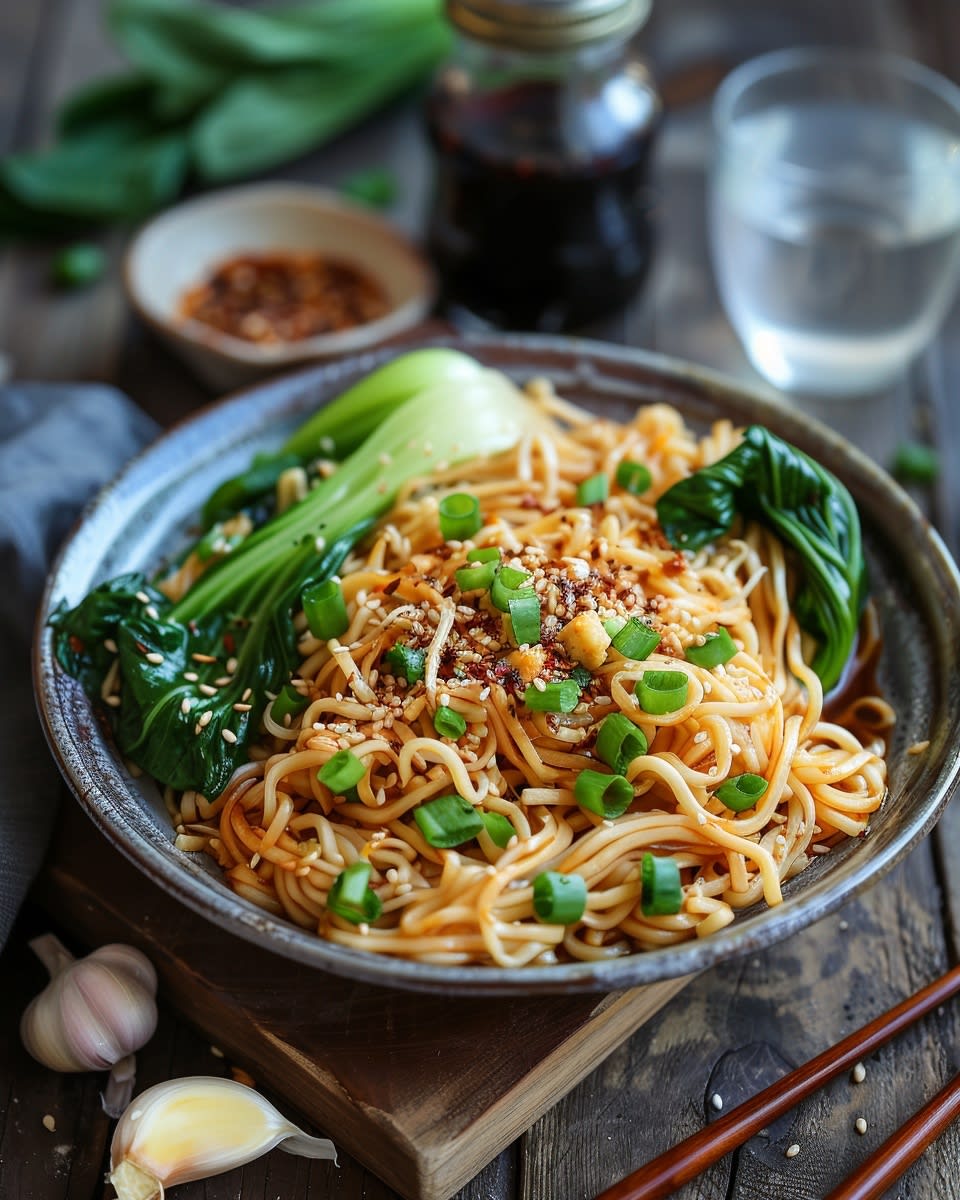
Why I’m Obsessed with Spicy Garlic Chili Oil Noodles
I still remember the first time I tasted spicy garlic chili oil noodles at a small Chinese restaurant in my neighborhood. The moment those glossy, red-coated noodles hit my tongue, I knew I’d found something special. The heat from the chili oil mixed with the punch of fresh garlic created this incredible flavor that I couldn’t stop thinking about for days. I went back three times that week just to eat the same dish again.
Here’s the thing about these noodles: they’re not just food. They’re an experience. The way the spicy oil clings to each strand, how the garlic releases its aroma as you twirl your fork, and that satisfying heat that builds with every bite. It’s the kind of dish that makes you reach for water but also makes you keep eating because you can’t help yourself.
I became a bit of a food enthusiast over the years, always hunting for bold flavors and simple recipes that pack a punch. These noodles quickly became my go-to comfort food. Whether I’m having a rough day at work or just craving something that wakes up my taste buds, spicy garlic chili oil noodles never disappoint. They’re quick to make, incredibly satisfying, and honestly hard to mess up once you know the basics.
In this article, I’m going to share everything I’ve learned about making the perfect bowl of these amazing noodles. You’ll get the full recipe, my personal tips for getting the best results, and answers to all the common questions people ask me when I make this dish for friends. Trust me, by the end of this, you’ll be making these noodles on repeat.
What Are Spicy Garlic Chili Oil Noodles?
Let me break down exactly what makes these noodles so special. Spicy garlic chili oil noodles are a popular Chinese dish that combines simple ingredients to create something way more impressive than the sum of its parts. You’ll find variations of this dish across different regions of China, with each area adding its own spin. Some people call them “spicy noodles” or “chili oil noodles,” but the garlic component is what really makes them shine.
The dish originated from the Sichuan province of China, an area famous for its bold, spicy cuisine. Sichuan food doesn’t shy away from heat or strong flavors, and these noodles are a perfect example of that cooking philosophy. Over time, the recipe spread throughout China and eventually made its way around the world. Now you can find versions of this dish in Chinese restaurants everywhere, though homemade versions often taste even better.
At its core, the dish is beautifully simple. You start with noodles as your base. The type can vary, but most people use wheat noodles, rice noodles, or even ramen noodles. Then comes the star of the show: the chili oil. This isn’t just any oil. It’s infused with dried chilies, Sichuan peppercorns, and various aromatics that give it layers of flavor and that signature red color.
Garlic plays a huge role too. Fresh minced garlic adds a sharp, pungent kick that balances the heat from the chilies. Some recipes use raw garlic mixed directly into the sauce, while others lightly cook it in oil first. Both methods work great, and I’ll explain when to use each one later.
The other key ingredients include soy sauce for saltiness and depth, black vinegar for tang, and usually a touch of sugar to round everything out. You might also find sesame oil, green onions, and sesame seeds in many versions. Each ingredient has a purpose, creating a sauce that’s spicy, savory, slightly sweet, and wonderfully complex.
The Flavor Profile That Makes These Noodles Addictive
When people ask me what these noodles taste like, I always say they’re like a flavor explosion in your mouth. The dominant taste is definitely spicy and garlicky, but there’s so much more going on. The chili oil brings heat that starts off manageable and then builds as you eat. It’s not the kind of spice that makes you miserable. It’s the kind that makes your lips tingle and keeps you coming back for more.
The garlic adds a savory punch that cuts through the richness of the oil. It’s sharp and aromatic, giving the dish a backbone of flavor that prevents it from being one-dimensional. When you combine this with the umami from soy sauce and the slight tang from vinegar, you get this perfect balance that hits all the right notes.
One of my favorite things about the flavor is how it changes as you eat. The first bite is usually the most intense, with all those bold flavors hitting at once. As you continue eating, your palate adjusts to the heat, and you start noticing the subtler flavors like the nuttiness from sesame oil or the slight sweetness that balances the spice.
The texture matters just as much as the taste. The noodles should be slightly chewy, coated in that slick, glossy oil. Every strand should carry flavor, so you’re never biting into plain noodles. When done right, each mouthful is consistent and satisfying.
Why These Noodles Are So Versatile
Here’s what makes spicy garlic chili oil noodles such a winner in my kitchen: they’re incredibly versatile. You can enjoy them hot or cold, as a main dish or a side, for lunch or dinner. I’ve even eaten them cold straight from the fridge at midnight, and they still taste amazing.
The basic recipe serves as a blank canvas. Want to add protein? Toss in some cooked chicken, shrimp, or tofu. Looking for more vegetables? Add blanched bok choy, sliced cucumbers, or shredded carrots. The sauce is so flavorful that it can handle extra ingredients without losing its identity.
I often make a big batch of the chili oil sauce and keep it in my fridge. Then I can whip up these noodles in about ten minutes whenever a craving hits. Sometimes I eat them as is, just noodles and sauce. Other times I’ll add a soft-boiled egg and some scallions for a more complete meal.
The dish works for different occasions too. Making a quick weeknight dinner? These noodles are ready in less time than it takes to order takeout. Having friends over? You can prepare the sauce ahead and cook the noodles when everyone arrives. The dish looks impressive and tastes restaurant-quality, but the effort required is minimal.
Some people prefer their spicy noodles swimming in sauce, while others like just enough to coat the noodles. You can adjust the amount of chili oil based on your heat tolerance. Start with less if you’re sensitive to spice, or go heavy if you love that burn. The recipe is forgiving and easy to customize to your personal taste.


Gathering Your Ingredients for the Perfect Bowl
Now that you know why these noodles are so amazing, let’s talk about what you actually need to make them. The ingredient list is surprisingly short, which is part of what makes this dish so accessible. I’m the type of person who gets overwhelmed by recipes that require twenty different ingredients, so trust me when I say this one won’t stress you out.
First up, you’ll need noodles. I usually go for fresh wheat noodles if I can find them at an Asian grocery store, but dried wheat noodles work just as well. You’re looking for something with a nice chew to it. Chinese wheat noodles, udon, or even spaghetti in a pinch will do the job. I’ve made this dish with ramen noodles (just ditch that seasoning packet), rice noodles, and even those thick Shanghai-style noodles. Each type gives you a slightly different experience, but they all work beautifully. Plan on about 8 to 10 ounces of noodles for two people.
The chili oil is where the magic happens. You can buy pre-made chili oil at most Asian markets, and honestly, that’s what I do most of the time. Look for one that has visible chili flakes and garlic pieces floating in it. The good stuff will have that deep red color and a complex aroma. But here’s the thing: quality matters here. Cheap chili oil can taste flat or overly oily without much flavor. Brands like Lao Gan Ma are widely available and pretty reliable. If you’re feeling ambitious, you can make your own chili oil at home, which I’ll touch on in a bit.
Fresh garlic is non-negotiable. I cannot stress this enough. Garlic powder or pre-minced garlic from a jar just won’t give you the same punch. You’ll want about 4 to 6 cloves, minced as finely as you can manage. Sometimes I get lazy and use a garlic press, which works fine. The freshness of the garlic really shines through in this dish, so don’t skip this step or try to substitute it.
For the sauce base, grab some soy sauce. I prefer using a combination of regular soy sauce and dark soy sauce. The regular stuff brings saltiness and umami, while dark soy sauce adds color and a slightly sweeter, richer flavor. If you only have one type, that’s fine. Use about 2 tablespoons of regular soy sauce or a mix of 1.5 tablespoons regular and half a tablespoon dark.
You’ll also need Chinese black vinegar, sometimes called Chinkiang vinegar. This isn’t the same as balsamic vinegar, though in a real emergency, balsamic could work as a substitute. Black vinegar has this smoky, slightly sweet tang that’s pretty unique. Rice vinegar or even apple cider vinegar can work if you’re in a bind, but try to get the real deal if possible. You’ll use about 1 tablespoon.
Sesame oil adds a nutty richness that rounds out the sauce. Just a teaspoon or two goes a long way. Don’t confuse this with regular sesame oil used for cooking. You want the toasted kind, which is much more aromatic and flavorful. I keep a bottle in my pantry at all times because it’s useful in so many Asian dishes, similar to how I use it in garlic-forward pasta dishes from other cuisines.
A tiny bit of sugar helps balance the heat and acidity. White sugar works fine, but I sometimes use brown sugar for a deeper flavor. We’re talking maybe half a teaspoon to a full teaspoon depending on your taste.
For toppings and finishing touches, keep some green onions (scallions) on hand, along with sesame seeds and maybe some crushed peanuts if you like a bit of crunch. These aren’t strictly necessary, but they make the dish look prettier and add nice textural contrast.
Here’s where you can get creative with substitutions. If you’re gluten-free, use rice noodles and tamari instead of soy sauce. Want it vegan? The basic recipe already is vegan, which is pretty cool. For a milder version, reduce the chili oil and add more sesame oil. If you can’t handle spice at all but still want to try this, you could use a mild chili oil or even just use regular oil infused with a tiny bit of chili for color.
By the way, if you’re missing an ingredient or two, don’t let that stop you. I’ve made versions of this dish when my pantry was looking sad, and it still turned out great. The core components are noodles, chili oil, garlic, and soy sauce. Everything else just makes it better.
Making Your Spicy Garlic Chili Oil Noodles Step by Step
Alright, let’s get cooking. This process is so simple that you’ll probably memorize it after making it once or twice. The whole thing takes about 15 minutes from start to finish, which is faster than most one-pot pasta recipes I make.
Start by bringing a large pot of water to boil. You don’t need to salt it heavily like you would for Italian pasta, though a pinch doesn’t hurt. While the water heats up, prep your ingredients. Mince your garlic and set it aside. Chop your green onions, separating the white parts from the green parts. Mix together your sauce in a large bowl: 2 tablespoons soy sauce, 1 tablespoon black vinegar, 1 teaspoon sesame oil, and half a teaspoon of sugar. This is your base.
Once your water is at a rolling boil, add your noodles. Cooking time depends on what type you’re using. Fresh wheat noodles might only need 2 to 3 minutes. Dried noodles usually take 4 to 6 minutes. Check the package instructions, but honestly, I just taste-test them. You want them cooked through but still with a bit of chew. Nobody likes mushy noodles.
Here’s a tip I learned the hard way: before you drain the noodles, scoop out about half a cup of the cooking water and set it aside. This starchy water is gold for adjusting your sauce consistency later. I forgot to do this so many times when I was learning, and it drove me crazy.
While the noodles cook, heat about 2 tablespoons of neutral oil in a small pan over medium heat. Add your minced garlic and the white parts of your green onions. You want to cook these just until they’re fragrant and the garlic turns slightly golden, maybe 30 seconds to a minute. Don’t let the garlic burn, or it’ll taste bitter. If you prefer a more raw garlic punch, skip this step and just add the raw minced garlic directly to your sauce bowl.
Drain your noodles well, shaking off excess water. Immediately add them to the bowl with your sauce mixture. This is important: add them while they’re hot so they absorb the flavors better. Toss everything together.
Now comes the star ingredient. Add about 2 to 3 tablespoons of your chili oil to the noodles. Start with less if you’re not sure about your spice tolerance. You can always add more, but you can’t take it away. Pour in your cooked garlic and oil mixture (or raw garlic if you went that route).
Toss everything together really well. Use tongs or chopsticks to make sure every strand of noodle gets coated in that beautiful red oil. If the noodles seem dry or clumpy, add a splash of that reserved cooking water and toss again. The sauce should coat the noodles nicely without pooling at the bottom of the bowl.
Taste and adjust. Need more heat? Add more chili oil. Want it saltier? A splash more soy sauce. Too intense? A bit more vinegar or sugar can help balance things out. This is your dish, so make it work for your palate.
Transfer to serving bowls and top with the green parts of your scallions, a sprinkle of sesame seeds, and crushed peanuts if using. I sometimes add a soft-boiled egg on top, which makes it feel more like a complete meal. The yolk mixing with the spicy oil is absolutely incredible.
Pro Tips and Variations to Try
After making these noodles dozens of times, I’ve picked up some tricks that really make a difference. First, if you want to make your own chili oil, it’s actually pretty straightforward. Heat about a cup of neutral oil until it’s hot but not smoking (around 350°F if you have a thermometer). Take it off the heat and immediately add half a cup of chili flakes, a tablespoon of Sichuan peppercorns, some sliced garlic, and maybe a star anise or two. Let it cool completely, then strain it into a jar. This homemade version will blow your mind.
Temperature matters more than you’d think. I prefer eating these noodles warm rather than piping hot. When they’re too hot, you can’t really taste the nuances of the sauce. Let them cool for just a minute or two before digging in.
For variations, the possibilities are endless. I love adding protein to make it more substantial. Shredded rotisserie chicken is my lazy weeknight addition. Just toss it in with the noodles. Shrimp works great too if you quickly sauté them separately. Tofu cubes, either fried or just firm tofu cut into pieces, make it heartier while keeping it vegetarian. The versatility reminds me of how I customize my creamy pasta dishes with different proteins.
Vegetables can bulk up the dish and add freshness. Blanched bok choy, steamed broccoli, sliced cucumbers, shredded carrots, or bean sprouts all work beautifully. I usually add vegetables raw or blanched at the end, tossing them with the dressed noodles.
Funny enough, these noodles are actually amazing cold the next day. The flavors meld together overnight, and cold spicy noodles hit different on a hot summer day. Just store them in an airtight container in the fridge and eat them within a couple days.
If you’re making this for kids or people who can’t handle spice, cut way back on the chili oil and add a tablespoon of peanut butter or tahini to the sauce. This creates a milder, creamier version that’s still delicious. It’s kind of like making a simplified version that still captures some of that garlicky goodness, similar to how comfort food classics can be adapted for different tastes.
One last thing: don’t be afraid to experiment. Some nights I add a splash of lime juice for extra brightness. Other times I throw in some crispy fried shallots for texture. The beauty of this dish is that the base recipe is so solid that you can play around with it and still end up with something delicious.


My Top Tips for Achieving Spicy Garlic Chili Oil Noodle Perfection
After making these noodles more times than I can count, I’ve figured out what really separates a good bowl from an absolutely mind-blowing one. These tips might seem small, but they make a genuine difference in the final result.
The biggest game-changer for me was learning to taste as I go. I used to follow recipes exactly, measure everything perfectly, and then wonder why my dish didn’t taste quite right. Now I treat measurements as suggestions rather than rules. After you mix everything together, take a moment to actually taste the noodles. Does it need more salt? Add a splash of soy sauce. Too heavy? A bit more vinegar brightens everything up. This simple habit transformed my cooking.
Here’s something nobody tells you: the quality of your chili oil makes or breaks this dish. I’ve tried bargain-brand chili oils that were basically just red-tinted vegetable oil with no flavor complexity. Then I tried a proper artisan chili oil from a local Asian market, and it was like tasting the dish for the first time. Look for chili oil that has sediment at the bottom of the jar. Those crispy bits of chili and garlic are where all the flavor lives. Don’t just pour the clear oil from the top. Stir it up and get some of those flakes in your bowl.
Temperature control matters more than you might think. When you’re making the garlic-infused oil, keep your heat at medium or even medium-low. I’ve burned garlic so many times by being impatient, and burnt garlic tastes acrid and bitter. You want it to gently sizzle and turn golden, not brown or black. If you’re worried about burning it, err on the side of lower heat. It’ll take a minute longer, but your noodles will thank you.
Don’t overcook your noodles. Seriously, this is crucial. Mushy noodles can’t hold sauce properly and they lose that satisfying chew that makes this dish so enjoyable. I usually pull mine from the water when they’re just shy of fully cooked because they’ll continue cooking a bit from residual heat. Test them a minute before the package says they should be done.
Something I picked up from watching street food vendors in videos is to reserve more pasta water than you think you’ll need. That starchy water is magic for adjusting consistency. Too dry? Add a tablespoon and toss. The starch helps the sauce cling to the noodles better than plain water would. I keep a small cup of it nearby while I’m assembling everything.
Balancing flavors is honestly an art form, and it takes practice. The four main flavor components you’re working with are spicy (chili oil), salty (soy sauce), sour (vinegar), and sweet (sugar). When something tastes “off” but you can’t figure out what, it’s usually because one of these is out of balance. Too much heat can be mellowed with a bit more sugar or vinegar. Too salty? Add a tiny bit of sugar and maybe some sesame oil to dilute it. I keep all my sauce ingredients nearby when I’m tossing the noodles so I can adjust on the fly.
By the way, adjusting spiciness doesn’t mean you have to sacrifice flavor. If you want milder noodles, don’t just reduce the chili oil and call it done. You’ll end up with bland noodles. Instead, reduce the chili oil but increase the sesame oil and add a tablespoon of peanut butter or tahini. This keeps the sauce flavorful and coating the noodles properly while cutting the heat. I do this version for my niece who can’t handle spice, and she loves it.
For those who want extra heat, don’t just dump in more chili oil. Try adding some freshly cracked black pepper or white pepper for a different kind of heat. You can also add fresh sliced chilies as a topping. This gives you layers of spice rather than just overwhelming your mouth with one-note heat.
Here’s a weird tip that actually works: let your dressed noodles sit for about two minutes before serving. I know it sounds counterintuitive, but this resting time lets the noodles absorb the sauce better. They go from being noodles with sauce on them to noodles that taste like the sauce has become part of them. The difference is subtle but noticeable.
When it comes to storing leftovers, I’ve learned a few tricks. These noodles keep pretty well in the fridge for about two to three days. Store them in an airtight container, and don’t worry when the oil solidifies a bit in the cold. That’s normal. The key is to not add the green onions or any fresh herbs until you’re ready to eat. Add those garnishes fresh each time for the best flavor and texture.
Reheating is where people often go wrong. The microwave works, but it can make the noodles rubbery. If you have time, I recommend reheating them in a pan with just a tiny splash of water or oil. Toss them over medium heat until they’re warmed through. This refreshes the texture and makes them taste almost as good as when they were first made. Alternatively, just eat them cold. I actually prefer cold spicy noodles sometimes, especially in summer. The flavors are more pronounced when they’re chilled, and the texture is surprisingly satisfying.
Something worth mentioning is that adding vegetables or protein changes the nutritional profile quite a bit. Plain noodles with chili oil give you carbs and fat, which is fine for a quick meal, but adding things like bok choy, spinach, or edamame increases the nutrient density significantly. I like throwing in whatever vegetables I have lying around not just for flavor but because it makes me feel better about eating noodles for dinner three nights in a row.
One mistake I made early on was making these noodles in a small bowl. Use a larger bowl than you think you need. You need room to toss the noodles properly so the sauce coats everything evenly. I learned this after getting chili oil splattered all over my kitchen counter one too many times.
Finally, don’t be precious about this dish. Some of my best versions happened when I was improvising because I was missing ingredients. Didn’t have black vinegar? Rice vinegar worked fine. No sesame seeds? Crushed peanuts added great texture. Out of soy sauce? A bit of fish sauce did the trick. The foundation of noodles, chili oil, and garlic is solid enough that you can play around with the rest. Cooking should be fun, not stressful.
If you’re feeling adventurous, try making a big batch of the sauce base and keeping it in a jar in your fridge. Then you can make these noodles whenever the craving hits without having to measure everything out. Just cook your noodles, toss them with a few spoonfuls of your pre-made sauce, and you’re done in five minutes. I’ve been doing this lately, and it’s become my go-to lunch when I’m working from home. For more inspiration on quick and flavorful dishes like this, check out other options in our pasta and noodles collection, where you’ll find plenty of satisfying meals that come together just as easily.
Common Questions About Making Spicy Garlic Chili Oil Noodles
How do I make homemade chili oil?
Making chili oil at home is easier than you’d think. Heat one cup of neutral oil like vegetable or canola until it reaches around 350°F. Remove from heat and immediately add half a cup of dried chili flakes, a tablespoon of Sichuan peppercorns, several sliced garlic cloves, and optional aromatics like star anise or cinnamon stick. Let everything cool completely in the pot, then strain into a clean glass jar. The oil will keep in your fridge for several months. Some people prefer to leave the chili flakes in for a more rustic oil with extra texture.
Can I use different types of noodles?
Absolutely, and this is one of the best parts about this dish. Fresh or dried wheat noodles work great, but so do rice noodles, udon, ramen noodles, soba, or even spaghetti in a pinch. Each type gives you a slightly different eating experience. Rice noodles make it gluten-free, while thicker udon noodles give you more chew. I’ve even used instant ramen noodles (without the seasoning packet) when that’s all I had, and they turned out delicious. Just adjust cooking time based on what type you’re using.
What if I don’t like too much spice?
You can absolutely make a milder version that’s still packed with flavor. Start by using just one tablespoon of chili oil instead of two or three. Add extra sesame oil to make up for the reduced chili oil so your noodles aren’t dry. Consider mixing in a tablespoon of peanut butter or tahini, which adds creaminess and dilutes the heat. You can also use a mild chili oil or make your own with fewer chili flakes. The garlic and other seasonings will still make the dish delicious even without intense heat.
Are Spicy Garlic Chili Oil Noodles gluten-free?
The basic version made with wheat noodles and regular soy sauce contains gluten. However, making a gluten-free version is simple. Use rice noodles instead of wheat noodles, and swap regular soy sauce for tamari or a certified gluten-free soy sauce alternative. Check your chili oil label to make sure it doesn’t contain any wheat-based additives, though most are naturally gluten-free. Everything else in the recipe is typically gluten-free already. I’ve made this gluten-free version for friends with celiac disease, and they couldn’t tell the difference.
Can I add vegetables to the dish?
Yes, and I highly recommend it for both nutrition and variety. Blanched bok choy, steamed broccoli, sliced cucumbers, shredded carrots, bean sprouts, and snow peas all work beautifully. You can add them raw if they’re meant to be eaten that way (like cucumbers), or quickly blanch them in the noodle cooking water before draining. Leafy greens like spinach can be wilted right in the hot noodles. Vegetables make the dish more filling and add fresh flavors that complement the rich, spicy sauce. I usually add whatever I have in my fridge that needs using up.
How long can I store the noodles in the fridge?
Properly stored in an airtight container, these noodles keep well for two to three days in the refrigerator. The oil might solidify when cold, but that’s completely normal and nothing to worry about. The flavors actually develop and meld together overnight, so day-two noodles often taste even better. Beyond three days, the texture starts to deteriorate and the noodles can become mushy. If you want to meal prep, I’d suggest making the sauce separately and storing it apart from cooked noodles, then combining them fresh when you’re ready to eat.
Is there a vegetarian version of this dish?
The basic recipe is already vegetarian and actually vegan too, which makes it perfect for plant-based eaters. The main ingredients are noodles, chili oil, garlic, soy sauce, vinegar, sesame oil, and sugar—all plant-based. If you want to add protein while keeping it vegetarian, try adding cubed tofu (fried or baked for extra texture), edamame, or chickpeas. Some people add a fried egg on top, which technically makes it vegetarian but not vegan. The dish is naturally adaptable to different dietary preferences.
What is the best way to reheat Spicy Garlic Chili Oil Noodles?
I’ve found that reheating in a pan gives you the best results. Add the noodles to a non-stick pan over medium heat with just a tiny splash of water or oil to prevent sticking. Toss them frequently until heated through, which usually takes about three to four minutes. The microwave works too if you’re short on time—heat in 30-second intervals, stirring between each one, and add a small splash of water to prevent drying out. Honestly though, these noodles are delicious cold straight from the fridge, so sometimes I skip reheating entirely.
Can I make the sauce ahead of time?
Definitely, and this is actually a great meal prep strategy. Mix together all your sauce ingredients—soy sauce, vinegar, sesame oil, sugar, and even the minced garlic—in a jar and store it in the fridge for up to a week. You can also make a larger batch of chili oil and keep it for months. When you’re ready to eat, just cook your noodles fresh and toss them with the pre-made sauce. This cuts your cooking time down to literally five minutes. I keep a jar of sauce in my fridge most of the time so I can make these noodles whenever a craving hits.
What protein goes best with these noodles?
Shredded chicken is my personal favorite because it’s easy and soaks up the sauce beautifully. Rotisserie chicken from the grocery store makes this even easier. Shrimp is another excellent choice—just sauté them quickly with a bit of garlic before adding to your noodles. Sliced steak or pork works great if you want something heartier. For plant-based options, crispy tofu or tempeh are fantastic. Even a soft-boiled or fried egg on top counts as protein and adds richness. The sauce is versatile enough to work with pretty much any protein you enjoy.
There’s something really special about mastering a dish that’s this simple yet this satisfying. These noodles have become such a regular part of my cooking rotation that I barely think about the recipe anymore. I just throw it together based on feel and taste. That’s the beauty of it—once you understand how the flavors work together, you can make it your own. Give yourself permission to experiment, adjust things to your liking, and don’t stress about getting it perfect the first time. The worst that happens is you end up with a bowl of slightly imperfect spicy noodles, which is still pretty darn good if you ask me.
Ingredients
Equipment
Method
- Faire bouillir une grande casserole d'eau.
- Hacher l'ail et couper les oignons verts, en séparant les parties blanches des parties vertes.
- Dans un bol, mélanger la sauce soja, le vinaigre noir, l'huile de sésame et le sucre pour la base de la sauce.
- Une fois l'eau bouillante, ajouter les nouilles et cuire selon les instructions du paquet.
- Réserver environ une demi-tasse d'eau de cuisson des nouilles avant de les égoutter.
- Dans une petite poêle, chauffer de l'huile neutre à feu moyen, puis ajouter l'ail haché et les parties blanches des oignons verts, en faisant cuire jusqu'à ce qu'ils soient parfumés.
- Égoutter les nouilles et immédiatement les ajouter au bol avec le mélange de sauce.
- Ajouter l'huile de piment et le mélange d'ail cuit aux nouilles, en remuant bien pour enrober.
- Si nécessaire, ajouter l'eau de cuisson réservée pour ajuster la consistance de la sauce, et ajuster le goût selon les besoins.
- Transférer dans des bols de service et garnir avec les parties vertes des oignons, des graines de sésame et des cacahuètes écrasées. Servir chaud ou froid.