
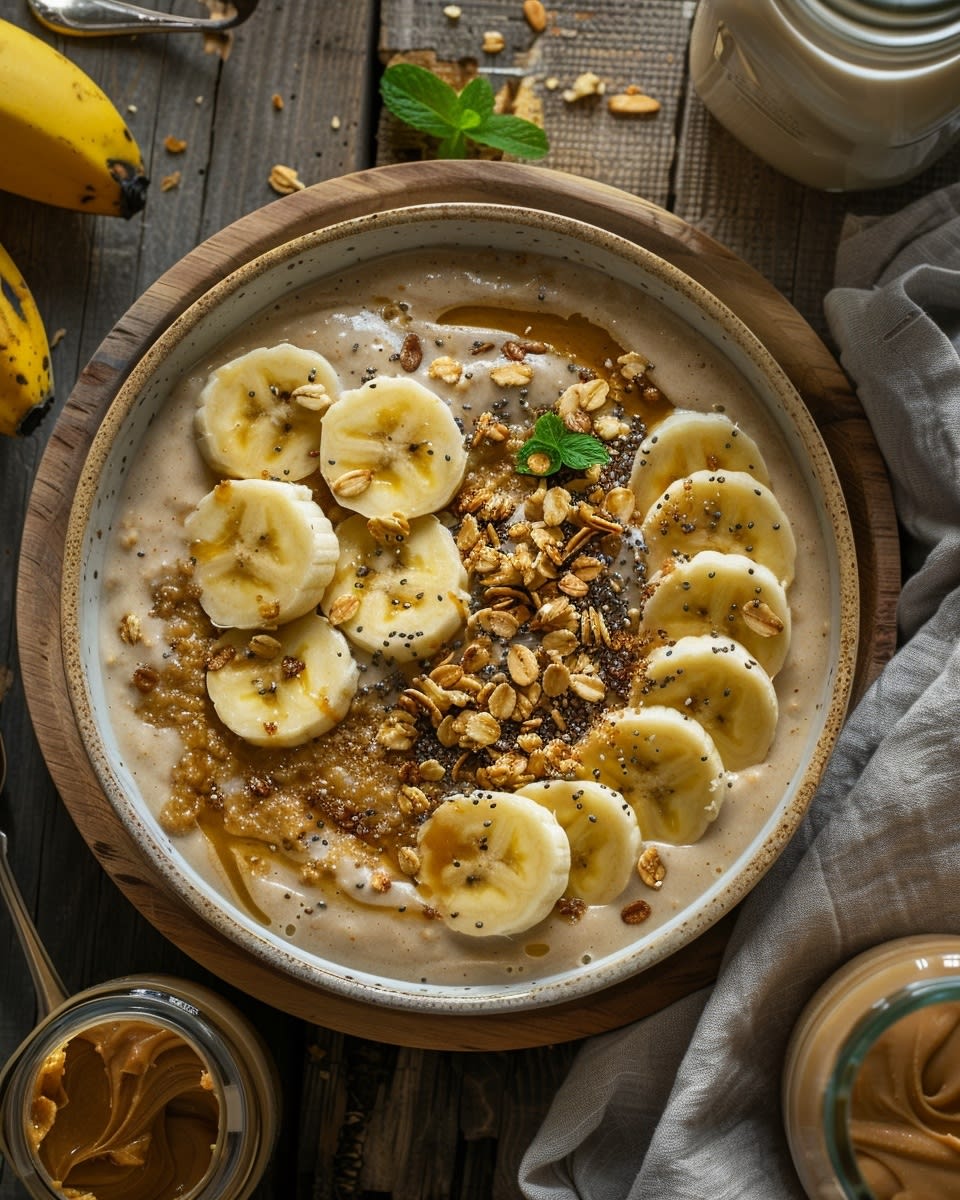
Why I’m Obsessed with My Banana Peanut Butter Breakfast Smoothie Bowl
I used to be that person who grabbed a stale granola bar and called it breakfast. I’d rush out the door, stomach growling by 10 a.m., wondering why I felt tired and grumpy. Then one morning, I blended up some frozen bananas with a scoop of peanut butter. I poured it into a bowl, added some toppings, and everything changed. My mornings got better. My energy lasted longer. I actually looked forward to waking up.
That’s when the banana peanut butter breakfast smoothie bowl became my go-to meal. This isn’t just another trendy breakfast. It’s a real solution for busy mornings when you need something quick, filling, and actually good for you. The combination of sweet bananas and creamy peanut butter creates a flavor that feels like a treat, but it’s packed with nutrients your body needs to start the day right.
Bananas and peanut butter work together like a perfect team. Bananas give you natural sugars for quick energy, plus potassium to keep your muscles happy. Peanut butter brings protein and healthy fats that keep you full until lunch. When you blend them into a thick smoothie and eat it from a bowl with a spoon, you get a more satisfying experience than drinking a regular smoothie. Your brain registers that you’re eating a real meal, not just gulping down liquid.
In this article, I’ll show you exactly how to make the perfect banana peanut butter breakfast smoothie bowl. You’ll learn the basic recipe, discover creative topping ideas, and find out how to customize it for your taste. I’ll also share tips for meal prep so you can have this healthy breakfast ready in under five minutes on even your busiest mornings.
Why Choose a Banana Peanut Butter Breakfast Smoothie Bowl?
Let me tell you why this breakfast option beats almost everything else in my kitchen. First, the health benefits are real and backed by nutrition science. Bananas are loaded with vitamin B6, vitamin C, and fiber. One medium banana gives you about 12% of your daily potassium needs. That mineral helps control blood pressure and supports heart health. The natural sugars in bananas release energy steadily, unlike the crash you get from sugary cereals or pastries.
Peanut butter brings its own set of superpowers to the bowl. Two tablespoons contain about 8 grams of protein and 16 grams of healthy fats. These fats are mostly monounsaturated and polyunsaturated, the kinds that support brain function and reduce inflammation. The protein helps build and repair tissues while keeping hunger at bay. When you pair protein and healthy fats with the carbs from bananas, you get a balanced meal that stabilizes blood sugar and prevents that mid-morning energy crash.
I love how this combination creates a complete breakfast without requiring a dozen ingredients. You’re getting:
- Complex carbohydrates for sustained energy
- Protein to keep you satisfied and support muscle health
- Healthy fats for brain function and vitamin absorption
- Fiber to support digestion and gut health
- Essential vitamins and minerals your body needs daily
The convenience factor makes this breakfast a winner for anyone with a packed schedule. I can make my banana peanut butter breakfast smoothie bowl in less time than it takes to toast bread and wait for eggs to cook. Just toss frozen bananas, peanut butter, and a splash of milk into a blender. Blend for 30 seconds. Done. Pour it into a bowl, add your favorite toppings, and you have a breakfast that looks Instagram-worthy but took almost no effort.
Smoothie bowls are also incredibly versatile. Feeling like you need more protein? Add a scoop of protein powder. Want extra greens? Throw in a handful of spinach (you won’t even taste it, I promise). Need more fiber? Top it with chia seeds or flaxseed. You can adjust this recipe based on your dietary needs, taste preferences, or whatever ingredients you have on hand.
I remember the first time I made one of these bowls for my teenage nephew. He’s the pickiest eater I know and usually skips breakfast entirely. He took one look at my smoothie bowl with granola and chocolate chips on top and said it looked like ice cream. He ate the whole thing and asked when I’d make it again. That’s the beauty of this breakfast. It appeals to kids and adults alike because it tastes indulgent while being nutritious.
The texture of a smoothie bowl beats drinking a regular smoothie any day. When you eat with a spoon, the meal feels more substantial. Your brain gets signals that you’re having a proper breakfast, not just a drink. This psychological aspect matters more than most people realize. Studies show that eating slowly and mindfully helps with digestion and satisfaction. You can’t really eat a thick smoothie bowl quickly, so you naturally slow down and enjoy your morning.
Another reason I choose this breakfast is the energy it provides without making me feel heavy or sluggish. Some breakfasts sit in your stomach like a rock. Others leave you hungry an hour later. This healthy breakfast option hits the sweet spot. The natural sugars from bananas give you an immediate energy boost. The protein and fats from peanut butter provide lasting fuel. I can make it through a tough morning workout or a busy work morning without feeling tired or distracted by hunger.
The cost factor deserves mention too. Making breakfast at home always saves money compared to buying it out, but smoothie bowls are particularly budget-friendly. Bananas are one of the cheapest fruits you can buy year-round. A jar of peanut butter lasts for weeks. Even with fancy toppings, you’re spending less than what you’d pay for a coffee and muffin at a café. I buy bananas in bulk, peel them when they get spotty, and freeze them in bags. This strategy means I always have smoothie bowl ingredients ready to go.
People often ask me if smoothie bowls are filling enough for breakfast. My answer is always yes, if you make them thick and add substantial toppings. The key is using frozen bananas and not too much liquid. This creates a thick, creamy base that’s more like soft-serve ice cream than a thin smoothie. Then you add crunchy toppings like granola, nuts, or coconut flakes. The combination of cold creaminess and crunchy texture makes the meal more satisfying and keeps you full for hours.
I’ve also found that starting my day with a banana peanut butter breakfast smoothie bowl sets a positive tone for my food choices throughout the day. When you begin with something nutritious and delicious, you’re more likely to continue making good decisions at lunch and dinner. It’s like giving yourself a small win first thing in the morning. That momentum carries forward.
The prep and cleanup are minimal, which matters when you’re half-awake and just want to eat. I use my blender, one bowl, and one spoon. That’s it. The whole process from freezer to table takes about five minutes. Cleaning the blender takes another minute if you rinse it right away. Compare that to making pancakes or a full cooked breakfast, and you’ll see why this has become my default option on busy weekday mornings.


Ingredients and Equipment You’ll Need
Now that you’re convinced this breakfast is worth trying, let’s get into the practical stuff. The ingredient list for a basic banana peanut butter breakfast smoothie bowl is surprisingly short. I keep all of these items stocked in my kitchen because I make this so often.
For the base, you’ll need three to four frozen bananas. I emphasize frozen because that’s what gives you the thick, ice cream-like texture. Fresh bananas will just give you a thin smoothie, and nobody wants that when we’re making a bowl. Next comes two tablespoons of peanut butter. I prefer natural peanut butter without added sugar or oils, but use whatever you love. Then add about a quarter cup of milk. I usually grab oat milk or almond milk from my fridge, but regular dairy milk works perfectly if that’s your thing.
That’s literally the foundation. Three ingredients. You can stop there and have a delicious smoothie bowl recipe that takes thirty seconds to blend.
But here’s where it gets fun. Optional add-ins can transform your bowl from basic to extraordinary. I like adding a scoop of vanilla protein powder when I’m headed to the gym afterward. A tablespoon of cocoa powder turns it into a chocolate peanut butter situation that tastes like dessert. Sometimes I throw in a handful of spinach because I read somewhere that we should all eat more greens, and honestly, you can’t taste it at all when it’s mixed with banana and peanut butter.
Funny enough, I discovered my favorite add-in by accident. I was making a bowl one morning and knocked over my container of chia seeds. A tablespoon fell into the blender, and I was too lazy to fish them out. Those tiny seeds added a subtle thickness and extra fiber that I now include on purpose. If you’re interested in other chia-based breakfasts, check out this high protein blueberry peanut butter chia pudding that works as a great make-ahead option.
The topping possibilities are endless, and this is where you can really customize based on what you’re craving. I keep a rotation of granola, sliced almonds, shredded coconut, fresh berries, cacao nibs, and hemp seeds in my pantry. On days when I want something more substantial, I’ll add a drizzle of honey or maple syrup, though the bananas usually provide enough sweetness. Sliced banana on top might seem redundant, but the contrast between frozen blended banana and fresh sliced banana actually creates an interesting texture thing that I enjoy.
Some mornings I’ll add a spoonful of Greek yogurt on top for extra protein and a tangy contrast to the sweet banana smoothie base. Other days I’ll crumble up some dark chocolate or add a few chocolate chips because life is short and breakfast should make you happy. If you’re someone who loves baked breakfast options, you might also enjoy these fluffy cottage cheese pancakes for variety during the week.
As for equipment, you don’t need anything fancy. A decent blender is the main requirement. I use a regular countertop blender that I’ve had for years. It’s not a high-end model, and it works fine. Some people swear by those expensive high-speed blenders, and sure, they work faster and smoother. But my mid-range blender gets the job done. The key is having something powerful enough to blend frozen fruit into a smooth consistency.
You’ll also need a bowl. This sounds obvious, but bowl choice matters more than you’d think. I prefer wide, shallow bowls over deep ones. A wider surface area gives you more space for toppings, and it makes the whole thing look more appealing. Plus, it’s easier to get a bit of topping with every spoonful when everything isn’t piled up in a narrow deep bowl.
A good spoon completes the setup. I like using those slightly larger dessert spoons rather than regular teaspoons. You want something that can scoop up a good amount of the thick smoothie along with the toppings. It makes the eating experience more enjoyable.
Let me share some tips on choosing quality ingredients because this actually affects the final result. When buying bananas specifically for smoothie bowls, look for ones that are just starting to get brown spots. These riper bananas are sweeter and blend more smoothly. I buy a big bunch, let them sit on my counter until they’re spotty, then peel and freeze them. Don’t freeze them with the peel on unless you enjoy struggling with rock-hard banana peels at six in the morning. Trust me on this one.
For peanut butter, read the ingredient label. The best versions contain just peanuts and maybe salt. If you see a long list of ingredients including hydrogenated oils and added sugars, keep looking. Natural peanut butter does separate with the oil rising to the top, but just stir it once when you open the jar and store it in the fridge. It’ll stay mixed after that.
The type of milk you choose changes the flavor slightly but not dramatically. Oat milk adds a subtle sweetness and creamy texture that I really like. Almond milk is lighter and more neutral. Coconut milk makes it taste tropical. Regular milk works great and adds extra protein. I’ve even used orange juice once when I ran out of milk, and it was surprisingly good, though definitely different from the classic peanut butter smoothie taste.
Step-by-Step Instructions
Alright, let’s walk through exactly how to make this. I’m going to give you the foolproof method I use every single time.
First, take your frozen bananas out of the freezer. If they’re completely solid, let them sit on the counter for about two minutes. This tiny bit of thawing makes blending easier and reduces strain on your blender motor. While you’re waiting, grab your other ingredients and get them ready.
Put the frozen bananas into your blender. Break them into chunks if they’re whole. Add your peanut butter on top of the bananas. Then pour in the milk. I’ve learned through many attempts that the order matters. Liquid on top of frozen fruit helps everything blend more smoothly. If you’re adding protein powder, cocoa powder, or any other mix-ins, throw them in now.
Here’s the thing about blending: start on low speed and gradually increase. If you blast it on high immediately, the frozen chunks just spin around without actually blending. Begin with a few pulses on low to break up the bananas. Then increase to medium speed. Use your blender’s tamper tool if it has one, or stop occasionally to scrape down the sides with a spatula.
The consistency you’re aiming for is thick and creamy, like soft-serve ice cream or frozen yogurt. You should be able to turn a spoon upside down in it and have the mixture stay put. If it’s too thick and your blender is struggling, add milk one tablespoon at a time. If it gets too thin, add more frozen banana or a handful of ice cubes.
This is where most people mess up their smoothie bowl recipe. They add too much liquid thinking it’ll blend easier, and they end up with something you could drink through a straw. Resist that urge. Less liquid means a thicker result. Your blender might sound like it’s working hard, and that’s okay. Just don’t let it run continuously for more than thirty seconds at a time. Pulse, stir, pulse again. It usually takes me about a minute total of blending time.
Once you’ve achieved that perfect thick consistency, pour the mixture into your bowl. Use a spatula to get every last bit out of the blender. Now comes the fun part: adding toppings. I like to create little sections with different toppings rather than just sprinkling everything randomly. Granola goes on one side, fresh berries on another, some nuts in another spot. It makes the bowl look prettier and lets you control what you’re getting in each bite.
For variations, the possibilities are genuinely endless. Want to make it vegan? Use plant-based milk and check that your protein powder is vegan if you’re adding it. Need it gluten-free? Just make sure your granola and any other toppings don’t contain gluten. Most natural ingredients like fruit, nuts, and seeds are already gluten-free.
I’ve made tropical versions using frozen mango chunks mixed with the banana. I’ve done a green version with spinach and kiwi on top. My chocolate-obsessed version uses cocoa powder in the base and cacao nibs sprinkled on top. During summer, I add frozen berries and it turns this beautiful purple color. If you enjoy meal-prepping breakfast, you might want to try these overnight protein oats with chia seeds on days when you want something different.
Here’s a pro tip I discovered by accident: if you’re making smoothie bowls for kids who are suspicious of healthy food, blend in a couple of pitted dates with the bananas. It makes the mixture even sweeter and adds a caramel-like flavor. My friend’s daughter thought she was eating ice cream for breakfast and happily finished the whole thing, vegetables hidden inside and all.
Another variation worth trying is the chocolate banana version. Add two tablespoons of cocoa powder and use chocolate almond butter instead of regular peanut butter. Top it with sliced strawberries and you’ve got something that tastes like a chocolate-covered strawberry. It’s basically dessert but counts as breakfast.
If you want extra protein without using powder, try adding a quarter cup of Greek yogurt to the blender along with everything else. It makes the base a bit tangier and adds a nice protein boost. Speaking of high-protein breakfasts, those blueberry cheesecake baked oats are another option when you have more time on weekend mornings.
The beauty of this recipe is how forgiving it is. There’s no exact science. If you add a bit too much milk, throw in some ice. If it’s not sweet enough, drizzle honey on top. Too thick? Add a splash more liquid. Not peanut buttery enough? Swirl extra peanut butter on top after you pour it in the bowl. You really can’t mess this up unless you completely forget to use frozen bananas.


Toppings and Variations to Make Your Smoothie Bowl Amazing
Here’s where your banana peanut butter breakfast smoothie bowl goes from good to absolutely amazing. The base is solid, no question. But the toppings are where you get to express yourself and turn this into something that actually excites you every morning. I’ve spent way too much time experimenting with different combinations, and I’m about to share everything I’ve learned.
Let’s start with the classics. Granola is probably the most popular smoothie bowl topping, and for good reason. It adds that crucial crunch factor that makes eating a cold creamy bowl feel more like a complete meal. I buy the kind with clusters because those bigger chunks stay crunchy longer. The smaller granola bits tend to get soggy quickly once they hit the smoothie. My grocery store has this maple pecan granola that’s basically candy, but it’s got oats and nuts so I’m calling it breakfast. Just watch the portion size because granola is calorie-dense. A quarter cup is usually plenty.
Fresh fruit brings color, vitamins, and natural sweetness to your bowl. Sliced strawberries are my go-to because they’re available year-round and pair perfectly with the peanut butter banana combo. Blueberries are fantastic for antioxidants and they look pretty scattered across the top. I’ve gotten into this habit of arranging them in little rows, which my partner thinks is ridiculous, but it makes me happy. Raspberries add a tart contrast that cuts through the sweetness. Kiwi slices bring a tropical vibe and tons of vitamin C.
During summer months, I use whatever berries are in season. There’s something special about fresh local strawberries in June that frozen ones just can’t match. In fall, I’ll dice up an apple and sprinkle cinnamon on top. It tastes like apple pie but takes zero baking skills. Winter is when I rely more on frozen fruit as toppings because fresh options get expensive and less flavorful.
Seeds deserve way more credit as smoothie bowl toppings than they typically get. Chia seeds add omega-3 fatty acids and fiber without changing the flavor at all. They’re these tiny powerhouses that boost the nutrition profile significantly. Hemp seeds have a subtle nutty taste and provide complete protein with all nine essential amino acids. That’s pretty impressive for something the size of a sesame seed. Flax seeds should be ground to get the full nutritional benefit, and they add a pleasant earthy flavor. I keep a little jar of mixed seeds on my counter and just sprinkle a tablespoon over whatever bowl I’m making.
Nuts take your smoothie bowl into more substantial territory. Sliced almonds add crunch and healthy fats. Chopped walnuts bring omega-3s and a slightly bitter flavor that balances the sweet banana. Cashews are creamy and mild. Pecans feel fancy and work especially well if you’ve added cinnamon or maple syrup to your bowl. I buy raw unsalted nuts in bulk and keep them in the freezer so they stay fresh longer. A small handful is enough to add texture and nutrition without overwhelming everything else.
Coconut comes in multiple forms and they’re all good options. Shredded coconut adds sweetness and tropical flavor. I prefer the unsweetened kind because the bananas already make things plenty sweet, but the sweetened version tastes like vacation in a bowl. Coconut flakes are bigger pieces that stay crunchy and look impressive scattered on top. Toasted coconut takes things to another level with deeper flavor, though I’m usually too lazy to toast it myself and just buy it already toasted.
By the way, one of my favorite healthy toppings discoveries was cacao nibs. They look like chocolate chips but they’re actually pieces of crushed cacao beans with no added sugar. The taste is bitter and intense, nothing like sweet chocolate, but mixed with the other flavors in a smoothie bowl they add this sophisticated edge. Plus you get antioxidants and a bit of natural caffeine. I felt very health-conscious the first time I used them, like I’d leveled up in the wellness game.
Nut butters beyond peanut butter open up whole new flavor profiles. Almond butter is milder and slightly sweet. Cashew butter is super creamy and rich. Sunflower seed butter works great if you have peanut allergies or just want something different. I like drizzling these over the top of my bowl in addition to what’s blended in the base. It creates little pockets of concentrated flavor that you hit randomly while eating. Tahini is technically a seed butter and it adds this savory quality that sounds weird but actually works, especially if you’re going for a more sophisticated adult breakfast vibe.
Here’s the thing about customizing based on dietary needs: this breakfast is incredibly adaptable. For anyone avoiding dairy, the recipe is already dairy-free if you use plant milk. Making it vegan is automatic with that swap. Gluten-free people just need to check granola labels and make sure toppings are certified gluten-free. I have a friend with celiac who makes her own granola from gluten-free oats, and she says it’s easy once you get a system down.
If you’re watching sugar intake, skip the honey drizzle and sweetened toppings. The bananas provide natural sweetness that’s usually sufficient. For low-carb or keto diets, this particular recipe doesn’t work well since bananas are high in carbs. But you could adapt the concept using frozen cauliflower or avocado as a base instead. It won’t taste the same obviously, but you’d maintain that thick bowl texture.
People following high-protein diets can boost the protein content easily. Add protein powder to the base, use Greek yogurt as a topping, and include nuts and seeds. Some mornings I’ll put a whole scoop of vanilla protein powder in mine and mix in extra peanut butter, and it keeps me full until mid-afternoon. That combination turns it into a legitimate post-workout meal.
Let me share some of my absolute favorite topping combinations and why they work. My everyday classic is granola, sliced strawberries, a sprinkle of chia seeds, and a tiny drizzle of honey. It’s balanced, looks good, and never gets boring. The textures range from crunchy to soft to chewy, hitting all the satisfaction points.
My chocolate lover’s version uses cacao nibs, sliced banana, a few dark chocolate chips, and almond slices. The different chocolate elements create layers of flavor from bitter to sweet. When I want to feel like I’m on a beach somewhere, I do coconut flakes, diced mango, sliced banana, and macadamia nuts. It tastes tropical and expensive even though it costs maybe three dollars to make.
For fall mornings, I top my bowl with diced apples, chopped walnuts, a sprinkle of cinnamon, and granola. Sometimes I’ll add a tiny bit of maple syrup. It reminds me of apple crisp, and honestly, having dessert flavors for breakfast makes early mornings way more bearable. My protein-focused combination includes hemp seeds, a dollop of Greek yogurt, almonds, and blueberries. It’s not the prettiest but it keeps me satisfied for hours during busy work days.
Funny enough, my least successful topping experiment involved pickles. I was on this kick of adding fermented foods to everything for gut health, and I thought, why not. Turns out pickles and peanut butter banana smoothie do not belong together. Learn from my mistakes. Stick with sweet or neutral toppings unless you’re feeling very adventurous.
Seasonal variations keep things interesting throughout the year. Spring brings fresh berries that need minimal additions. Summer is perfect for stone fruits like peaches and nectarines cut into chunks. Fall calls for those warming spices like cinnamon, nutmeg, and even pumpkin pie spice sprinkled on top. Winter is when I add more substantial toppings like extra nut butter and heartier granola because my body craves those heavier foods when it’s cold.
One thing I’ve noticed about presentation is that it actually affects how much I enjoy eating the bowl. When I take an extra thirty seconds to arrange toppings thoughtfully, I eat more slowly and feel more satisfied. It’s that mindful eating thing everyone talks about. The bowl looks appealing, I take a photo sometimes, and then I actually pay attention while I’m eating instead of scrolling through my phone.
If you’re trying to get kids interested in healthy breakfast options, let them choose and add their own toppings. Set out small bowls with different options and let them create their own design. My neighbor does this with her five-year-old and suddenly smoothie bowls became his favorite meal. He asks for them constantly because he gets to be in charge of decorating. It’s basically edible art class before school.
Storage and prep for toppings makes weekday mornings smoother. I keep all my dry toppings in small containers lined up in one cabinet. Every Sunday I wash and cut fresh fruit for the week, storing it in clear containers in the fridge. When morning comes, I just grab what I need without thinking too hard. This system has honestly saved me so much time and prevents that decision fatigue when you’re barely awake.
For anyone interested in exploring more breakfast smoothie recipes and other morning meal ideas, there are tons of creative options in the world of breakfast and brunch dishes that can complement your smoothie bowl routine throughout the week.
The beauty of this whole topping situation is there are no rules. You can change it based on your mood, what’s in your kitchen, or what your body needs that day. Some mornings call for simple and quick. Others invite you to go all out with six different toppings arranged in a pattern. Both approaches work perfectly fine. The important part is that you’re starting your day with something nutritious that makes you happy. And speaking of nutrition and food quality, it’s always good practice to maintain proper kitchen sanitation when preparing any meals, especially when working with fresh fruits and ingredients you’ll be consuming raw.
I’ll sometimes theme my bowls around color, like an all-purple bowl with blueberries, blackberries, and acai powder mixed into the base. Or a green bowl with kiwi, green grapes, and pumpkin seeds. It sounds silly but it makes breakfast more fun, and anything that makes you more likely to eat a nutritious meal is worth doing. Life is too short for boring breakfast.
Common Questions About Banana Peanut Butter Breakfast Smoothie Bowls
Is a banana peanut butter smoothie bowl actually healthy?
Yes, this is genuinely a healthy breakfast option when made with whole ingredients. Bananas provide potassium, fiber, and natural energy from carbohydrates. Peanut butter adds protein and healthy fats that keep you satisfied. The combination creates a balanced meal with carbs, protein, and fat. Just watch your portion sizes on high-calorie toppings like granola and extra nut butter. A well-made smoothie bowl can easily provide a quarter of your daily nutritional needs in one satisfying meal.
What are the best toppings for a smoothie bowl?
The best toppings combine different textures and nutritional benefits. Granola adds crunch and whole grains. Fresh fruit provides vitamins and natural sweetness. Seeds like chia and hemp boost omega-3s and protein. Nuts contribute healthy fats and more crunch. I recommend choosing at least three different types of toppings to create variety in each bite. Popular combinations include granola with berries and coconut, or nuts with banana slices and a drizzle of honey.
Can I make this smoothie bowl without peanut butter?
Absolutely, and it’ll still taste great. Try almond butter, cashew butter, or sunflower seed butter as substitutes. Each brings a slightly different flavor profile but maintains that creamy richness. If you have nut allergies, sunflower seed butter is your best option and works wonderfully. You could even skip nut butters entirely and add avocado or Greek yogurt for creaminess instead. The banana provides enough flavor to carry the bowl even without peanut butter.
How long does it take to make a banana peanut butter smoothie bowl?
From start to finish, you can have this breakfast ready in about five minutes. Blending the base takes one to two minutes depending on your blender’s power. Adding toppings takes another minute or two depending on how elaborate you want to get. If you have pre-frozen bananas and your toppings already prepped, you can realistically make this in three minutes. It’s one of the fastest nutritious breakfasts you can make from scratch.
Should I use fresh or frozen bananas for smoothie bowls?
Always use frozen bananas for the thick, ice cream-like texture that makes smoothie bowls special. Fresh bananas will give you a thin smoothie that’s better for drinking than eating with a spoon. Freeze ripe bananas that have brown spots for the best sweetness and flavor. Peel them before freezing to save yourself the frustration of trying to peel frozen bananas. I slice mine into chunks before freezing so they blend more easily.
How can I make my smoothie bowl thicker?
Use less liquid when blending, that’s the main trick. Start with just a quarter cup of milk and only add more if absolutely necessary. Make sure your bananas are completely frozen, not just chilled. You can also add a handful of ice cubes or frozen cauliflower rice to increase thickness without affecting flavor much. Using frozen fruit in addition to frozen bananas helps too. The goal is to create something you need to eat with a spoon, not drink.
Can I meal prep smoothie bowls in advance?
Smoothie bowls are best made fresh because they start to lose that perfect texture when stored. However, you can absolutely prep the components in advance. Portion frozen bananas into individual bags along with any other frozen fruit you’re using. Pre-measure peanut butter into small containers. Prep and store toppings in the fridge. In the morning, just dump everything in the blender and go. Some people freeze the blended mixture in jars and let it thaw slightly before eating, though the texture isn’t quite the same.
What kind of milk works best in smoothie bowls?
This comes down to personal preference since different milks create slightly different flavors and textures. Oat milk makes it extra creamy and adds subtle sweetness. Almond milk is lighter and more neutral. Coconut milk from a carton adds tropical flavor. Regular dairy milk works perfectly and adds protein. I personally rotate between oat milk and almond milk depending on what’s in my fridge. All of them blend well with the peanut butter banana base.
Are smoothie bowls good for weight loss?
They can be part of a weight loss plan if you’re mindful about portions and toppings. A basic banana peanut butter smoothie bowl with reasonable toppings contains around 350-450 calories, which is appropriate for breakfast. The protein and fiber help keep you full, preventing overeating later. However, it’s easy to add too many high-calorie toppings like granola, nuts, and nut butter drizzles that can push the calorie count up significantly. Measure your portions and focus on fruit-heavy toppings if weight loss is your goal.
Why is my smoothie bowl too runny?
You added too much liquid during blending, which is the most common mistake people make. The mixture should be thick enough that the blender struggles slightly to process it. If it’s already too thin, you can fix it by adding more frozen banana, a handful of ice, or even frozen cauliflower. For next time, start with less milk than you think you need. You can always add more if it’s too thick, but you can’t easily remove liquid once it’s in there.
Making a banana peanut butter breakfast smoothie bowl has honestly changed how I approach mornings. It’s quick enough for busy weekdays but feels special enough that I actually look forward to breakfast now. The endless topping combinations mean I never get bored, and knowing I’m fueling my body with real nutrition makes me feel good about my choices. Give it a try this week and see how it fits into your morning routine. I think you’ll be surprised at how satisfying and delicious healthy breakfast can actually be. If you discover any amazing topping combinations or creative variations, I’d genuinely love to hear about them. There’s always room for new ideas when it comes to breakfast and brunch inspiration, and we’re all in this together trying to make mornings a little bit better, one bowl at a time.
Ingredients
Equipment
Method
- Retirez vos bananes congelées du congélateur et laissez-les décongeler pendant environ deux minutes si elles sont complètement solides.
- Placez les bananes congelées dans votre mixeur et cassez-les en morceaux si elles sont entières.
- Ajoutez le beurre de cacahuète sur le dessus des bananes.
- Versez le lait et ajoutez tout additif facultatif tel que la poudre de protéines ou la poudre de cacao.
- Commencez à mélanger à basse vitesse, puis augmentez progressivement à vitesse moyenne, en pulsatant et en grattant les côtés si nécessaire.
- Mélangez jusqu'à ce que vous obteniez une consistance épaisse et crémeuse, semblable à celle d'une crème glacée au soft-serve.
- Versez le mélange dans un bol large et peu profond.
- Ajoutez vos garnitures souhaitées en les arrangeant en sections pour une présentation visuellement attrayante.