
Introduction
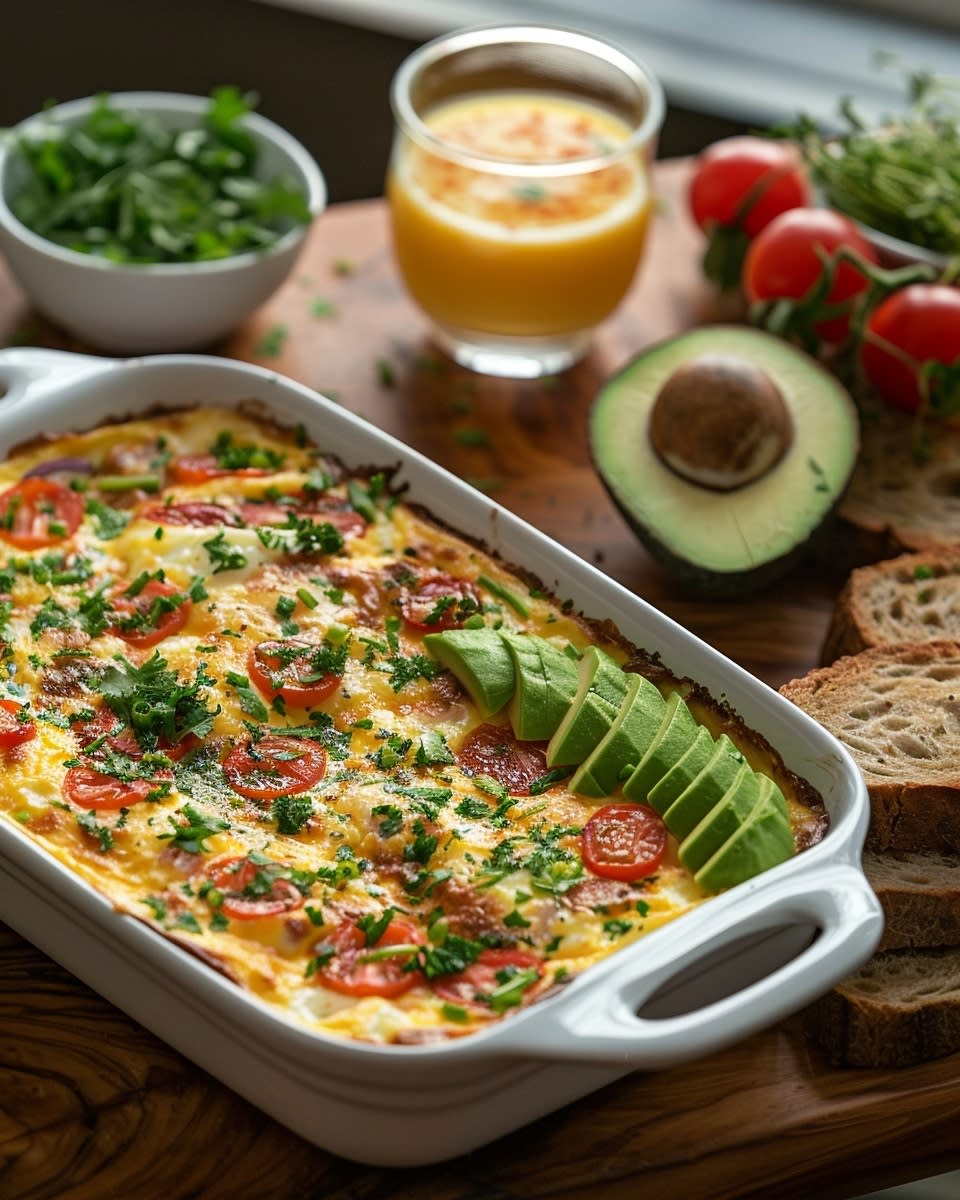
Last Sunday morning, I stood in my kitchen staring at a carton of cottage cheese and a dozen eggs. I needed something quick but filling, something that would keep me full until lunch without making me feel sluggish. That’s when I decided to throw together what became my favorite breakfast discovery: a high protein cottage cheese egg bake. The result was creamy, satisfying, and packed with protein. I ate two slices and didn’t feel hungry for hours.
If you’re looking for a meal that works as hard as you do, this dish is your answer. Whether you need breakfast for a busy week or a post-workout meal that supports your fitness goals, a high protein cottage cheese egg bake delivers on all fronts. It’s simple to make, easy to customize, and tastes amazing warm or cold.
This egg bake brings together two protein powerhouses: eggs and cottage cheese. Each serving gives you a serious protein boost without the extra carbs or sugar you’d get from typical breakfast foods. The cottage cheese adds a creamy texture that makes the whole dish feel indulgent, even though it’s helping you reach your health goals.
I’m here to walk you through everything you need to know about making this versatile dish. You’ll learn why it works so well for weight loss and muscle building. You’ll discover how to prep it ahead for those hectic mornings. And you’ll find out how to adapt the basic recipe to match your taste preferences and dietary needs.
The beauty of this healthy egg bake with cottage cheese is that it fits into almost any eating plan. Following keto? It works. Counting calories? Perfect. Just trying to eat more whole foods? You’re covered. This isn’t one of those recipes that requires specialty ingredients or complicated cooking techniques. You probably have most of what you need in your fridge right now.
Cottage cheese deserves more credit in the kitchen. It’s mild enough to blend into sweet or savory dishes, and it brings valuable nutrition to the table. A half cup of low-fat cottage cheese contains about 12 grams of protein and only 80 calories. When you mix it with eggs, which add another 6 grams of protein each, you create a protein-packed base that keeps hunger at bay for hours.
The creamy texture cottage cheese brings to an egg bake is something you can’t get from milk or cream alone. It makes the eggs fluffy and rich without adding much fat. Plus, it distributes evenly throughout the bake, so every bite has that smooth, satisfying consistency.
Why Choose High Protein Cottage Cheese Egg Bake?
Let me break down why this dish has become my go-to meal prep staple. The nutritional profile alone makes it worth trying. A typical serving of high protein cottage cheese egg bake contains 20 to 30 grams of protein, depending on how you make it. That’s about the same amount you’d get from a large chicken breast, but it takes half the time to prepare.
Protein does more than just build muscle. It keeps you full longer than carbs or fat do. When I eat a slice of this egg bake for breakfast, I’m not reaching for snacks an hour later. The protein triggers hormones that tell your brain you’re satisfied. This makes a huge difference if you’re trying to cut calories without feeling deprived.
For anyone focused on weight loss, this high protein cottage cheese egg bake for weight loss checks all the boxes. It’s nutrient-dense but relatively low in calories. You can eat a generous portion and still stay within your daily calorie goals. The high protein content also helps preserve muscle mass while you’re losing weight, which keeps your metabolism running strong.
Building muscle requires consistent protein intake throughout the day. This egg bake makes it easy to hit your protein targets, especially if you struggle to eat enough at breakfast. I’ve found that starting my day with 25 grams of protein sets me up for better food choices later. I’m less likely to grab sugary snacks or overeat at lunch.
The convenience factor can’t be overstated. A cottage cheese egg bake meal prep strategy saves me at least an hour each week. I bake one large pan on Sunday, cut it into portions, and store them in containers. Each morning, I grab a piece, heat it for 60 seconds, and I’m done. No scrambling eggs half-asleep. No drive-through temptations.
This approach works for any meal, not just breakfast. I’ve eaten this egg bake for lunch with a side salad and for dinner alongside roasted vegetables. The mild flavor pairs well with almost anything. You can even eat it cold straight from the fridge, which makes it perfect for packed lunches or quick snacks between meetings.
Let’s talk about the cottage cheese egg bake keto angle. If you’re following a ketogenic diet, this dish fits perfectly into your macros. The cottage cheese egg bake no flour version is naturally low in carbs, usually containing less than 5 grams per serving. You get plenty of fat from the eggs and cottage cheese, plus enough protein to keep you satisfied without kicking you out of ketosis.
The meal prep benefits extend beyond just saving time. When you have healthy food ready to eat, you’re less likely to make impulsive choices. I used to skip breakfast on busy mornings, then wonder why I felt tired and hungry by 10 a.m. Now I have no excuse. My healthy egg bake with cottage cheese is waiting in the fridge, ready in less time than it takes to brew coffee.
You can also make baked cottage cheese egg muffins using the same basic recipe. Pour the mixture into a muffin tin instead of a baking dish. This gives you perfect portion control and makes the egg bake even more portable. I keep a few in my bag for post-gym snacks or afternoon pick-me-ups.
The versatility of this dish means you’ll never get bored. One week, I make an egg casserole with cottage cheese and spinach. The next week, I add diced bell peppers and onions. Sometimes I throw in leftover cooked sausage or bacon. Each variation keeps the high protein base but changes the flavor profile completely.
Cost is another practical consideration. Eggs and cottage cheese are both affordable protein sources. A dozen eggs and a large container of cottage cheese cost less than $10 in most places. That makes enough egg bake for at least six servings, often more. Compare that to buying breakfast sandwiches or protein bars throughout the week.
The cottage cheese egg casserole also works well for feeding a crowd. When family visits or I host brunch, I double the recipe and bake it in a larger pan. Everyone gets a satisfying meal without me spending hours in the kitchen. I can prep it the night before and just pop it in the oven while the coffee brews.
For those tracking macros or following specific nutrition plans, this dish makes calculations simple. The ingredients are straightforward, so you know exactly what you’re eating. There are no hidden sugars or mystery additives. Just whole food ingredients that fuel your body properly.


Essential Ingredients for Your High Protein Cottage Cheese Egg Bake
Now that you understand why this dish works so well, let’s get into what you actually need to make it. The base recipe is surprisingly simple, and I bet you already have most of these ingredients sitting in your fridge.
For a basic cottage cheese egg casserole, you’ll need eight to ten large eggs as your foundation. I prefer using whole eggs because the yolks contain important nutrients like vitamin D and choline, but you can use egg whites if you’re watching fat intake. Next comes about two cups of cottage cheese. I usually go with low-fat or 2% cottage cheese, though full-fat works great if you’re doing keto.
Here’s where it gets interesting. You’ll want some shredded cheese for extra flavor and binding. I typically use about a cup of sharp cheddar, but mozzarella, Swiss, or Monterey Jack all work beautifully. A pinch of salt and pepper is essential, along with maybe half a teaspoon of garlic powder. That’s it for the absolute basics.
The nutritional breakdown on this simple version is impressive. Each serving delivers roughly 25 grams of protein, about 200 calories, and less than 3 grams of carbs. You’re getting B vitamins from the eggs, calcium from the dairy, and a complete amino acid profile that your muscles can actually use. The sodium content sits around 400 milligrams per serving, which is reasonable if you’re not overdoing salt elsewhere in your day.
What I love most is how easy it is to boost the nutrition even further. Adding vegetables doesn’t just increase the vitamin content—it also adds volume without many calories. An egg casserole with cottage cheese and spinach has become my default version. I throw in about two cups of fresh spinach, which wilts down to almost nothing but adds iron, vitamin K, and fiber. Sometimes I sauté the spinach first with a bit of garlic, which brings out a deeper flavor.
For a cottage cheese egg bake keto approach, you’re already in great shape with the basic recipe. The cottage cheese egg bake no flour naturally fits keto macros since there’s no need for any grain-based binders. The eggs and cottage cheese create enough structure on their own. If you want to make it even more keto-friendly, use full-fat cottage cheese and add some cooked bacon or sausage. Just watch your portions of the shredded cheese since some varieties have added starches.
I’ve also experimented with adding different vegetables based on what’s in season. Bell peppers add a sweet crunch and loads of vitamin C. Mushrooms bring an earthy, umami depth that makes the egg bake feel more substantial. Diced zucchini works well too, though I recommend salting it first and letting it drain for about 15 minutes—otherwise it releases too much water during baking.
By the way, herbs make a massive difference in the final flavor. Fresh basil or dill transform the dish completely. Dried Italian seasoning is my lazy day shortcut, and it always delivers. A dash of smoked paprika adds complexity without being spicy. If you like heat, a few dashes of hot sauce mixed into the egg mixture or some diced jalapeños stirred in before baking will wake up your taste buds.
The beauty of this recipe is that it adapts to whatever eating style you follow. If you’re looking for other high-protein options to round out your week, you might also enjoy a high protein chicken quinoa power bowl for lunch or dinner variety.
Step-by-Step Guide to Making Your Perfect High Protein Cottage Cheese Egg Bake
Alright, let’s actually make this thing. I’m going to walk you through my exact process, including the little tricks I’ve learned from making this probably 50 times by now.
First, preheat your oven to 350°F. This temperature gives you a gentle, even cook that prevents the edges from getting rubbery while the center finishes. While the oven heats up, grab a 9×13 inch baking dish and spray it generously with cooking spray. I learned the hard way that skimping on the spray leads to stuck-on egg that you’ll be scrubbing for days.
In a large mixing bowl, crack all your eggs. I do this into a separate small bowl first, one at a time, just to catch any shell pieces or bad eggs before they ruin the whole batch. Whisk the eggs thoroughly until the yolks and whites are completely combined and slightly frothy. This aeration helps create a lighter texture in the finished bake.
Next comes the cottage cheese. Here’s something I discovered that makes a real difference: blend half of the cottage cheese in a food processor or blender until it’s smooth. Leave the other half with its curds intact. This gives you the creamy texture throughout while still having those little pockets of cottage cheese that add interest. Mix both the blended and unblended cottage cheese into your whisked eggs.
Add your shredded cheese, salt, pepper, and any seasonings you’re using. If you’re including vegetables, this is when they go in. Make sure any veggies you add are relatively dry. Excess moisture is the enemy of a firm, sliceable egg bake. I once added fresh tomatoes without draining them first, and the whole thing turned into a watery mess. Live and learn.
Pour the entire mixture into your prepared baking dish. Give the pan a gentle shake to level everything out and release any air bubbles. If you’re making baked cottage cheese egg muffins instead, use a greased muffin tin and fill each cup about three-quarters full. The muffin version cooks faster—usually around 20 to 25 minutes instead of the full baking time.
Slide your dish into the preheated oven and set a timer for 35 minutes. Don’t open the oven door during the first 30 minutes. I know it’s tempting, but letting out heat can cause the egg bake to deflate or cook unevenly. At the 35-minute mark, check the center with a knife or toothpick. If it comes out clean, you’re done. If there’s still liquid egg on it, give it another 5 to 10 minutes.
Here’s the thing about oven temperatures: they vary more than you’d think. My old apartment oven ran hot, so my egg bake was always done at 30 minutes. My current oven is slower, and I need the full 45 minutes. Watch for visual cues too—the edges should be pulling away slightly from the pan, and the top should be set with maybe a tiny bit of jiggle in the very center when you shake the pan.
Let the high protein cottage cheese egg bake cool for at least 10 minutes before cutting into it. This resting time allows the structure to firm up. If you cut it immediately, it’ll be runny and fall apart. I usually make mine in the evening and let it cool completely on the counter, then refrigerate it overnight. It slices much cleaner when it’s cold.
The customization possibilities are endless, similar to how you might adapt healthy ground turkey lettuce wraps with different toppings. For a Mediterranean version, I mix in sun-dried tomatoes, kalamata olives, and feta cheese with some dried oregano. It reminds me of a Greek omelet but easier and perfect for meal prep.
A Southwestern variation includes black beans, corn, diced green chiles, pepper jack cheese, and cumin. Top each serving with salsa and a dollop of Greek yogurt. This version has become my husband’s favorite, and he actually requests it specifically.
Funny enough, I’ve even made a breakfast pizza version. I line the bottom of the pan with cooked turkey sausage, then pour the egg mixture over it. Before baking, I sprinkle the top with more mozzarella and some Italian seasoning. When it’s done, I add a drizzle of marinara sauce. My kids loved this one.
For texture perfection, remember that eggs continue cooking slightly even after you remove them from the oven. I aim for just barely set in the center, knowing that carryover heat will finish the job while it rests. Overcooked eggs get that sulfurous smell and spongy texture that nobody enjoys.
If you prefer a fluffier texture, try adding a tablespoon of baking powder to your egg mixture. Some people swear by this trick. I’ve found it does create more rise, though the cottage cheese already provides plenty of creaminess. It’s worth experimenting with if you like your eggs super light and airy.
Storage is straightforward for your cottage cheese egg bake meal prep. Cut the cooled bake into individual portions and stack them in airtight containers with parchment paper between each piece. They’ll keep in the fridge for up to five days. I’ve never tried freezing mine because we eat it so quickly, but I’ve heard it freezes well for up to three months if you wrap portions tightly in plastic wrap and foil.
Reheating is simple. Microwave a single portion for 60 to 90 seconds, or warm it in a 300°F oven for about 10 minutes if you’re heating multiple servings. The microwave is faster, but the oven keeps the edges from getting rubbery. Sometimes I reheat a slice in a skillet with a lid, which gives you slightly crispy edges and a warm, soft center.
When I’m feeling fancy, I’ll serve my healthy egg bake with cottage cheese alongside a fresh salad. A Mediterranean chickpea cucumber salad pairs perfectly with the rich, protein-packed egg bake, adding freshness and crunch to the meal.
One last tip: if you’re new to meal prepping or just want something sweet to balance your savory breakfasts throughout the week, I also keep a cinnamon roll French toast bake in rotation. Having both options means I never get bored with my morning meals.
The whole process from start to finish takes maybe 15 minutes of active work, plus baking time. That’s less time than you’d spend making individual breakfasts every morning, and you end up with a week’s worth of perfectly portioned, protein-rich meals ready to grab and go.


Mastering Meal Prep and Storage for Your High Protein Cottage Cheese Egg Bake
Here’s where this recipe really shines—turning your cottage cheese egg bake meal prep into a foolproof system that actually works with your life. I’ve tried a lot of meal prep strategies over the years, and honestly, most of them fell apart by Wednesday. But this egg bake? It’s stayed consistent for me because it’s simple and genuinely makes my mornings easier.
Let me share what I’ve learned about prepping, storing, and serving this dish so you get the most out of every batch you make.
Smart Portioning Strategies
The way you portion your egg bake matters more than you’d think. I’ve experimented with different approaches, and here’s what works best. After the bake cools completely, I use a sharp knife to cut it into six or eight equal pieces, depending on how hungry I tend to be in the mornings. For me, a larger piece (one-sixth of the pan) hits the spot after a morning workout. On regular days, I go with a smaller portion.
I label each container with the date and sometimes even write the macro breakdown on a piece of tape. Sounds obsessive, but when you’re half-awake at 6 a.m., you don’t want to guess whether that container is three days old or six days old. Trust me on this.
By the way, investing in quality glass containers changed everything for me. Plastic containers absorb smells and stain easily, especially with egg dishes. Glass containers keep the egg bake fresh-tasting, don’t retain odors, and you can reheat directly in them without worrying about chemicals leaching into your food.
Freezing Your Egg Bake
Even though I mentioned I haven’t personally needed to freeze mine, I finally tried it last month when I made a double batch. Turns out, this high protein cottage cheese egg bake freezes surprisingly well. Wrap individual portions tightly in plastic wrap, then place them in a freezer-safe bag. Squeeze out as much air as possible before sealing.
Frozen portions last about three months. When you’re ready to eat one, move it to the fridge the night before to thaw slowly. Then reheat as usual. I tried microwaving one straight from frozen once, and it came out unevenly heated—cold in the center, lava-hot around the edges. Not recommended.
Reheating Without Ruining It
The microwave works fine for quick reheating, but there’s definitely a technique to it. Place your portion on a microwave-safe plate and cover it with a damp paper towel. This creates steam that keeps the eggs from drying out. Heat on 70% power for about 90 seconds, then check it. If it needs more time, go in 20-second intervals.
For a better texture, I prefer using my toaster oven. Set it to 300°F, place the portion on a small baking sheet, cover it loosely with foil, and warm it for about 12 minutes. The edges get slightly crispy while the center stays creamy. It’s worth the extra few minutes when I have time.
Here’s a trick I stumbled on by accident: reheat a slice in a nonstick skillet over medium-low heat with a lid on top. It takes about four minutes per side, and you get this amazing crispy bottom that contrasts beautifully with the soft interior. Add a slice of cheese on top during the last minute, and you’ve basically created a breakfast sandwich filling without the bread.
Creative Serving Ideas Beyond the Basics
Once you’ve mastered the basic cottage cheese egg bake meal prep, it’s fun to get creative with how you serve it. I’ve built entire meals around a single slice of egg bake, transforming it from simple breakfast to something that feels like a complete dining experience.
My favorite way lately is making a breakfast power bowl. I start with a base of fresh arugula or baby spinach, add a warm slice of the egg bake cut into cubes, then top it with cherry tomatoes, sliced avocado, and a drizzle of hot sauce or salsa verde. Sometimes I throw in some roasted sweet potato chunks if I have them prepped. The warm egg bake slightly wilts the greens, and the whole thing comes together in under five minutes.
Another option that’s become popular in my house is using the egg bake as a protein component in a wrap. I warm a large whole wheat or low-carb tortilla, place a slice of egg bake in the center, add some shredded lettuce, diced tomatoes, and a smear of Greek yogurt mixed with taco seasoning. Roll it up, and you’ve got a portable breakfast burrito that actually keeps you full.
For afternoon snacks, I cut the egg bake into smaller squares—about two-inch pieces—and keep them in a container in the fridge. They’re perfect for grabbing between meetings or before heading to the gym. The protein content makes them way more satisfying than crackers or chips, and since you’re following a low added sugar approach with this recipe, you avoid the energy crash that comes with typical packaged snacks.
Pairing Your Egg Bake with Other Foods
While the healthy egg bake with cottage cheese is satisfying on its own, pairing it with the right sides creates a more balanced meal. On workout days, I add a slice of whole grain toast with a thin spread of almond butter. The complex carbs give me energy without weighing me down, and the combination keeps me fueled through a tough training session.
Fresh fruit works beautifully alongside the savory egg bake. Berries, melon, or sliced citrus provide a refreshing contrast. I’ll often prep a big container of mixed fruit at the beginning of the week and portion it out with my egg bake servings.
If you want something heartier, breakfast potatoes or roasted vegetables make excellent companions. I roast a big batch of Brussels sprouts or broccoli with olive oil and garlic powder, then divide them into containers alongside the egg bake. Reheating both together gives you a complete, veggie-forward meal.
Making It Work for Different Schedules
One thing I appreciate about this recipe is how it adapts to different weekly schedules. During busy weeks when I know I’ll barely have time to breathe, I make my egg bake extra simple—just eggs, cottage cheese, cheese, and maybe some frozen spinach. No chopping, minimal dishes.
When I have more time and want variety, I’ll make two smaller pans with different flavor profiles. One might be the Southwestern version with peppers and chiles, while the other is a simple herb and cheese version. Having two options prevents meal prep fatigue, which is real and has derailed my planning more times than I’d like to admit.
Funny enough, my neighbor saw me carrying two pans of egg bake to my car once (I was heading to my mom’s house to drop one off) and asked if I was starting a catering business. I laughed and explained my meal prep system. Now she makes her own cottage cheese egg casserole every Sunday too.
Troubleshooting Common Storage Issues
If you notice your egg bake getting watery after a few days in the fridge, it probably has too much moisture from vegetables. Next time, make sure to squeeze out excess water from ingredients like zucchini or spinach before adding them to the mixture. Sautéing vegetables beforehand also helps evaporate some of that moisture.
Sometimes the edges dry out a bit during storage. When reheating, add a tiny splash of water or milk to the container before microwaving. The steam will rehydrate the edges slightly. Alternatively, cover your stored portions with a piece of parchment paper directly on the surface before sealing the container. This creates a barrier that prevents moisture loss.
I learned the hard way not to stack too many portions on top of each other without separating them. The weight can compress the bottom pieces, making them dense instead of fluffy. Use parchment paper or plastic wrap between layers if you need to stack them.
Taking Your Egg Bake to Work or School
For those of you who need to bring food to work or school, this dish travels remarkably well. I pack mine in an insulated lunch bag with an ice pack. By lunchtime, it’s cool but not cold, and it reheats perfectly in an office microwave.
If your workplace doesn’t have a microwave, don’t worry. I’ve eaten this egg bake at room temperature plenty of times, and it’s still good. The flavors actually develop a bit more as it sits. Just make sure it doesn’t sit in a hot car or anything like that—basic food safety still applies.
For kids’ lunches, the baked cottage cheese egg muffins version is ideal. They’re pre-portioned, easy to eat with hands if needed, and fit perfectly in most lunch boxes. My friend’s daughter requests them specifically for her school lunch, which is saying something because kids can be picky.
Maximizing Your Meal Prep Efficiency
Here’s something that’s made a massive difference for me: I prep my add-ins while the oven preheats. If I’m making an egg casserole with cottage cheese and spinach, I’ll chop the spinach and sauté it quickly while the oven heats up. By the time the oven’s ready, everything is prepped and I’m just mixing and pouring.
I also keep a running list on my phone of flavor combinations I want to try. When I’m at the grocery store, I reference this list and grab any ingredients I need. It sounds simple, but this small habit has eliminated those Sunday afternoons where I’m staring into my fridge with no plan.
If you’re looking for more ideas to round out your weekly menu, exploring additional healthy recipes can help you maintain variety without adding stress to your routine. I rotate between several core recipes, and having that diversity keeps me from getting bored.
Listening to Your Body and Adjusting Portions
One final thought on meal prep: pay attention to how different portion sizes affect your energy and hunger levels. Some mornings, one slice of this high protein cottage cheese egg bake for weight loss is plenty. After a long run or strength training session, I might need a larger portion or an extra side.
There’s no perfect formula that works for everyone. I’ve found my sweet spot through trial and error, and you’ll find yours too. The beauty of meal prepping is that you can adjust as you go. If you’re consistently hungry an hour after eating, make your portions bigger or add more filling sides. If you’re struggling to finish your portions, scale back a bit.
The goal isn’t perfection—it’s progress. Having healthy, protein-rich food ready to eat puts you miles ahead of where you’d be without any plan at all.
Give yourself permission to experiment, make mistakes, and figure out what works for your unique situation. That’s what meal prep is really about—creating a sustainable system that supports your goals without making you miserable in the process.
Frequently Asked Questions
Can I make this egg bake without flour?
Absolutely, and you actually don’t need flour at all for this recipe. The eggs and cottage cheese create enough structure on their own to hold everything together beautifully. This makes the cottage cheese egg bake no flour version naturally gluten-free, which is perfect if you have celiac disease or gluten sensitivity. The texture comes out wonderfully without any grain-based binders. I’ve never used flour in mine, and it’s always turned out perfectly sliceable and firm.
Is this recipe suitable for a keto diet?
Yes, this is an excellent keto option! A cottage cheese egg bake keto version fits perfectly into ketogenic macros because it’s high in protein and fat while being very low in carbs. Use full-fat cottage cheese instead of low-fat to increase your fat content. Most servings contain fewer than 5 grams of carbs, especially if you skip starchy vegetables. Adding cooked bacon, sausage, or extra cheese makes it even more keto-friendly. Just watch your portion sizes based on your specific macro targets for the day.
How long does the egg bake last in the fridge?
When stored properly in an airtight container, your egg bake will stay fresh for up to five days in the refrigerator. I always let mine cool completely before storing it, which prevents condensation from making it soggy. Make sure to cut it into portions before storing—this makes grabbing breakfast quick and easy throughout the week. If you notice any off smells or changes in texture after a few days, it’s time to toss it. I’ve consistently had mine last the full five days without any quality issues.
Can I add vegetables to the egg bake?
Definitely! Adding vegetables boosts the nutrition and flavor significantly. Spinach, bell peppers, mushrooms, zucchini, and onions all work wonderfully. Just remember to remove excess moisture from watery vegetables like zucchini or tomatoes before adding them—salt them, let them sit for 15 minutes, then pat them dry with paper towels. Sautéing vegetables before adding them to the egg mixture also helps evaporate moisture and intensifies their flavors. I almost always include at least one or two vegetables in my egg bakes for extra vitamins and fiber.
Is this a good option for weight loss?
Yes, the high protein cottage cheese egg bake for weight loss works extremely well. The high protein content keeps you full for hours, which naturally reduces snacking and overall calorie intake throughout the day. Each serving typically contains around 200-250 calories but delivers 20-30 grams of protein, giving you excellent nutritional value without excess calories. Protein also helps preserve muscle mass while you’re losing weight, which keeps your metabolism strong. I’ve found that starting my day with this egg bake prevents the mid-morning hunger that used to derail my healthy eating plans.
Can I freeze individual portions of the egg bake?
Yes, freezing works really well for this recipe. Wrap individual portions tightly in plastic wrap, then place them in a freezer-safe bag with as much air removed as possible. They’ll keep for up to three months in the freezer. When you’re ready to eat one, transfer it to the fridge the night before to thaw slowly, then reheat as usual. I don’t recommend microwaving straight from frozen because it heats unevenly. Freezing is perfect if you want to make a large batch and have breakfasts ready for several weeks.
What’s the best way to reheat the egg bake without drying it out?
The key is adding moisture during reheating. In the microwave, cover your portion with a damp paper towel and heat at 70% power for about 90 seconds. The steam from the paper towel keeps the eggs from getting rubbery. For better texture, use a toaster oven at 300°F for about 12 minutes with the portion loosely covered in foil. My favorite method is reheating in a skillet with a lid over medium-low heat for about four minutes per side. This creates slightly crispy edges while keeping the center moist and creamy.
Can I make this in muffin tins instead of a baking dish?
Absolutely! Making baked cottage cheese egg muffins is one of my favorite variations. Grease a muffin tin well, fill each cup about three-quarters full, and bake at 350°F for 20-25 minutes. Muffins are perfect for portion control and grab-and-go convenience. They freeze individually really well too. I keep a batch in my freezer and grab one or two whenever I need a quick protein-packed snack. Kids especially love the muffin format because they’re easy to hold and eat.
What cottage cheese consistency works best for this recipe?
Either small curd or large curd cottage cheese works fine, though I prefer small curd for a smoother texture throughout. The fat content matters more than curd size. Low-fat (1-2%) cottage cheese gives you plenty of creaminess with fewer calories, while full-fat cottage cheese creates a richer, more indulgent result that’s better for keto diets. My technique of blending half the cottage cheese until smooth while leaving half with curds intact gives you the best of both worlds—creaminess throughout with occasional pockets of texture.
How do I prevent the egg bake from getting watery?
Excess moisture from vegetables is usually the culprit. Always remove as much water as possible from ingredients like spinach, zucchini, tomatoes, or mushrooms before adding them to your egg mixture. Sautéing vegetables first helps evaporate moisture. Frozen spinach should be thawed and squeezed completely dry using a clean kitchen towel. Don’t add milk or extra liquid beyond what’s naturally in the eggs and cottage cheese. Making sure your baking dish is properly greased also prevents moisture from being trapped against the pan, which can create a soggy bottom layer.
This high protein cottage cheese egg bake has genuinely transformed my mornings from rushed and chaotic to calm and nourishing. The best part isn’t just the nutrition or the convenience—it’s knowing that I’m starting each day by taking care of myself in a real, tangible way. I hope this recipe becomes as useful in your kitchen as it has been in mine.
Ingredients
Equipment
Method
- Préchauffez votre four à 175°C et vaporisez un plat de cuisson de 9x13 pouces avec un spray de cuisson.
- Casser les œufs dans un bol, les fouetter jusqu'à ce qu'ils soient mousseux, puis mettre de côté.
- Mélangez la moitié du fromage cottage jusqu'à consistance lisse ; laissez l'autre moitié intacte.
- Mélangez le fromage cottage mixé et non mixé avec les œufs fouettés.
- Ajoutez le fromage râpé, le sel, le poivre et toutes les épices ou légumes supplémentaires. Assurez-vous que l'excès d'humidité est retiré des légumes.
- Versez le mélange dans le plat de cuisson préparé et égalisez-le.
- Faites cuire dans le four préchauffé pendant 35-45 minutes jusqu'à ce que le mélange soit bien cuit, en vérifiant la cuisson avec un cure-dent.
- Laissez refroidir pendant au moins 10 minutes avant de trancher et servez comme désiré.