
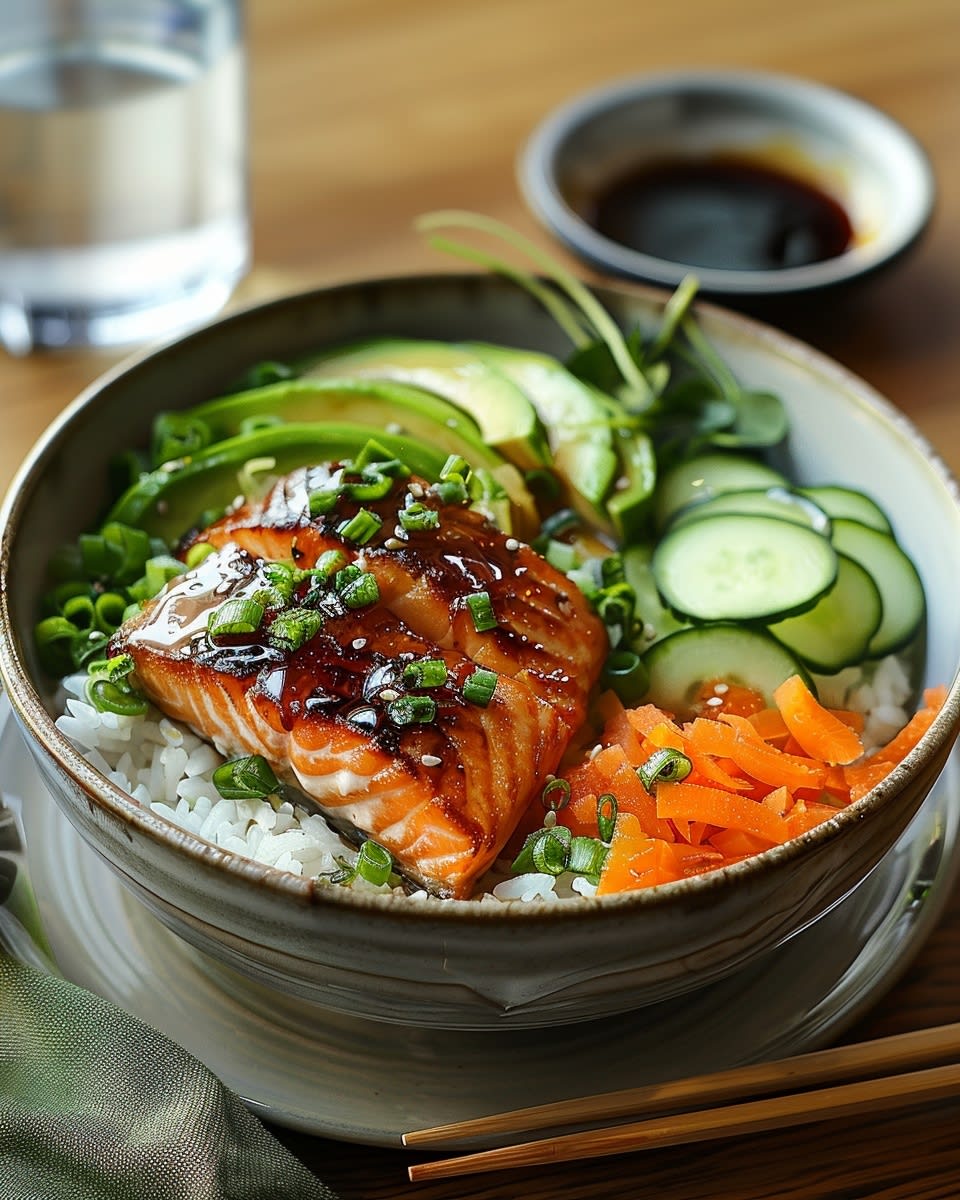
Why This Salmon Avocado Rice Bowl Will Be Your New Go-To Meal
Last Tuesday, I stood in my kitchen staring at leftover rice and wondering what to make for lunch. I spotted a piece of salmon in the fridge and a ripe avocado on the counter. Twenty minutes later, I was eating what might have been the most satisfying meal of my week. That’s the magic of a salmon avocado rice bowl. It comes together fast, tastes amazing, and makes you feel good about what you’re eating.
I’ve been making versions of this dish for years now. Some days I bake the salmon with a simple glaze. Other times I sear it quickly in a hot pan. The beauty is that it works either way. You can dress it up or keep it simple. Add whatever vegetables are sitting in your crisper drawer. Drizzle on your favorite sauce or keep it plain with just a squeeze of lemon.
This bowl checks every box I look for in a meal. It’s packed with protein from the salmon. The avocado adds healthy fats that keep you full for hours. The rice gives you energy without weighing you down. Plus, it looks so good in the bowl that you’ll want to take a picture before digging in.
The health benefits alone make this dish worth adding to your regular rotation. Salmon is loaded with omega-3 fatty acids that are great for your heart and brain. It has high-quality protein that helps build muscle and keeps your metabolism humming. Avocados bring heart-healthy monounsaturated fats, fiber, and potassium to the table. Together, these ingredients create a meal that nourishes your body from the inside out.
I love that this salmon avocado rice bowl never gets boring. You can change the flavor profile completely just by switching up your seasonings or toppings. Some days I go for an Asian-inspired version with soy sauce and sesame seeds. Other times I add a Mexican twist with lime and cilantro. The basic formula stays the same, but the taste changes every time.
What is a Salmon Avocado Rice Bowl?
A salmon avocado rice bowl is exactly what it sounds like. You start with a base of cooked rice in a bowl. Top it with cooked salmon and sliced avocado. That’s the foundation. From there, you can add vegetables, sauces, nuts, seeds, or whatever else sounds good to you.
The dish takes clear inspiration from Japanese salmon avocado rice bowls, though it’s become popular worldwide with many variations. Japanese cuisine has a long tradition of rice bowls called donburi. These bowls combine rice with various proteins and toppings to create complete meals. The salmon avocado combination brings together Japanese ingredients with modern health-conscious eating.
Think of it as a cousin to the salmon poke bowl you might find at trendy lunch spots. The main difference is that poke bowls typically use raw, marinated salmon, while this version usually features cooked fish. You might also see it called a seared salmon rice bowl or fish and rice bowl depending on where you eat it.
The three main components work together beautifully:
- Rice: Provides a neutral base that soaks up flavors and gives you lasting energy
- Salmon: Delivers protein, healthy fats, and a rich, satisfying taste
- Avocado: Adds creaminess, healthy fats, and a smooth texture that balances the fish
This combination creates a balanced meal that hits all your nutritional needs. You get complex carbs from the rice. The salmon provides lean protein and omega-3s. The avocado contributes healthy fats and fiber. Add some vegetables, and you’ve covered all your bases in one bowl.
I find that this bowl keeps me satisfied for hours without that heavy, stuffed feeling you get from some meals. The fats from the salmon and avocado slow down digestion in a good way. Your blood sugar stays steady instead of spiking and crashing. You feel energized, not sluggish.
The popularity of this dish has exploded across the USA in recent years. You’ll find versions of it at fast-casual restaurants, trendy cafes, and meal prep companies. Home cooks love it because it’s simple to make but looks and tastes restaurant-quality. Fitness enthusiasts appreciate the clean protein and healthy fats. Busy parents like that their kids will actually eat it.
What makes this bowl so versatile is how you cook your salmon. A baked salmon avocado recipe works great for meal prep. You can bake several pieces at once and have protein ready for the week. The serious eats teriyaki salmon method gives you a sweet and savory glaze that takes the dish in a different direction. A quick sear on the stovetop creates a crispy skin that adds great texture.
You can even branch out to a teriyaki salmon poke bowl by using the same base but changing your seasonings and toppings. Or try a salmon ginger rice bowl with fresh ginger and scallions for a bright, zingy flavor. The salmon kale rice bowl variation adds nutrient-dense greens right into the mix.
Some people prefer to deconstruct the bowl into a salmon avocado salad by using mixed greens instead of rice. That works great for low-carb diets or hot summer days when you want something lighter. The salmon and avocado still shine, but the salad base changes the whole feel of the meal.
The basic framework gives you endless room to experiment. You can keep it super simple with just rice, salmon, and avocado. Or you can load it up with edamame, cucumber, radishes, seaweed, pickled ginger, and multiple sauces. Both versions work. That’s the beauty of bowl meals.
I make some version of this bowl at least twice a week. It never feels repetitive because I change something each time. Monday might be a seared salmon rice bowl with soy sauce and sesame oil. Wednesday could be a salmon ginger rice bowl with lots of fresh herbs. Friday might bring a spicy mayo drizzle and crunchy vegetables.
The dish fits into any eating style. It works for keto dieters who swap cauliflower rice for regular rice. Paleo eaters can skip the rice entirely and double up on vegetables. If you’re counting macros, the portions are easy to measure and adjust. Need more protein? Add extra salmon. Want more fats? Use a whole avocado instead of half.
This bowl has become my answer to so many meal dilemmas. Too tired to cook something complicated? Salmon avocado rice bowl. Need to use up leftovers? Same answer. Want something healthy that actually tastes good? You guessed it. It’s the rare dish that satisfies both your taste buds and your nutritional goals without making you feel like you’re sacrificing anything.


How to Make a Perfect Salmon Avocado Rice Bowl
Now that you know why this bowl deserves a spot in your weekly menu, let me walk you through exactly how to make it. I promise this is way easier than you might think.
The first time I tried making a salmon avocado rice bowl at home, I overthought everything. I worried about cooking the salmon perfectly and getting the rice texture just right. After making this dish probably a hundred times now, I’ve learned that it’s pretty forgiving. You really can’t mess it up too badly.
Picking Your Ingredients
Let’s start with the salmon. You want a piece that looks fresh and smells like the ocean, not fishy. I usually go for a six-ounce fillet per person. Skin-on or skinless both work, though I actually prefer skin-on because it gets nice and crispy when you cook it right. At the store, look for salmon that’s firm to the touch with bright color. If you see any browning around the edges, skip it and find a better piece.
Here’s something nobody told me when I started cooking salmon: ask the person behind the fish counter when it came in. Seriously, just ask. They’ll tell you, and you’ll get the freshest piece they have. Wild-caught salmon has more flavor and better texture than farmed, but it costs more. I use both depending on my budget that week. Farmed Atlantic salmon works perfectly fine for this bowl.
For the avocado, you want that perfect stage of ripeness where it yields slightly when you squeeze it but doesn’t feel mushy. Too firm and it won’t have that creamy texture. Too soft and it’ll turn to mush when you try to slice it. I usually buy my avocados a few days before I need them and let them ripen on my counter. Once they’re ready, they go straight into the fridge to slow down the ripening process.
Rice selection matters more than most people realize. Short-grain white rice gives you that slightly sticky texture you’d find in Japanese salmon avocado rice bowls. It clumps together just enough to pick up easily with chopsticks. Long-grain rice like jasmine or basmati works too, but creates a different texture that’s fluffier and more separated. Brown rice adds a nutty flavor and extra fiber, though it takes longer to cook. I keep all three types in my pantry and switch depending on my mood.
Cooking Your Salmon Three Ways
The baked salmon avocado recipe method is my go-to for meal prep. I preheat my oven to 400 degrees Fahrenheit and line a baking sheet with parchment paper. Season the salmon with salt, pepper, and maybe a drizzle of olive oil. That’s it. Slide it into the oven for about twelve to fifteen minutes depending on thickness. You want it to flake easily with a fork but still be moist in the center. Baking works great because you can cook multiple pieces at once without standing over the stove. Similar to how I prep proteins for my high protein chicken quinoa power bowl, having baked salmon ready in the fridge makes weeknight dinners effortless.
For a seared salmon rice bowl, heat a tablespoon of oil in a skillet over medium-high heat until it shimmers. Pat your salmon completely dry with paper towels. This step is crucial. Wet salmon won’t sear properly. Season both sides generously with salt and pepper. Place it skin-side down in the hot pan and don’t touch it for four minutes. I know it’s tempting to peek, but resist. After four minutes, flip it carefully and cook for another three to four minutes. The skin should be crispy and golden, the flesh perfectly cooked.
Funny enough, I burned so many pieces of salmon before I learned the secret: don’t mess with it while it cooks. Let it sit undisturbed in the pan. That’s how you get that gorgeous crust.
The serious eats teriyaki salmon approach takes things up a notch with a sweet and savory glaze. Mix together a quarter cup of soy sauce, two tablespoons of mirin, two tablespoons of sake or water, and one tablespoon of sugar in a small saucepan. Bring it to a simmer and cook until it reduces by half and gets syrupy. Meanwhile, sear your salmon using the method I just described. During the last minute of cooking, brush the teriyaki sauce over the top. The glaze caramelizes slightly and creates this incredible flavor that makes the whole dish feel restaurant-quality. You can also use this technique for a teriyaki salmon poke bowl variation if you want those sweet teriyaki notes throughout your bowl.
Getting Your Rice Right
Perfect rice makes or breaks this dish. I rinse my rice in cold water until the water runs clear, usually three or four times. This removes excess starch and prevents gummy, sticky rice. For a salmon ginger rice bowl, I add a two-inch piece of fresh ginger to the cooking water. Just peel it and toss it in whole. It infuses the rice with this subtle ginger flavor that pairs beautifully with the salmon. Fish out the ginger piece before serving.
My rice-to-water ratio is one cup of rice to one and a quarter cups of water for short-grain white rice. Bring it to a boil, then immediately reduce to the lowest heat possible, cover tightly, and don’t lift that lid for fifteen minutes. After fifteen minutes, turn off the heat and let it sit covered for another ten minutes. This resting period is where the magic happens. The rice finishes cooking in its own steam and gets perfectly fluffy.
By the way, a rice cooker changed my life. I resisted getting one for years because I thought it was unnecessary. I was wrong. If you make rice more than once a week, invest in one. Set it and forget it. Perfect rice every single time.
Building Your Bowl with Extra Ingredients
Once you’ve got your basic components ready, it’s time to layer in additional flavors and textures. For a salmon kale rice bowl, I massage torn kale leaves with a tiny bit of olive oil and salt. This breaks down the tough fibers and makes it way more enjoyable to eat raw. Toss it right on top of your warm rice. The heat from the rice wilts it slightly.
Cucumbers add a refreshing crunch that contrasts perfectly with the rich salmon. I slice them thin on a mandoline or cut them into half-moons. Sometimes I quick-pickle them in rice vinegar with a pinch of sugar for fifteen minutes. This technique also works great in my Mediterranean chickpea cucumber salad, where that bright, tangy flavor really shines.
Edamame beans boost the protein content even more and add a pop of color. I keep a bag of shelled edamame in my freezer at all times. Just run hot water over them to thaw, or microwave for thirty seconds. Sprinkle them around the bowl for little bursts of texture.
Shredded carrots, sliced radishes, and diced red bell pepper all work beautifully. I tend to use whatever vegetables I have on hand. The bowl is forgiving that way. The basic formula stays the same whether you add two vegetables or six.
Fresh ginger is my secret weapon for elevating this bowl. I grate it on a microplane directly over the finished dish. Just a small amount, maybe a quarter teaspoon, adds this bright, spicy note that wakes up all the other flavors. Fresh ginger works similarly to how bright herbs transform my healthy ground turkey lettuce wraps, adding that pop of freshness that makes everything taste more vibrant.
Sesame seeds are non-negotiable in my kitchen. I toast them in a dry pan for two minutes until they smell nutty and turn golden. Then I sprinkle them over everything. They add a subtle crunch and visual appeal that makes the bowl look finished.
Here’s the thing about building these bowls: arrange everything so you can see it. Don’t just dump ingredients on top of each other. Place your rice on one side, lean the salmon against it, fan out your avocado slices, create little piles of different vegetables. It sounds silly, but eating with your eyes first makes the meal more satisfying. Plus, you’ll actually want to eat all those vegetables when they look appealing.
Some days I turn this into more of a salmon avocado salad by using mixed greens as the base instead of rice. The preparation stays exactly the same. Just swap your carb base and you’ve got a completely different meal that’s lighter but equally satisfying. I do this more often in summer when I want something cooling.
The protein and healthy fats in this bowl keep you full for hours, much like the staying power you get from a high protein cottage cheese egg bake at breakfast. That combination of quality protein and good fats signals to your body that you’ve eaten a real meal, not just empty calories.
I typically make a big batch of rice at the beginning of the week and keep cooked salmon in the fridge for quick assembly. When lunch rolls around, I just heat everything up, slice a fresh avocado, and throw it all together in under five minutes. That’s faster than takeout and costs a fraction of the price.


Creative Ways to Switch Up Your Salmon Avocado Rice Bowl
Here’s where things get really fun. Once you’ve mastered the basic salmon avocado rice bowl, you can take it in about a thousand different directions. I’ve spent the last few years experimenting with variations, and honestly, some of my best discoveries happened by accident when I was just trying to use up random ingredients in my fridge.
The teriyaki salmon poke bowl sits somewhere between traditional poke and a cooked salmon bowl. Unlike regular poke that uses raw, cubed fish, this version features that sweet teriyaki glaze I mentioned earlier but presents the salmon in a more deconstructed, chunky style. I break up my cooked teriyaki salmon into bite-sized pieces instead of serving it as a whole fillet. Then I add traditional poke toppings like seaweed salad, pickled ginger, and extra soy sauce on the side. The result gives you that poke bowl experience without dealing with raw fish, which some people prefer anyway.
My friend Sarah doesn’t eat raw fish at all, but she loves poke bowls for the flavor combination. This teriyaki version became her compromise, and now she makes it more often than I do. She adds crispy wonton strips on top for extra crunch, which I have to admit is genius.
If you’re looking for something lighter, the salmon avocado salad route completely changes the meal’s character while keeping all the best parts. I use a mix of butter lettuce and arugula as my base because butter lettuce is mild and arugula adds a peppery bite. Break your cooked salmon into chunks and scatter it across the greens along with sliced avocado, cherry tomatoes, and thinly sliced red onion. A simple lemon vinaigrette made with olive oil, lemon juice, Dijon mustard, and a touch of honey brings everything together. This version feels more like something you’d order at a fancy lunch spot but takes maybe ten minutes to throw together.
The salad variation works great for those days when you want the nutritional benefits but need something that feels less heavy. It’s also perfect for outdoor eating in warmer months. I pack it for picnics all the time, keeping the dressing separate until I’m ready to eat.
Don’t feel locked into salmon either. Any fish and rice bowl follows the same basic formula. I’ve used Arctic char, which tastes similar to salmon but has a milder flavor and beautiful pink flesh. Trout works beautifully and costs less than salmon in most places. Even a firm white fish like halibut or cod creates a delicious bowl, though you’ll want to adjust your cooking time since white fish cooks faster than salmon.
My dad isn’t a huge salmon fan, so when he visits, I make these bowls with mahi-mahi instead. Season it with blackened spices for a totally different flavor profile that takes you from Japanese-inspired to Caribbean in one swap. Same bowl format, completely different taste experience.
Shrimp makes an excellent alternative too. I season them with garlic, paprika, and a squeeze of lime, then sauté them quickly in a hot pan. They cook in literally three minutes, which makes this bowl even faster to assemble. Plus shrimp works great cold, so you can prep everything ahead and eat it straight from the fridge on a hot day.
By the way, if you’re feeling adventurous, smoked salmon transforms this bowl into something you could serve for brunch. I layer warm rice with cold-smoked salmon, avocado, a soft-boiled egg with a runny yolk, and everything bagel seasoning. The warm rice slightly softens the cold salmon, and when you break that egg yolk, it creates this creamy sauce that coats everything. It’s ridiculously good and feels fancy even though it takes no real cooking skill.
Spice levels are another easy way to customize your bowl. I keep sriracha mayo in my fridge at all times. Just mix regular mayo with sriracha to your preferred heat level. Drizzle it over your bowl in a zigzag pattern for that restaurant look and a kick of heat. Gochujang, the Korean fermented chili paste, adds a deeper, more complex spice that’s slightly sweet and funky. Mix a spoonful into your rice while it’s still warm, or thin it out with a little rice vinegar to make a sauce.
For a Mediterranean twist, swap your Asian-inspired toppings for things like kalamata olives, sun-dried tomatoes, crumbled feta cheese, and fresh dill. Season your salmon with oregano, garlic, and lemon instead of soy-based flavors. I stumbled onto this combination after returning from a trip to Greece and wanting to recreate those flavors at home. It doesn’t taste anything like the traditional version, but it’s equally delicious.
Tropical variations work surprisingly well too. I top my salmon with mango salsa made from diced mango, red onion, jalapeño, cilantro, and lime juice. The sweetness of the mango plays beautifully against the rich salmon, and the avocado still fits right in. Coconut rice instead of plain rice takes this tropical vibe even further. Just cook your rice in half water and half coconut milk with a pinch of salt.
Here’s something I discovered by complete accident: leftover quinoa works just as well as rice for the base. I had a container of quinoa in my fridge from another meal and decided to use it instead of making fresh rice. The slightly nutty, fluffy texture of quinoa creates a different mouthfeel that I actually prefer sometimes. It also adds extra protein and fiber to an already nutritious bowl.
Grain bowls in general have become my solution to using up odds and ends. Got half a sweet potato? Dice it, roast it with cumin and paprika, toss it in the bowl. Leftover roasted Brussels sprouts? They’re going in. Random handful of chickpeas? Perfect. The salmon avocado rice bowl framework is forgiving enough to accommodate whatever you throw at it.
Experimenting with different types of avocado preparations changes things up too. Instead of plain sliced avocado, I sometimes make a quick guacamole with mashed avocado, lime juice, salt, and diced tomato. Spread it across your rice like a creamy layer. Or try avocado crema by blending avocado with sour cream or Greek yogurt, lime juice, and a little water until it’s pourable. This creates a sauce you can drizzle over everything that adds that avocado flavor in a different way.
Pickled vegetables add a tangy brightness that cuts through the richness of the salmon and avocado. Quick-pickled red onions take about fifteen minutes and last in your fridge for weeks. Just slice an onion thin, pack it in a jar, and cover with a mixture of equal parts water and vinegar with a spoonful of sugar and a pinch of salt. By the time you’ve cooked your salmon, they’re ready to use. I also quick-pickle carrots, radishes, and jalapeños using the same method.
Crunchy toppings make a massive difference in how satisfying the bowl feels. Fried shallots or crispy garlic from the Asian grocery store add incredible texture. Toasted nuts like cashews, almonds, or peanuts bring both crunch and extra healthy fats. I keep a jar of furikake, the Japanese rice seasoning, specifically for sprinkling over these bowls. It contains sesame seeds, seaweed, and sometimes dried fish flakes that add umami depth.
The Centers for Disease Control and Prevention recommends eating fish twice a week as part of heart-smart eating habits, making these bowls not just delicious but also an easy way to meet that goal. Knowing you’re doing something good for your health while eating something this tasty feels like a win-win situation.
Meal prep variations have saved my sanity on busy weeks. I prepare all my components separately and store them in individual containers. Rice goes in one container and stays good for about five days. Cooked salmon keeps for three to four days. I don’t slice my avocado until I’m ready to eat, but I prep all my other vegetables in advance. Then assembling a bowl takes about two minutes. Just heat what needs heating, slice a fresh avocado, and build your bowl.
Honestly, once you understand the basic structure of a salmon avocado rice bowl, you stop following recipes and start creating your own versions based on what sounds good. That’s when cooking becomes really enjoyable instead of feeling like a chore. You’re not stressed about following exact measurements or worrying if you’re doing it right. You’re just playing with flavors and textures until you create something that makes you happy.
If you’re looking for more inspiration on building balanced, nutritious meals that don’t require fancy techniques, check out our collection of healthy recipes that focus on simple preparation methods and wholesome ingredients.
The best variation you’ll ever create will probably be one you invent yourself based on your own taste preferences and what’s available in your kitchen that day. Don’t be afraid to try weird combinations. Some of them won’t work, and that’s fine. But some of them will be absolutely delicious, and you’ll feel like a genius for thinking of it.
FAQs About Salmon Avocado Rice Bowls
What are the health benefits of eating salmon and avocado together?
Salmon and avocado create a nutritional powerhouse when combined in one meal. Salmon provides omega-3 fatty acids that reduce inflammation and support brain function, along with high-quality protein for muscle maintenance. Avocados contribute heart-healthy monounsaturated fats, potassium, and fiber that aid digestion and help your body absorb fat-soluble vitamins. Together, they keep you satisfied for hours by stabilizing blood sugar levels and providing sustained energy. The healthy fats from both ingredients support hormone production and help your skin stay healthy from the inside out.
Can I use other types of fish instead of salmon?
Absolutely, and I encourage you to experiment with different fish options. Arctic char, trout, and steelhead all work beautifully and have similar flavor profiles to salmon. Firm white fish like halibut, cod, or mahi-mahi create a milder-tasting bowl that some people prefer. Tuna steaks, whether fresh or canned, make excellent substitutes and cook even faster than salmon. Even shrimp or other shellfish fit perfectly into this bowl format. Just adjust your cooking times based on the thickness and type of fish you’re using.
How can I make a vegan version of this rice bowl?
Creating a plant-based version is easier than you might think. Replace the salmon with marinated and baked tofu, crispy pan-fried tempeh, or even seasoned chickpeas for protein. Keep the avocado since it’s already vegan and provides those healthy fats you need. Add extra vegetables like edamame, roasted sweet potato, or sautéed mushrooms to boost the nutrition and make the bowl more filling. You can use the same sauces and seasonings, just making sure any teriyaki or other prepared sauces don’t contain fish products. Marinated hearts of palm can also mimic a fish-like texture if you shred them and season them well.
Is there a low-carb alternative to the rice in this bowl?
Yes, several low-carb bases work perfectly for this bowl. Cauliflower rice is the most popular option and absorbs flavors beautifully while keeping the carb count minimal. You can also use riced broccoli, shirataki rice made from konjac root, or simply pile your salmon and toppings over mixed salad greens. Zucchini noodles or spiralized vegetables create a different texture but still provide that base layer you need. Some people double up on the avocado or add extra healthy fats to compensate for the missing carbohydrates. The bowl still tastes amazing without rice once you get used to it.
What are some good side dishes to serve with a salmon avocado rice bowl?
Honestly, the bowl is usually filling enough on its own, but sometimes you want a little extra. Miso soup makes a traditional accompaniment and adds warmth and umami without filling you up too much. A simple cucumber salad with rice vinegar dressing provides a cool, refreshing contrast. Seaweed salad from the Asian grocery store adds interesting texture and more nutrients. Steamed or roasted vegetables like bok choy, asparagus, or green beans round out the meal nicely. I often serve pickled vegetables on the side so people can add them to their bowl if they want that tangy element.
How can I store leftovers of this dish?
Store each component separately in airtight containers for best results. Cooked rice keeps in the refrigerator for up to five days and can be reheated with a splash of water to restore moisture. Cooked salmon stays fresh for three to four days when properly refrigerated in a sealed container. Never store sliced avocado for later since it browns quickly and loses texture; always slice it fresh when you’re ready to eat. Keep any sauces or dressings in separate small containers and add them just before serving. Prepared vegetables can be stored for about four days, making meal prep easy throughout the week.
Are there any specific spices or seasonings that go well with this bowl?
The seasoning possibilities are nearly endless depending on the direction you want to take. For Asian-inspired flavors, try sesame oil, soy sauce, rice vinegar, ginger, and garlic. Furikake, the Japanese rice seasoning, adds instant umami and visual appeal. For a more Mediterranean approach, use oregano, lemon zest, garlic, and fresh dill. Spice lovers should try chili flakes, sriracha, gochujang, or jalapeños. Don’t forget fresh herbs like cilantro, green onions, or basil, which add brightness right before serving. Even simple salt, pepper, and a squeeze of fresh lemon or lime can be perfect when you want to taste the natural flavors of the fish and avocado.
Can I prepare this dish ahead of time for meal prep?
This bowl is actually ideal for meal prep, which is one reason I love it so much. Cook a large batch of rice at the beginning of the week and portion it into containers. Bake several salmon fillets at once and refrigerate them for quick assembly later. Prep all your vegetables by washing, chopping, and storing them in separate containers. The only thing you should wait to prepare is the avocado, which needs to be sliced fresh to prevent browning. When you’re ready to eat, just heat your rice and salmon, slice your avocado, and assemble everything in a bowl. The whole process takes about five minutes once your components are prepped.
How do I know when my salmon is cooked perfectly?
Perfectly cooked salmon should be opaque throughout with a slightly translucent center that’s still moist. Insert a fork into the thickest part and twist gently; the fish should flake easily but not fall apart completely. An instant-read thermometer should register 145 degrees Fahrenheit in the center for food safety, though many people prefer it at 125-130 degrees for a medium-rare texture. The salmon will continue cooking slightly after you remove it from heat, so I usually take it off the stove when it’s just slightly underdone. Overcooked salmon becomes dry and chalky, so watch it carefully especially toward the end of cooking time.
What’s the best way to cut an avocado for this bowl?
I’ve tried different cutting methods over the years, and slicing works better than cubing for this particular dish. Cut the avocado in half lengthwise around the pit, twist to separate the halves, and carefully remove the pit with a spoon. With the avocado still in its skin, use a knife to make lengthwise slices about a quarter-inch apart without cutting through the skin. Then use a large spoon to scoop out the flesh, which will come out in perfect slices that fan out beautifully in your bowl. This method gives you those Instagram-worthy avocado fans that look professional. If you’re in a hurry, just cube it or mash it, which tastes exactly the same even if it doesn’t look as pretty.
Making your own version of a salmon avocado rice bowl at home puts you in control of every ingredient and flavor. Start with the basic formula, then adjust it based on what you love and what makes you feel good. You’ll end up with a go-to meal that never gets boring.
Ingredients
Equipment
Method
- Préchauffez le four à 400°F (200°C) si vous cuisez le saumon au four.
- Rincez le riz sous l'eau froide jusqu'à ce qu'elle soit claire; faites cuire selon les instructions sur l'emballage du riz.
- Assaisonnez le saumon avec du sel, du poivre et un filet d'huile d'olive si vous le cuisez au four.
- Pour le saumon cuit au four, placez-le sur une plaque de cuisson recouverte de papier sulfurisé et faites cuire pendant 12-15 minutes jusqu'à ce qu'il soit floconneux.
- Pour le saumon poêlé, faites chauffer l'huile dans une poêle à feu moyen-élevé, séchez le saumon avec du papier absorbant, assaisonnez et faites cuire côté peau pendant 4 minutes; retournez et faites cuire encore 3-4 minutes.
- Coupez l'avocat lorsque vous êtes prêt à assembler.
- Dans un bol, disposez le riz cuit, surmonté de saumon, d'avocat et de garnitures de légumes.
- Arrosez de sauce, parsemez de graines de sésame et servez.