
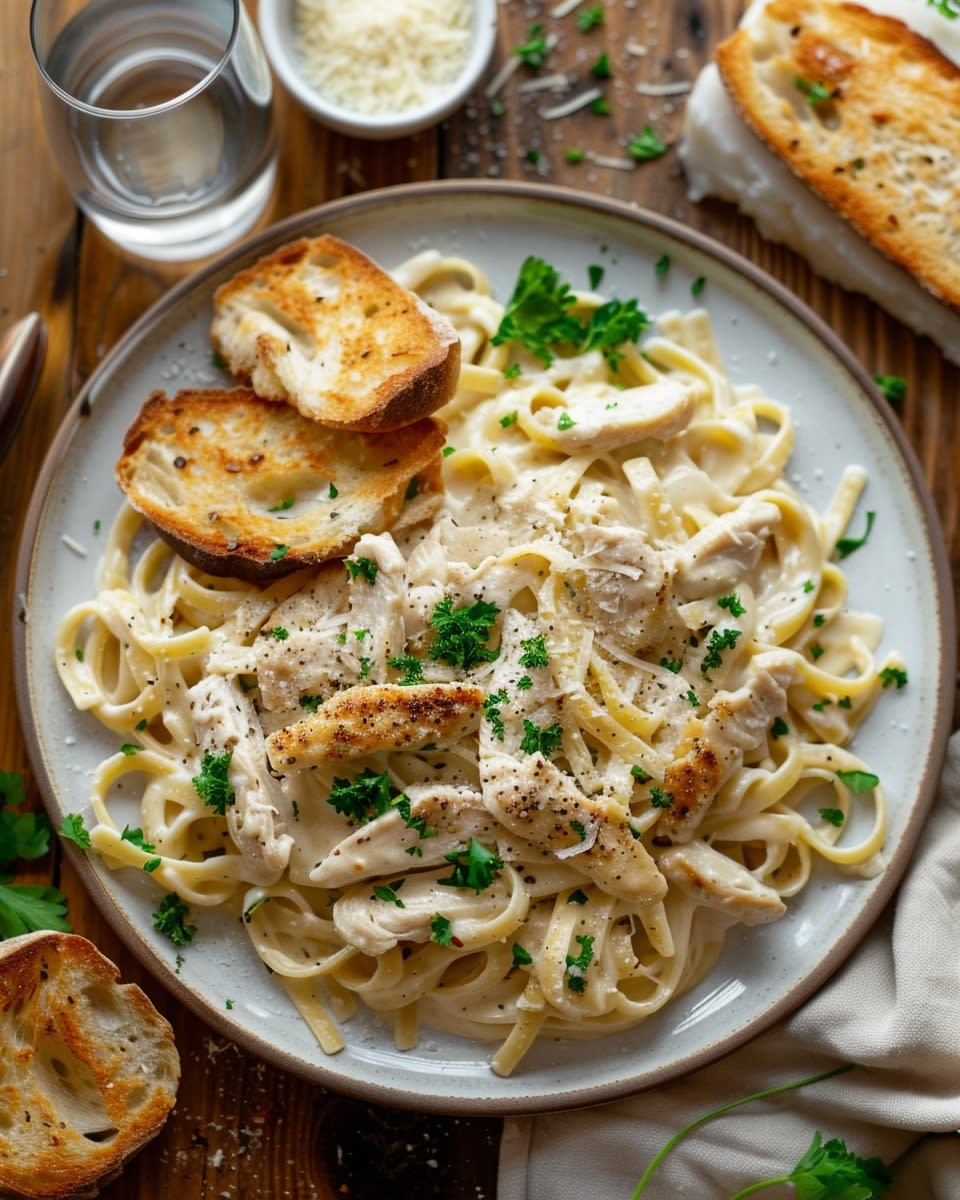
Why One Pot Creamy Chicken Alfredo Pasta Will Save Your Weeknight
Last Tuesday, I stood in my kitchen at 6:30 PM, staring at a sink full of dirty dishes from the night before. My kids were asking when dinner would be ready, and I hadn’t even started cooking. That’s when I remembered this recipe. Within 30 minutes, we were all sitting down to steaming plates of One Pot Creamy Chicken Alfredo Pasta, and I only had one pot to wash. It felt like magic.
This recipe changed how I think about weeknight dinners. You get tender chicken, perfectly cooked pasta, and a rich, creamy sauce that tastes like you spent hours in the kitchen. But here’s the best part: everything cooks in one pot. No separate pans for the chicken. No boiling pasta in another pot. No colander in the sink. Just one pot from start to finish.
The recipe works for busy Tuesday nights when you’re running on empty. It also works when your in-laws surprise you with a dinner visit and you need something that looks impressive fast. I’ve served this to guests who asked for the recipe before they finished their first helping. They never believe me when I tell them how simple it is.
You’ll need basic ingredients: chicken breast, pasta, heavy cream, and good Parmesan cheese. Most of these items probably live in your kitchen already. The preparation takes about 5 minutes of active work. Then the pot does the rest while you help with homework or finally sit down for a minute.
Why Choose One Pot Meals?
I used to think cooking meant using every pot and pan in my kitchen. Then I discovered one pot recipes, and my entire approach changed. These meals make sense for real life, not just cooking show life.
The cleanup advantage alone makes one pot cooking worth it. After a long day, who wants to scrub multiple pans and wash a mountain of dishes? With this cooking method, you use one pot. When dinner ends, you wash one pot. That’s it. You might have plates and forks, but the actual cooking vessel? Just one. This means more time relaxing after dinner instead of standing at the sink.
The preparation gets easier too. Traditional Chicken Alfredo means cooking pasta separately, making the sauce in another pan, and grilling or sautéing chicken in a third pan. You’re juggling three different cooking times and temperatures. You’re draining pasta over the sink while trying to prevent the sauce from breaking. It creates stress.
One pot cooking removes all that juggling. You build the dish in layers, adding ingredients at the right time. Everything cooks together, which means the flavors blend better anyway. The pasta absorbs the creamy sauce as it cooks. The chicken releases flavor into the liquid. You end up with a more cohesive, flavorful dish with less work.
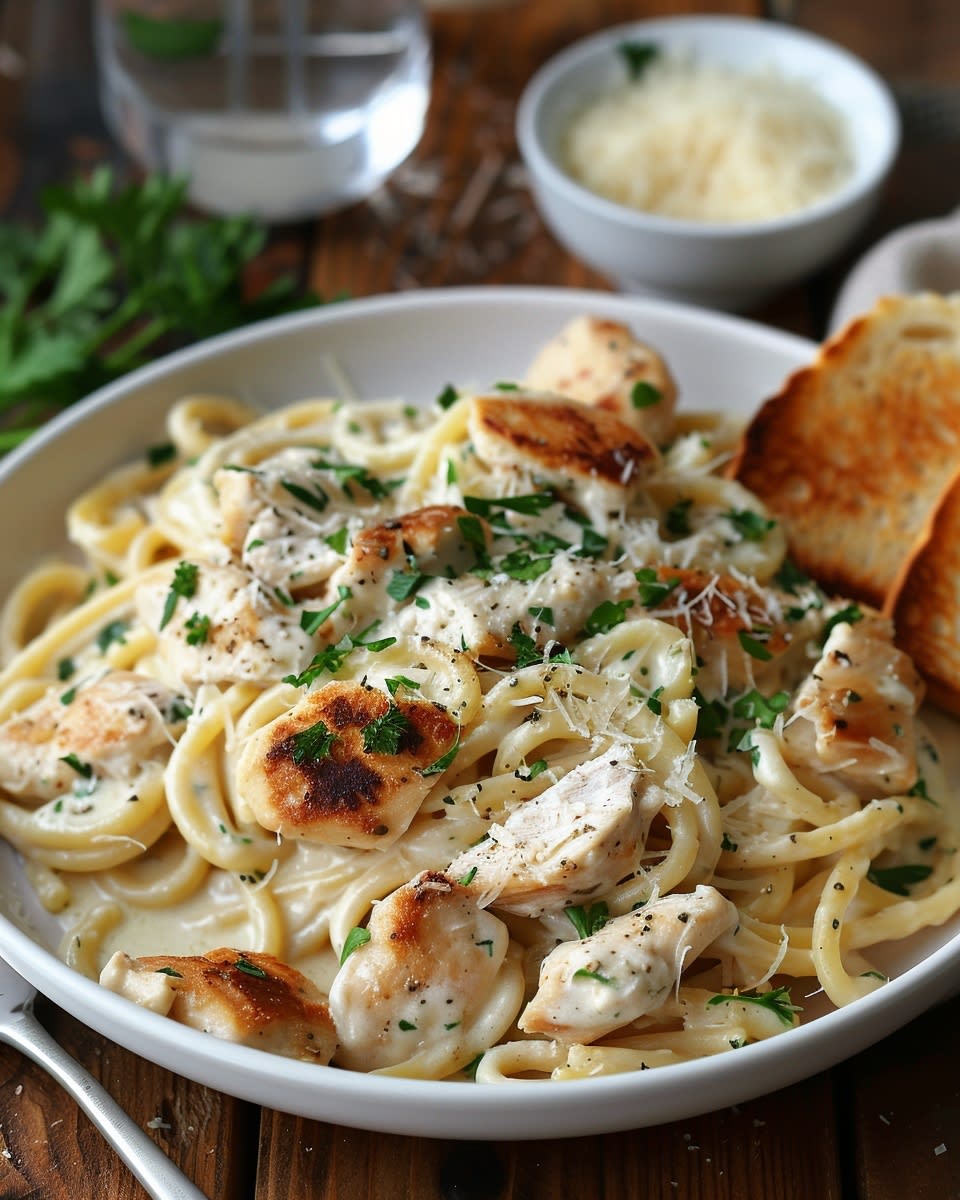
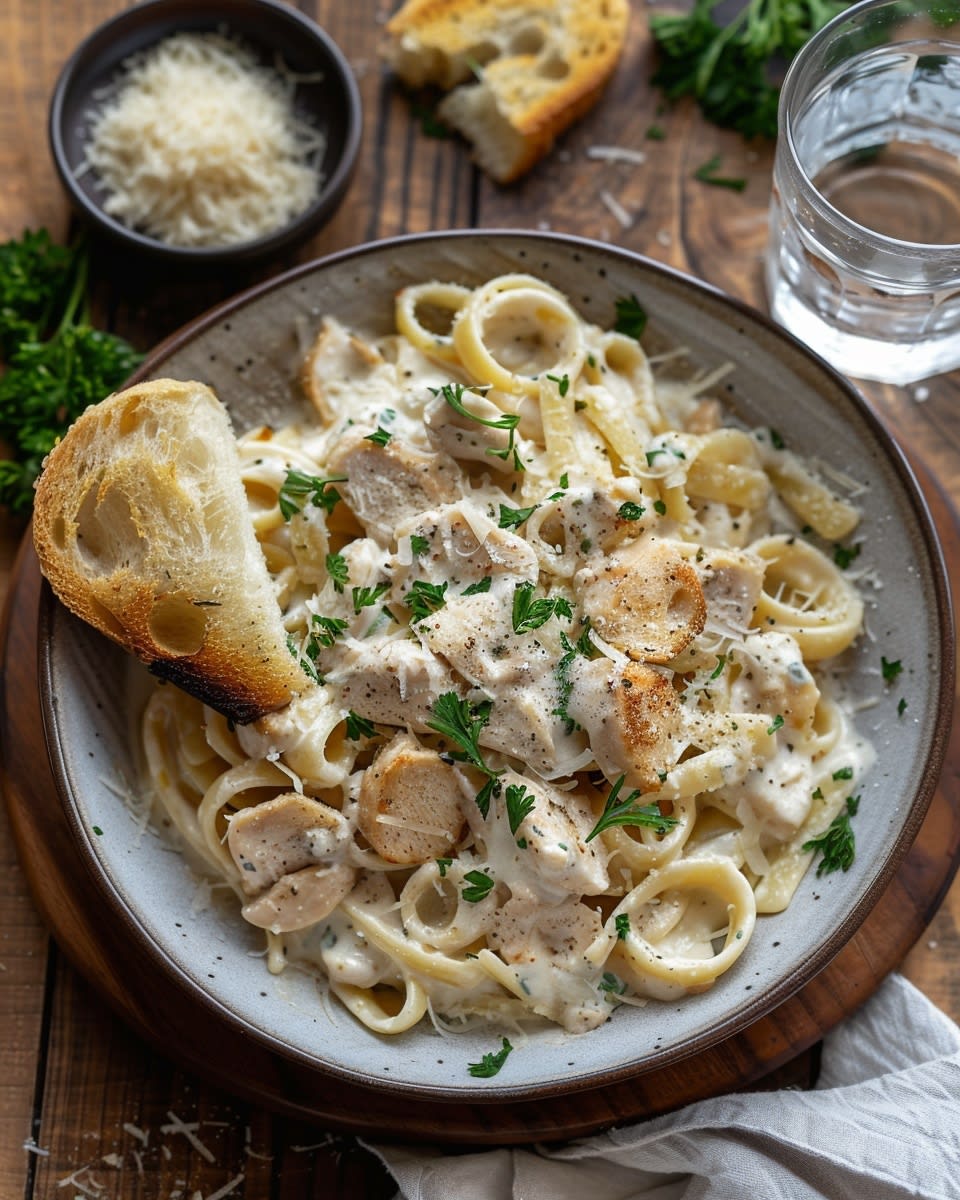
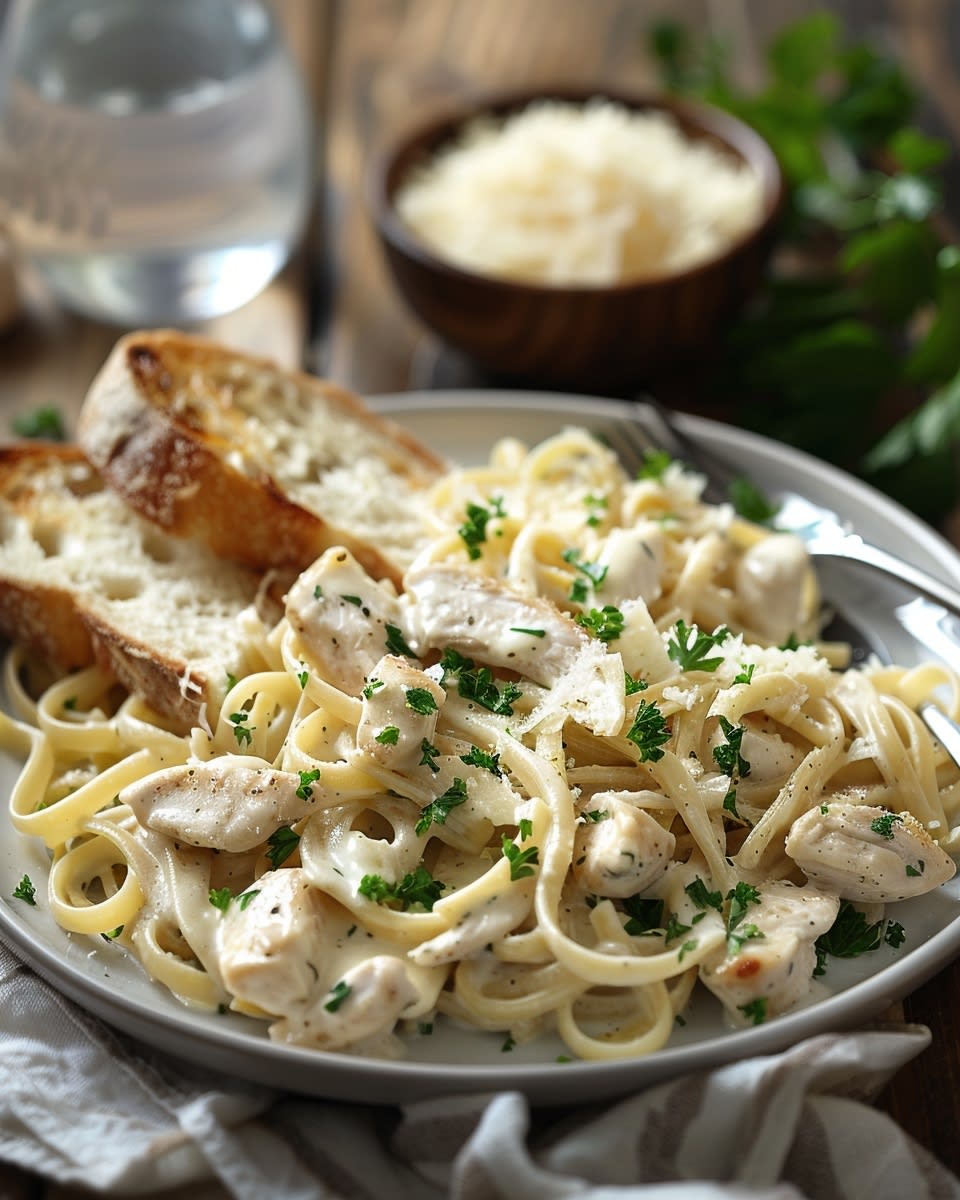
This One Pot Creamy Chicken Alfredo Pasta recipe shows exactly why this method works so well. You get all the rich, indulgent flavors of classic Alfredo. The chicken stays juicy and tender. The pasta cooks to perfect al dente texture. The sauce becomes silky and coats every noodle. Nothing gets lost or compromised by using one pot. If anything, it tastes better because everything cooks together.
The time-saving benefit goes beyond just cleanup. One pot meals usually take less total time because you’re not waiting for multiple pots of water to boil or heating several pans. You can have this complete meal on the table in 30 minutes from the moment you start. That’s faster than most takeout deliveries and definitely cheaper.
For parents, one pot cooking means you can actually supervise homework or play with your kids while dinner cooks. You’re not chained to the stove, stirring three different things. You can set a timer and walk away. For people who work late, it means you can still eat a real meal before 9 PM. For anyone who just wants an easy cleanup, it means you might actually enjoy cooking again.
Ingredients You’ll Need for Perfect Creamy Chicken Alfredo
Good ingredients make this recipe shine. You don’t need expensive or fancy items, but quality matters. Here’s what you’ll need:
- Chicken breast (1 to 1.5 pounds, cut into bite-sized pieces)
- Pasta (12 ounces of your preferred shape)
- Heavy cream (2 cups)
- Parmesan cheese (1 cup freshly grated)
- Chicken broth (2 cups)
- Garlic (3 to 4 cloves, minced)
- Butter (2 tablespoons)
- Italian seasoning (1 teaspoon)
- Salt and pepper (to taste)
Let me share some tips I’ve learned about choosing ingredients for this dish.
For the chicken, I use boneless, skinless breasts because they cook quickly and evenly. Buy them fresh if possible, or thaw frozen chicken completely before starting. I cut them into pieces about 1 inch in size. This helps them cook through without drying out. Chicken thighs work too if you prefer darker meat. They stay moister and add richer flavor.
The best pasta for creamy Alfredo is a shape that holds sauce well. I love fettuccine because it’s traditional, but it can be tricky in one pot cooking. Penne works great because the sauce gets inside the tubes. Rigatoni gives you similar results. Bow tie pasta (farfalle) looks pretty and catches the sauce nicely. Even rotini works in a pinch. Avoid angel hair or thin spaghetti because they cook too fast and get mushy.
Heavy cream creates that signature silky texture. Don’t substitute milk or half-and-half unless you’re okay with a thinner sauce. The fat content in heavy cream keeps the sauce from breaking and gives it body. I always use the full-fat version. This isn’t the time to count calories.
High-quality Parmesan cheese makes a huge difference. Buy a block of real Parmigiano-Reggiano and grate it yourself. The pre-grated stuff in the green can doesn’t melt the same way and often tastes like cardboard. Freshly grated cheese melts smoothly into the sauce and adds that nutty, salty flavor Alfredo needs. Yes, grating cheese takes an extra two minutes. Those two minutes are worth it.
For the broth, I use low-sodium chicken broth so I can control the salt level. The Parmesan adds plenty of salt already. If you use regular broth, skip the extra salt until you taste the finished dish.
Fresh garlic beats garlic powder every time in this recipe. The fresh cloves add bright flavor that complements the rich cream. I mince mine pretty fine so it distributes evenly through the sauce.
Room temperature ingredients work better than cold ones straight from the fridge. The cream especially should sit out for 20 minutes before cooking if you remember. This helps it blend into the sauce more smoothly without shocking the temperature when you add it.
How to Make One Pot Creamy Chicken Alfredo Pasta Step by Step
Now that you’ve got your ingredients ready, let me walk you through exactly how to make this dish. I promise it’s easier than you think.
Start by heating your large pot or deep skillet over medium-high heat. Add the butter and let it melt completely. Once it’s bubbling slightly, add your chicken pieces in a single layer. Don’t crowd them. If your pot isn’t big enough, cook the chicken in two batches. I learned this the hard way when I tried cramming everything in at once and ended up steaming the chicken instead of browning it.
Season the chicken with salt, pepper, and half the Italian seasoning. Let each piece sit undisturbed for about 3 minutes so it develops a nice golden color on one side. Then flip the pieces and cook another 2 to 3 minutes. The chicken doesn’t need to cook all the way through at this point because it’ll finish cooking with the pasta later. You just want good color and flavor.
Remove the chicken from the pot and set it aside on a plate. Don’t wipe out the pot. All those brown bits stuck to the bottom? That’s flavor waiting to happen.
Lower the heat to medium and add the minced garlic to the same pot. Stir it around for about 30 seconds until it smells amazing. Be careful here because garlic burns fast and turns bitter. The moment it becomes fragrant, move to the next step.
Pour in the chicken broth and use a wooden spoon to scrape up all those brown bits from the bottom. This technique called deglazing adds so much depth to the final sauce. Let the broth come to a simmer.
Add your pasta directly to the broth. Stir it well to make sure the noodles don’t stick together or to the bottom of the pot. Here’s a cooking tip I wish someone had told me earlier: push the pasta down into the liquid as much as possible. If some pieces stick up above the broth, they won’t cook evenly. The liquid should just barely cover the pasta. If it doesn’t, add a splash more broth or even water.
Bring everything to a boil, then reduce the heat to medium-low. Put a lid on the pot, leaving it slightly cracked so steam can escape. Cook for about 10 to 12 minutes, stirring every few minutes. This prevents sticking and helps the pasta cook evenly.
The pasta package probably says it needs 11 minutes to reach al dente pasta texture. In this one pot method, I actually cook it one minute less than the package suggests. The pasta continues cooking once you add the cream and chicken back in, so pulling it early prevents mushiness. Al dente means the pasta still has a slight bite when you chew it. Not crunchy, but not soft either. Test a piece after 10 minutes by fishing one out and biting it.
Once the pasta is almost done and most of the liquid has absorbed, pour in the heavy cream. Stir it through the pasta thoroughly. Add the remaining Italian seasoning. Bring the mixture back to a gentle simmer.
Now add the chicken back to the pot along with any juices that collected on the plate. Stir everything together and let it simmer for another 3 to 4 minutes. This finishes cooking the chicken and lets all the flavors blend together. To check if your perfectly cooked chicken is done, cut into the thickest piece. It should be white all the way through with no pink, and the juices should run clear.
Here’s the thing about the cream sauce: it might look a bit thin at this point. Don’t panic. Turn off the heat and stir in the freshly grated Parmesan cheese. As the cheese melts, the sauce thickens beautifully. Keep stirring until the cheese disappears into the sauce completely. The sauce will continue to thicken as it sits for a minute or two.
Taste the sauce and adjust the seasoning. Sometimes it needs more salt, sometimes more pepper. I usually add a pinch of both because the Parmesan can be salty but I like a little extra pepper kick.
By the way, if your sauce seems too thick after adding the cheese, stir in a splash of the pasta cooking liquid or extra cream. If it’s too thin, let it simmer uncovered for another minute or two.
That’s it. Seriously. From start to finish, you’re looking at about 30 minutes of actual cooking time. The active work you’re doing is maybe 10 minutes total. The rest is just waiting and stirring occasionally.
Best Side Dishes for Alfredo Pasta and Serving Ideas
This creamy chicken Alfredo is rich and filling on its own, but the right sides take it from good dinner to great dinner.
Garlic bread is the classic pairing for a reason. The crunchy, buttery bread is perfect for soaking up extra sauce. I make mine by mixing softened butter with minced garlic and parsley, spreading it on a split baguette, and broiling it for 3 to 4 minutes. If you want to get fancy, sprinkle some Parmesan on top before broiling. The bread gets crispy on the outside but stays soft inside, and honestly, my kids fight over the last piece every single time.
A fresh green salad cuts through all that cream and adds brightness to your plate. I keep it simple with mixed greens, cherry tomatoes, cucumber, and a light vinaigrette. Nothing heavy or creamy. The acid from the vinegar balances the richness of the pasta. Sometimes I throw in some red onion or bell peppers if I have them. If you’re looking for another balanced bowl option, this Salmon Avocado Rice Bowl uses similar fresh ingredients in a completely different way.
Roasted vegetables work great as side dishes for Alfredo pasta too. Broccoli, asparagus, or Brussels sprouts roasted with olive oil, salt, and pepper add color and nutrition to your meal. The slight char on roasted vegetables gives you textural contrast against the smooth, creamy pasta. I usually roast them at 425°F for about 20 minutes while the pasta cooks.
Here’s where customizing Alfredo pasta gets fun. You can add vegetables directly into the dish instead of serving them on the side. About 2 minutes before the pasta finishes cooking, stir in fresh or frozen broccoli florets, peas, spinach, or diced zucchini. They cook right in the pot with everything else. I do this when I’m feeling guilty about not serving enough vegetables or when I need to use up produce before it goes bad.
Spinach works particularly well in this recipe. A couple handfuls of fresh spinach stirred in at the end wilts into the sauce and adds color without changing the flavor much. If you like pasta with lots of greens, you might also enjoy this Creamy Spinach Garlic Parmesan Pasta that makes vegetables the star.
Sun-dried tomatoes are another addition I love. Chop about half a cup and add them when you add the chicken back in. They provide little bursts of tangy sweetness that balance the rich cream. Plus they make the dish look more sophisticated.
Funny enough, you can swap the protein entirely. Shrimp instead of chicken turns this into a seafood Alfredo that cooks even faster. Add the shrimp during the last 5 minutes of cooking since they need very little time. Cooked Italian sausage adds a spicy, savory element. Sometimes I skip meat altogether and load it up with mushrooms, which I sauté with the garlic at the beginning.
For serving, I like to plate this in wide, shallow bowls. The pasta looks better and stays warmer longer than on flat plates. Garnish each bowl with extra Parmesan cheese, fresh parsley, or even a crack of black pepper. A little lemon zest on top adds brightness without making the dish taste lemony. Just use a microplane to grate a tiny bit of the yellow part of a lemon over each serving.
If you’re feeding guests, set out extra Parmesan cheese and red pepper flakes on the table. Some people like their Alfredo spicier. My husband dumps red pepper flakes on everything, so I always have them available.
Nutritional Information and Making It Healthier
Let’s be honest about what we’re eating here. This One Pot Creamy Chicken Alfredo Pasta is an indulgent meal. It’s not diet food and it’s not trying to be. A typical serving contains around 600 to 700 calories, depending on portion size. You’re getting about 35 grams of protein from the chicken and cheese, roughly 60 grams of carbohydrates from the pasta, and around 30 grams of fat from the cream, butter, and cheese.
The protein content is actually pretty solid, especially if you add extra chicken. The carbs give you energy, and the fats make the dish satisfying so you’re not hungry again in an hour. Is it the healthiest meal you could eat? No. But it provides decent nutritional balance compared to ordering pizza or eating fast food.
That said, I get it if you want to lighten things up a bit. Here are modifications that actually work without ruining the dish.
Switch to whole wheat pasta for extra fiber and nutrients. It adds a nuttier flavor and makes you feel fuller longer. The texture is slightly different, a bit chewier, but most people don’t mind. My kids actually prefer whole wheat now because that’s what they’re used to. You might need to add an extra minute or two to the cooking time since whole wheat pasta takes longer.
Use half heavy cream and half milk or chicken broth to reduce the fat content. The sauce won’t be quite as thick and luxurious, but it still tastes good. I’ve done this when I’m out of cream and needed to improvise. Add an extra tablespoon of Parmesan to help thicken it up.
Add more vegetables like I mentioned earlier. The more veggies you pack in, the more nutritious the meal becomes without adding many calories. Broccoli, spinach, peas, mushrooms, and bell peppers all work great. This bulks up the dish so you can eat a satisfying portion without consuming as much pasta and sauce. For a completely different vegetable-forward approach, check out this Weight Loss Cabbage Detox Soup that prioritizes nutrition while still tasting great.
Use chicken breast instead of thighs for less fat. Breast meat is leaner, though it can dry out more easily if you overcook it. That’s why I emphasize not cooking it completely in the first step.
Reduce the amount of pasta and increase the chicken. More protein, fewer carbs, same satisfaction. I do 8 ounces of pasta instead of 12 and add another half pound of chicken. The ratio shifts but you still get that creamy Alfredo experience.
You could also look into using Greek yogurt in place of some of the cream, though I haven’t perfected this method yet. Greek yogurt can curdle when heated, so you’d need to temper it carefully by mixing it with some of the hot sauce before adding it to the pot. It’s worth experimenting with if you’re trying to cut calories significantly.
For a completely different take on pasta with protein, try this Turkish Yogurt Beef Pasta that uses yogurt successfully in a tangy sauce.
The important thing is to enjoy your food without guilt. I make this rich version when we want comfort food. Sometimes I lighten it up with vegetables and whole wheat pasta when I’m being more health-conscious. Both versions have their place in my weekly meal rotation.
Tips for Perfect One Pot Creamy Chicken Alfredo Every Time
I’ve made this recipe probably fifty times by now, and I’ve learned some tricks along the way that make the difference between good Alfredo and amazing Alfredo. These little details matter more than you’d think.
First, let’s talk about the pasta. The biggest mistake I see people make is overcooking it. Remember, the pasta keeps cooking even after you add the cream and turn off the heat. The residual warmth in the pot continues to soften those noodles. I always pull the pasta when it’s still slightly firmer than I’d normally want to eat. It feels wrong at first, but trust me on this. By the time you’ve stirred in the cheese and let everything sit for a minute, the texture becomes perfect. Nothing ruins creamy Alfredo faster than mushy pasta that falls apart when you twirl your fork.
Stirring frequently is another cooking technique that can’t be skipped. When pasta cooks in a relatively small amount of liquid like it does in this recipe, it releases starch. That starch is actually helpful because it thickens the sauce naturally. But it also makes things sticky. I set a timer on my phone for every 2 to 3 minutes during the pasta cooking phase and give everything a good stir each time. Use a wooden spoon or silicone spatula to scrape along the bottom of the pot where sticking happens most. This keeps the pasta from clumping together and prevents that annoying layer of burnt pasta on the bottom.
The amount of cream matters for getting that perfect creamy consistency. Too much and your sauce becomes soupy. Too little and it’s thick and gloppy. The recipe calls for 2 cups, which works perfectly for 12 ounces of pasta. If you decide to use more or less pasta, adjust the cream proportionally. About 1/3 cup of cream per 2 ounces of pasta is the ratio I use. Here’s another thing: add the cream when most of the broth has absorbed but there’s still a little liquid visible in the pot. If the pot looks completely dry, the cream won’t incorporate as smoothly.
Temperature control is huge for preventing sticking and getting the sauce right. When you add the cream, keep the heat at medium-low. If it’s too high, the cream can break or separate, giving you a grainy sauce instead of a smooth one. A gentle simmer is what you want. You should see small bubbles around the edges but not a rolling boil. I learned this lesson when I rushed the process once and cranked the heat up. The sauce looked weird and oily. Had to start over.
Grating your own Parmesan isn’t just about flavor, it’s about texture too. Pre-grated cheese contains anti-caking agents that prevent it from melting smoothly. When you use freshly grated cheese, it disappears into the sauce like magic. The sauce becomes silky instead of grainy. I bought a box grater years ago specifically for this purpose and it’s paid for itself a hundred times over. If you’re really getting into mindful food preparation, investing in fresh ingredients and taking those few extra minutes to prep them yourself makes every bite more satisfying.
Here’s a tip about the chicken: season it generously. The chicken pieces need enough salt and pepper because they’re competing with all that cream and cheese. Under-seasoned chicken tastes bland even in a flavorful sauce. I’m pretty heavy-handed with the pepper especially. Don’t be shy.
The garlic cooking time is critical. Thirty seconds seems random but it’s actually the sweet spot. Raw garlic tastes harsh. Burnt garlic tastes bitter. But garlic that’s been heated just until fragrant adds this beautiful aromatic backbone to the whole dish. I watch it like a hawk during those thirty seconds. The moment I smell it, I move on to the next step.
One thing that helps with timing everything correctly is having all your ingredients measured and ready before you start cooking. Chefs call this mise en place, which is fancy talk for getting your stuff together. I put the chicken pieces in one bowl, measure the cream into a measuring cup, grate the cheese into another bowl, and mince the garlic. Everything sits on the counter ready to go. This way I’m not scrambling to find the Italian seasoning while my garlic burns in the pot.
If you notice the sauce looking too thin after you’ve added everything, don’t panic and don’t add flour or cornstarch. Just let it sit off the heat for 3 to 4 minutes while you set the table or pour drinks. Cream sauces thicken as they cool slightly. The cheese helps too. Sometimes I think my sauce is ruined because it looks runny, then I come back after getting everyone seated and it’s perfect. Patience is hard when you’re hungry, but it’s worth it.
On the flip side, if your sauce gets too thick, thin it out with a little splash of the pasta cooking liquid if you reserved any, or use cream, broth, or even milk. Add just a tablespoon at a time and stir it in thoroughly. The sauce should coat the pasta heavily but still flow a little when you tilt the pot.
One more cooking technique I use: I let the finished dish rest for about 2 minutes before serving. Turn off the heat, put the lid on, and just let everything hang out together. This resting time lets the sauce cling to the pasta better and gives all the flavors a chance to marry. It’s the same principle as letting meat rest after cooking. Those few minutes make everything taste more cohesive.
By the way, the type of pot you use actually matters. A wide, shallow pot or a deep skillet works better than a tall, narrow pot. You want enough surface area for the liquid to reduce properly and for the pasta to lay relatively flat. I use a 12-inch deep skillet or a 5-quart Dutch oven. Both work great. A pot that’s too small means your pasta will stick up out of the liquid. Too big and the liquid spreads too thin and evaporates too fast.
Watch your salt. Between the Parmesan cheese, the chicken broth, and the butter, you’re already adding quite a bit of sodium. I barely salt the chicken at the beginning and don’t add any to the sauce until the very end after I’ve tasted it. You can always add more salt, but you can’t take it away. I’ve over-salted this dish before and it was almost inedible. Learn from my mistakes.
If you love making pasta at home and want to explore more options beyond this recipe, check out the other dishes in the pasta and noodles section. There’s something satisfying about mastering different pasta techniques.
One last thing: taste as you go. Dip a spoon into the sauce before you serve it. Does it need more pepper? More garlic flavor? A pinch of salt? Sometimes I add an extra sprinkle of Italian seasoning at the end if I feel like it needs more herb flavor. Cooking is about adjusting to your preferences, not following rules blindly. Once you’ve made this recipe a few times, you’ll develop a feel for what works for your taste buds.
Frequently Asked Questions About One Pot Creamy Chicken Alfredo Pasta
How do I store leftover One Pot Creamy Chicken Alfredo Pasta?
Store leftovers in an airtight container in the refrigerator for up to 3 days. The sauce will thicken considerably as it cools, which is completely normal. Make sure the pasta has cooled to room temperature before sealing it up, otherwise condensation builds up and makes everything soggy. I usually portion it into individual containers so I can grab one for lunch the next day. Don’t leave it at room temperature for more than 2 hours, especially because of the dairy and chicken. Food safety matters with cream-based dishes.
Can I use different types of pasta for this recipe?
Absolutely, and I encourage you to experiment. Penne, rigatoni, bow ties, shells, and rotini all work beautifully. The key is choosing a pasta shape that holds sauce well, so avoid thin pastas like angel hair or spaghetti. Different shapes have different cooking times, so check your pasta package and adjust accordingly. I’ve even used cavatappi, which is like corkscrew-shaped pasta, and it was fantastic. The sauce gets trapped in all those curves and ridges.
Is there a way to make this dish without heavy cream?
You can substitute half-and-half or a mixture of milk and cream cheese for a lighter version, though the texture won’t be quite as rich. Some people use cashew cream or coconut cream for dairy-free versions, but the flavor profile changes. Another option is using cream cheese thinned out with chicken broth, which creates a creamy texture without as much heavy cream. Greek yogurt can work too if you temper it carefully by mixing it with hot liquid first to prevent curdling. The sauce just won’t have that same luxurious, restaurant-quality feel.
What are some good wine pairings for this pasta?
A crisp white wine like Pinot Grigio or Sauvignon Blanc cuts through the richness of the cream sauce beautifully. Chardonnay works too, especially if you like buttery wines, since it complements the buttery Alfredo flavors. If you prefer red wine, go with something light like Pinot Noir rather than a heavy Cabernet. Honestly though, I usually just drink whatever I have open. The pasta is so flavorful that it works with most wines as long as they’re not too sweet.
Can I prepare this dish ahead of time?
This isn’t really a make-ahead meal because pasta continues absorbing liquid as it sits, and cream sauces don’t hold well. That said, you can prep the ingredients ahead of time by cutting the chicken, mincing the garlic, and grating the cheese. Store everything in separate containers in the fridge, then cook when you’re ready to eat. If you must make it ahead, undercook the pasta slightly and store the components separately if possible. Combine and reheat gently when serving.
How do I reheat the pasta without it becoming dry?
Add a splash of cream, milk, or chicken broth when reheating to loosen the sauce back up. Reheat gently on the stovetop over medium-low heat, stirring frequently, until warmed through. Microwaving works in a pinch but can dry it out more, so cover the dish and heat in 1-minute intervals, stirring between each one. I always add liquid when reheating because the pasta absorbs so much sauce while sitting in the fridge. Sometimes the reheated version actually needs more seasoning too, so taste it and adjust.
Can I add other vegetables to the dish?
Yes, and I do this all the time. Broccoli, spinach, peas, mushrooms, bell peppers, and sun-dried tomatoes all work great. Add heartier vegetables like broccoli during the last few minutes of pasta cooking so they soften but stay crisp. Delicate greens like spinach can be stirred in right at the end and they’ll wilt from the residual heat. I’ve even added asparagus cut into 1-inch pieces. The vegetables don’t change the cooking method, they just make the dish more colorful and nutritious.
Is there a vegetarian version of this recipe?
Skip the chicken and add more vegetables, or use plant-based chicken substitutes that are widely available now. You’ll want to swap the chicken broth for vegetable broth to keep it fully vegetarian. Add extra mushrooms for a meaty texture and umami flavor, or try chickpeas for protein. I’ve made a vegetarian version with roasted cauliflower and sun-dried tomatoes that my vegetarian sister-in-law loved. The creamy Alfredo sauce is naturally vegetarian as long as you use vegetable broth.
Can I freeze One Pot Creamy Chicken Alfredo Pasta?
Cream-based pasta dishes don’t freeze particularly well because the sauce can separate when thawed. If you must freeze it, undercook the pasta slightly and expect the texture to change. Freeze in airtight containers for up to 2 months. When reheating, thaw it overnight in the fridge first, then reheat gently on the stovetop with added cream or broth to bring the sauce back together. I personally don’t freeze this dish because I’m never happy with the results, but some people don’t mind the texture change.
What can I do if my Alfredo sauce is too thick or too thin?
If it’s too thick, stir in small amounts of cream, milk, or pasta cooking water until it reaches your desired consistency. Add just a tablespoon at a time because it’s easy to thin it out too much. If it’s too thin, let it simmer uncovered for another minute or two to reduce and thicken. Adding extra Parmesan helps thicken it too since the cheese adds body. Sometimes just letting it sit off the heat for a few minutes works wonders as the sauce naturally thickens as it cools slightly.
Give this recipe a try on your next busy weeknight. I’d love to hear how it turns out for you and whether you added your own twist to it. Drop a comment below and let me know what worked, what didn’t, or what changes you made. Happy cooking!
Ingredients
Equipment
Method
- Chauffez une grande casserole ou une poêle profonde à feu moyen-vif et faites fondre le beurre.
- Ajoutez les morceaux de poulet en une seule couche, en assaisonnant avec du sel, du poivre et la moitié de l'assaisonnement italien.
- Cuisez sans remuer pendant environ 3 minutes d'un côté, puis retournez et cuisez pendant encore 2 à 3 minutes jusqu'à ce qu'ils soient dorés.
- Retirez le poulet de la poêle et mettez-le de côté sur une assiette.
- Réduisez le feu à moyen et ajoutez l'ail haché, en cuisant jusqu'à ce qu'il soit parfumé (environ 30 secondes).
- Versez le bouillon de poulet, en grattant les morceaux dorés au fond de la poêle.
- Ajoutez les pâtes directement dans le bouillon, en vous assurant qu'elles soient submergées.
- Porter à ébullition, réduire le feu à moyen-doux, couvrir légèrement et cuire pendant environ 10-12 minutes en remuant occasionnellement.
- Une fois les pâtes presque cuites, versez la crème épaisse et remuez bien.
- Ajoutez le reste de l'assaisonnement italien et remettez le poulet dans la casserole, en mijotant pendant encore 3-4 minutes jusqu'à ce que le poulet soit bien cuit.
- Incorporez le fromage Parmesan râpé jusqu'à ce qu'il soit fondu et que la sauce épaississe.
- Goûtez et ajustez l'assaisonnement avec du sel et du poivre si désiré, puis laissez reposer pendant 2 minutes avant de servir.