
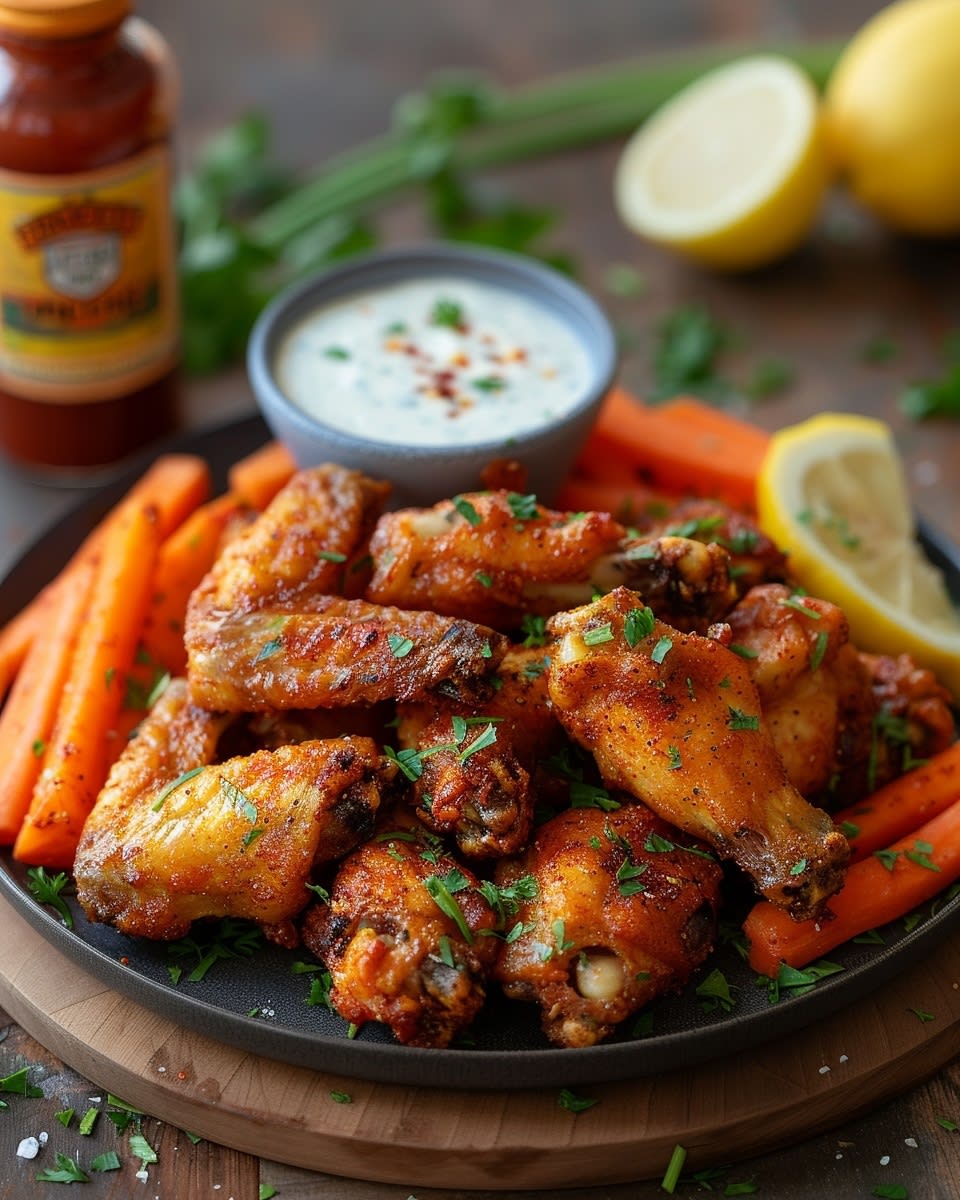
Why Crispy Air Fryer Chicken Wings Changed My Game Day Forever
Last Sunday, I stood in my kitchen at 2 PM with a house full of hungry football fans and realized I’d forgotten to prep the wings. You know that moment of panic? Yeah, that was me. But here’s the twist – I had my air fryer sitting on the counter, and it saved the day. Forty minutes later, everyone was raving about the crispy air fryer chicken wings I’d somehow pulled off. No deep fryer. No mess. Just golden, crunchy perfection.
Air fryer chicken wings have become my go-to for pretty much every gathering now. They’re fast when you’re in a rush. They’re healthier than traditional fried wings. And honestly? They taste just as good, if not better. The outside gets that satisfying crunch while the inside stays juicy and tender. It’s the kind of result that makes people ask for your recipe.
In this article, I’m going to walk you through everything you need to know about making perfect wings in your air fryer. We’ll cover the basics of how these machines work, why they’re so great for wings, and the foundation you need before we get into actual recipes. Whether you have a basic model, a NuWave air fryer, or a power air fryer oven, you’ll find tips that work for your setup.
Understanding the Basics of Air Fryer Chicken Wings
Let me break down what an air fryer actually does because it’s not really frying at all. Think of it as a small, powerful convection oven that sits on your counter. The machine circulates super hot air around your food at high speed. This rapid air movement creates that crispy, fried texture without dunking your food in a pot of oil. Pretty clever, right?
The heating element sits on top of the cooking chamber. A fan pushes the hot air down and around your food in a circular pattern. Most air fryers cook at temperatures between 350°F and 400°F. The basket design lets air hit your wings from all angles. That’s why you get browning and crisping all around instead of just on one side.
Here’s what makes air fryers special for chicken wings:
- Less oil needed: You only need a light spray or toss with about a tablespoon of oil. Compare that to cups of oil for deep frying.
- Faster cooking: The air fryer chicken wings cook time typically runs 20 to 25 minutes. Traditional oven wings can take 45 minutes or more.
- Easier cleanup: One basket to wash instead of a giant pot of oil to deal with.
- Healthier results: Wings cooked this way have way fewer calories from fat. You still get crispy skin without all that absorbed oil.
- Consistent results: The enclosed space and even heat distribution mean you’re less likely to end up with burnt spots or undercooked sections.
The beauty of making crispy air fryer chicken wings is that the skin renders its own fat as it cooks. That fat drips away into the bottom of the basket. Your wings essentially baste themselves in the hot air while getting rid of excess grease. It’s a win-win situation.
I’ve tried wings in my regular oven, deep fried them, and used my air fryer. The air fryer method wins for busy weeknights. There’s no waiting 15 minutes for oil to heat up. No splattering oil burns on my arms. And my kitchen doesn’t smell like a fast food restaurant for three days afterward.
Different air fryer brands work slightly differently. A NuWave air fryer uses infrared heat combined with hot air circulation. The power air fryer oven models are larger and can handle bigger batches. Basic basket-style air fryers work great too. The core principle stays the same across all types though. Hot air moving fast equals crispy food.
One common question I get is about cooking whole chicken wings in air fryer versus separated pieces. Whole wings include the drumette, the flat, and the tip all connected. Most people prefer to separate these sections before cooking. It helps them cook more evenly and gives you more crispy edges. But you absolutely can cook them whole if you prefer. You just might need to add a few extra minutes to your cook time.
How to cook whole chicken wings in air fryer is actually simple. Pat them dry really well. Season them however you like. Arrange them in a single layer without crowding. Cook at 380°F for about 25 to 28 minutes, flipping halfway through. The key is making sure they reach 165°F internal temperature.
The calorie difference is real too. Traditional deep-fried wings can pack 100 to 120 calories each. Air fryer chicken wings calories typically come in around 70 to 85 calories per wing. That’s because you’re not adding all that cooking oil. If you’re watching your diet or trying air fryer chicken wings keto style, this method fits perfectly. Wings are already low-carb, and air frying keeps them that way.
You can even use Tyson frozen chicken wings in air fryer straight from the freezer. No thawing required. Just add about 5 minutes to your cooking time. I keep a bag in my freezer for emergency snack attacks. They turn out surprisingly good for frozen wings.
The dry rub versus sauce debate comes up often. Air fryer chicken wings dry rub works beautifully because the hot air helps the spices stick and even caramelize a bit. You get intense flavor without any wet coating sliding off. Sauces work great too. I usually toss my wings in sauce after they’re done cooking. This keeps them crispy instead of steaming them soggy in the basket.
Temperature control matters more than you might think. Too hot and your wings burn on the outside while staying raw inside. Too low and they never get crispy. The sweet spot for most air fryers sits between 375°F and 400°F. I usually start at 380°F and adjust from there based on how my specific model performs.
Spacing your wings properly makes a huge difference. Overcrowding means steam gets trapped. Steam is the enemy of crispy skin. Leave a little breathing room between each wing. Cook in batches if you need to. Yes, it takes longer, but the results are worth it. Soggy wings disappoint everyone.
Your air fryer size determines how many wings you can cook at once. A standard 4-quart basket fits about 10 to 12 wing pieces comfortably. Larger 6-quart models can handle 16 to 20 pieces. The power air fryer oven chicken wings capacity goes even higher since these units have multiple racks. Know your machine’s limits and work within them.


Preparing Your Crispy Air Fryer Chicken Wings
Now that you understand how your air fryer works, let’s get into the actual prep work that makes or breaks your wings.
Choosing the Right Chicken Wings
Walking through the chicken section at the grocery store can feel overwhelming. You’ve got fresh wings, frozen wings, party wings, whole wings, and a bunch of different brands. Here’s what I’ve learned after way too many trial-and-error batches.
Fresh wings typically give you the best texture and flavor. When I’m buying fresh, I look for wings that are pink with no gray spots. The skin should look moist but not slimy. Give the package a sniff if you can. Fresh chicken shouldn’t smell like anything really. Any sour or funky odor means walk away. I also check the sell-by date obviously. The closer to the packing date, the better your results will be.
Size matters more than you’d think. Bigger wings take longer to cook and sometimes the outside burns before the inside finishes. Smaller wings cook fast but you don’t get as much meat. I aim for medium-sized wings that are roughly similar in size to each other. That way they all finish cooking at the same time. Nothing’s worse than having half your batch perfect and the other half still raw or overcooked.
Frozen wings work perfectly fine though. I keep Tyson frozen chicken wings in air fryer rotation at my house because they’re convenient. When life gets hectic and I haven’t planned dinner, frozen wings rescue me. The quality has gotten really good over the years. Most frozen wings are flash-frozen right after processing, which actually locks in freshness. Just make sure the bag doesn’t have freezer burn or ice crystals all over it. That means the wings have been thawed and refrozen, which messes up the texture.
Here’s a trick I learned from my neighbor who used to work at a chicken plant. The wings labeled as “party wings” or “wingettes and drumettes” are already separated for you. They cost a bit more but save you the hassle of cutting through joints. If you’re buying whole wings, you’ll need kitchen shears or a sharp knife to separate them yourself. I cut right through the joints where the sections meet naturally. Don’t try to hack through bone. Find the cartilage connection and slice through that.
Organic and free-range wings taste noticeably better if your budget allows. The meat has more flavor and the skin crisps up beautifully. But regular conventional wings work great too. Don’t stress if organic isn’t in your price range. Seasoning and cooking technique matter way more than whether the chicken had a fancy lifestyle.
Preparing the Chicken Wings
Okay, so you’ve got your wings home. Now what? This preparation stage is where most people either set themselves up for success or create problems they don’t even realize yet.
First thing, regardless of fresh or frozen, get those wings as dry as possible. This is probably the single most important tip I can give you. Moisture is the enemy of crispy skin. For fresh wings, I dump them into a colander and rinse them under cold water. Then comes the crucial part. I lay out paper towels on my counter, spread the wings in a single layer, and pat them dry. Like really dry. I’ll use multiple paper towels if I need to. Some people even let their wings sit uncovered in the fridge for a few hours to dry out the skin further. It works amazingly well if you have the time.
For frozen wings, I don’t thaw them completely. Yeah, that sounds weird but hear me out. I let them sit at room temperature for maybe 15 minutes just to get the surface frost off. Then I pat them dry with paper towels and cook them still mostly frozen. The air fryer chicken wings cook time increases by about five minutes, but the results are excellent. The outside crisps up while the inside finishes cooking. If you fully thaw frozen wings, they release a ton of water that makes them soggy.
Now for the fun part. Seasoning options are basically endless. The air fryer chicken wings dry rub approach has become my favorite method. Dry rubs stick to the skin and form this incredible crust as the wings cook. My basic dry rub combines paprika, garlic powder, onion powder, salt, black pepper, and a little cayenne if I want heat. I mix it all in a big bowl, toss the dried wings in about a tablespoon of olive oil first to help the rub stick, then coat them thoroughly with the spice mixture.
Funny enough, my most popular wing flavor came from a mistake. I was making loaded nacho cheese fries for a party and accidentally grabbed my nacho seasoning for the wings. Everyone went crazy for them. Now I make “nacho wings” all the time using chili powder, cumin, and a bit of cheese powder.
Marinades work too, but they require a different approach. If you marinate wings, you need to pat them extra dry before air frying. Otherwise you’re basically steaming them. I usually marinate for 2 to 4 hours max. Longer than that and the acid in the marinade starts breaking down the meat texture weird. My go-to marinade mixes soy sauce, honey, garlic, and ginger. After marinating, I pull the wings out, let them sit on a rack for 20 minutes, pat them dry, and then air fry.
The debate between dry and wet seasoning really comes down to when you want your flavor. Dry rubs give you crusty, intensely flavored skin. Wet sauces tossed after cooking give you that classic buffalo wing experience. Honestly, I often do both. A simple salt and pepper dry rub for cooking, then toss in buffalo sauce, BBQ sauce, or honey garlic after they’re done.
By the way, baking powder is a secret weapon. Not baking soda, that tastes awful. Baking powder specifically. Adding about half a teaspoon per pound of wings to your dry rub raises the pH of the skin. This helps it brown faster and get extra crispy. I learned this from a restaurant chef and it genuinely works. Just make sure you’re using aluminum-free baking powder if you’re sensitive to that metallic taste some brands have.
Cooking Techniques
Alright, your wings are prepped and seasoned. Time to actually cook these things. This is where paying attention to detail pays off big time.
Preheat your air fryer for about 3 to 5 minutes at 380°F. Some people skip this step but I never do. Preheating helps the skin start crisping immediately instead of slowly heating up. It’s like the difference between putting a steak on a screaming hot pan versus a cold one. The sizzle matters.
Load your wings in a single layer with a bit of space between each piece. I know I mentioned this before but it’s worth repeating because people always try to cram too many in. If your wings are touching, they steam instead of crisp. Cook in batches if you need to. Keep the first batch warm in a 200°F oven while the second batch cooks. Works perfectly for maintaining temperature while everything finishes.
The magic temperature for me is 380°F. Some recipes say 400°F but I find that too hot for most air fryers. The outside burns before the inside is done. At 380°F, you get even cooking and beautiful browning. Total cook time runs about 20 to 25 minutes for separated wing pieces. Whole chicken wings in air fryer need closer to 28 minutes since they’re bigger.
Here’s my exact method. I cook at 380°F for 10 minutes on the first side. Then I shake the basket or flip each wing with tongs. The flip is crucial. It ensures both sides get that direct heat exposure. Another 10 minutes on the second side. Then I check for doneness. The skin should be golden brown and crispy. If they need more time, I give them 2 to 3 minutes more and check again.
Internal temperature is your safety check. Wings need to hit 165°F at the thickest part. I use an instant-read thermometer and stick it into the meaty part of the drumette. That’s usually the thickest section. Once it reads 165°F, you’re good to go. Don’t rely on cooking time alone because all air fryers run a bit different. My friend’s air fryer cooks way hotter than mine even at the same temperature setting.
The texture you’re aiming for is golden brown and crispy on the outside with clear juices. If you poke a wing and pink juice comes out, it needs more time. Clear juices mean it’s done. The skin should have that satisfying crunch when you bite into it, similar to what you’d get with mozzarella cheese sticks that are cooked just right.
One technique I borrowed from restaurant cooking is the double-cook method. Cook your wings at 350°F for 15 minutes to render fat and cook through. Then crank the heat to 400°F for the last 5 to 7 minutes to really crisp up the skin. This works incredibly well when you’re cooking larger batches or whole chicken wings in air fryer that need extra time to cook through without burning.
For air fryer chicken wings keto folks, this cooking method is already perfect. Don’t add any breading or flour coating. Just season and cook. The rendered fat and crispy skin give you all the texture you need. Pair them with ranch dressing or blue cheese, both keto-friendly options.
What is the ideal air fryer chicken wings cook time? That depends slightly on your specific model and wing size, but 22 minutes at 380°F works for about 90% of situations. Start there and adjust based on your results. Keep notes on your phone about what worked. I have a note that says “my air fryer cooks fast, reduce time by 2 minutes” because I learned the hard way after burning a few batches.
Want to really level up your game? Try finishing your wings under the broiler for 60 seconds after air frying. This gives them an extra char and crispiness that’s honestly restaurant-quality. Just watch them closely because broilers work fast. I learned this trick while experimenting with spinach artichoke dip bites and it translates perfectly to wings.
The last step happens after cooking. Let your wings rest for about 2 minutes before saucing or serving. This lets the skin set up and stay crispy. If you sauce them immediately, the steam from the hot wings makes the coating soggy. Just two minutes of patience makes a difference. Then toss them in whatever sauce you want, arrange them on a platter with some crispy onion ring chips on the side, and watch them disappear.


Special Diets and Variations for Your Wings
One thing I love about air fryer wings is how easily they adapt to pretty much any eating style. Whether you’re counting carbs, watching calories, or just bored with the same old flavors, there’s a version of wings that works for you.
Keto-Friendly Air Fryer Chicken Wings
My brother went keto last year and suddenly couldn’t eat half the stuff at our family gatherings. But wings? Wings became his best friend. Chicken wings are naturally perfect for keto because they’re high in protein and fat with zero carbs. The air fryer chicken wings keto approach is honestly simpler than regular wings because you skip all the breading and flour-based coatings that some recipes call for.
Here’s what makes air fryer wings ideal for keto. The cooking method renders out extra fat while keeping the skin crispy and flavorful. You’re not adding any carb-heavy ingredients. Just chicken, spices, and maybe a tiny bit of oil. The macros work out beautifully. A typical wing has about 6 grams of protein and 5 grams of fat with zero carbs. Perfect keto ratios.
For seasoning your keto wings, stick with spice-based dry rubs. My favorite keto rub mixes smoked paprika, garlic powder, onion powder, cayenne, black pepper, and sea salt. Some people add a bit of dried oregano or thyme for an herb kick. You can also do a simple salt and pepper approach. Sometimes the best flavors are the simplest ones.
Watch out for pre-made spice blends though. Some contain hidden sugars or starches as fillers. I learned this the hard way when my brother’s blood sugar spiked after I used a BBQ rub that had brown sugar listed as the third ingredient. Now I always check labels or make my own blends. It takes five minutes and you know exactly what’s going in.
Sauce selection matters for keto too. Traditional buffalo sauce works great because it’s mostly hot sauce and butter. Both keto-friendly. Avoid honey-based sauces, teriyaki, or sweet BBQ since they’re loaded with sugar. I make a killer keto-friendly buffalo sauce by melting butter with Frank’s RedHot and adding a bit of garlic powder. You can also do a lemon pepper butter sauce or a garlic parmesan coating using real grated parmesan.
Ranch and blue cheese dips fit perfectly into keto plans. Make your own ranch with sour cream, mayo, garlic powder, onion powder, dried dill, and a splash of lemon juice. Store-bought works too but watch for added sugars. Some brands sneak in corn syrup for no good reason.
Honestly, if you’re following keto, wings become a weekly staple. They’re filling, satisfying, and you can eat a decent portion without blowing your macros. My brother typically eats 8 to 10 wings with a side of raw veggies and ranch. Keeps him full for hours and fits his carb limit perfectly.
Nutritional Information Worth Knowing
Let’s talk real numbers for a second because understanding what you’re actually eating helps you make better choices. The air fryer chicken wings calories come in significantly lower than their deep-fried cousins. A single air-fried wing averages about 75 to 85 calories depending on size. Compare that to deep-fried wings at 100 to 120 calories each. That difference adds up fast when you’re eating 10 or 12 wings.
The calorie reduction comes from using way less oil. Deep frying means your wings absorb a ton of cooking oil. Air frying uses maybe a tablespoon for a whole batch or sometimes none at all. That saves you roughly 25 to 35 calories per wing just from reduced fat absorption.
Breaking down the macros for a typical air-fried wing, you’re looking at about 6 grams of protein, 5 grams of fat, and zero carbs for an unsauced wing. Add sauce and those numbers change. Buffalo sauce adds minimal calories, maybe 10 to 15 per wing. Sweet sauces like honey BBQ can add 40 to 50 calories per wing from sugar content.
Fat content in air fryer wings is mostly the good kind. Chicken skin contains monounsaturated fats similar to what you find in olive oil. Yeah, there’s saturated fat too, but modern nutrition science shows that naturally occurring saturated fats from whole food sources aren’t the villain we once thought. Plus, choosing higher-quality chicken can actually help with inflammation and diet concerns since better-raised chickens tend to have healthier fat profiles.
Sodium levels depend entirely on how much salt you add. A plain wing has about 25 mg of sodium naturally. If you’re heavy-handed with salt or using salty sauces, that number climbs quickly. I typically use about half a teaspoon of salt for two pounds of wings, which adds roughly 50 to 60 mg per wing. Totally reasonable for most people.
The protein content is what really makes wings a solid choice. Ten wings give you about 60 grams of protein. That’s a substantial meal that keeps you full. My wife always eats wings before her evening workouts because the protein-to-calorie ratio works perfectly for her training schedule.
Here’s a comparison table that might help:
| Cooking Method | Calories per Wing | Fat Grams | Protein Grams |
|---|---|---|---|
| Air Fried | 75-85 | 5 | 6 |
| Deep Fried | 100-120 | 8 | 6 |
| Baked | 80-90 | 5.5 | 6 |
Micronutrients are worth mentioning too. Chicken wings provide decent amounts of B vitamins, especially niacin and B6. They also contain selenium, phosphorus, and zinc. Not superfood levels but definitely contributing to your daily needs.
If you’re watching calories closely, skip the skin and you’ll save about 30 calories per wing. But honestly, who wants skinless wings? The skin is where all the flavor and texture live. I’d rather eat fewer wings with skin than more skinless wings that taste like cardboard.
Variations and Creative Ideas
After you’ve mastered basic wings, the fun really starts. I’ve experimented with probably fifty different flavor combinations over the last couple years. Some were amazing. Some were disasters we don’t talk about.
Let’s start with dry rub variations because these are foolproof. My go-to flavors include:
- Cajun spice: Paprika, cayenne, garlic powder, onion powder, oregano, thyme, and black pepper. Spicy and aromatic.
- Lemon pepper: Tons of cracked black pepper, lemon zest, garlic powder, and salt. Fresh and bright tasting.
- BBQ dry rub: Brown sugar, paprika, chili powder, garlic powder, cumin, and a touch of coffee grounds for depth.
- Garlic parmesan: Garlic powder, onion powder, Italian seasoning, and grated parmesan mixed in after cooking.
- Nashville hot: Cayenne, brown sugar, paprika, garlic powder, and a secret ingredient of black coffee powder for complexity.
Sauce options open up even more possibilities. Beyond standard buffalo and BBQ, try these combinations that always get compliments at my house:
- Honey sriracha: Equal parts honey and sriracha with a squeeze of lime juice. Sweet heat perfection.
- Teriyaki ginger: Store-bought teriyaki sauce mixed with fresh grated ginger and sesame oil.
- Maple bourbon: Real maple syrup, bourbon, butter, and a dash of cayenne. Sounds weird but trust me.
- Thai peanut: Peanut butter, soy sauce, lime juice, sriracha, and a bit of brown sugar thinned with water.
- Korean gochujang: Gochujang paste, honey, soy sauce, rice vinegar, and sesame oil. Spicy, sweet, and funky in the best way.
The power air fryer oven chicken wings open up batch cooking possibilities. These larger units let you cook 30 to 40 wings at once using multiple racks. I stack them and rotate the racks halfway through cooking. This works great when you want to do multiple flavors for a party. Cook everything plain, then divide into batches and toss each batch in different sauces.
Seasoning techniques can vary too. Try brining your wings in saltwater for an hour before cooking. This keeps them extra juicy inside while the outside still crisps up. Mix four cups of water with a quarter cup of salt and a quarter cup of sugar. Submerge your wings, refrigerate for one hour, then pat dry and cook as normal. The difference in juiciness is noticeable.
Another technique I borrowed from a Thai restaurant I worked at years ago involves marinating wings in fish sauce. I know that sounds intense but stay with me. Mix two tablespoons fish sauce with a tablespoon of lime juice, a tablespoon of brown sugar, and minced garlic. Marinate for 30 minutes max. Pat dry thoroughly before air frying. The umami depth is incredible.
Stuffed wings are a thing believe it or not. You can carefully debone wing drumettes, stuff them with cheese and jalapeño, then air fry them. It’s fiddly work but the wow factor at parties is worth it. I’ve also seen people stuff them with cream cheese mixed with herbs.
International flavor profiles work beautifully with wings. Indian tandoori spice rubs give you that clay oven flavor without the clay oven. Mexican adobo seasonings bring smoky heat. Greek seasoning with oregano, lemon, and garlic transports you to the Mediterranean. Jamaican jerk seasoning with allspice, thyme, and scotch bonnet peppers brings serious heat and flavor.
Here’s something fun I tried after making all kinds of appetizers and snacks for different parties. Take your basic buffalo wings and toss them with crumbled blue cheese right after saucing. The cheese melts slightly from the wing heat and creates this creamy, tangy coating. Game changer.
Breakfast wings are underrated too. Season wings with sage, thyme, and black pepper. Cook them up and serve alongside scrambled eggs and hash browns. Add a drizzle of maple syrup. Sounds strange but the sweet-savory combo works perfectly for a weekend brunch.
For power air fryer chicken wings, you can even smoke them first. Some models have a smoke function or you can use a handheld smoker to add smoke before air frying. Hickory or applewood smoke for five minutes, then air fry as normal. You get that backyard BBQ flavor without firing up your grill.
Don’t forget vegetable-enhanced wings either. After air frying, toss your wings with roasted garlic cloves and fresh herbs like rosemary or thyme. Or add sliced jalapeños and cilantro for a fresh kick. These additions make wings feel less heavy and more balanced.
The variety literally never ends. Once you nail the basic technique, every cuisine and flavor profile becomes fair game for experimentation.
Making perfect crispy air fryer wings at home isn’t complicated once you understand the basics. Start with quality chicken, dry it thoroughly, season it well, and give your air fryer the space and time it needs to work its magic. The rest is just fun experimentation with flavors you love. Next time you’re planning a gathering or just want something delicious for dinner, skip the takeout and make a batch yourself. You’ll save money, eat healthier, and probably make wings better than most restaurants anyway.
Frequently Asked Questions
How to cook whole chicken wings in air fryer?
Cooking whole chicken wings in air fryer is totally doable and actually pretty simple. Pat the wings completely dry with paper towels, which is the most important step for crispy skin. Season them with your favorite dry rub or just salt and pepper. Place them in your air fryer basket in a single layer without crowding. Cook at 380°F for about 25 to 28 minutes, flipping them halfway through. The extra size means they need a few more minutes than separated pieces. Check that they’ve reached 165°F internal temperature before serving.
What is the ideal air fryer chicken wings cook time?
The sweet spot for air fryer chicken wings cook time is typically 20 to 25 minutes at 380°F for separated wing pieces. Whole wings need closer to 28 minutes. Your specific air fryer model matters though since they all run slightly different. Start checking at the 20-minute mark with an instant-read thermometer. Wings are done when they reach 165°F internal temperature and the skin looks golden brown and crispy. If they need more time, add 2 to 3 minutes and check again. Keep notes on what works for your particular machine.
Can you make air fryer chicken wings without oil?
Yes, you absolutely can make wings without adding any oil at all. Chicken skin contains its own fat that renders out during cooking. This natural fat is enough to crisp up the skin beautifully in an air fryer. Just season your dry wings with your spice rub and cook as normal. The results are slightly less crispy than using a light oil spray, but they’re still really good. This method works great if you’re trying to cut calories even further or following a very low-fat diet. The wings won’t stick to the basket because the rendered fat prevents that.
Are air fryer chicken wings healthier than deep-fried ones?
Air fryer wings are definitely healthier than deep-fried versions. They contain about 25 to 35 fewer calories per wing because they don’t absorb all that cooking oil. Deep-fried wings can have 100 to 120 calories each compared to 75 to 85 calories for air-fried wings. You’re getting the same protein content with significantly less fat. The cooking method also allows excess fat to drip away from the wings as they cook. You still get crispy, delicious wings without the grease. For anyone watching their calorie or fat intake, air frying is the clear winner.
How do I prevent my air fryer wings from being soggy?
Soggy wings usually happen because of excess moisture or overcrowding. Always pat your wings completely dry before seasoning and cooking. Like really dry, using multiple paper towels if needed. Don’t crowd the basket because trapped steam makes wings soggy instead of crispy. Leave space between each piece for air circulation. If you’re saucing your wings, wait until after they’re fully cooked and let them rest for about two minutes first. Avoid wet marinades right before cooking or at least pat the wings dry after marinating. These simple steps guarantee crispy wings every time.
Can I cook frozen wings directly in the air fryer?
You can definitely cook Tyson frozen chicken wings in air fryer or any other brand straight from frozen. Don’t fully thaw them because they release too much water that makes them soggy. Let them sit at room temperature for maybe 15 minutes just to remove surface frost, then pat dry with paper towels. Add about 5 minutes to your normal cooking time. So if fresh wings take 22 minutes, give frozen wings about 27 minutes. Flip them halfway through just like fresh wings. They turn out surprisingly good and save you time when you need a quick meal.
What temperature should I cook wings at?
The best temperature for most air fryers is 380°F. This gives you even cooking and beautiful golden-brown skin without burning. Some recipes recommend 400°F but I find that too hot for most models. The outside tends to burn before the inside finishes cooking. At 380°F, you get that perfect balance of crispy exterior and juicy interior. Always preheat your air fryer for 3 to 5 minutes before adding wings. If your specific model runs hot, drop down to 370°F. If it runs cool, bump up to 390°F. You’ll figure out your machine’s personality after a batch or two.
How do I know when my wings are fully cooked?
Use an instant-read thermometer to check internal temperature, which is the only reliable method. Insert it into the thickest part of the drumette without hitting bone. Wings are safely cooked at 165°F. The skin should be golden brown and crispy looking. If you poke a wing and the juices run clear, that’s another good sign. Pink or red juices mean they need more time. Don’t rely solely on cooking time because all air fryers vary. Some cook hotter or faster than others. Temperature is your foolproof indicator of doneness and food safety.
Should I flip wings during cooking?
Yes, definitely flip your wings halfway through cooking. This ensures both sides get direct heat exposure and crisp up evenly. I usually cook for 10 to 12 minutes on the first side, then flip or shake the basket and cook another 10 to 12 minutes. You can use tongs to flip each wing individually for the best results, or just shake the basket if you’re feeling lazy. Some people skip flipping but the results aren’t as good. One side stays lighter and less crispy. The flip takes 30 seconds and makes a noticeable difference in texture.
What’s the best way to reheat leftover air fryer wings?
Leftover wings happen rarely at my house but when they do, the air fryer is the best reheating method. Place cold wings in your air fryer basket in a single layer. Heat at 350°F for about 5 to 7 minutes until they’re hot and the skin crisps back up. Don’t use the microwave because it makes the skin rubbery and gross. The air fryer brings back that fresh-cooked texture almost perfectly. You can even re-sauce them after reheating if you want. They taste nearly as good as when you first made them, which is pretty impressive for leftovers.
Ingredients
Equipment
Method
- Épongez les ailes de poulet avec du papier absorbant pour enlever l'excès d'humidité.
- Si vous utilisez des ailes surgelées, laissez-les reposer à température ambiante pendant environ 15 minutes puis épongez.
- Dans un grand bol, mélangez les ailes avec l'huile d'olive pour vous assurer qu'elles soient bien enrobées.
- Mélangez le paprika, la poudre d'ail, la poudre d'oignon, le sel, le poivre noir et le poivre de cayenne (si utilisé) dans un bol séparé.
- Ajoutez le mélange d'épices aux ailes et mélangez jusqu'à ce qu'elles soient uniformément enrobées.
- Préchauffez la friteuse à air à 380°F (193°C) pendant 3 à 5 minutes.
- Placez les ailes en une seule couche dans le panier de la friteuse à air, en vous assurant qu'il y a de l'espace entre chaque aile.
- Cuisinez pendant 10 minutes à 380°F (193°C), puis retournez les ailes ou secouez le panier.
- Continuez la cuisson pendant encore 10 minutes, en vérifiant la cuisson.
- Assurez-vous que les ailes atteignent une température interne de 165°F (74°C) et ajustez le temps de cuisson si nécessaire, en ajoutant 2 à 3 minutes si besoin.
- Laissez reposer les ailes pendant 2 minutes avant de les mélanger dans une sauce ou de les servir.