
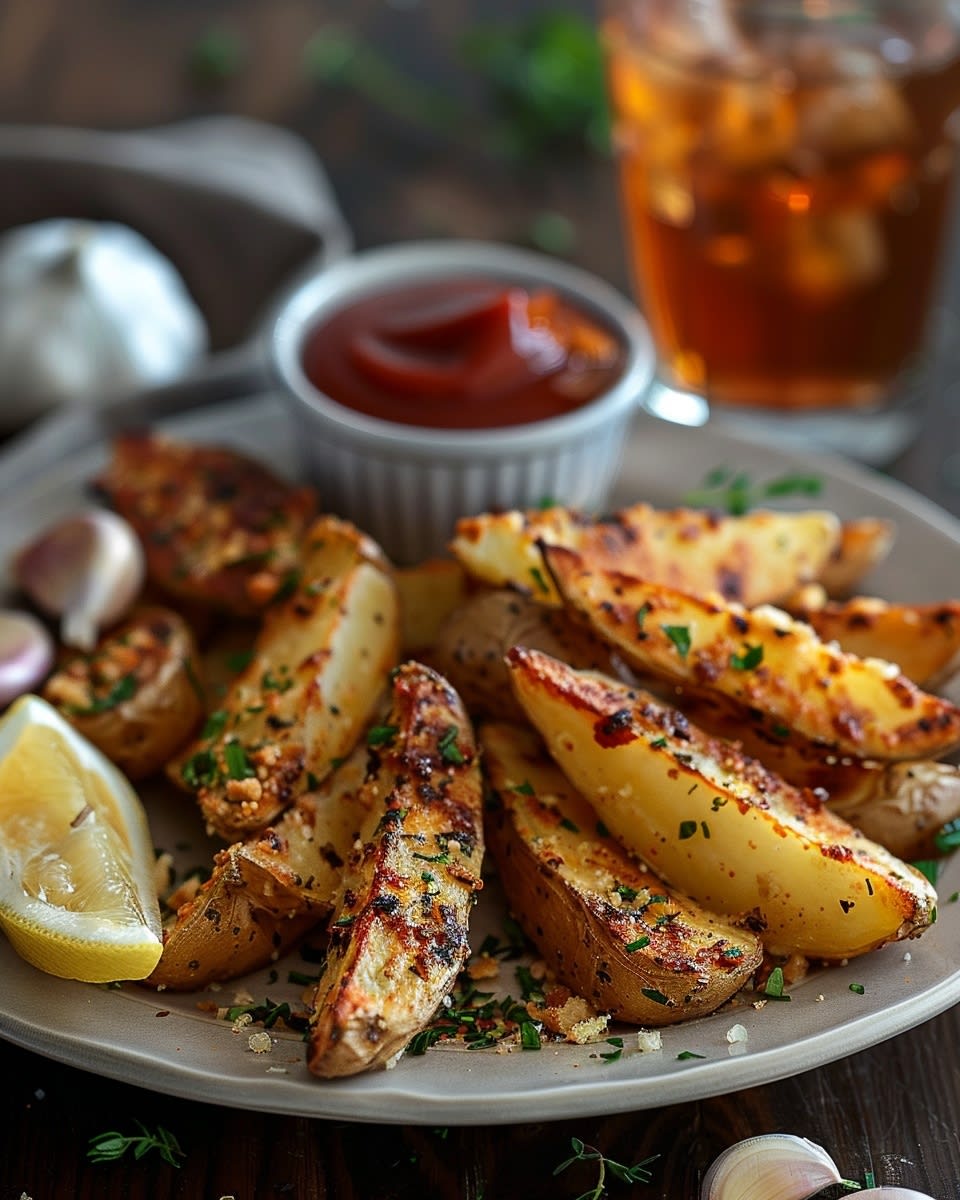
My Love Affair with Garlic Parmesan Potato Wedges
Last Tuesday night, I stood in my kitchen staring at a bag of russet potatoes. My family was coming over in two hours, and I needed a side dish that would make everyone happy. That’s when I remembered garlic parmesan potato wedges. Twenty minutes of prep work later, my house smelled like an Italian restaurant, and I knew I had made the right choice.
Here’s the thing about potato wedges. They’re that magical recipe that works for literally every occasion. Game day? Check. Weeknight dinner? Perfect. Fancy holiday meal? They fit right in. Kids love them because they’re basically elevated french fries. Adults appreciate the sophisticated garlic and cheese flavor. I’ve served these at backyard barbecues and formal dinner parties with equal success.
Potatoes get a bad reputation sometimes, but they’re actually pretty good for you. They’re packed with vitamin C, potassium, and fiber when you leave the skins on. One medium potato has more potassium than a banana. They’re also naturally fat-free and gluten-free. The key is how you prepare them. Today, I’m sharing my go-to method for baked garlic parmesan potato wedges with paprika. This version gives you all that crispy, savory goodness without the guilt of deep frying.
The paprika is my secret weapon. It adds a gentle smokiness and that gorgeous golden color that makes these wedges look restaurant-quality. Combined with the sharp bite of parmesan and the aromatic punch of fresh garlic, you get layers of flavor that make simple potatoes taste extraordinary.
Why Baked Garlic Parmesan Potato Wedges Are So Popular
I remember the first time I searched for baked garlic parmesan potato wedges on Pinterest. My feed exploded with hundreds of beautiful photos. Golden wedges piled high on white plates. Close-ups showing that perfect crispy edge. Every pin had thousands of saves. That’s when I realized this wasn’t just my personal favorite. This recipe has become a genuine phenomenon.
The numbers don’t lie. Type “parmesan potato wedges” into any recipe site, and you’ll see massive engagement. Parmesan potato wedges on Allrecipes consistently rank among their most saved and reviewed recipes. Some versions have over 5,000 five-star reviews. People aren’t just making these once. They’re adding them to their regular rotation.
What makes this dish so wildly popular? I’ve thought about this a lot while perfecting my own recipe. The answer is surprisingly simple. These wedges deliver maximum flavor with minimum effort. You don’t need fancy equipment or hard-to-find ingredients. No deep fryer required. No complicated techniques to master. Just potatoes, some pantry staples, and your oven.
The flavor profile hits all the right notes. The parmesan brings that salty, umami richness. Garlic adds aromatic depth. Paprika contributes warmth and color. Together, they create something that tastes complex but comes together in minutes. Your prep time is mostly just cutting potatoes into wedges and tossing everything in a bowl.
I learned this lesson the hard way during my daughter’s birthday party last spring. I had planned this elaborate menu with complicated sides. Everything required constant attention. Meanwhile, the potato wedges I almost didn’t make? They disappeared first. Parents asked for the recipe. Kids went back for seconds and thirds. The fancy stuff I stressed over barely got touched.
That experience taught me something valuable. People want food that tastes amazing without pretension. Nobody at your dinner table cares if you spent three hours on a dish. They care if it tastes good. These potato wedges deliver incredible taste with a fraction of the work.
The versatility factor can’t be overstated either. I’ve paired these wedges with everything from grilled chicken to pan-seared salmon. They work alongside burgers at summer cookouts. They complement a simple weeknight meatloaf. I’ve even served them as an appetizer with ranch dipping sauce at parties. Every single time, they’re a hit.
Let me paint you a picture of what happens when these come out of the oven. The edges are deep golden brown and crispy. The parmesan has melted into the crevices, creating little pockets of cheesy goodness. The garlic has mellowed and sweetened from roasting. When you bite into a wedge, you get that satisfying crunch on the outside followed by fluffy, tender potato inside.
The social media appeal makes sense too. These wedges are genuinely photogenic. They have that rustic, homemade look that photographs beautifully. The golden color pops in photos. Stack them on a simple white plate, and you’ve got content worthy of any food blog or Instagram feed.
But here’s what really matters beyond the likes and shares. These wedges bring people together. I’ve watched my kids fight less at dinner when these are on the table. I’ve seen party guests who were strangers bond over their shared love for that crispy, garlicky bite. Food has this power to create connection, and this recipe does it better than most.
The ease of customization adds another layer to their popularity. Want them spicier? Add cayenne pepper. Prefer rosemary? Toss some in. Need them dairy-free? Use nutritional yeast instead of parmesan. The base recipe is so solid that it welcomes experimentation. That’s probably why you see so many variations across recipe sites and social platforms.
My personal journey with this recipe started about five years ago. I was trying to recreate wedges I’d had at a local restaurant. After about a dozen attempts, I finally nailed the technique. The trick was getting the oven hot enough and not overcrowding the pan. Once I figured those details out, everything changed. Now I make these at least twice a month, and they turn out perfect every time.


Getting Your Ingredients Right for Perfect Garlic Parmesan Potato Wedges
Now that you understand why everyone’s obsessed with these wedges, let’s talk about what actually goes into making them exceptional.
The ingredient list is refreshingly short. You need potatoes (obviously), olive oil, fresh garlic, parmesan cheese, paprika, salt, and pepper. That’s it. Six basic ingredients that probably already live in your kitchen. But here’s where most people go wrong. They assume all potatoes are created equal. They grab whatever cheese is on sale. I did the same thing for years until I realized the quality of your ingredients directly impacts how these turn out.
Let me start with potatoes. Russets are my absolute favorite for baked garlic parmesan potato wedges with paprika. They have that perfect starchy texture that gets fluffy inside while crisping up beautifully on the outside. Yukon Golds work too if you prefer a creamier, slightly buttery flavor. I’ve tried red potatoes, and honestly, they’re fine but not ideal. They hold too much moisture and don’t crisp as well. Whatever you choose, make sure your potatoes are firm with no green spots or sprouting eyes. I usually grab medium-sized ones because they’re easier to cut into uniform wedges.
Speaking of cutting, uniform size matters more than you’d think. When I first started making these, I’d just hack away at potatoes without paying attention. Some wedges were thick, others thin. The thin ones would burn before the thick ones cooked through. Now I aim for wedges that are roughly the same width, maybe about three-quarters of an inch at the thickest part. For a medium potato, I cut it in half lengthwise, then cut each half into three or four wedges depending on size.
The garlic situation deserves its own paragraph. Fresh garlic is non-negotiable here. I know jarred minced garlic is convenient. I keep it in my fridge too. But for this recipe, you really need fresh cloves. The flavor difference is dramatic. Jarred garlic tastes kind of flat and sometimes slightly bitter. Fresh garlic brings that pungent, aromatic quality that makes these wedges smell incredible while baking. I usually use about four or five cloves, minced really fine. Sometimes I use a garlic press if I’m feeling lazy.
Here’s the thing about parmesan. The stuff in the green can that sits unrefrigerated on grocery store shelves? That’s not real parmesan. It works in a pinch, but you’re missing out. Real Parmigiano-Reggiano or a good quality grated parmesan from the deli section makes these wedges taste restaurant-quality. The difference is like comparing Kraft singles to aged cheddar. Real parmesan has this complex, nutty, salty flavor that adds so much depth. I buy a wedge and grate it myself, or I grab the fresh-grated stuff from the refrigerated section. You need about half a cup for a batch of wedges from four medium potatoes.
The paprika is what elevates these from good to outstanding. I use sweet paprika most of the time, which gives that gorgeous color and subtle sweetness. Sometimes I swap in smoked paprika when I want a deeper, smokier flavor profile. My neighbor introduced me to smoked paprika last year, and it completely changed how I think about seasoning. Just one teaspoon transforms the entire dish.
Now for the preparation process. I start by preheating my oven to 425 degrees Fahrenheit. This temperature is crucial for getting extra crispy baked garlic parmesan potato wedges. Too low and they’ll steam instead of crisp. I learned this the hard way after several batches of disappointingly soft wedges. While the oven heats up, I scrub my potatoes under running water. I leave the skins on because that’s where most of the nutrients live, plus they add texture.
After cutting the potatoes into wedges, I dump them in my largest mixing bowl. Then I drizzle them with about three tablespoons of olive oil. Some recipes call for more, but I’ve found this amount is perfect for coating without making them greasy. I toss everything together with my hands. It’s messy but effective. You want every surface coated with that oil because that’s what helps them crisp up.
Next comes the seasoning magic. I add my minced garlic, grated parmesan, paprika, salt, and pepper right to the bowl. Then I toss everything again until each wedge is covered in that golden, garlicky, cheesy coating. The smell at this point is already amazing. My dog starts hanging around the kitchen the second I add the garlic. By the way, if you’re looking for other crowd-pleasing appetizers, these pair wonderfully with creamy spinach artichoke dip for game day spreads.
The pan situation matters too. I arrange my wedges in a single layer on a large baking sheet. Overcrowding is enemy number one of crispy potatoes. The wedges need space for air to circulate. If they’re touching too much, they’ll steam each other and get soggy. I usually need two baking sheets for a full recipe. I also line mine with parchment paper for easier cleanup, though you can skip this step if you don’t mind scrubbing.
One more tip before we move on. Place your wedges cut-side down on the pan. This maximizes contact with the hot surface, which means more browning and crispiness. I flip them halfway through cooking to get both cut sides nicely browned.
Oven Versus Air Fryer: Finding Your Perfect Method
I bought an air fryer last Black Friday after years of resisting. My sister kept insisting it would change my life. I rolled my eyes every time she mentioned it. Turns out, she was kind of right, at least when it comes to potatoes.
Baking in the oven is my traditional method. It’s reliable and consistent. You can make a huge batch at once, which is perfect when feeding a crowd. At 425 degrees, the wedges take about thirty to thirty-five minutes total. I flip them at the twenty-minute mark to ensure even browning on both sides. The oven method gives you that classic crispy edge with a fluffy interior. The parmesan gets slightly caramelized, creating these beautiful golden spots.
The downside? Oven baking takes longer and heats up your whole kitchen. During summer months, running my oven for forty minutes when it’s ninety degrees outside is not ideal. Also, you really need to watch them toward the end of cooking because they can go from perfectly golden to burnt surprisingly fast.
Enter the air fryer. When I finally tried making garlic parmesan potato wedges air fryer style, I was genuinely shocked. They cooked in about fifteen to eighteen minutes at 400 degrees. The texture was incredibly crispy, almost like they’d been deep fried but without all that oil. The air fryer circulates hot air so efficiently that every surface gets evenly browned.
Here’s my air fryer method. I prepare the wedges exactly the same way, with all the seasonings. But I work in batches since my air fryer basket is way smaller than a baking sheet. I arrange wedges in a single layer in the basket, making sure they’re not too crowded. Then I cook them at 400 degrees for about eight minutes. At the eight-minute mark, I shake the basket to redistribute them and cook for another seven to ten minutes depending on how crispy I want them.
Funny enough, the air fryer version actually gets crispier than the oven version. Something about that intense circulating heat creates an almost chip-like exterior while keeping the inside perfectly fluffy. My teenage son, who critiques everything I cook, admitted these were even better than the oven ones. That’s saying something.
The texture difference is noticeable. Oven-baked wedges have a more traditional roasted potato texture with crispy edges and tender middles. Air fryer wedges are uniformly crispy on all sides with that almost fried quality. Both are delicious, just slightly different experiences. Kind of like comparing crispy air fryer chicken wings to traditional baked ones – each has its own appeal.
One major advantage of the air fryer is portion control. If you’re cooking for just one or two people, making a small batch in the air fryer makes way more sense than heating up your whole oven. I’ve started making smaller portions for weeknight dinners using the air fryer, then switching to the oven when I’m feeding my whole family or having people over.
The cleanup factor weighs in here too. My air fryer basket goes right in the dishwasher. Cleaning baking sheets with stuck-on cheese and potato bits is considerably more work. I’ve scrubbed many a pan after making these in the oven. With the air fryer, I just pop out the basket and I’m done.
Temperature matters significantly with both methods. Too low and your wedges will be pale and soft. Too high and the parmesan burns before the potatoes cook through. I’ve experimented a lot with this. For the oven, 425 degrees is the sweet spot. For the air fryer, 400 degrees works perfectly. These temperatures give you that golden color and crispy texture without burning.
If you want them extra crispy using the oven method, try this trick. After they’re done cooking, turn on your broiler for the last two minutes. Watch them like a hawk during this time because they can burn instantly under the broiler. But those two minutes create an incredible crunchy exterior that rivals anything from a restaurant fryer. This works great when you’re making them alongside other dishes like bang bang chicken bites for a complete appetizer spread.
I rotate between both methods depending on my situation. Big family dinner or party? Oven all the way because I can make multiple pans at once. Quick weeknight side dish? Air fryer wins for speed and efficiency. Neither method is objectively better. They’re just different tools for different situations. Similar to how loaded cheese fries with bacon can be made multiple ways depending on your equipment and time constraints.
One last consideration is energy efficiency. The air fryer uses significantly less electricity than heating up a full-size oven. If you’re trying to keep utility bills down, this matters. Over time, those savings add up, especially if you’re making these wedges as often as I do.


Beyond Classic Wedges: Variations and Creative Twists
After making traditional wedges for the hundredth time, I started getting restless. Don’t get me wrong, the classic version is phenomenal. But my brain started wondering what else I could do with this flavor combination. That curiosity led me down a rabbit hole of experimentation that honestly made my weeknight dinners way more interesting.
The first variation I tried was parmesan potato halves. Instead of cutting potatoes into wedges, I just sliced them in half lengthwise. This creates a flat surface that gets incredibly crispy when placed cut-side down on the baking sheet. The ratio of crispy surface area to fluffy interior changes completely. You get this almost crust-like bottom that’s absolutely addictive. I scoop out a tiny bit of the potato flesh from each half to create a small well, then pack it with extra garlic and parmesan before baking. The result looks fancy enough for company but takes the same amount of effort as regular wedges.
My father-in-law absolutely loves these halves. He says they remind him of twice-baked potatoes but way less fussy. Last Thanksgiving, I made them instead of traditional mashed potatoes, and honestly, they stole the show. Even my mother-in-law, who’s pretty traditional about holiday meals, asked if I could make them again for Christmas. That’s when I knew I was onto something.
Then there’s the garlic parmesan sliced potatoes approach. This technique involves slicing potatoes into thin rounds, almost like chips but slightly thicker. I use a mandoline for consistent thickness, usually about a quarter inch. You toss these rounds in the same garlic parmesan mixture, then arrange them overlapping slightly on a baking sheet. They come out looking like fancy potato scales. The thin slices get super crispy, almost like homemade chips but with way more flavor. These work great as an appetizer because people can just grab them with their fingers.
Here’s the thing about sliced potatoes though. They cook faster than wedges, so you need to watch them carefully. I usually check them around the fifteen-minute mark. They can go from golden to burnt pretty quickly because they’re thinner. But when you nail the timing, they’re incredible. Crunchy, garlicky, cheesy perfection.
I’ve also experimented with adding different herbs to the basic recipe. Fresh rosemary is my favorite addition. I chop about two tablespoons of fresh rosemary and add it to the seasoning mix. The piney, aromatic quality of rosemary pairs beautifully with garlic and parmesan. It makes the whole dish smell like an Italian hillside. My aunt visited from Oregon last summer and raved about these rosemary wedges for weeks afterward. She kept texting me photos of her attempts to recreate them.
Thyme works wonderfully too, especially if you’re serving these alongside roasted chicken or beef. I use about a tablespoon of fresh thyme leaves. The flavor is more subtle than rosemary but adds this earthy complexity that makes the wedges taste sophisticated. Sometimes I combine both herbs for an even more layered flavor profile.
For people who like heat, adding red pepper flakes transforms these into something completely different. Just half a teaspoon of crushed red pepper gives you a nice kick without overwhelming the other flavors. I made a spicy version for my book club last month, and it sparked this whole conversation about how we always forget that potatoes can handle bold seasonings. We’re so used to thinking of them as bland comfort food that we forget they’re actually a blank canvas.
Another twist I’ve seen on food blogs is using different types of cheese. Romano cheese instead of parmesan gives you a sharper, more pungent flavor. Asiago works great too, especially if you like things a bit nuttier. I stumbled across a recipe on Pinterest that used a mixture of parmesan and pecorino romano, and that combination is genuinely next-level. The two cheeses complement each other perfectly, creating this complex salty-nutty-sharp flavor that I couldn’t stop eating.
My friend Sarah introduced me to the concept of crispy garlic parmesan potatoes made with tiny baby potatoes. You halve or quarter these little potatoes, toss them in the garlic parmesan mixture, and roast them until they’re golden. Because they’re smaller, they get crispy all over. Every bite is basically all crust. My kids prefer these because they’re easier to eat and feel more like fancy popcorn. They’ll actually sit and snack on them while doing homework, which never happens with regular vegetables.
I’ve also seen recipes that add a touch of honey or maple syrup to the seasoning. I was skeptical about this at first because sweet potatoes didn’t seem right. But that tiny bit of sweetness, maybe just a teaspoon, balances the salty parmesan in this really interesting way. It’s subtle enough that most people can’t identify what makes them taste different, they just know they’re delicious. Kind of like how a pinch of sugar in tomato sauce cuts the acidity without making it sweet.
Lemon zest is another game-changer I discovered recently. Adding the zest of one lemon to your seasoning mix brightens everything up. The citrus notes cut through the richness of the cheese and oil, making the wedges taste lighter somehow. This version is perfect for spring and summer when you want something that feels a bit fresher. I served these at a garden party in May, and people kept asking what made them taste so good. Nobody guessed it was just lemon zest.
On social media, I’ve noticed a trend of loaded potato wedges that take inspiration from loaded fries. After baking your wedges until crispy, you top them with extra cheese, crumbled bacon, green onions, and a drizzle of sour cream or ranch. It’s completely over the top and absolutely delicious. I made these for the Super Bowl last year, and they disappeared faster than anything else on the table. My brother-in-law ate so many he felt sick, but he still says they were worth it.
Speaking of social media trends, TikTok has been showing me all sorts of creative approaches. One video I saw featured someone making these wedges with everything bagel seasoning mixed into the parmesan. I tried it, and wow. The sesame seeds, poppy seeds, onion, and garlic from the seasoning blend add so much texture and flavor. It’s like your favorite bagel in potato form.
For a healthier spin, I’ve experimented with reducing the oil and increasing the seasoning. You can get away with just one tablespoon of oil if you use a really good non-stick spray on your baking sheet. The wedges won’t be quite as crispy, but they’re still really good. I also sometimes substitute half the parmesan with nutritional yeast. This cuts calories and adds B vitamins while keeping that cheesy flavor mostly intact. My health-conscious sister approves of this version and makes it weekly.
Another variation worth trying is using sweet potatoes instead of regular ones. The natural sweetness of sweet potatoes paired with savory garlic and parmesan creates this sweet-savory thing that’s really addictive. You might need to adjust your cooking time slightly because sweet potatoes can cook a bit faster. But the flavor combination is unexpectedly fantastic. I make these during fall when sweet potatoes are at their peak.
I’ve also seen recipes that add a balsamic glaze drizzle after baking. The tangy sweetness of reduced balsamic vinegar against the salty, garlicky potatoes is pretty special. This feels fancy enough for a dinner party but doesn’t require any extra skill. You can buy pre-made balsamic glaze or just simmer balsamic vinegar until it reduces and thickens.
Here’s something I learned from a food blogger I follow: finishing these wedges with fresh herbs after they come out of the oven makes a huge difference. While they’re still hot, toss them with chopped fresh parsley or basil. The herbs wilt slightly from the heat and release their oils, coating the wedges with fresh flavor. It makes them taste brighter and more restaurant-quality. Such a simple touch but really elevates the whole dish.
Ranch seasoning mixed into the garlic parmesan coating is another winner. You can use store-bought ranch seasoning mix or make your own. The dried herbs and buttermilk powder in ranch seasoning add another layer of flavor that people go crazy for. I made these for my daughter’s sleepover, and the teenage girls demolished three pans of them. They kept saying they tasted like the best restaurant fries they’d ever had.
For anyone watching their diet, it’s worth knowing that baked garlic parmesan potato wedges calories are actually pretty reasonable, especially compared to french fries. A serving of these wedges has roughly 180-220 calories depending on how much oil and cheese you use. That’s significantly less than deep-fried alternatives. If you’re curious about the carbohydrate content of different potato varieties, checking reliable nutrition databases can help you make informed choices for your dietary needs.
I’ve found that mixing different potato varieties in one batch creates interesting texture contrasts. Half russets for fluffiness and half Yukon Golds for creaminess gives you the best of both worlds. Some wedges turn out super crispy, others more tender. It’s like a potato sampler that keeps every bite interesting.
The beauty of this base recipe is that it welcomes experimentation. You can keep tweaking and adjusting based on what you have in your pantry or what flavors you’re craving. I’ve probably made twenty different versions by now, and I’m still thinking of new combinations to try. That’s the mark of a truly great recipe. It doesn’t just work once. It becomes a foundation you can build on forever.
If you’re looking for more ways to impress with simple ingredients, definitely explore more appetizers and snacks that use this same approach of maximizing flavor with minimal effort.
Whatever variation you choose, remember that the fundamentals still matter. High heat, proper spacing on the pan, and not skimping on seasoning are what make these work. Once you’ve mastered the basic technique, the world of garlic parmesan potatoes becomes your playground. Have fun with it. Try weird combinations. Some won’t work, but that’s part of the fun. The experiments that do work become new favorites that you’ll make again and again.
So next time you’re standing in your kitchen with a bag of potatoes, don’t just make them the same old way. Try something different. Add that herb you’ve been curious about. Swap in a new cheese. Cut them into a different shape. That’s how you keep cooking exciting instead of just going through the motions.
Your Turn to Create Magic
The best part about these garlic parmesan potato wedges is that they’re yours to make however you want. Start with the classic version until you’ve got the technique down, then branch out and experiment with whatever sounds good to you. Trust your instincts, don’t be afraid to try something new, and most importantly, enjoy the process of turning simple potatoes into something absolutely delicious that brings people together around your table.
Frequently Asked Questions
How do I make my garlic parmesan potato wedges extra crispy?
The secret to extra crispy wedges is all about temperature and technique. First, make sure your oven is fully preheated to 425 degrees before the wedges go in. Pat your potato wedges dry with paper towels after cutting them to remove excess moisture. Don’t overcrowd your baking sheet because the wedges need space for air circulation. Place them cut-side down for maximum contact with the hot pan. For ultimate crispiness, turn on your broiler for the last two minutes of cooking, but watch them closely so they don’t burn.
What are the best types of potatoes to use for this recipe?
Russet potatoes are my top choice because they have high starch content that creates fluffy interiors and crispy exteriors. Yukon Gold potatoes work beautifully too and give you a creamier, slightly buttery texture. Red potatoes can work in a pinch, but they hold more moisture and won’t get quite as crispy. Whatever type you choose, make sure they’re firm with no green spots or sprouts. Medium-sized potatoes are ideal because they’re easier to cut into uniform wedges that cook evenly.
Can I use other cheeses besides parmesan?
Absolutely! While parmesan is traditional, Romano cheese gives you a sharper, more pungent flavor that’s really delicious. Asiago works wonderfully if you like nutty flavors. I’ve had great success mixing parmesan with pecorino romano for a more complex taste. Even aged cheddar can work if that’s what you have on hand. Just avoid soft cheeses that melt too quickly, as they can make your wedges soggy. Stick with hard, aged cheeses that can stand up to high heat and add that salty, umami punch.
How can I make this dish healthier?
There are several ways to lighten up these wedges without sacrificing too much flavor. Reduce the olive oil from three tablespoons to one and use cooking spray on your baking sheet. You can cut the parmesan amount in half or substitute some of it with nutritional yeast, which adds cheesy flavor with fewer calories and some B vitamins. Leave the potato skins on for extra fiber. Try using sweet potatoes instead of regular ones for added vitamins and a lower glycemic index. These simple swaps make the dish more nutritious while keeping it delicious.
Is there a way to prepare these wedges ahead of time?
Yes! You can prep these wedges several hours in advance. Cut your potatoes into wedges and toss them with all the seasonings, then store them covered in the refrigerator until you’re ready to bake. They’ll actually taste even better because the flavors have more time to penetrate the potatoes. You can also fully cook them, let them cool, and refrigerate for up to three days. Reheat in a 400-degree oven for about ten minutes to restore crispiness. They won’t be quite as crispy as fresh, but they’re still really good.
How do I store leftover garlic parmesan potato wedges?
Store leftover wedges in an airtight container in the refrigerator for up to four days. Don’t stack them too tightly or they’ll get soggy from trapped moisture. To reheat, spread them on a baking sheet and warm them in a 400-degree oven for eight to ten minutes until heated through and crispy again. Avoid microwaving because that makes them soft and rubbery. You can also reheat them in your air fryer at 375 degrees for about five minutes, which actually restores their crispiness better than the oven.
Can I freeze garlic parmesan potato wedges?
You can freeze them, though I’ll be honest that the texture changes somewhat. If you want to freeze them, do it after baking and cooling completely. Spread them on a baking sheet and freeze until solid, then transfer to freezer bags. They’ll keep for up to three months. To reheat from frozen, bake at 400 degrees for fifteen to twenty minutes. They won’t be quite as crispy as fresh, but they’re still tasty. I usually only freeze them if I’ve accidentally made way too many and don’t want them to go to waste.
Why do my potato wedges turn out soggy instead of crispy?
Soggy wedges usually happen for a few reasons. You might be overcrowding your baking sheet, which traps steam and prevents crisping. Make sure your oven is hot enough; anything below 400 degrees won’t crisp them properly. Excess moisture on the potato surfaces can also cause sogginess, so pat them dry before seasoning. Using too much oil can make them greasy rather than crispy. Finally, if you cover the pan with foil during baking, that traps moisture and ruins the texture. Keep them uncovered and give them space to breathe.
What should I serve with garlic parmesan potato wedges?
These wedges are incredibly versatile and pair well with almost anything. They’re perfect alongside grilled chicken, steak, or burgers for casual dinners. I love them with fish or salmon for a lighter meal. They work great as a side for meatloaf or roasted pork. For parties, serve them as an appetizer with dipping sauces like ranch, garlic aioli, or sour cream mixed with herbs. They complement salads nicely when you want something hearty on the side. Honestly, I can’t think of many main dishes these wouldn’t work with.
How do I prevent the garlic from burning?
Burning garlic is a common problem because it cooks faster than the potatoes. The best solution is to use minced garlic mixed into the oil coating rather than large chunks sitting on the surface. You can also add the garlic mixture halfway through cooking instead of at the beginning. Another trick is to toss the wedges with garlic powder along with fresh garlic, which distributes the flavor more evenly. If you notice the garlic browning too quickly during baking, tent the wedges loosely with foil for part of the cooking time, then remove it at the end to crisp them up.
Ingredients
Equipment
Method
- Préchauffez le four à 425°F (220°C).
- Frottez les pommes de terre sous l'eau courante et laissez la peau.
- Coupez chaque pomme de terre en deux dans le sens de la longueur, puis coupez ces moitiés en quartiers, en visant une épaisseur uniforme.
- Dans un grand bol, mélangez les quartiers de pommes de terre avec l'huile d'olive jusqu'à ce qu'ils soient uniformément enrobés.
- Ajoutez l'ail émincé, le parmesan râpé, le paprika, le sel et le poivre au bol, puis mélangez à nouveau jusqu'à ce que tous les quartiers soient couverts.
- Disposez les quartiers de pommes de terre en une seule couche sur une plaque de cuisson, côté coupé vers le bas.
- Faites cuire dans le four préchauffé pendant 30-35 minutes, en retournant à mi-chemin, jusqu'à ce qu'elles soient dorées et croustillantes.
- (Facultatif) Pour plus de croustillant, allumez le gril pendant les 2 dernières minutes, en surveillant attentivement pour éviter de brûler.