
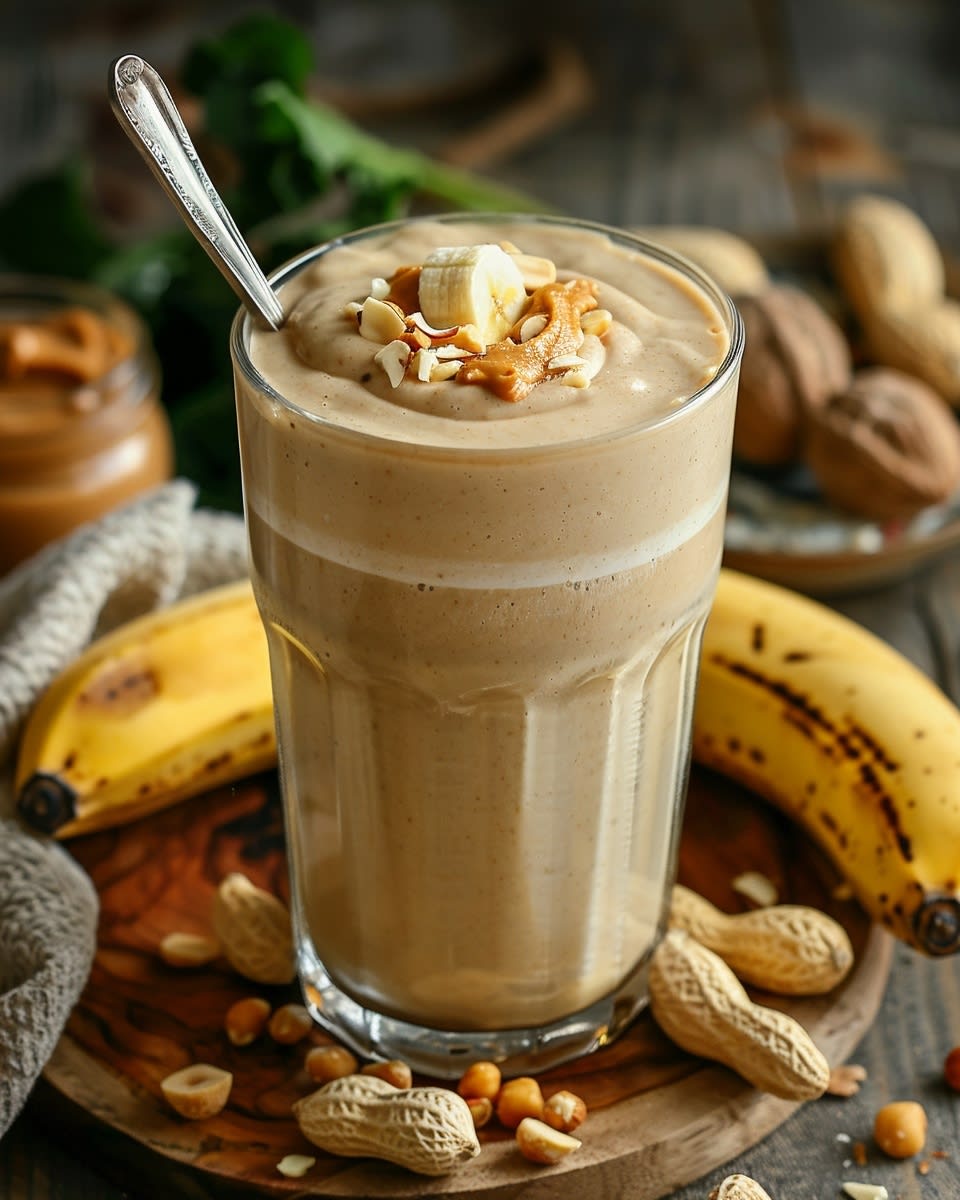
My Morning Ritual That Changed Everything
Last Tuesday morning, I stumbled into my kitchen at 6 AM with barely one eye open. I had a client meeting in an hour and zero appetite for a full breakfast. That’s when I remembered the frozen banana sitting in my freezer and the jar of peanut butter in my pantry. Twenty seconds of blending later, I had the most satisfying breakfast I’d had in weeks. That peanut butter banana protein smoothie not only woke me up but kept me full until lunchtime.
Welcome to my kitchen! Today, I’m excited to share with you a recipe that’s not only delicious but also packed with nutrients. Let’s dive into making a peanut butter banana protein smoothie. This drink has become my go-to solution for busy mornings, post-workout fuel, and even those late-night cravings when I want something sweet but healthy.
This smoothie is perfect for those who love a blend of creamy, nutty, and sweet flavors. It’s a great way to start your day or refuel after a workout. I’ve made this recipe at least three times a week for the past six months, and I’m still not tired of it. The best part? You probably already have most of the ingredients in your kitchen right now.
Why Choose a Peanut Butter Banana Protein Smoothie?
A peanut butter banana protein smoothie is a fantastic choice for anyone looking for a healthy and satisfying drink. Let’s explore why this combination works so well. I’ve tried dozens of smoothie combinations over the years, but this one keeps me coming back for good reason.
It’s rich in protein, which helps in muscle recovery and keeps you feeling full longer. Plus, it’s a tasty treat that can be enjoyed any time of the day. My gym buddy Sarah drinks hers at 5 AM before morning yoga. My neighbor Tom makes one every afternoon as a snack. I love mine right after strength training.
The magic happens when you combine these simple ingredients. Bananas bring natural sweetness and a creamy texture when blended. They’re also loaded with potassium, which helps prevent muscle cramps. Peanut butter adds healthy fats and that rich, nutty flavor we all love. The protein powder turns this from a simple snack into a meal replacement that actually keeps you satisfied.
The Nutritional Powerhouse You Need
Let’s talk about what makes this peanut butter banana smoothie healthy. I’m not a nutritionist, but I’ve done my homework on this recipe because I drink it so often. Understanding the peanut butter banana protein smoothie calories helps you fit it into your daily eating plan.
A basic version of this smoothie typically contains between 300 to 400 calories. That number can change based on what you add or leave out. Here’s what you’re getting in each glass:
- Protein: Around 25 to 30 grams from the protein powder and peanut butter
- Healthy fats: About 12 to 15 grams from the peanut butter
- Carbohydrates: Roughly 35 to 45 grams, mainly from the banana
- Fiber: About 5 to 7 grams to keep your digestion happy
- Potassium: Over 400 mg from the banana alone
The protein content is what really sets this smoothie apart. I’ve tried many banana protein shake recipes, and this one delivers the most protein without tasting chalky or artificial. The peanut butter masks any weird protein powder flavor while adding its own nutritional benefits.
Perfect for Every Lifestyle and Goal
Is a peanut butter banana protein shake good for you? The short answer is yes, for most people. The longer answer depends on your personal health goals and needs. This smoothie works for so many different situations.
For weight loss, a peanut butter protein shake weight loss plan can actually work. The high protein and healthy fat content keeps you full for hours. I’ve watched friends skip their usual mid-morning snack after having this smoothie for breakfast. The key is portion control and not adding too many extras like honey or chocolate chips.
Are smoothies safe for people with diabetes? This is an important question. The natural sugars in bananas can raise blood sugar, so people with diabetes should be careful. You can use half a banana instead of a whole one. Adding more protein powder and peanut butter helps slow down sugar absorption. Always check with your doctor before making dietary changes.
Athletes and fitness enthusiasts love this drink. My running group swears by it for recovery. The combination of quick-digesting carbs from the banana and slower protein from the peanut butter gives your muscles what they need. I drink mine within 30 minutes after lifting weights.
Can banana shakes help with constipation? Yes, they can. Bananas contain fiber that supports healthy digestion. The liquid form makes it easier for your body to process. I add a tablespoon of ground flaxseed to mine for even more fiber.
Customizing Your Perfect Blend
One reason I love this recipe is how easy it is to change. You can create a vanilla peanut butter protein shake by using vanilla protein powder instead of chocolate. The vanilla brings out the banana flavor more. It tastes like a milkshake from my childhood.
Want to try a chocolate peanut butter protein shake no banana? Replace the banana with half an avocado for creaminess. Add cocoa powder or chocolate protein powder. You lose the natural sweetness, so you might need a little honey or dates. This version is lower in sugar but just as satisfying.
For a simple chocolate protein shake variation, I sometimes use chocolate protein powder with the banana and peanut butter. It tastes like a peanut butter cup in liquid form. My kids actually ask for this one as a dessert alternative.
The healthy peanut butter protein shake base can handle lots of add-ins. I throw in a handful of spinach sometimes. You can’t taste it at all, but you get extra vitamins. Greek yogurt makes it even creamier and adds more protein. A dash of cinnamon or vanilla extract elevates the whole flavor profile.
Special Considerations and Adaptations
What is the best smoothie for chemo patients? This question matters to me personally. My aunt went through chemotherapy last year. Her nutritionist recommended protein smoothies because they’re easy to digest when eating solid food feels hard. The peanut butter banana combination worked well for her because it didn’t upset her stomach. The protein helped her maintain muscle mass during treatment. Always consult with a medical team for specific dietary advice during cancer treatment.
For people with nut allergies, this recipe needs adjustment. Sunflower seed butter or tahini can replace peanut butter. The taste is different but still good. My friend’s daughter is allergic to peanuts, so we make hers with almond butter instead.
The beauty of this peanut butter banana smoothie recipe is its flexibility. You control every ingredient. You decide if it’s a 300-calorie snack or a 500-calorie meal replacement. You choose between chocolate or vanilla. You pick your protein powder brand. This freedom means you can make it work for your specific needs and preferences.
Ingredients and Nutritional Benefits
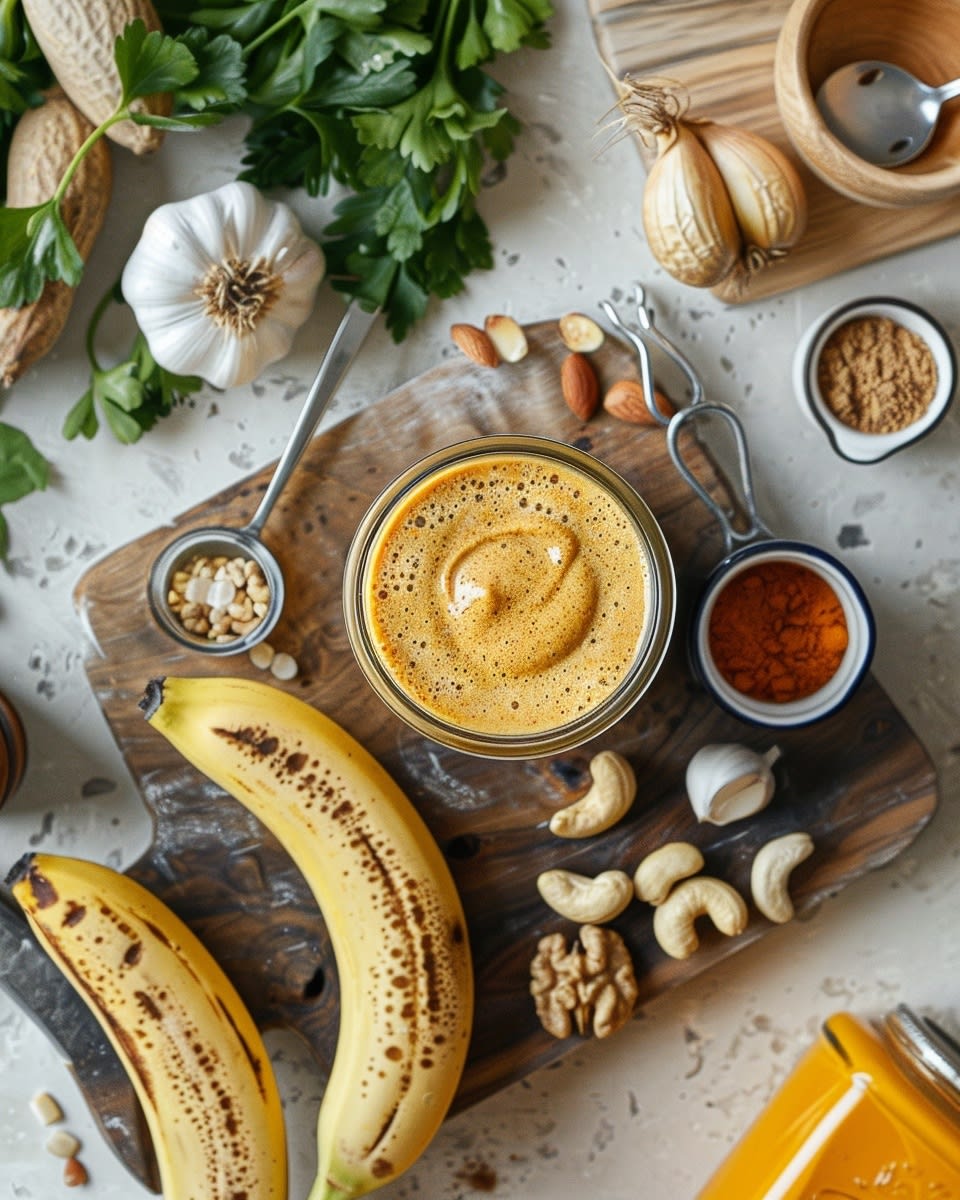
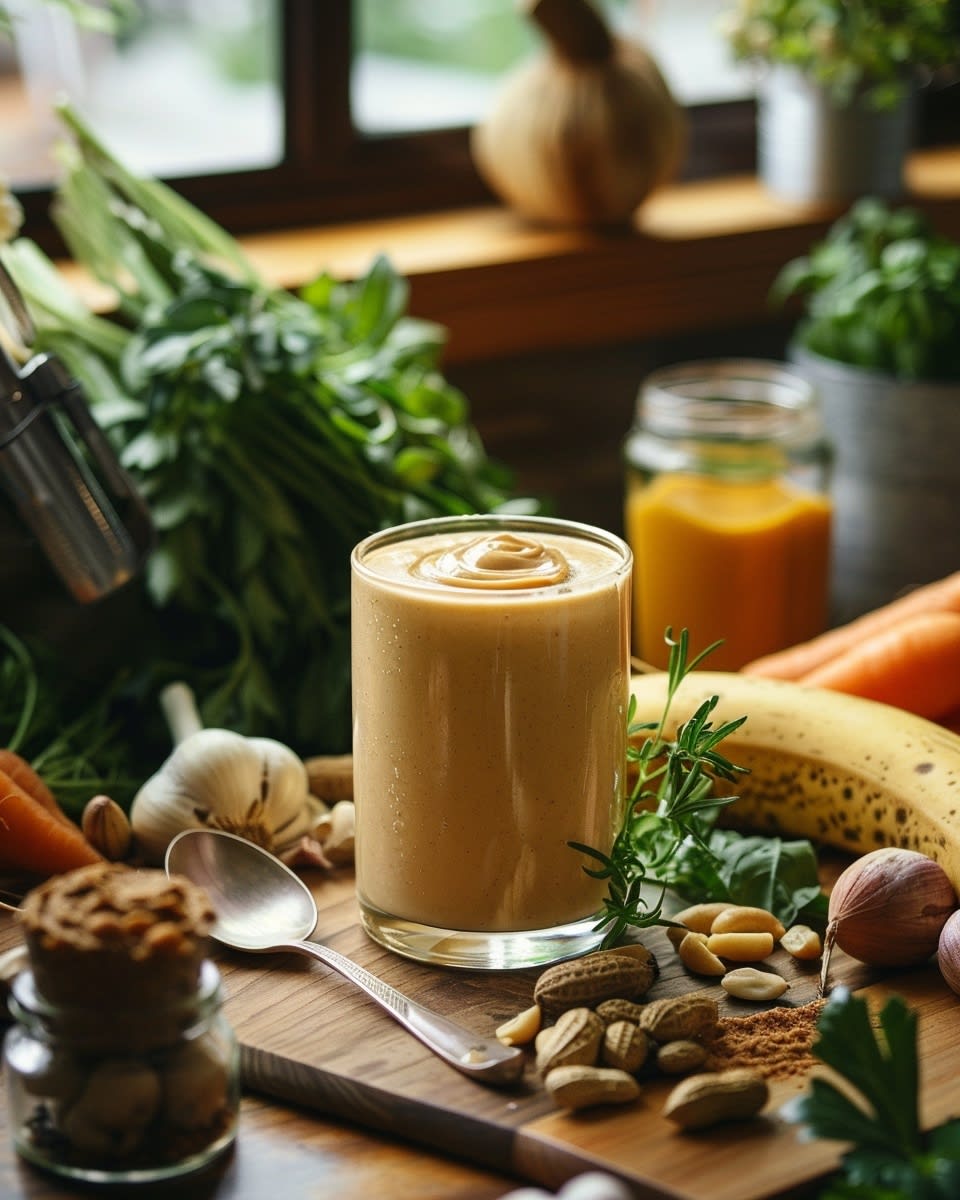
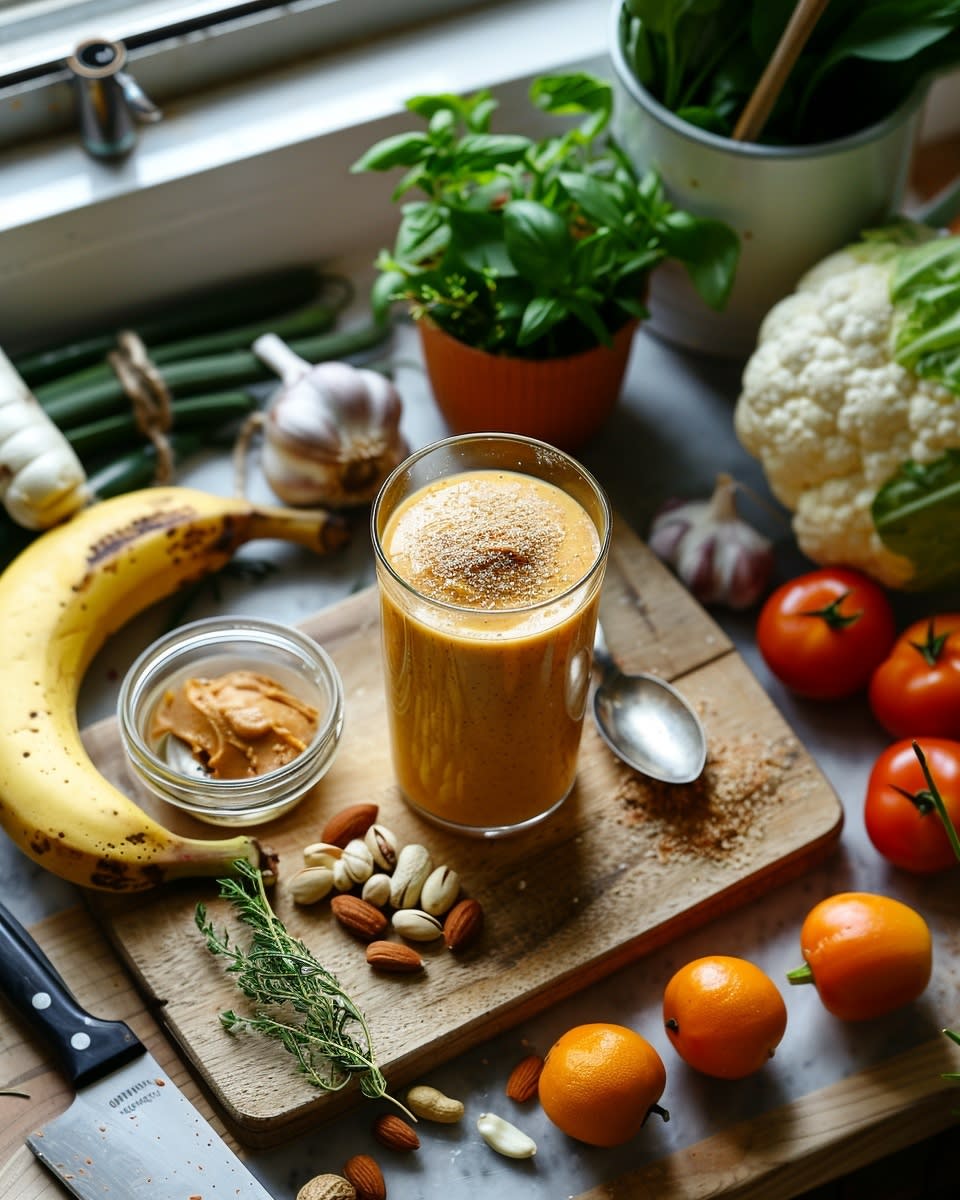
Now that you know why this smoothie works for so many different situations, let’s get into the actual ingredients. I keep all of these on hand constantly because I make this drink so often. The ingredient list is short, which makes shopping easy and keeps costs down.
First up is the banana. I always use frozen bananas because they make the smoothie thick and frosty without needing tons of ice. Fresh bananas work too, but the texture won’t be quite as satisfying. When my bananas start getting brown spots on the counter, I peel them, break them into chunks, and toss them in a freezer bag. This way, I never waste bananas and always have smoothie supplies ready.
The banana brings more than just sweetness to the party. You’re getting about 422 milligrams of potassium in one medium banana. That’s roughly 12 percent of what you need daily. Potassium helps your muscles work properly and keeps your heart rhythm steady. I noticed fewer muscle cramps during my runs after I started drinking this smoothie regularly. Bananas also contain about 3 grams of fiber, which helps you feel full and supports healthy digestion. The natural sugars give you quick energy without the crash that comes from processed sweets.
Next comes the peanut butter, which is honestly my favorite ingredient. I use natural peanut butter with just peanuts and maybe a little salt. The kind where the oil separates on top. Yes, you have to stir it, but the taste is so much better than the processed versions with added sugar and oils. Two tablespoons of natural peanut butter gives you about 8 grams of protein and 16 grams of fat. Don’t let that fat number scare you though. These are mostly monounsaturated and polyunsaturated fats, the heart-healthy kinds that actually help lower bad cholesterol.
Here’s the thing about peanut butter in smoothies. It adds this incredible richness that makes the whole drink feel indulgent. My sister always says it tastes like dessert, not health food. The protein and fat also slow down how quickly your body absorbs the banana’s sugars. This means more stable energy levels instead of a spike and crash. If I make a banana smoothie without peanut butter, I’m hungry again in an hour. With peanut butter, I can go four or five hours easily.
The protein powder is where you can really customize things. I rotate between vanilla and chocolate depending on my mood. Vanilla protein powder creates a lighter, more subtle vanilla peanut butter protein shake that lets the banana flavor shine through. It reminds me of banana cream pie. Chocolate protein powder turns this into something that tastes like a candy bar. Both versions work great as a healthy peanut butter protein shake option.
When choosing protein powder, look at the ingredients list. I prefer ones with minimal additives. Whey protein works wonderfully if you’re okay with dairy. Plant-based options like pea protein or brown rice protein are excellent alternatives. The protein powder adds anywhere from 20 to 25 grams of protein per scoop, which is what transforms this from a snack into a legitimate meal replacement. This high protein content is why many people use this as a peanut butter protein shake weight loss tool.
For the liquid base, I usually use unsweetened almond milk because it’s only 30 calories per cup. Regular milk works perfectly fine and adds more protein and calcium. Oat milk makes it extra creamy and slightly sweet. Sometimes when I want something really filling, similar to my blueberry cottage cheese breakfast bake, I’ll use whole milk for the extra calories and richness.
Optional add-ins can boost the nutrition even more. A handful of ice makes it thicker and colder, perfect for hot summer mornings. Greek yogurt adds probiotics and extra protein. When I’m feeling fancy, I throw in a tablespoon of chia seeds or ground flaxseed for omega-3 fatty acids and more fiber. A dash of cinnamon not only tastes amazing but may help regulate blood sugar levels. Vanilla extract intensifies the overall flavor without adding calories.
How to Make Your Peanut Butter Banana Protein Smoothie
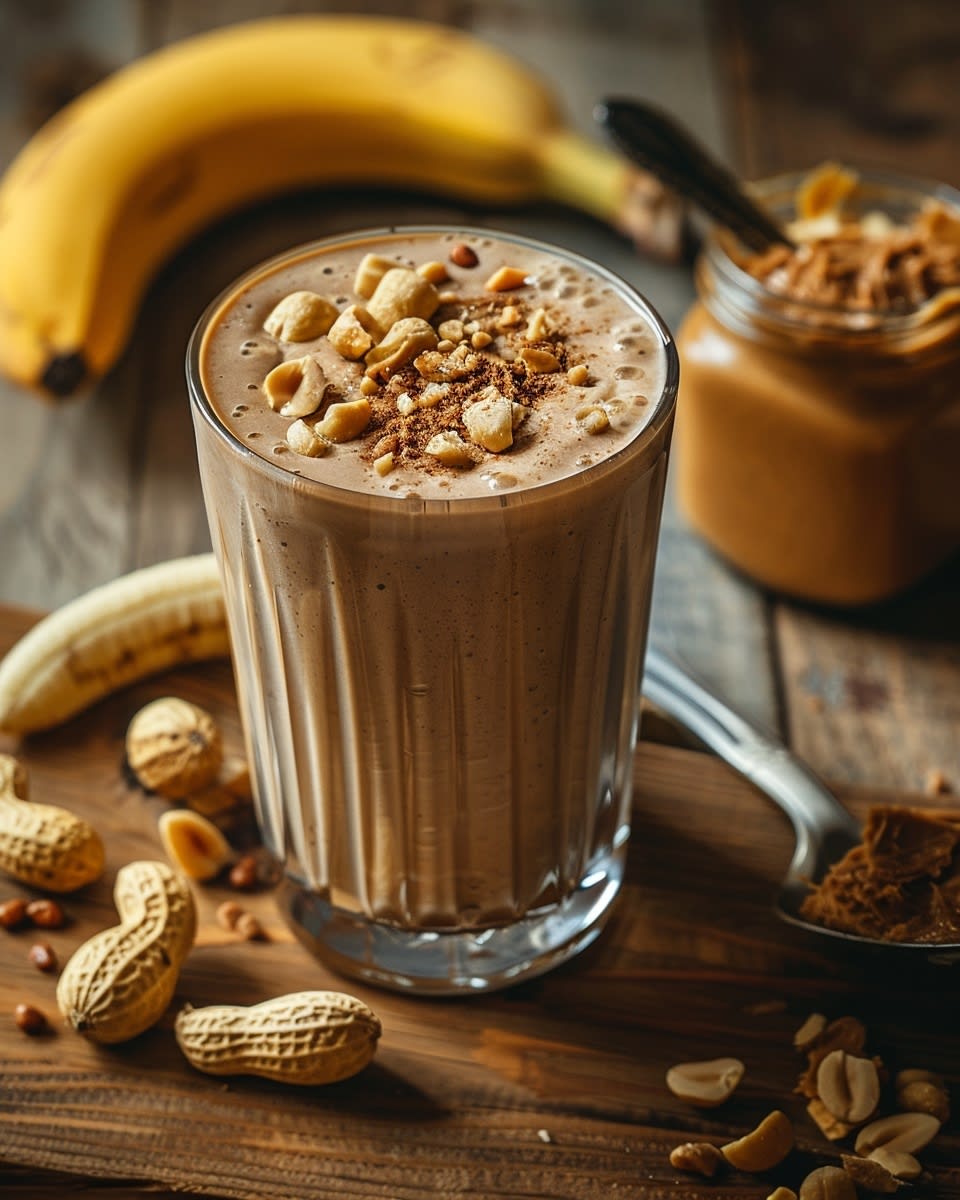
Making this smoothie is almost embarrassingly easy. Seriously, if you can push a button on a blender, you can make this. The whole process takes maybe two minutes from start to finish, which is why it works so well for rushed mornings when I barely have time to think, let alone cook something like my savory breakfast egg and potato skillet.
Start by adding your liquid to the blender first. I learned this trick the hard way after burning out a blender motor by putting frozen bananas at the bottom. Pour in about one cup of your chosen milk or water. If you want a thinner smoothie, use more liquid. For a thick, spoon-able consistency, use less.
Drop in one frozen banana that you’ve already broken into chunks. If you’re using a fresh banana, you’ll want to add several ice cubes later to get that thick, cold texture. The frozen banana method is just easier and gives better results every time.
Add two tablespoons of peanut butter. I usually just scoop it straight from the jar into the blender. Sometimes a little extra sneaks in there. I’m not mad about it. This amount gives you that perfect nutty flavor without overpowering everything else. If you’re really into peanut butter like I am, you can go up to three tablespoons, but know that you’re adding about 90 extra calories.
Throw in one scoop of your protein powder. Most scoops are around 30 grams, but check your specific brand. Some protein powders are naturally sweeter than others, so you might need to adjust for taste. I’ve found that chocolate protein powder needs no additional sweeteners, while vanilla sometimes benefits from a tiny drizzle of honey or a couple of pitted dates.
Now comes the actual blending. Start on low speed for a few seconds to get everything moving, then crank it up to high. Blend for 30 to 45 seconds until everything is completely smooth. You shouldn’t see any chunks of banana or streaks of peanut butter. The mixture should be uniform and creamy. If it’s too thick to blend properly, add a splash more liquid and blend again. Too thin? Add more ice or another half banana.
Funny enough, I’ve messed this up before by over-blending. If you blend for too long, the friction can actually warm up your smoothie. Nobody wants a warm smoothie, trust me. Stop blending as soon as it looks smooth.
The peanut butter banana protein smoothie calories for this basic recipe come to around 350 to 400 calories, depending on your exact measurements and ingredients. That’s a solid breakfast or post-workout meal. When I’m using it as a snack, I’ll make a half portion with half a banana and one tablespoon of peanut butter.
Here’s a customization tip that changed everything for me. Add a pinch of salt if your peanut butter is unsalted. That tiny bit of salt makes all the flavors pop and balances the sweetness. My husband thought I was crazy when I first did this, but now he won’t drink it without salt.
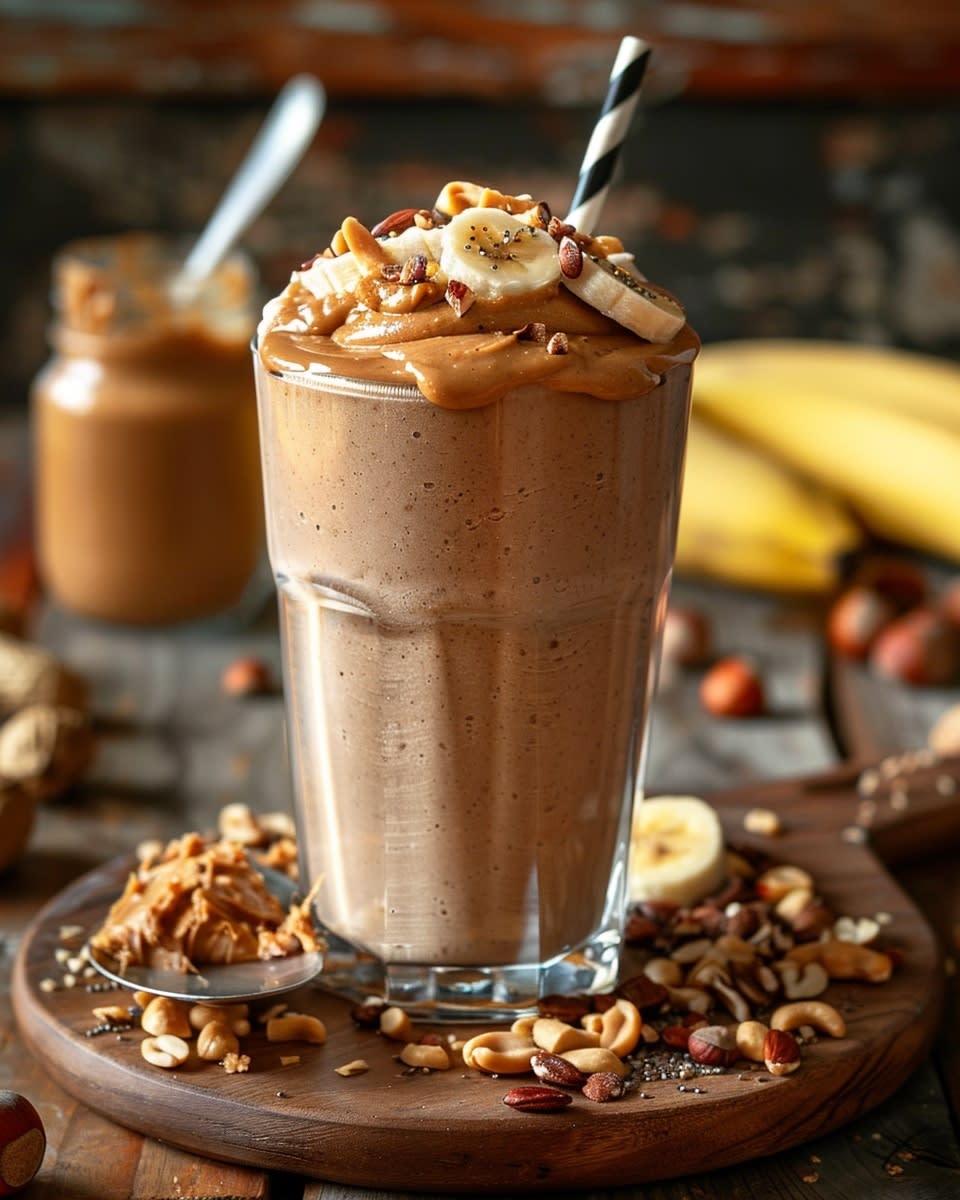
For texture variations, try this. If you want something more like a smoothie bowl that you eat with a spoon, use less liquid and add a frozen half avocado along with the banana. It becomes incredibly thick and creamy. I top mine with sliced bananas, a sprinkle of granola, and a few chocolate chips when I want something special, almost like transforming it into one of my Greek yogurt berry parfaits.
Want to prep ahead? I portion out individual bags with frozen banana chunks, a scoop of protein powder, and I write “add PB and milk” on the bag. In the morning, I just dump the bag contents into the blender, add the wet ingredients, and blend. This meal prep trick is similar to how I prep ingredients for my chocolate chip protein waffles.
The best part about this banana protein shake recipe is that it’s basically foolproof. You can eyeball the measurements after you’ve made it once or twice. Some mornings I add more banana. Other days I go heavy on the peanut butter. It always tastes good. That’s the magic of this combination. The flavors just work together no matter what.
One final tip for making the perfect peanut butter banana smoothie healthy: taste it before you pour it into your glass. If it needs something, now’s the time to fix it. Too thick? Add more liquid and blend for five seconds. Not sweet enough? Blend in a few drops of honey or maple syrup. Want it more peanut buttery? Add another half tablespoon. This quick taste test ensures you’ll love every sip.

Health Benefits and Considerations
Alright, let’s talk about the real health impact of drinking this smoothie regularly. I’ve been tracking how I feel after drinking mine for months now, and I’ve noticed some pretty significant changes that go beyond just not being hungry.
The combination of ingredients in this peanut butter banana smoothie healthy version works together in ways that surprised me. The protein from both the powder and peanut butter helps repair muscle tissue after workouts. I used to feel sore for days after leg day at the gym. Now, when I drink this within an hour of finishing my workout, I recover noticeably faster. My trainer explained that protein provides amino acids that literally rebuild torn muscle fibers. That’s not just gym talk, it’s actual science happening in your body.
Energy levels are another huge benefit I wasn’t expecting. Before I started making these smoothies, I relied on coffee and more coffee to get through my mornings. The banana’s natural sugars give you that quick energy boost, but the protein and healthy fats from peanut butter prevent the crash. It’s like getting on a smooth escalator instead of a jerky elevator. My energy stays consistent for hours instead of spiking and dropping.
The satiety factor is real too. When I drink one of these for breakfast around seven in the morning, I genuinely don’t think about food until noon or later. Compare that to when I used to eat a bagel or cereal. I’d be starving by ten o’clock and reaching for snacks. The combination of protein, fiber, and healthy fats signals to your brain that you’re actually full. This makes the peanut butter protein shake weight loss strategy work for so many people. You’re not white-knuckling through hunger. You’re just satisfied.
Here’s something interesting I learned from my doctor during my annual checkup. The potassium in bananas helps regulate blood pressure by balancing out sodium in your diet. Americans typically eat way too much sodium and not enough potassium. One smoothie gives you about 12 percent of your daily potassium needs. My blood pressure readings have improved since I started drinking these regularly. Could be coincidence, but my doctor seemed pleased.
The heart-healthy fats in peanut butter deserve more attention too. These monounsaturated and polyunsaturated fats actually help lower LDL cholesterol, the bad kind that clogs arteries. When you’re including these fats as part of a nutritious diet with plenty of whole foods, you’re doing your cardiovascular system a favor. My dad started drinking these after his cardiologist suggested more plant-based proteins and healthy fats. His cholesterol numbers improved within three months.
But let’s get into some specific situations where this smoothie really shines. During my aunt’s cancer treatment last year, eating solid food became incredibly difficult. Chemotherapy affected her appetite and made everything taste different. Her oncology nutritionist recommended protein smoothies as a way to maintain nutrition when nothing else appealed to her. The peanut butter banana protein smoothie became one of her go-to options because it was gentle on her stomach but packed enough calories and protein to prevent weight loss.
Chemo patients need easily digestible foods that provide maximum nutrition in small volumes. This smoothie checks all those boxes. The liquid form means less digestive work. The protein helps maintain muscle mass when the body is under stress. The calories support energy needs during treatment. My aunt would sometimes add a scoop of collagen powder for additional protein and to support tissue repair. She couldn’t always finish a whole serving, so she’d sip on it throughout the morning.
One thing her nutritionist emphasized was keeping everything cold. Cold foods and drinks tend to be more tolerable during chemo when taste and smell sensitivities are heightened. The frozen banana naturally makes this smoothie cold and refreshing. She also avoided adding any strong spices or flavors that might trigger nausea. The basic recipe with vanilla protein powder worked best for her.
Now about diabetes and smoothies. This is something I researched heavily because my mom is Type 2 diabetic and wanted to try my smoothie. The truth is, smoothies can absolutely work for people with diabetes, but you need to be smart about it. The natural sugars in a whole banana will raise blood sugar. That’s just fact. However, the protein and fat slow down how quickly those sugars enter your bloodstream.
My mom’s approach was to use only half a banana and increase the peanut butter to two and a half tablespoons. She also uses unsweetened almond milk and a protein powder with no added sugars. She tests her blood sugar before drinking it and then an hour later. Her numbers stay within her target range with this modified version. The key is monitoring and adjusting based on individual response. Every diabetic’s body reacts differently to carbohydrates.
Adding cinnamon helps too. Some research suggests cinnamon may improve insulin sensitivity. Whether that’s scientifically proven or not, it tastes good and doesn’t hurt. My mom also drinks her smoothie alongside a handful of raw almonds for even more protein and fat. Her endocrinologist approved this breakfast plan as long as she accounts for the carbohydrates in her daily totals.
The fiber content in this smoothie brings up another health benefit worth mentioning. Between the banana, peanut butter, and any seeds you might add, you’re getting a decent amount of fiber. This helps with digestive regularity. My friend Jake started drinking these when he was dealing with digestive issues. The soluble fiber in bananas absorbs water and adds bulk to stool, which helps with constipation. The healthy fats also help things move along smoothly, if you know what I mean.
If constipation is a concern, you can boost the fiber content even more. I add a tablespoon of ground flaxseed to mine sometimes. That adds about 2 grams of fiber plus omega-3 fatty acids. Chia seeds work great too. Just remember to drink plenty of water throughout the day when you’re increasing fiber intake. Fiber needs water to do its job properly.
Here’s a consideration that doesn’t get talked about enough: mental health benefits. I’m not claiming this smoothie cures depression or anxiety, but good nutrition supports brain function. The B vitamins in bananas play a role in neurotransmitter production. The healthy fats in peanut butter are essential for brain cell structure. Stable blood sugar from the protein prevents those mood crashes that come with hunger. On days when I start with this smoothie, I just feel more balanced and focused.
By the way, this smoothie works brilliantly as a pre-bedtime snack if you’re trying to build muscle. The protein provides amino acids throughout the night while your body recovers and repairs. I know conventional wisdom says don’t eat before bed, but athletes and bodybuilders have been doing this for decades. The key is keeping it moderate in size. A half portion about an hour before bed won’t disrupt sleep but will fuel overnight muscle recovery.
For people dealing with food sensitivities or following specific diets, this recipe adapts easily. Vegan? Use plant-based protein powder and plant milk. Dairy-free? Already covered with almond milk. Gluten-free? No gluten in sight. Low-carb? Use half a banana and add MCT oil or avocado for more fats. The flexibility means almost anyone can make a version that fits their dietary needs.
One caution I should mention: if you have kidney issues, talk to your doctor before consuming high amounts of protein regularly. People with kidney disease need to monitor protein intake carefully. The same goes for people with high potassium levels. Too much potassium can be dangerous for certain medical conditions. Most healthy people don’t need to worry about this, but it’s worth mentioning.
The portion control aspect is something I had to learn myself. When something tastes this good, it’s tempting to make a giant blender full and drink the whole thing. But that can easily become 600 or 700 calories, which might not fit your goals. I use a 16-ounce cup as my standard serving size. That keeps the calories reasonable while still being satisfying. If I’m extra hungry after a long workout, I’ll make a bigger portion and account for it in my daily totals.
If you’re exploring more ways to fuel your mornings with protein-packed options, you might enjoy browsing through various breakfast and brunch recipes that offer different nutritional profiles and flavors to keep your routine interesting.
The bottom line is this: a peanut butter banana protein smoothie offers legitimate health benefits when made with quality ingredients and consumed as part of a balanced diet. It’s not a magic solution that fixes everything, but it’s a nutritious option that supports multiple health goals. Whether you’re trying to lose weight, build muscle, manage a health condition, or just eat better, this smoothie can fit into your plan.
Start with the basic recipe and adjust based on how your body responds. Pay attention to your energy levels, hunger cues, and how you feel throughout the day. That feedback will tell you if you need more protein, less banana, different timing, or any other tweaks. Your body is the best guide for what works for you specifically.
Frequently Asked Questions
Q: Is a peanut butter banana protein shake good for you?
A: Yes, absolutely! This smoothie provides high-quality protein for muscle maintenance and recovery, healthy fats that support heart and brain health, and natural carbohydrates for energy. The combination keeps you full for hours and provides essential nutrients like potassium, fiber, and B vitamins. For most people, it’s an excellent addition to a balanced eating plan. Just pay attention to portion sizes and adjust ingredients based on your specific health goals and calorie needs.
Q: How many calories are in a peanut butter banana protein smoothie?
A: A typical serving contains between 350 to 400 calories, depending on your specific ingredients and measurements. Using one frozen banana, two tablespoons of natural peanut butter, one scoop of protein powder, and a cup of unsweetened almond milk lands you in this range. You can reduce calories by using half a banana and one tablespoon of peanut butter, or increase them by adding Greek yogurt or using whole milk. The calorie content makes this smoothie work well as a meal replacement rather than just a small snack.
Q: What is the best smoothie for chemo patients?
A: A peanut butter banana protein smoothie can be excellent for chemo patients because it’s easy to digest, nutrient-dense, and gentle on the stomach. The smooth texture requires minimal digestive effort, while the protein helps maintain muscle mass during treatment. Keep it simple with vanilla protein powder and avoid strong flavors that might trigger nausea. Serve it cold, which tends to be more tolerable during treatment. Always consult with an oncology nutritionist to ensure the recipe fits individual dietary needs and treatment protocols.
Q: Are smoothies safe for people with diabetes?
A: Yes, smoothies can be safe for people with diabetes when made thoughtfully. The key is balancing carbohydrates with protein and healthy fats to prevent blood sugar spikes. Use half a banana instead of a whole one, increase the peanut butter slightly, and choose unsweetened milk and sugar-free protein powder. Monitor blood glucose levels to see how your body responds. Adding cinnamon may help with insulin sensitivity. Every person with diabetes responds differently to foods, so individual testing and adjustment is essential.
Q: Can banana shakes help with constipation?
A: Yes, bananas contain both soluble and insoluble fiber that supports healthy digestion and can help relieve constipation. One medium banana provides about 3 grams of fiber, which adds bulk to stool and promotes regular bowel movements. The liquid form of a smoothie also helps with hydration, which is crucial for digestive health. You can boost the fiber content by adding ground flaxseed or chia seeds to your smoothie. Just remember to drink plenty of water throughout the day when increasing fiber intake.
Q: Can I make this smoothie ahead of time?
A: You can prep ingredients ahead by portioning frozen banana chunks and protein powder into individual bags, but I don’t recommend making the actual blended smoothie more than a few hours in advance. The texture changes as it sits, and separation occurs. If you must prep ahead, blend it and store it in an airtight container in the fridge for up to 24 hours. Shake or stir well before drinking, as ingredients will separate. The best taste and texture always come from freshly blended smoothies.
Q: What’s the best time to drink a protein smoothie?
A: The best time depends on your goals. For breakfast, it provides sustained energy and prevents mid-morning hunger. Within 30 to 60 minutes after working out, it supports muscle recovery and replenishes energy stores. As an afternoon snack, it prevents energy crashes and curbs cravings before dinner. Some people even drink a smaller portion before bed to provide protein for overnight muscle repair. Listen to your body and notice when the smoothie serves you best based on your energy and hunger patterns.
Q: Can I use almond butter instead of peanut butter?
A: Absolutely! Almond butter works beautifully in this recipe and provides similar nutritional benefits with a slightly different flavor profile. It’s a great option for people who prefer the taste of almonds or need to avoid peanuts due to allergies. Almond butter contains slightly more fiber and vitamin E than peanut butter, while peanut butter has a bit more protein. Cashew butter, sunflower seed butter, and tahini are also excellent alternatives. The recipe is flexible enough to work with whatever nut or seed butter you prefer.
Q: Will this smoothie help me lose weight?
A: This smoothie can support weight loss when used as part of a calorie-controlled diet. The high protein and healthy fat content keeps you full for hours, which helps reduce overall calorie intake by preventing snacking and overeating at later meals. Many people successfully use it as a meal replacement for breakfast or lunch. However, weight loss ultimately comes down to consuming fewer calories than you burn. This smoothie helps by making that calorie deficit easier to maintain because you feel satisfied rather than deprived.
Q: Do I need to use protein powder, or can I skip it?
A: You can absolutely skip the protein powder if you prefer, though the smoothie will contain significantly less protein. Without protein powder, you’ll get about 8 grams of protein from the peanut butter alone, compared to 28 to 33 grams with the powder included. To compensate, you could add Greek yogurt, cottage cheese, or extra peanut butter for more protein. The smoothie will still taste delicious without protein powder, but it won’t keep you as full or provide the same muscle-recovery benefits. Consider your goals when deciding whether to include it.
Making this smoothie part of your routine might just be the simple change that makes everything else easier. You’ll have energy for your day, nutrition your body needs, and one less decision to make during those rushed mornings. Give it a try tomorrow morning and see how you feel.
Ingredients
Equipment
Method
- Versez le lait dans le mélangeur.
- Ajoutez la banane congelée ou fraîche avec des glaçons.
- Ajoutez le beurre de cacahuète.
- Ajoutez la poudre protéinée.
- Mélangez à basse vitesse pendant quelques secondes, puis augmentez à vitesse élevée.
- Mélangez pendant 30 à 45 secondes jusqu'à obtenir une consistance lisse.
- Ajustez la consistance en ajoutant plus de liquide ou de glaçons si nécessaire.
- Goûtez et ajustez la douceur ou la saveur selon vos désirs.