
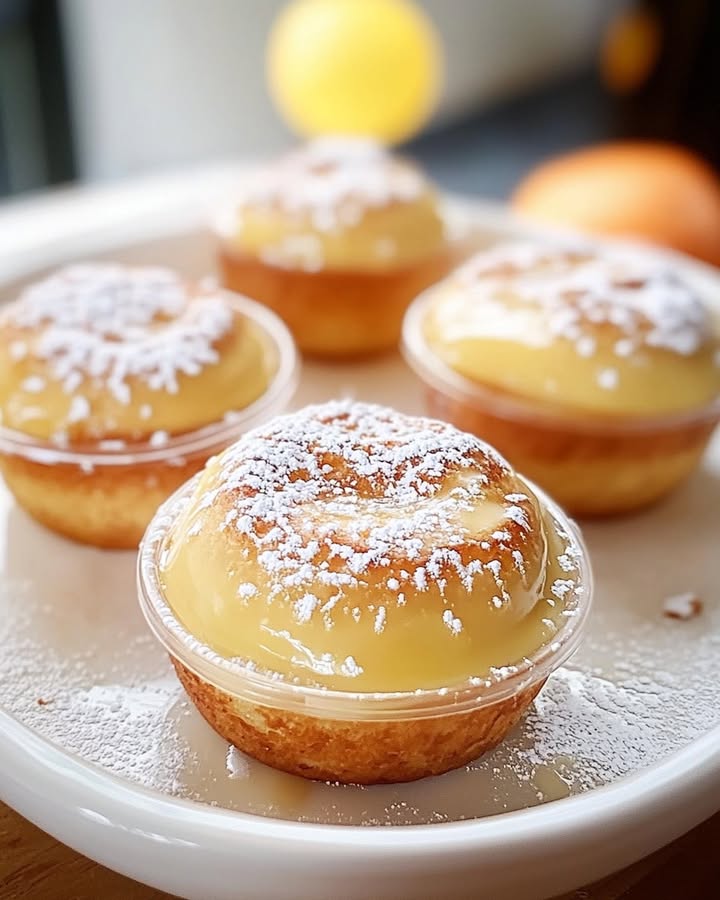
Délicieux Œufs au Lait Coco: The Silky Dream Dessert You Need
Have you ever had one of those desserts that feels like a gentle hug? I was looking for exactly that last Sunday. My family craved something sweet, but the store-bought puddings felt so ordinary. That’s when I remembered my grandmother’s classic ‘œufs au lait’, but with a tropical twist I’d been dreaming of: creamy coconut milk. The result was nothing short of magical—a silky, jiggly, and impossibly smooth custard that vanished in minutes. It’s the kind of simple elegance that makes everyone ask for the recipe. Let’s make this delightful treat together!
A Sweet Slice of History with a Tropical Twist
The classic ‘œufs au lait’ is a humble French dessert with roots in home kitchens, not fancy restaurants. Its name literally means “eggs in milk,” and for centuries, it has been a clever way to turn simple staples into a comforting sweet. It’s the custard cousin of the more famous crème caramel, but often simpler and without the caramel layer. My modern take swaps regular milk for rich coconut milk. This changes the game completely. It adds a wonderful, creamy flavor that feels both nostalgic and excitingly new. It’s a perfect example of how one small switch can bring a world of flavor to a timeless recipe.
Why You’ll Fall in Love with This Coconut Custard
You will adore this recipe for so many reasons! First, the texture is a dream—smooth as silk and wonderfully creamy. Second, it’s surprisingly easy. If you can whisk, you can make this dessert. Third, it’s incredibly versatile. Serve it plain for pure coconut bliss, or dress it up with mango, berries, or a drizzle of caramel. It’s also naturally gluten-free. Best of all, it needs to chill, which means you can make it ahead of time and be a stress-free hostess. It’s a guaranteed crowd-pleaser that looks far more impressive than the effort required.
Perfect Occasions for Your Coconut Custard
This dessert is your secret weapon for so many events! It’s elegant enough for a dinner party yet simple enough for a weeknight family treat. I love serving it at summer barbecues—the cool, creamy finish is perfect after grilled foods. It’s a star at potlucks because it travels well in its ramekins. Consider it for holiday meals as a lighter alternative to super-rich pies. I even make single servings in little jars for a special packed lunch surprise. Any time you want to offer a touch of homemade sweetness, these coconut custards are the answer.
Gathering Your Ingredients
Let’s gather our simple, beautiful ingredients. The magic is in their quality.
- 4 large eggs
- 400 ml (about 1 2/3 cups) full-fat coconut milk
- 100 g (about 1/2 cup) granulated sugar
- 1 vanilla bean pod
- A small pinch of fine sea salt
- Optional: Zest of one lemon or lime
Clever Substitutions for Your Pantry
No vanilla bean? No problem! Use 2 teaspoons of pure vanilla extract instead. For a less sweet version, you can reduce the sugar by a quarter. While full-fat coconut milk gives the richest texture, you can use light coconut milk for a slightly lighter result. The lemon zest is optional, but it adds a fantastic bright note that cuts through the richness beautifully. You can also use orange zest. If you need a dairy-free version, you’re already set—this recipe is naturally dairy-free when you use coconut milk!
Crafting Your Creamy Coconut Custard
Step 1: Gentle Beginnings with Heat
First, preheat your oven to 150°C (300°F). This low and slow temperature is the key to a smooth, bubble-free texture. It cooks the eggs gently so they don’t scramble. While the oven warms up, get out your ramekins and a deep baking dish for the water bath. This bit of prep makes the whole process flow smoothly. There’s no rush in custard-making. It’s a gentle, forgiving process. Pro tip: Place your ramekins in the empty baking dish now. It’s easier than moving them once they’re full of liquid.
Step 2: Whisking the Base
Take a large mixing bowl and crack in your four eggs. Give them a light whisk just until the yolks and whites are combined. You don’t want to whisk in too much air here. Now, pour in the cool coconut milk and sprinkle in the sugar. Whisk again until the sugar mostly dissolves and everything is a lovely, uniform pale color. The mixture will be beautifully thin and liquid at this stage—that’s exactly what you want.
Step 3: Infusing with Vanilla Magic
Here comes the flavor star! Take your vanilla bean and split it lengthwise with a small knife. Then, use the back of the knife to scrape out all the tiny, fragrant black seeds. Add both the seeds and the empty pod into your egg mixture. This infuses the custard with deep, aromatic vanilla flavor from the inside out. Don’t skip the pod! It continues to lend flavor during baking. Give everything another gentle stir.
Step 4: The Final Flavor Touches
Add that small pinch of salt. It’s a secret weapon that makes all the sweet flavors pop and taste more rounded. If you’re using citrus zest, add it now. The bright, fragrant zest will float on top and create little bursts of aroma. Whisk one last time to incorporate everything. Your custard base is ready! See how simple that was? Chef’s tip: For an ultra-smooth finish, you can strain the mixture through a fine-mesh sieve into a pouring jug. This catches any little bits of egg or zest.
Step 5: Preparing for the Bath
Carefully pour the custard mixture into your ramekins, dividing it evenly. You should get about 4-6 servings, depending on the size of your dishes. Now, place the baking dish with the filled ramequins on your oven rack. Then, using a kettle or a jug, pour hot (not boiling) water into the baking dish. Pour until the water comes about halfway up the sides of the ramekins. This water bath is non-negotiable. It creates a gentle, steamy environment for baking, ensuring your custards cook evenly and stay silky.
Step 6: The Patient Bake
Gently slide the baking dish into the preheated oven. Close the door and let the magic happen for 30 to 40 minutes. Don’t be tempted to open the oven door early! You’ll know they’re done when the edges are set but the very center still has a slight, graceful jiggle when you gently shake a ramekin. The custard will continue to set as it cools. If it looks completely firm in the oven, it might be overbaked and become rubbery.
Step 7: The All-Important Chill
Once baked, use tongs to carefully remove the ramekins from the hot water bath. Place them on a wire rack to cool to room temperature. This takes about an hour. Then, cover them with plastic wrap and refrigerate for at least 2 hours, but ideally overnight. This chilling time is when the flavors truly meld and the texture becomes perfectly firm and cool. Patience is your friend here!
Timing Your Dessert Masterpiece
This dessert is all about planning ahead. The active prep time is just 15 minutes. The baking time is about 40 minutes. The cooling and chilling time is the longest part—at least 3 hours, but overnight is best. So, the total time from start to serving is about 4 hours, with most of that being hands-off waiting. Perfect for making in the morning for an evening dessert!
Chef’s Secret for Ultimate Silkiness
My secret trick is all about the bake. I always use an oven thermometer to check my oven’s real temperature. Ovens can lie! Baking at a true, steady 150°C (300°F) is what guarantees that velvety, melt-in-your-mouth texture. If your oven runs hot, the eggs can curdle, leading to a grainy custard. Trust the low heat and the jiggle test for perfect results every single time.
A Fun Fact About Coconut Milk
That rich, creamy coconut milk we love? It’s not actually “milk” in the dairy sense. It’s made by grating the white flesh of a mature coconut, soaking it in hot water, and then straining it. The first press gives you thick, luxurious cream. The second press yields thinner “milk.” For this recipe, using the full-fat, first-press version in a can gives our custard that luxurious body and authentic tropical taste that makes it so special.
Your Simple Toolkit
You don’t need fancy gadgets for this recipe. Here’s what you’ll use:
- A large mixing bowl
- A whisk
- 4-6 oven-safe ramekins or small baking dishes
- A deep baking dish or roasting pan (for the water bath)
- A measuring jug
- A fine-mesh sieve (optional, but recommended for super smoothness)
Storing Your Coconut Custard Delights
Once your custards are fully chilled and set, they can live happily in the fridge. Simply keep them covered with plastic wrap or in an airtight container. This prevents them from absorbing any other refrigerator smells and keeps the top from drying out. They are best enjoyed within 3 days. The texture remains perfect, and the flavors continue to develop.
I do not recommend freezing these custards. The freezing process can cause the custard to separate and become watery when thawed. It changes the delicate emulsion, leading to a grainy texture. For the best experience, enjoy them fresh from the fridge during that 3-day window. They are so delicious, they rarely last that long anyway!
If you need to make them further in advance, you can prepare the custard mixture up to a day ahead. Keep it covered in the mixing bowl in the refrigerator. Give it a good whisk before pouring it into the ramekins and baking. This is a fantastic time-saver for party planning.
Tips for Flawless Custard Every Time
- Temp your ingredients: Using coconut milk that’s at room temperature helps it mix smoothly with the eggs.
- Skim the foam: After whisking, use a spoon to skim off any bubbles on the surface of the mixture before baking for a mirror-smooth top.
- Hot water for the bath: Using hot tap water for the water bath helps the oven maintain its temperature, leading to more even cooking.
- Test for doneness: The jiggle is key. A slight wobble in the center means it’s done. A firm center means it’s overdone.
Presentation Ideas to Impress Your Guests
Presentation turns this simple dessert into a restaurant-worthy treat! Try these ideas:
- Top with fresh raspberries, mango cubes, or a twist of grilled pineapple.
- Drizzle with a simple caramel sauce, chocolate sauce, or a puree of passion fruit.
- Add a sprinkle of toasted coconut flakes or chopped pistachios for crunch.
- For a dinner party, serve them on a plate with a delicate cookie on the side.
- Garnish with a tiny, fresh mint leaf for a pop of color.
6 Delicious Variations to Try
Once you master the basic recipe, the flavor world is your oyster! Here are six fun twists:
- Chai-Spiced: Infuse the coconut milk with a chai tea bag while warming it gently. Remove the bag before mixing with eggs.
- Chocolate-Coconut: Whisk 2 tablespoons of unsweetened cocoa powder into the sugar before adding the wet ingredients.
- Matcha Green Tea: Add 1-2 teaspoons of high-quality matcha powder to the sugar and whisk thoroughly to remove lumps.
- Orange Blossom: Replace the vanilla with 1/2 teaspoon of orange blossom water. Top with pomegranate seeds.
- Ginger-Lime: Add 1 tablespoon of finely grated fresh ginger to the milk and strain it out. Use lime zest instead of lemon.
- Coffee-Infused: Stir 1 tablespoon of instant espresso powder into the coconut milk until fully dissolved before mixing.
Common Mistakes to Avoid for Perfect Custard
Mistake 1: Using a Too-Hot Oven
This is the biggest culprit for ruined custard. A high temperature makes the eggs cook too fast. They can curdle and separate, giving you a grainy, watery dessert instead of a smooth one. Always use a low oven (150°C/300°F). Use an oven thermometer to be sure. The gentle heat cooks the protein in the eggs slowly and evenly. This creates that perfect, silky-smooth texture we all love.
Mistake 2: Skipping the Water Bath
Baking the ramequins directly on the oven rack is a sure path to tough, rubbery custard. The direct, harsh heat scrambles the eggs. The water bath creates a gentle, humid environment. It acts like a buffer, distributing the heat evenly around the delicate custard. It’s not optional! Just be careful when moving the pan in and out of the oven. Use a baking dish with high sides to prevent sloshing.
Mistake 3: Overbaking the Custard
It’s easy to think the custard needs to be completely firm like a cake. But custard continues to cook and set as it cools. If you bake it until the center is totally firm in the oven, it will be overbaked and dense by the time it chills. The “jiggle test” is your best friend. At 30 minutes, gently shake a ramekin. The edges should be set, and the very center should have a slight, creamy wobble. It will firm up perfectly in the fridge.
Mistake 4: Not Straining the Mixture
Sometimes, little bits of egg white or the vanilla bean seeds can create tiny imperfections in your finished custard. For a truly restaurant-smooth, flawless texture, take an extra 30 seconds to strain the mixture through a fine-mesh sieve into your pouring jug. It catches any small bits and also helps pop any air bubbles you created while whisking. This simple step guarantees the most velvety result possible.
Your Coconut Custard Questions, Answered
Can I make this recipe in one large dish instead of ramekins?
Absolutely! You can pour the entire mixture into a single, deep pie dish or an 8-inch square baking dish. The key is to still use a water bath. The baking time will be longer—start checking at 45 minutes. Use the same jiggle test in the center. The larger dish means you lose the individual serving charm, but it’s perfect for family-style scooping.
My custard seems watery after chilling. What went wrong?
A watery texture usually means the custard was underbaked or the eggs didn’t set properly. Next time, bake a few minutes longer until the jiggle is very slight. Also, ensure you used large eggs, as they provide the right amount of protein for setting. Finally, make sure your fridge is cold enough (below 40°F) to set the custard fully. Chilling overnight often fixes a slightly underbaked texture.
Can I use vanilla extract instead of a vanilla bean?
Yes, of course! A real vanilla bean gives an incredible flavor, but pure vanilla extract is a great, convenient substitute. Use 2 teaspoons of good-quality pure vanilla extract. Add it in Step 2 when you mix the coconut milk and sugar. You won’t get the beautiful black speckles, but the flavor will still be wonderful.
Is there a way to tell if the eggs are still good before I bake?
It’s always smart to check! The simplest test is the float test. Fill a bowl with cold water and gently place your egg in it. A very fresh egg will lie flat on the bottom. An egg that’s a few weeks old will stand upright on the bottom. An egg that floats to the top is no longer fresh and should not be used. This is a quick, reliable trick before you start cooking.
Why did bubbles form on top during baking?
A few tiny bubbles are normal. But a foamy or bubbly surface often means the custard mixture was whisked too vigorously before baking, incorporating too much air. To avoid this, whisk gently just to combine. For an ultra-smooth top, let the mixed custard sit for 5 minutes, then skim off any foam with a spoon before pouring into ramekins. Straining also helps eliminate bubbles.
How far in advance can I make these?
You can make these custards up to 2 days in advance, which makes them perfect for entertaining. The flavor actually improves with a night in the fridge. Just be sure to cover them tightly with plastic wrap once they are completely cooled. Keep them refrigerated until you are ready to serve. Garnish with fruit or sauces just before serving.
Can I use light coconut milk?
You can, but the result will be less rich and creamy. Full-fat coconut milk gives the custard its luxurious, silky mouthfeel and holds the structure better. Light coconut milk has more water and less fat, which can lead to a slightly looser, less satisfying texture. For the best experience, I highly recommend sticking with full-fat coconut milk from a can.
What should I do with the leftover egg shells and vanilla pod?
Don’t just throw that vanilla pod away! After baking, rinse it off and let it dry completely. Then, bury it in a jar of sugar to make your own vanilla sugar—perfect for coffee or baking. Eggshells are great for your garden! Crush them up and sprinkle them around plants to add calcium to the soil and deter slugs.
The top of my custard cracked. Is it ruined?
Not at all! It’s still perfectly delicious to eat. Cracking usually happens from a slightly too-high oven temperature or from the custard baking a bit too long. The flavor is still wonderful. To hide it, simply add your toppings—some fruit, a dollop of whipped coconut cream, or a drizzle of sauce will cover it right up. It will taste just as amazing.
Is this dessert safe for people with dairy allergies?
Yes, it is naturally dairy-free as written, provided you use a certified dairy-free coconut milk. Always check the label on your coconut milk to ensure it doesn’t contain any milk-derived additives. This makes it a fantastic dessert option for friends or family who avoid dairy. Everyone gets to enjoy a creamy, indulgent treat!
Your New Go-To Dessert Awaits
And there you have it—the secret to the most delightfully creamy, dreamy coconut custard. It’s a recipe that proves fancy-feeling desserts don’t have to be complicated. With a few simple ingredients and a little patience, you can create pure magic in a ramekin. I hope this recipe brings as much joy to your table as it has to mine. It’s a little bowl of comfort, elegance, and tropical sunshine all in one. Now, go preheat that oven, and get ready for the compliments to roll in. Happy cooking, and even happier eating!
Creamy Cajun Skillet
Ingredients
Equipment
Method
- Preheat your oven to 150°C (300°F) and prepare ramekins for the water bath.
- In a large mixing bowl, whisk together the eggs until combined.
- Pour in the coconut milk and sprinkle in the sugar; whisk until mostly dissolved.
- Split the vanilla bean pod, scrape out the seeds, and add both seeds and pod to the mixture, stirring gently.
- Add a pinch of salt and optional citrus zest; whisk to incorporate.
- Pour the custard mixture evenly into the ramekins.
- In a deep baking dish, place the ramekins and fill with hot water halfway up the sides.
- Bake in the preheated oven for 30 to 40 minutes until the edges are set and the center jiggles slightly.
- Remove the ramekins from the water bath and let cool on a wire rack to room temperature.
- Cover with plastic wrap and refrigerate for at least 2 hours, preferably overnight.