
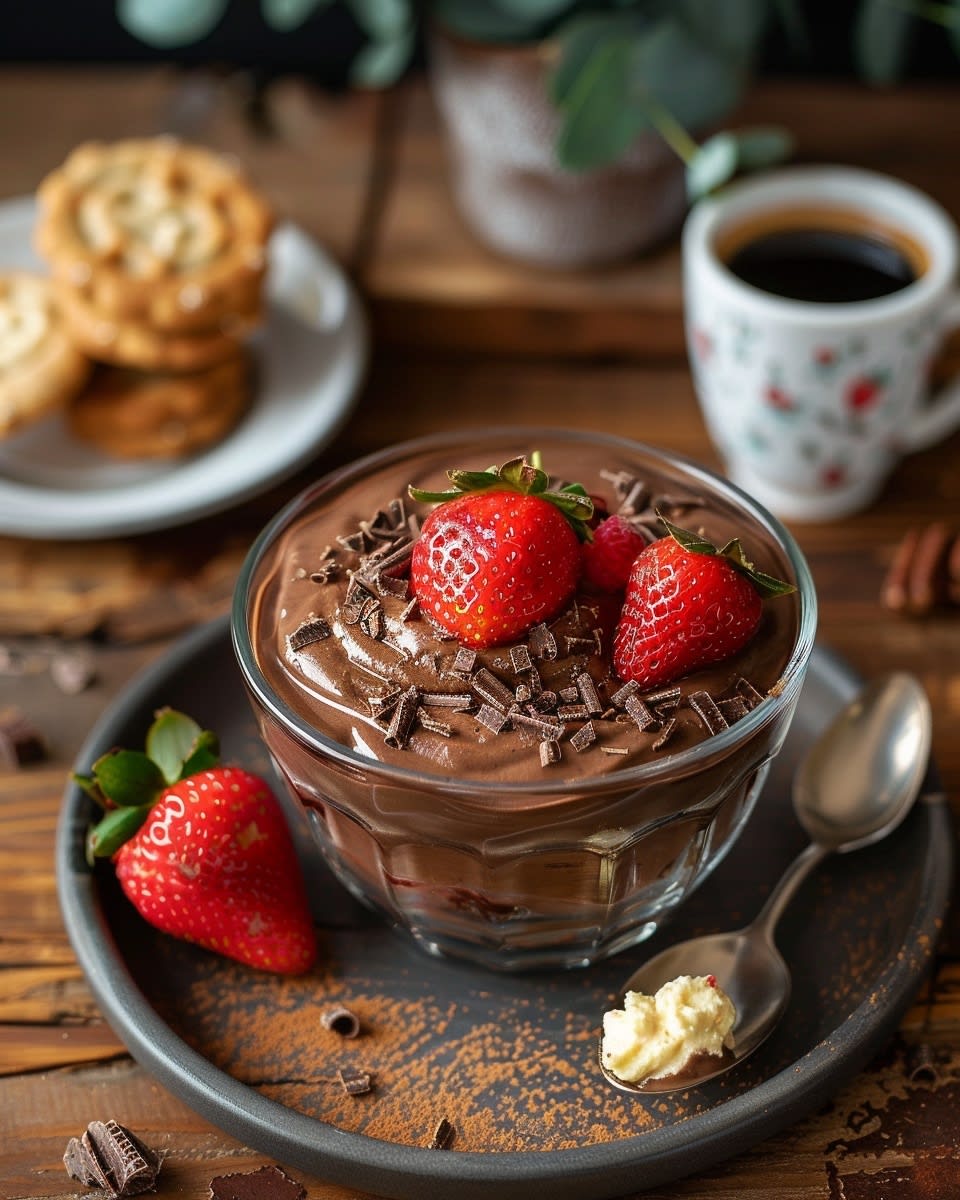
Discovering the Magic of Chocolate Cottage Cheese Mousse
I still remember the first time I tried chocolate cottage cheese mousse at a friend’s dinner party. I was skeptical. Cottage cheese in a dessert? The lumpy stuff I usually put on my toast? But one spoonful changed everything. The texture was silky and rich, the chocolate flavor deep and satisfying. I couldn’t believe something so decadent could actually be good for me.
If you’re tired of choosing between your health goals and your sweet tooth, I have great news. Chocolate cottage cheese mousse solves that problem beautifully. This dessert brings together the protein-packed benefits of cottage cheese with the irresistible taste of chocolate. The result is a treat that feels indulgent but won’t derail your nutrition plan.
What makes this cottage cheese chocolate dessert so special is how it transforms a simple ingredient into something truly luxurious. When you blend cottage cheese until smooth, it becomes incredibly creamy. Add chocolate and a few other ingredients, and you get a mousse that rivals any fancy restaurant version. The mild flavor of cottage cheese acts as a blank canvas, letting the chocolate shine while adding body and nutrition.
This dessert works for so many situations. Need a quick snack after a workout? The high protein content makes it perfect. Want to impress guests at a dinner party? The elegant presentation will wow them. Looking for something to satisfy late-night cravings without guilt? This mousse has you covered. It adapts to your needs and tastes, making it a staple recipe worth mastering.
Why Choose Chocolate Cottage Cheese Mousse?
Let me tell you why cottage cheese deserves a spot in your dessert rotation. Most people only think of it for savory dishes or boring diet meals. But cottage cheese brings something special to sweet treats that few other ingredients can match.
First, the protein content is impressive. A single cup of cottage cheese contains around 25 grams of protein. Compare that to traditional mousse made with heavy cream, which offers almost no protein at all. This means your chocolate cottage cheese mousse keeps you fuller longer and helps your muscles recover after exercise. I’ve started eating it as a pre-bedtime snack because the casein protein digests slowly overnight.
The texture surprised me most. When you blend cottage cheese properly, those curds disappear completely. You’re left with a smooth, creamy base that mimics expensive mascarpone or cream cheese. The neutral flavor profile means it takes on whatever taste you add. In this case, chocolate becomes the star while cottage cheese provides the perfect supporting role.
Cottage cheese also brings nutrition beyond protein. You get calcium for strong bones, B vitamins for energy, and beneficial probiotics for gut health. Traditional desserts can’t compete with that nutritional profile. You’re literally eating something that supports your health while satisfying your sweet cravings.
Now let’s talk about chocolate. The rich, slightly bitter notes of cocoa balance the mild tang of cottage cheese perfectly. I prefer using unsweetened cocoa powder because it gives me control over sweetness levels. Dark chocolate lovers can add cocoa nibs for extra crunch and antioxidants. Milk chocolate fans might prefer adding a small amount of chocolate chips or melted chocolate.
The beauty of this cottage cheese chocolate recipe is how the flavors develop. The chocolate doesn’t just sit on top of the cottage cheese taste. They blend together and create something new. The slight tang from the cottage cheese actually enhances the chocolate, making it taste richer and more complex. It’s similar to how salt makes chocolate taste better, but more subtle.
Making this dessert is ridiculously simple. You need a blender or food processor, cottage cheese, cocoa powder, and a sweetener. That’s the basic version. Blend everything until smooth, chill for an hour, and you’re done. The whole process takes less than ten minutes of active work.
I love how forgiving this recipe is for beginners. You can’t really mess it up. Blend too long? The mousse just gets smoother. Add too much cocoa? It becomes more intensely chocolate. Want it sweeter? Stir in more sweetener. The easy chocolate cottage cheese mousse adapts to your preferences and skill level.
Experienced cooks can get creative too. I’ve made versions with espresso powder for a mocha flavor. My sister adds peanut butter for a protein-packed twist. You can fold in whipped cream for an airier texture. Some people turn it into a cottage cheese chocolate ice cream by freezing the mixture. The possibilities keep the recipe interesting even after making it dozens of times.
The best chocolate cottage cheese mousse comes down to a few key factors. Start with full-fat cottage cheese if you want maximum creaminess. Low-fat versions work but create a slightly less rich texture. Blend longer than you think necessary to ensure no lumps remain. Chill the mousse before serving so the flavors meld and the texture firms up properly.
Quality cocoa powder makes a noticeable difference. Dutch-processed cocoa gives a smoother, less acidic flavor. Natural cocoa powder provides a more intense chocolate taste with slight fruitiness. I keep both types in my pantry and choose based on my mood. For a truly special occasion, I’ll add a tablespoon of melted dark chocolate to the blend.
This dessert fits multiple dietary preferences easily. It’s naturally gluten-free and vegetarian. You can make it sugar-free using stevia or monk fruit sweetener. Add plant-based protein powder for an extra nutrition boost. The cottage cheese and chocolate protein powder combination creates an excellent post-workout treat that tastes like dessert but functions like a protein shake.
I appreciate how this recipe saves money too. Traditional mousse requires heavy cream, eggs, and chocolate. Those ingredients add up quickly. Cottage cheese costs less and provides more nutrition. You get more servings per container, making it budget-friendly for families or meal preppers.
The versatility extends to serving options. Eat it straight from a bowl as chocolate cottage cheese pudding. Pipe it into fancy glasses for an elegant presentation. Use it as a filling for crepes or a topping for fruit. Spread it on toast for a protein-packed breakfast. Layer it with graham crackers for a whipped cottage cheese cheesecake effect. One recipe multiplies into countless applications.
Health-conscious people love this mousse because it removes the guilt from dessert time. You’re not compromising your goals or cheating on your nutrition plan. You’re eating real food that happens to taste like a treat. That mental shift makes a huge difference in maintaining a sustainable healthy lifestyle.


Essential Ingredients for Your Chocolate Cottage Cheese Mousse
Now that you understand why this dessert works so well, let’s get into your kitchen and actually make it. The ingredient list is refreshingly short, which means you probably have most of what you need already sitting in your fridge and pantry.
For a basic chocolate cottage cheese recipe, you’ll need cottage cheese as your base. I recommend starting with 16 ounces, which makes about four generous servings. Choose the fat percentage based on your goals. Full-fat creates the richest result that’s closest to traditional mousse. Low-fat or reduced-fat versions work perfectly fine but produce a slightly lighter texture. I’ve tried both and honestly enjoy them equally, just in different ways.
Your chocolate element comes next. Unsweetened cocoa powder gives you the most control, and I typically use about three to four tablespoons. This might sound like a lot, but cottage cheese is mild enough to handle bold chocolate flavor. If you prefer a more indulgent approach, you can use two ounces of melted dark chocolate instead. Milk chocolate works too, though you’ll want to reduce added sweetener since milk chocolate already contains sugar.
Speaking of sweeteners, this is where personal preference really matters. I bounce between honey, maple syrup, and monk fruit sweetener depending on what I’m craving. Start with two tablespoons of liquid sweetener or three tablespoons of granulated sweetener. You can always add more after tasting, but you can’t take it away. My mom taught me that lesson with dozens of over-sweetened desserts when I was learning to bake.
Vanilla extract adds depth to the chocolate flavor. One teaspoon does the trick. Real vanilla costs more but makes a noticeable difference if you’re serving this to guests. For everyday eating, imitation vanilla works just fine. A tiny pinch of salt, maybe an eighth of a teaspoon, enhances all the other flavors. This isn’t optional in my book, even though some recipes leave it out.
Optional ingredients can transform your basic cottage cheese mousse recipe into something more specialized. A tablespoon of espresso powder creates an incredible mocha version that tastes like expensive café desserts. Two tablespoons of peanut butter or almond butter adds richness and extra protein. If you’re making a cottage cheese and chocolate protein powder version, add one scoop of your favorite chocolate protein powder and reduce the cocoa powder to two tablespoons.
Step-by-Step Preparation Guide
The actual process couldn’t be simpler, but a few techniques make the difference between good mousse and absolutely perfect mousse. Here’s the thing: blending is everything. You’re transforming those cottage cheese curds into velvet, and that requires patience.
Start by adding your cottage cheese to a high-powered blender or food processor. I prefer my Vitamix because it pulverizes everything quickly, but I’ve made this successfully with a basic blender too. Blend the cottage cheese alone first for about 30 seconds. Stop and scrape down the sides, then blend for another 30 seconds. This pre-blending step ensures you won’t have any sneaky lumps hiding in your final product.
Now add your cocoa powder, sweetener, vanilla extract, and salt. Blend on high speed for at least one full minute. I know it seems excessive, but this extended blending is what creates that restaurant-quality smooth texture. Stop midway to scrape the sides again. Those ingredients love to stick to the container walls, and you want everything incorporated evenly.
Taste your mixture at this point. Go ahead, lick that spatula. Too bitter? Add more sweetener, one tablespoon at a time, blending briefly after each addition. Not chocolatey enough? Sprinkle in more cocoa powder, but go easy since cocoa can quickly become overwhelming. This tasting step is crucial because cottage cheese brands vary in their tanginess, and cocoa powders differ in intensity.
For an airier texture similar to a whipped cottage cheese cheesecake, try this trick I discovered accidentally. After your mousse is perfectly smooth, transfer it to a mixing bowl. Use a hand mixer to whip in about a half cup of heavy whipping cream that you’ve whipped to soft peaks separately. Fold gently until just combined. The result is lighter and fluffier, though it does add extra calories if that matters to you.
Transfer your mousse into individual serving dishes or one large bowl. Here’s where patience becomes important again. Cover with plastic wrap, pressing it directly onto the surface to prevent a skin from forming. Refrigerate for at least two hours, though overnight is even better. The chilling time allows flavors to meld together and the texture to firm up properly. I usually make mine in the morning so it’s ready for an afternoon snack or after-dinner dessert.
If you’re in a rush, you can eat it immediately. The flavor will be there, but the texture won’t be as luxurious. Think of it like cookie dough versus baked cookies. Both are good, but they’re different experiences. Similar to how no bake peanut butter oat bars need their setting time, this mousse benefits from patience.
Delicious Variations to Try
Once you’ve mastered the basic version, the fun really begins. I’ve probably made 20 different variations of this cottage cheese chocolate dessert over the past year, and each one brought something new to the table.
My current favorite involves adding a quarter cup of strong brewed coffee to the mixture before blending. The coffee doesn’t make it taste like coffee, exactly. Instead, it deepens and intensifies the chocolate flavor in this mysterious way that makes people ask what your secret ingredient is. I never tell them right away because I enjoy watching them guess.
For a fruity twist, blend in a quarter cup of raspberry preserves. The combination of chocolate and raspberry is classic for good reason. The tartness of raspberries cuts through the richness beautifully. Strawberry jam works too, though it’s sweeter and less tangy. Actually, if you love chocolate and strawberry combinations, you might also enjoy Dubai chocolate strawberry cups for a more elaborate presentation.
White chocolate lovers shouldn’t feel left out. Replace the cocoa powder with four ounces of melted white chocolate. Add a teaspoon of lemon zest for brightness, because white chocolate can be overwhelmingly sweet on its own. This creates a completely different dessert that’s perfect for summer gatherings. The cottage cheese tang balances white chocolate’s sweetness better than you’d expect.
Want to turn this into cottage cheese chocolate ice cream? After making your mousse, pour it into a freezer-safe container and freeze for at least four hours. Stir every 30 minutes for the first two hours to prevent ice crystals from forming. The result won’t be exactly like commercial ice cream since there’s no air churned in, but it’s incredibly satisfying on hot days. My kids devour this version faster than I can make it.
Texture variations change the whole experience too. Stir in a handful of mini chocolate chips after blending for little pockets of extra chocolate. Crushed Oreos add crunch and make it feel more indulgent. Chopped nuts like almonds, pecans, or hazelnuts provide healthy fats and interesting texture contrast. I particularly love adding chopped toasted almonds because they remind me of chocolate-covered almonds from the movie theater.
Creative Serving Ideas
Presentation transforms this simple dessert into something special. Even though the cottage cheese chocolate pudding tastes amazing from a regular bowl, putting effort into how you serve it makes the experience more memorable.
Individual glasses or mason jars create an elegant look with minimal effort. Layer your mousse with crumbled graham crackers and whipped cream for a deconstructed cheesecake effect. The layers look impressive when you can see them through clear glass. I bought a set of small dessert cups specifically for this purpose, and they’ve gotten more use than I expected.
Fresh berries are my go-to topping. Raspberries, strawberries, and blackberries all complement chocolate perfectly. The bright fruit color pops against the dark mousse, making everything look more appetizing. Sometimes I macerate the berries first by tossing them with a little sugar and letting them sit for 15 minutes. This draws out their juices and creates a natural sauce.
A drizzle of salted caramel sauce takes this dessert from healthy snack to legitimate dinner party finale. I know this adds sugar, but sometimes you’re not worried about that. The sweet-salty combination with chocolate is irresistible. Just warm your caramel slightly so it drizzles nicely rather than glopping out in chunks.
For a sophisticated touch, sprinkle flaky sea salt on top right before serving. Funny enough, I discovered this by accident when I mistook my salt container for sugar. The marriage of chocolate and sea salt has become trendy for good reason. The salt crystals provide little bursts of flavor that make the chocolate taste even more intense.
Shaved chocolate or chocolate curls add visual interest without much effort. Use a vegetable peeler on a chocolate bar to create delicate curls. This makes your mousse look professionally prepared. My dinner guests always comment on this detail, even though it takes about 30 seconds of work.
By the way, this mousse works beautifully as a filling for other cottage cheese dessert recipes. Spread it between layers of a simple cake, similar to how you might make a lemon blueberry yogurt cake but with chocolate mousse instead of frosting. Use it to fill crepes for an impressive brunch dish. Pipe it into pastry shells for quick chocolate tarts.
For breakfast, I sometimes spread this mousse on whole grain toast and top it with sliced bananas. The combination of carbs, protein, and healthy fats keeps me full all morning. It’s way more interesting than plain peanut butter, and the protein content is comparable. If you enjoy simple, wholesome breakfast ideas, you might like 3 ingredient banana oat cookies for another nutritious option.
Kids love getting creative with toppings. Set out small bowls of coconut flakes, crushed pretzels, sprinkles, mini marshmallows, and granola. Let them build their own dessert combinations. This makes it feel like a special treat rather than something healthy you’re making them eat. My nephew calls it “chocolate cloud building,” and now his friends request it at every playdate.
The easy chocolate cottage cheese mousse also works as a dip for fruit. Serve it in a bowl surrounded by strawberries, apple slices, and banana chunks. This turns dessert into a interactive experience that’s perfect for casual gatherings. People can control their portions and choose their favorite fruit pairings.


Understanding the Health Benefits and Nutritional Value
Let’s talk about what makes this dessert such a nutritional powerhouse. I’m not exaggerating when I say that cottage cheese chocolate dessert might be one of the smartest treats you can keep in your fridge. The numbers genuinely impressed me when I first calculated them, and understanding the nutritional profile helped me feel better about eating dessert regularly.
Cottage cheese brings serious nutrition to the table. That 16-ounce container we use for the basic recipe contains roughly 50 grams of protein. Split into four servings, each portion gives you about 12-13 grams of protein. Compare that to regular chocolate mousse, which typically has maybe 3-4 grams at most. This difference matters for anyone trying to build muscle, lose weight, or simply stay satisfied between meals.
The calcium content deserves attention too. A single serving of cottage cheese provides about 15% of your daily calcium needs. Your bones need this mineral constantly, not just when you’re young. I watched my aunt struggle with osteoporosis in her 60s, and it motivated me to pay more attention to calcium sources throughout the day. Getting it from a dessert feels like a bonus.
Here’s something interesting about the protein in cottage cheese specifically. It’s primarily casein, which digests slowly over several hours. This makes your chocolate cottage cheese mousse perfect for evening snacking. The slow-release protein keeps your muscles fed overnight while you sleep. Bodybuilders figured this out years ago, but the rest of us can benefit too. I sleep better when I’ve had some protein before bed, and this mousse makes that habit actually enjoyable.
Cottage cheese also provides B vitamins, particularly B12 and riboflavin. These vitamins help convert food into energy and support healthy brain function. According to nutrition experts who study micronutrient intake, getting B vitamins from whole food sources like dairy products offers better absorption than supplements alone. Your body recognizes and processes real food more efficiently.
Now about that chocolate component. Some people worry that adding cocoa powder somehow negates the health benefits. Actually, unsweetened cocoa brings its own nutritional advantages. It’s loaded with antioxidants called flavonoids that support heart health. Dark chocolate consumption has been linked to improved blood pressure and reduced inflammation in multiple studies. The key word is moderation, which this recipe naturally encourages.
The sweetener you choose impacts the nutritional profile significantly. Honey and maple syrup add natural sugars plus trace minerals. Stevia and monk fruit offer sweetness without calories or blood sugar spikes. I rotate between options depending on whether I’m being strict with calories or just want the best taste. Both approaches work fine as long as you’re honest with yourself about your goals.
Portion control becomes easier with this dessert because the protein content naturally satisfies you. Traditional mousses leave you wanting more because they’re mainly fat and sugar without much substance. This version actually fills you up. I’ve noticed I can eat a reasonable portion and feel completely satisfied, whereas with regular chocolate mousse I’d keep going back for seconds and thirds.
Here’s my practical approach to mindful eating with this mousse. I portion it into individual containers right after making it. This prevents me from standing at the fridge with a spoon, eating straight from the big bowl. When each serving sits in its own container, I’m more aware of how much I’m consuming. Plus, it makes grab-and-go snacking incredibly convenient.
The easy chocolate cottage cheese mousse fits beautifully into various eating patterns. Following a low-carb or keto diet? Use a zero-calorie sweetener and focus on full-fat cottage cheese. The macros work perfectly. Counting calories? One serving typically ranges from 120-180 calories depending on your ingredient choices. That’s remarkably low for something that tastes this indulgent. High-protein diet for fitness goals? This checks every box while satisfying sweet cravings.
I appreciate how this recipe demonstrates that healthy eating doesn’t require deprivation. For years, I bounced between strict dieting and complete abandonment of health goals. The restriction-binge cycle exhausted me mentally and physically. Finding recipes like this cottage cheese chocolate dessert changed my relationship with food. I can satisfy cravings without derailing progress or feeling guilty afterward.
The gut health benefits matter too, though people don’t always consider this aspect. Cottage cheese contains probiotics that support digestive health and immune function. These beneficial bacteria improve nutrient absorption and may even influence mood through the gut-brain connection. I’m not saying chocolate mousse will cure depression, but supporting your gut microbiome certainly doesn’t hurt.
For people managing their weight, the satiety factor cannot be overstated. The combination of protein, moderate fat, and the psychological satisfaction of eating chocolate creates lasting fullness. I’ve found this mousse keeps me satisfied for 3-4 hours easily. That’s longer than most snacks, even supposedly filling ones like protein bars that often leave me hungry again within an hour.
Blood sugar stability represents another advantage over traditional desserts. The protein and fat slow down sugar absorption, preventing the spike-and-crash cycle that leaves you craving more sweets. Even when I use honey as a sweetener, the blood sugar impact remains much gentler than eating candy or regular chocolate mousse. My energy stays more consistent rather than rocketing up and plummeting down.
The beauty of the best chocolate cottage cheese mousse lies in how it removes the false choice between health and enjoyment. We’ve been conditioned to think nutritious food must taste boring and delicious food must be unhealthy. This recipe proves that thinking wrong. You get genuine pleasure from eating it while supporting your health goals simultaneously.
One practical tip I’ve learned: prepare this mousse during weekend meal prep sessions. Having it ready throughout the week prevents evening snack disasters when willpower runs low. I’m far less likely to demolish a bag of cookies if I know there’s delicious chocolate mousse waiting in my fridge. Planning ahead removes the need for constant decision-making when you’re tired and hungry.
Think of this dessert as part of your overall nutrition strategy rather than a cheat or exception. It contributes meaningfully to your protein intake, provides calcium and other micronutrients, and keeps you satisfied. Those aren’t characteristics of junk food. This is real food that happens to taste like dessert, which makes it sustainable for long-term healthy eating patterns.
If you’re exploring more ways to enjoy desserts without compromising your health, there are plenty of creative dessert recipes that prioritize both nutrition and flavor. Building a collection of these recipes makes healthy eating feel less restrictive and more like an enjoyable lifestyle choice.
Frequently Asked Questions About Chocolate Cottage Cheese Mousse
How do I make the mousse extra creamy?
The secret to ultra-creamy mousse is extended blending time and starting with full-fat cottage cheese. Blend for at least two full minutes, stopping to scrape down the sides multiple times. If you want even more richness, add two tablespoons of heavy cream or Greek yogurt during blending. Some brands of cottage cheese blend smoother than others, so experiment to find your favorite. The longer you blend, the silkier the texture becomes, transforming those curds completely.
Can I use low-fat or non-fat cottage cheese?
Absolutely, though the texture will be slightly less rich than full-fat versions. Low-fat cottage cheese works really well and still creates a creamy mousse with excellent protein content. Non-fat cottage cheese produces a lighter result that some people actually prefer, especially if they’re watching calories closely. You might want to add a tablespoon of cream cheese or a splash of milk to improve creaminess when using non-fat varieties. The flavor remains delicious regardless of fat content, so choose based on your nutritional goals.
What are some good toppings for the mousse?
Fresh berries work beautifully because their tartness balances the chocolate sweetness perfectly. Chopped nuts like almonds, pecans, or walnuts add satisfying crunch and healthy fats. Whipped cream, coconut flakes, cacao nibs, or a drizzle of nut butter all enhance the dessert in different ways. For special occasions, try shaved dark chocolate, a sprinkle of espresso powder, or crushed cookies. I also love adding a dollop of Greek yogurt on top for extra protein and a tangy contrast.
Is this dessert suitable for people with lactose intolerance?
Cottage cheese actually contains less lactose than many other dairy products because much of it is removed during the cheese-making process. Some people with mild lactose intolerance can handle cottage cheese without issues. However, if you’re severely lactose intolerant, you might experience discomfort. Lactose-free cottage cheese exists and works perfectly in this recipe. Alternatively, some people tolerate cottage cheese better when they take lactase enzyme supplements beforehand. Always listen to your body and adjust accordingly.
How long does the mousse last in the refrigerator?
Properly stored in an airtight container, this mousse stays fresh for 4-5 days in the refrigerator. The texture might firm up slightly over time, which some people actually prefer. Always press plastic wrap directly onto the surface before sealing the container to prevent a skin from forming. If you notice any off smells or changes in color, discard it. I’ve found that making a batch on Sunday provides perfect portions throughout the workweek without any quality loss.
Can I freeze the mousse for later?
Yes, freezing works surprisingly well and creates a texture similar to ice cream. Transfer the mousse to a freezer-safe container and freeze for at least four hours. For best results, stir every 30 minutes during the first two hours to prevent large ice crystals from forming. The frozen version becomes firm and scoopable, perfect for hot summer days. It won’t have the exact texture of churned ice cream, but it’s incredibly satisfying as a frozen treat that you can enjoy straight from the freezer.
What type of cocoa powder works best?
Both natural and Dutch-processed cocoa powder work well, but they produce slightly different results. Dutch-processed cocoa creates a smoother, mellower chocolate flavor with less acidity. Natural cocoa powder provides a more intense, slightly fruity chocolate taste with brighter notes. I keep both types in my pantry and choose based on mood. For the richest flavor, use high-quality cocoa powder rather than cheap brands, as the difference is definitely noticeable in such a simple recipe.
Can I make this mousse without a blender?
It’s challenging but possible using a food processor or even a hand mixer with enough patience. A food processor works almost as well as a blender, though you might need to process it longer. With a hand mixer, you’ll need to start with small-curd cottage cheese and beat it extensively, which takes more time and effort. An immersion blender can work in a deep container if you blend carefully. The blender really is the easiest tool for achieving that perfectly smooth, lump-free texture we’re after.
What can I substitute for cocoa powder?
Melted chocolate works beautifully as a substitute, using about two ounces of dark or milk chocolate in place of cocoa powder. Chocolate protein powder creates a different flavor profile while boosting protein content even more. Carob powder offers a caffeine-free alternative with naturally sweet notes. You could also try adding a tablespoon of Nutella for a hazelnut-chocolate variation, though this increases sugar content. Each substitution creates a slightly different dessert, so have fun experimenting with flavors.
Why does my mousse taste too tangy?
Some cottage cheese brands have more pronounced tang than others due to different culturing processes. If your mousse tastes too tangy, add extra sweetener or a tablespoon of cream cheese to mellow the flavor. Longer blending time can also reduce perceived tanginess by creating a smoother texture. The chocolate flavor intensifies after chilling, which helps balance any tang. Next time, try a different cottage cheese brand, as they vary significantly in flavor profiles, and you might find one that suits your taste better.
Making this chocolate cottage cheese mousse opens up a world where dessert and nutrition coexist peacefully. You don’t need to choose between taking care of your body and enjoying life’s sweet moments. Give this recipe a try this weekend, and I think you’ll be surprised at how something so simple can taste so satisfying while actually supporting your health goals.
Ingredients
Equipment
Method
- Ajoutez le fromage cottage dans un mélangeur haute puissance ou un robot culinaire et mélangez pendant environ 30 secondes.
- Raclez les côtés du mélangeur et mélangez pendant encore 30 secondes.
- Ajoutez la poudre de cacao, l'édulcorant, l'extrait de vanille et le sel au fromage cottage. Mélangez à vitesse élevée pendant au moins une minute, en vous arrêtant pour gratter les côtés à mi-chemin.
- Goûtez le mélange et ajustez la douceur ou l'intensité du chocolat si nécessaire.
- Pour une texture plus légère, transférez la mousse dans un bol à mélanger et incorporez de la crème fouettée.
- Transférez la mousse dans des plats de service et couvrez avec du film plastique.
- Réfrigérez pendant au moins 2 heures pour permettre aux saveurs de se mêler et à la texture de se raffermir.