
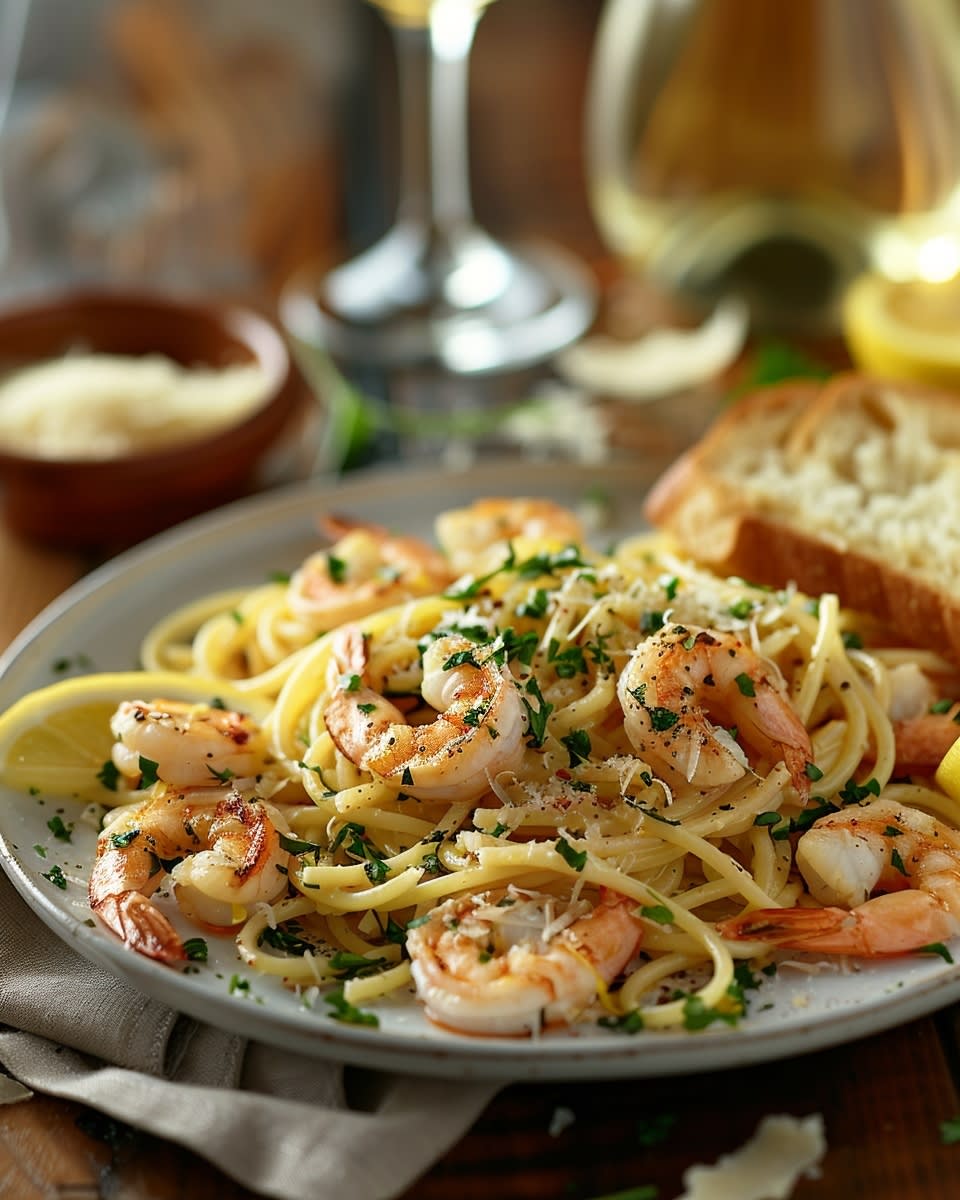
Lemon Butter Shrimp Pasta: A Quick and Delicious Dinner Recipe
Last Tuesday, I opened my fridge at 6 PM and found myself staring at a pound of shrimp and half a lemon. My kids were hungry, I was tired, and the thought of ordering takeout again made my wallet cry. That’s when I threw together this Lemon Butter Shrimp Pasta, and it was ready in less time than it would’ve taken for delivery to arrive. My ten-year-old asked for seconds. My picky eater scraped his plate clean. I knew I had a winner.
Welcome to my kitchen! I’m thrilled to share this recipe with you because it’s become my secret weapon for busy weeknights. This easy shrimp pasta requires basic ingredients you probably already have. No fancy chef skills needed. No complicated techniques. Just simple cooking that delivers restaurant-quality results right at your dinner table.
The beauty of this dish lies in its simplicity. You’re looking at about 20 minutes from start to finish. That’s faster than most frozen meals and a hundred times more delicious. The pasta cooks while you prep the shrimp. The sauce comes together in one pan. Everything meets up at the end for a glorious, lemony finale.
Why Lemon Butter Shrimp Pasta Works Every Time
This lemon shrimp pasta hits every note your taste buds are looking for. The butter creates a rich, silky base that coats each strand of pasta. The lemon cuts through that richness with bright, zesty flavor. The shrimp adds protein and a sweet, delicate taste that ties everything together.
I’ve made this recipe on regular Tuesdays when I needed something quick. I’ve also served it to dinner guests who thought I’d spent hours in the kitchen. The truth? It’s foolproof. The ingredients are forgiving. If you add a bit more lemon, great. Extra garlic? Even better. This is one of those shrimp pasta recipes easy enough for beginners but impressive enough for company.
What really makes this dish special is how the flavors build on each other. The butter melts into the hot pasta. The lemon juice mingles with the butter to create a light sauce. The shrimp releases its natural juices as it cooks. Everything combines into something greater than the sum of its parts.
You can easily turn this into a creamy lemon garlic shrimp pasta by adding a splash of heavy cream. Want more depth? Make it a lemon garlic shrimp pasta white wine version by deglazing the pan with a quarter cup of white wine. The base recipe is your canvas. Paint it however you like.
What Does Adding Lemon to Shrimp Do?
Here’s where the magic happens. Lemon does three important things for shrimp. First, it brightens the natural sweetness of the seafood. Shrimp can sometimes taste a bit flat on its own. The acid from lemon wakes up those flavors and makes them pop.
Second, lemon actually helps tenderize the shrimp. The citric acid breaks down proteins just enough to make each bite more tender. You’re not cooking the shrimp in lemon like ceviche. You’re just giving it a flavor boost that also improves texture.
Third, lemon cuts any fishy taste that sometimes comes with seafood. Fresh shrimp shouldn’t smell or taste fishy, but lemon acts as insurance. It keeps everything tasting clean and fresh.
I learned this trick from my grandmother who grew up on the coast. She squeezed lemon on everything from the ocean. “It makes the sea taste like sunshine,” she used to say. She was right. That bright, citrus note transforms simple shrimp into something memorable.
The combination works so well that you’ll find it in countless recipes. From garlic shrimp scampi pasta to grilled shrimp skewers, lemon is always nearby. It’s a classic pairing for good reason.
Can I Put Lemon on Buttered Shrimp?
Absolutely! In fact, butter and lemon are best friends in the kitchen. The richness of butter needs the brightness of lemon. The acidity of lemon needs the smoothness of butter. Together, they create a balanced sauce that’s neither too heavy nor too sharp.
When you add lemon juice to melted butter, something wonderful happens. The mixture emulsifies slightly, creating a sauce that clings to pasta and shrimp. It’s not as thick as a cream sauce, but it’s not watery either. It’s just right.
This is what makes lemon butter sauce so popular. It works with fish, chicken, vegetables, and of course, shrimp. The sauce is light enough for summer dinners but satisfying enough for cold winter nights.
Some cooks worry that lemon will make the butter separate or curdle. That doesn’t happen if you work with medium heat and keep things moving. The key is to add lemon juice after you’ve taken the pan off high heat. Let the butter melt, remove from heat, squeeze in your lemon, and swirl it around. Perfect every time.
What’s the Secret to Flavorful Shrimp Pasta?
After making this dish dozens of times, I’ve learned a few tricks that take it from good to incredible. The first secret is to not overcook the shrimp. They only need about 2-3 minutes per side. When they turn pink and form a C shape, they’re done. If they curl into an O shape, you’ve gone too far.
The second secret is to save some pasta water. That starchy water is liquid gold. It helps the sauce stick to the pasta and brings everything together. I always scoop out a cup before draining. You might not use it all, but having it on hand makes a huge difference.
Third, season at every step. Salt the pasta water generously. Season the shrimp before cooking. Taste the sauce and adjust. Layering seasoning creates depth that you can’t achieve by adding salt only at the end.
Fresh garlic matters too. Pre-minced garlic from a jar works in a pinch, but fresh garlic gives you that punch of flavor that makes this a true creamy garlic shrimp pasta (if you add cream) or keeps the garlic notes bright in the lighter version.
Quality ingredients make a difference here because there’s nowhere to hide. You’re working with simple flavors. Use good butter. Get fresh or properly frozen shrimp. Choose a pasta shape that holds sauce well. Linguine and fettuccine are my favorites, but spaghetti works great too.
Finally, finish with fresh herbs and a little lemon zest. The herbs add a pop of color and fresh flavor. The zest gives you lemon flavor without extra acidity. These final touches turn a simple dinner into something that looks and tastes special.
This recipe has saved me on countless busy evenings. It’s given me something delicious to serve unexpected guests. It’s become a regular request from my family. I hope it does the same for you. Whether you’re new to cooking or experienced in the kitchen, this Lemon Butter Shrimp Pasta deserves a spot in your regular dinner rotation.


Let’s Get Cooking: Everything You Need for Perfect Lemon Butter Shrimp Pasta
Now that you know why this dish works so well, let’s talk about what you actually need to make it happen. Here’s the thing—I keep most of these ingredients stocked in my kitchen because they’re useful for so many different meals. When I run out of shrimp, I just grab some from the freezer section on my weekly grocery run. The rest stays in my pantry and fridge, ready whenever inspiration strikes.
For the pasta itself, I usually reach for angel hair or linguine. Angel hair is delicate and cooks lightning-fast, which means dinner comes together even quicker. Linguine has a bit more heft and does an amazing job catching that butter sauce in its flat strands. Honestly though? Use whatever pasta shape makes you happy. I’ve made this with penne when that’s all I had, and nobody complained.
The shrimp count matters more than you might think. I go for large or extra-large shrimp, which means about 16-20 per pound. Those medium or small shrimp? They overcook in a blink and turn rubbery before you know it. Bigger shrimp give you more room for error, and they look more impressive on the plate. Buy them with shells on if you want maximum flavor, but peeled and deveined works perfectly fine for a busy weeknight.
Fresh garlic is non-negotiable for me. You need about four or five cloves, minced up nice and small. My kids used to complain when they’d bite into a big chunk of garlic, so now I mince it really fine. The garlic flavor spreads throughout the dish without anyone encountering a surprise garlic bomb. If you’re making this as a creamy lemon garlic shrimp pasta, that garlic becomes even more important because it’s one of the starring flavors.
Butter should be unsalted so you can control the seasoning yourself. I use about four tablespoons, though I’ve been known to add an extra pat at the end if I’m feeling indulgent. Real butter makes a difference here—those margarine spreads just don’t create the same rich, smooth sauce.
For the lemon, grab two medium-sized ones. You’ll need both the juice and the zest. I learned the hard way that those bottled lemon juices don’t give you the same bright flavor. Fresh is worth it. Plus, rolling the lemon on your counter with your palm before cutting it helps release more juice.
The white wine is optional but wonderful. A dry white wine like Pinot Grigio or Sauvignon Blanc adds depth and a subtle acidity that plays beautifully with the lemon. You don’t need anything fancy—whatever you’d actually drink works great. I always say cook with wine you’d pour in a glass. If it tastes awful in the glass, it’ll taste awful in your food.
Some people also like to add red pepper flakes for a little kick. My husband loves heat, so I usually throw in a pinch. If you’re craving something with more spice, you might also enjoy my spicy garlic chili oil noodles for those nights when you want pasta with serious heat.
Fresh parsley brightens everything up at the end. I keep it in a glass of water in my fridge like a little herb bouquet. It stays fresh for over a week that way, and I can snip off what I need without waste.
The Step-by-Step Process That Actually Works
Alright, let’s walk through this together like we’re cooking side by side in my kitchen. First thing—and I cannot stress this enough—get your pasta water boiling before you do anything else. Fill your largest pot about three-quarters full, stick it on high heat, and salt it generously. I’m talking a couple tablespoons of salt. The water should taste like the ocean. This is your only chance to season the pasta itself, so don’t be shy.
Once that water reaches a rolling boil, drop in your pasta. Set a timer for whatever the package says minus one minute. We’re going for al dente here because the pasta will finish cooking in the sauce. I learned this trick from watching way too many cooking shows, but it actually makes a difference. Nobody likes mushy pasta.
While the pasta bubbles away, pat your shrimp completely dry with paper towels. This is crucial. Wet shrimp steam instead of getting that nice golden color. Season them with salt and pepper on both sides. Sometimes I add a tiny pinch of paprika for color, but that’s totally optional.
Heat a large skillet over medium-high heat. And I mean large—you want room for the shrimp to have personal space. If they’re crowded, they won’t sear properly. Add two tablespoons of butter and let it melt until it’s foaming but not brown. That foam means the butter is at the perfect temperature.
Toss in your minced garlic and cook it for maybe thirty seconds. Just until you can smell it from across the kitchen. Garlic goes from perfect to burnt in about ten seconds, so watch it carefully. This is where that amazing aroma starts filling your house and everyone suddenly appears asking when dinner will be ready.
Add the shrimp in a single layer. Don’t touch them! Seriously, resist the urge to flip them around. Let them sit for about two minutes until the bottom turns pink and slightly golden. Flip each one and cook for another two minutes. They’ll curl into that C shape I mentioned earlier. When they look like that, remove them to a plate immediately. They’ll finish cooking later, and this prevents the dreaded rubber shrimp situation.
Funny enough, the pan looks a bit empty now, but that’s where the magic happens. Pour in about a quarter cup of white wine if you’re using it. The pan will sizzle and steam—that’s good! Use a wooden spoon to scrape up all those brown bits stuck to the bottom. Those bits are pure flavor. Let the wine simmer and reduce by about half. This takes maybe two minutes.
If you’re going the lemon garlic shrimp pasta white wine route, this step is where that depth comes from. The wine adds complexity that you just can’t get otherwise. But honestly, if you don’t have wine or don’t want to use it, just skip straight to adding the other butter.
Lower the heat to medium and add the remaining two tablespoons of butter. As it melts, squeeze in the juice from one and a half lemons. Watch it foam and bubble into a beautiful, glossy sauce. Add the zest from one lemon—just the yellow part, not the bitter white pith underneath. I use a microplane grater for this, but a regular fine grater works too.
By now your pasta should be done. Before draining it, scoop out a full cup of that starchy pasta water and set it aside. Drain the pasta and immediately add it to your skillet with the lemon butter sauce. Add the shrimp back in too. Toss everything together, adding splashes of that reserved pasta water until the sauce coats everything nicely. You might use half the cup, you might use all of it. Every batch is a little different.
If you want to make this a creamy lemon shrimp pasta, this is when you’d stir in about half a cup of heavy cream. It transforms the sauce into something luxurious and rich. I do this version when I’m trying to impress someone or when I just need comfort food. For more inspiration on creamy pasta dishes, my creamy garlic chicken pasta uses a similar technique with different protein.
Taste your pasta now and adjust the seasoning. Need more lemon? Squeeze a bit more. Could use salt? Add it. This is your dish—make it taste the way you want it to taste.
Quick Tips That Make All the Difference
Here’s something nobody told me when I first started making shrimp pasta: the type of pan matters. A stainless steel skillet gives you the best color on the shrimp and those delicious brown bits that flavor the sauce. Non-stick works in a pinch, but you won’t get quite the same depth of flavor.
Room temperature shrimp cook more evenly than cold-from-the-fridge shrimp. I take them out about fifteen minutes before I start cooking. Just don’t leave them sitting out for hours—seafood needs to stay cold until you’re ready to use it.
The pasta water trick I mentioned? That’s the secret ingredient in so many Italian dishes. The starch helps emulsify the sauce so it clings to every strand instead of pooling at the bottom of the bowl. I use this same trick in my one-pot tomato basil pasta because it works like magic every single time.
Sometimes I add a handful of baby spinach right at the end. It wilts in the hot pasta and adds color, nutrition, and a subtle veggie element that makes me feel slightly less guilty about all that butter. Cherry tomatoes work great too—just halve them and toss them in with the shrimp.
By the way, if you’re looking for more healthy shrimp pasta recipes, you can definitely lighten this up. Use olive oil instead of some of the butter. Skip the cream if you were planning to add it. Add more vegetables like zucchini or asparagus. The basic technique stays the same, but you end up with something a bit lighter.
When I want to make this feel extra special, I’ll grate fresh Parmesan over the top. I know, I know—cheese and seafood is supposedly a no-no in Italian cooking. But you know what? It tastes delicious, and this isn’t Italy. My kitchen, my rules. Though if you want a more traditional Italian-American experience, the creamy Cajun chicken Alfredo leans into that cheese-and-cream comfort without any seafood rules to worry about.
The whole dish from start to finish takes about twenty minutes if you’re moving at a normal pace. Maybe twenty-five if you’re chatting with family or sipping wine while you cook. That’s what I love about these shrimp pasta recipes easy enough to make on a random Tuesday but special enough for a date night at home.


Making This Lemon Butter Shrimp Pasta Your Own
Here’s what I love most about this recipe—it’s basically a blank canvas waiting for your personal touch. After you’ve nailed the basic version a few times, you start seeing all these possibilities. Last month, my sister came over and asked if I could make it dairy-free because she’s been avoiding lactose. I swapped the butter for a good olive oil and added extra garlic. Honestly? She liked it even better than the original. The olive oil gave it this peppery, fruity note that worked beautifully with the lemon.
If you’re leaning toward a lighter version, consider loading up on vegetables. I’ve tossed in everything from asparagus to bell peppers to mushrooms. Zucchini noodles mixed with regular pasta can stretch the dish and add nutrition without anyone noticing they’re eating healthier. Cherry tomatoes are my favorite addition though—they burst in the heat and create these little pockets of sweet, tangy juice throughout the pasta.
The Barefoot Contessa lemon shrimp pasta version inspired me to experiment with cream, which I mentioned earlier. Ina Garten adds just enough heavy cream to make the sauce cling without getting heavy. If you try that route, use about half a cup and add it right before the pasta goes in. The cream mellows the lemon’s brightness just slightly while creating this luxurious coating on every strand.
Speaking of variations, I’ve made a spicy version by adding a tablespoon of Calabrian chili paste. That smoky heat paired with the bright lemon creates something unexpectedly wonderful. My teenage daughter requests this version specifically now. She says the regular one is “too tame” for her taste, which makes me laugh because she used to eat only buttered noodles.
You can also play with different herbs. Basil instead of parsley gives it an almost summery, Mediterranean vibe. Dill works surprisingly well too, especially if you add some capers for a briny kick. I stumbled onto the dill combination by accident when I grabbed the wrong herb bunch at the store. Sometimes the best discoveries happen when you mess up.
For those following specific dietary approaches, incorporating fermented elements like a spoonful of Greek yogurt at the end can add tanginess while supporting your gut health with beneficial probiotics. The yogurt needs to go in off the heat so it doesn’t curdle, but it adds a creamy texture similar to sour cream.
Storage Tips and Meal Prep Wisdom
Real talk—this dish tastes best fresh from the pan. But life happens, and sometimes you need leftovers. I’ll be straight with you: reheated shrimp pasta never quite matches the original. The shrimp get a bit tougher, and the pasta can turn mushy. That said, I still eat leftovers regularly because even mediocre shrimp pasta beats a sad desk lunch.
If you know you’ll have leftovers, slightly undercook the pasta by an extra minute. Store everything in an airtight container in the fridge for up to two days. When reheating, add a splash of chicken broth or white wine to loosen up the sauce. Microwave in thirty-second bursts, stirring between each one. Or better yet, reheat gently in a skillet over low heat. Takes longer but gives better results.
Here’s a meal prep hack I use sometimes: cook the shrimp and make the sauce, but keep the pasta separate. Store them in different containers. When you’re ready to eat, boil fresh pasta and combine. Those extra few minutes are worth it for pasta that actually tastes good instead of gummy.
The sauce itself freezes surprisingly well without the shrimp or pasta. I’ll sometimes double the butter-lemon-garlic mixture and freeze half in ice cube trays. Pop out a couple cubes whenever I need a quick flavor boost for chicken, fish, or vegetables. It’s like having a shortcut to deliciousness hiding in your freezer.
Serving Suggestions That Actually Make Sense
This pasta works as a complete meal on its own, but sometimes you want to round things out. A simple arugula salad with lemon vinaigrette complements the dish without competing with it. The peppery arugula cuts through the butter, and the vinaigrette echoes the citrus notes in the pasta.
Garlic bread seems obvious, but hear me out—make garlic knots instead. They’re fun to eat and easier to share around the table. Plus, they soak up any extra sauce at the bottom of your bowl. I brush mine with the same butter and garlic I use in the pasta, which ties everything together nicely.
A crisp white wine matches beautifully here. I usually open whatever I used for cooking. Pinot Grigio, Sauvignon Blanc, or even a dry Riesling all work. If you don’t drink alcohol, sparkling water with a squeeze of lemon feels festive and refreshing alongside the rich pasta.
For family dinners, I sometimes set out grated Parmesan, red pepper flakes, extra lemon wedges, and fresh herbs so everyone can customize their bowl. My son dumps Parmesan on everything. My husband adds enough red pepper to make his eyes water. I squeeze extra lemon because I can never get enough of that bright flavor. Everyone gets exactly what they want.
Troubleshooting Common Issues
Let’s talk about what can go wrong, because it happens to everyone. The most common problem I hear about is watery sauce. This usually means you didn’t reduce the wine enough, or you added too much pasta water at once. Next time, be more conservative with the liquid additions. You can always add more, but you can’t take it away.
Rubbery shrimp is another frequent complaint. The solution is simple but requires discipline: take them off the heat earlier than feels right. They continue cooking from residual heat even after you remove them from the pan. When they’re barely pink and still slightly translucent in the center, pull them. They’ll finish cooking when you toss everything together at the end.
If your sauce separates and looks greasy rather than cohesive, you probably had the heat too high or didn’t emulsify properly. The starchy pasta water is your friend here. Add it slowly while whisking or stirring vigorously. The starch acts like glue, bringing the butter and lemon together into a smooth sauce.
Sometimes the lemon flavor gets lost, especially if you’re using older lemons or not enough of them. Don’t be afraid to add more at the end. Fresh lemon juice added right before serving brightens everything up. The zest matters too—it carries lemon oils that pure juice doesn’t have.
Bland pasta usually means you didn’t salt the pasta water enough. Remember, that water should taste like seawater. Most people under-salt by a lot. Also, taste and adjust at the end. Different brands of pasta absorb different amounts of seasoning.
Why This Recipe Deserves a Spot in Your Regular Rotation
By the way, I track what we eat for dinner in a little notebook because I’m that kind of person. Looking back over the past year, I’ve made this lemon butter shrimp pasta at least once a month. Sometimes twice. That’s more than almost any other recipe I cook regularly.
The reason it keeps showing up? It never feels boring. The variations keep it interesting. One week it’s the classic version. Next time I add cream. The week after that I throw in sun-dried tomatoes and olives for a Mediterranean twist. The foundation stays the same, but the experience changes.
It’s also become my go-to recipe when someone asks me what they should cook. New to cooking? Make this. Want to impress a date? Make this. Need something quick but don’t want to sacrifice flavor? You guessed it. The versatility combined with the reliability makes it genuinely useful in real life, not just pretty on Instagram.
I’ve taught this recipe to my college-age nephew who was living on ramen and frozen pizza. He called me after making it to say he felt like an actual adult for the first time. Cooking does that—it gives you confidence in a way that ordering takeout never will. If you’re exploring more dishes in this category, checking out other pasta and noodles recipes can expand your repertoire with the same approachable techniques that make this shrimp pasta work so well.
For anyone nervous about cooking seafood at home, this recipe is your training wheels. Shrimp are forgiving compared to fish fillets. They’re hard to mess up if you watch the timing. Once you’ve conquered shrimp pasta, you’ll feel ready to tackle other seafood dishes. It builds skills and confidence at the same time.
I hope this lemon butter shrimp pasta becomes as reliable for you as it’s been for me. Whether you stick to the classic version or venture into all the variations, you’re going to end up with something delicious. Trust yourself in the kitchen, taste as you go, and don’t stress about making it perfect. Some of my best dinners happened when I made mistakes and had to improvise. That’s not just cooking—that’s life.
Frequently Asked Questions About Lemon Butter Shrimp Pasta
What does adding lemon to shrimp do?
Lemon brightens the natural sweetness of shrimp while adding a fresh, zesty flavor that cuts through richness. The citric acid also helps tenderize the shrimp slightly, making each bite more delicate. Beyond flavor, lemon eliminates any potential fishy taste that sometimes comes with seafood. It’s a classic pairing that works in everything from pasta to grilled shrimp. The acid and seafood combination creates a clean, refreshing taste that feels lighter than it actually is.
What does lemon butter sauce go well with?
Lemon butter sauce is incredibly versatile and works beautifully with almost any protein or vegetable. I use it on chicken breasts, fish fillets, scallops, and of course shrimp. It’s fantastic drizzled over steamed asparagus, broccoli, or green beans. You can toss it with any pasta shape for a quick dinner. The sauce also works as a dip for crusty bread or a topping for baked potatoes. Basically, if it needs brightening up, lemon butter sauce will do the job.
Can I put lemon on buttered shrimp?
Absolutely, and you should! Lemon and butter are perfect partners that balance each other beautifully. The butter provides richness while the lemon cuts through that fat with acidity and brightness. Together they create a sauce that’s neither too heavy nor too sharp. The mixture emulsifies slightly when combined, creating a coating that clings to shrimp and pasta. This combination is the foundation of countless classic seafood dishes for good reason.
What’s the secret to flavorful shrimp pasta?
High-quality ingredients make the biggest difference since there’s nowhere to hide in simple recipes. Don’t overcook the shrimp—pull them when they just turn pink and form a C shape. Save pasta water and use it to bring the sauce together. Season at every step rather than just at the end. Use fresh garlic, real butter, and fresh lemon juice instead of bottled. These small details combine to create depth of flavor that elevates the entire dish.
Can I use frozen shrimp for this recipe?
Yes, frozen shrimp work perfectly fine and are often fresher than “fresh” shrimp at the grocery store. Just thaw them completely in the fridge overnight or under cold running water for quicker thawing. Pat them very dry with paper towels before cooking to ensure they sear properly instead of steaming. Frozen shrimp are flash-frozen right after being caught, which preserves their quality. I use frozen shrimp most of the time and get excellent results.
How do I keep the shrimp from getting rubbery?
The key is not to overcook them, which happens faster than you’d think. Cook shrimp for only 2-3 minutes per side over medium-high heat. Remove them from the pan as soon as they turn pink and curl into a C shape. They’ll continue cooking from residual heat even after you take them off the burner. If they curl into a tight O or circle, they’ve gone too far and will be tough. Patience and attention are your best tools here.
Can I make this recipe dairy-free?
Definitely—just replace the butter with a good quality olive oil or vegan butter substitute. Use about the same amount and follow the recipe as written. Olive oil actually adds a lovely fruity, peppery note that works beautifully with lemon and garlic. You might want to add an extra tablespoon since oil isn’t quite as rich as butter. The pasta will be lighter but still delicious. I’ve made this version several times for dairy-free friends with great success.
What pasta shape works best for lemon butter shrimp pasta?
Long, thin pastas like linguine, spaghetti, or angel hair work beautifully because they coat well with the sauce. Flat noodles like fettuccine are excellent too because they provide more surface area for the butter sauce to cling to. That said, I’ve used penne, rigatoni, and even farfalle when that’s what I had available. Any shape works as long as you save that pasta water to help the sauce come together. Choose what you enjoy eating most.
How can I make this recipe spicier?
Add red pepper flakes when you sauté the garlic—start with a quarter teaspoon and adjust to taste. Calabrian chili paste stirred in with the butter adds smoky, complex heat. Fresh jalapeños or serranos diced finely work if you want bright, fresh spice. Hot sauce at the end is the easiest adjustment and lets everyone customize their heat level. I keep red pepper flakes on the table so my husband can add more without making the whole dish too spicy for the kids.
What should I serve alongside this pasta?
A simple green salad with lemon vinaigrette complements the dish without competing for attention. Garlic bread or garlic knots are classic accompaniments that help soak up extra sauce. Roasted vegetables like asparagus, broccoli, or Brussels sprouts add nutrition and color to the plate. A crisp white wine or sparkling water with lemon makes it feel special. Honestly though, this pasta is substantial enough to stand alone as a complete meal if you’re keeping things simple.
Ingredients
Equipment
Method
- Faire bouillir une grande casserole d'eau salée pour les pâtes.
- Pendant que l'eau chauffe, sécher les crevettes et assaisonner de sel et de poivre.
- Dans une grande poêle, faire fondre 2 cuillères à soupe de beurre à feu moyen-vif.
- Ajouter l'ail émincé dans la poêle et cuire jusqu'à ce qu'il soit parfumé, environ 30 secondes.
- Ajouter les crevettes en une seule couche dans la poêle et cuire pendant 2-3 minutes de chaque côté jusqu'à ce qu'elles soient roses et enroulées en forme de C.
- Retirer les crevettes de la poêle et mettre de côté.
- Déglacer la poêle avec du vin blanc (si utilisé), en grattant les morceaux dorés et en laissant mijoter jusqu'à réduction de moitié.
- Diminuer le feu, ajouter le reste du beurre et presser le jus d'un citron et demi. Incorporer le zeste de citron.
- Vérifier les pâtes; lorsqu'elles sont al dente, prélever 1 tasse d'eau de cuisson des pâtes puis égoutter les pâtes.
- Ajouter les pâtes égouttées et les crevettes de retour dans la poêle. Mélanger pour combiner, en ajoutant de l'eau de cuisson réservée si nécessaire pour enrober.
- Ajuster l'assaisonnement avec plus de jus de citron, de sel ou de poivre selon le désir.
- Servir immédiatement, garni de persil frais et de flocons de piment rouge (optionnel).