
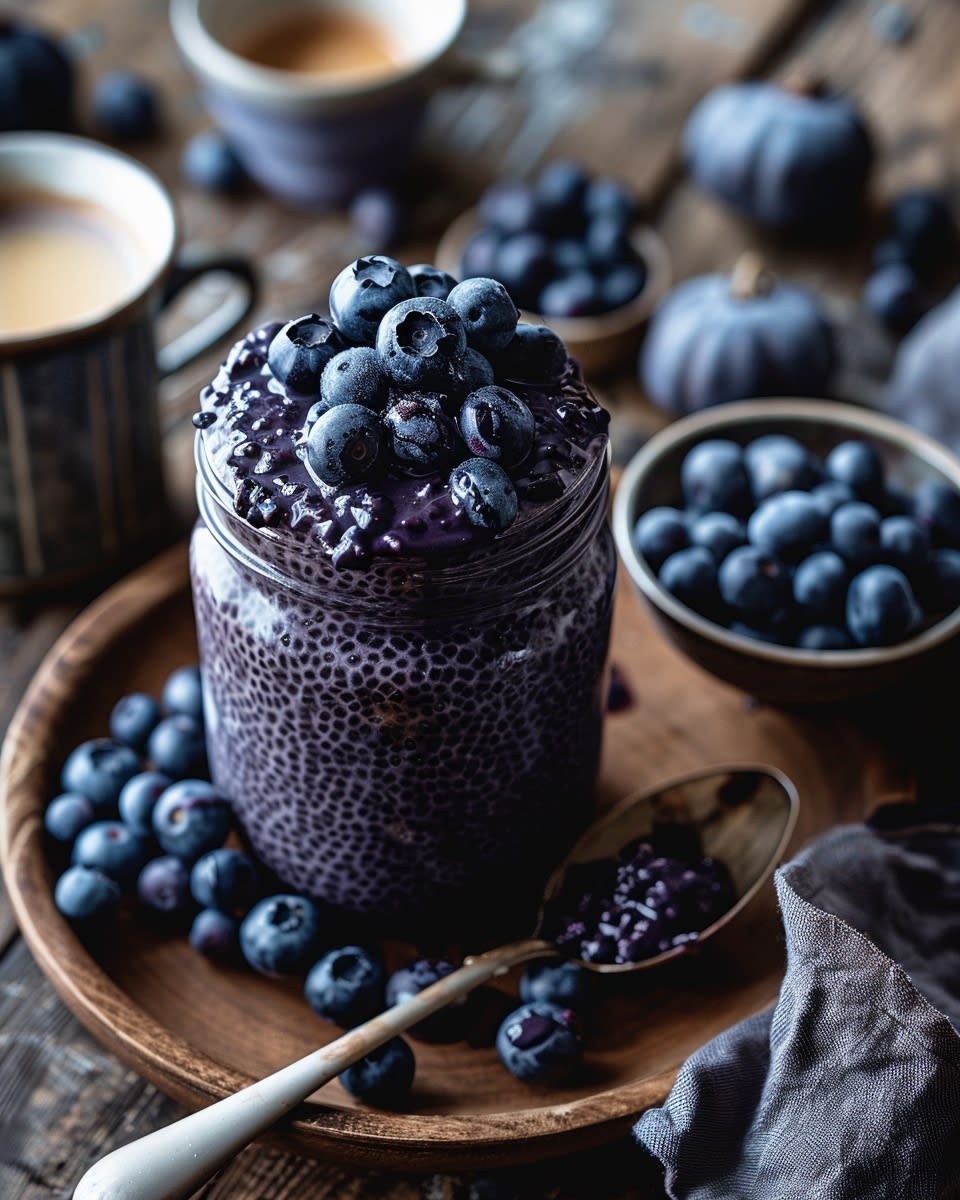
High Protein Blueberry Peanut Butter Chia Pudding
I’ll never forget the morning I discovered chia pudding could actually taste amazing. I was rushing to get out the door, grabbed a jar from my fridge, and took my first bite. The creamy texture, sweet blueberries, and rich peanut butter flavor stopped me in my tracks. This wasn’t just another healthy breakfast. This was something I actually wanted to eat.
That moment changed my morning routine forever. Now I make High Protein Blueberry Peanut Butter Chia Pudding almost every week. It’s become my go-to breakfast when I need something quick but filling. The best part? I prep it the night before and wake up to a ready-made meal that tastes like dessert but fuels me until lunch.
Let me share why this simple recipe has earned a permanent spot in my meal rotation. The combination of chia seeds, fresh blueberries, and creamy peanut butter creates more than just good flavor. You’re getting a powerhouse of nutrients that support your body in multiple ways. Chia seeds bring protein and fiber to keep you full. Blueberries pack in antioxidants that fight inflammation. Peanut butter adds healthy fats and extra protein to round out the meal.
I love that this pudding works for anyone trying to eat better without spending hours in the kitchen. You mix everything in a jar, let it sit overnight, and breakfast is done. No cooking required. No complicated steps. Just five minutes of effort for a breakfast that actually keeps you satisfied.
Why Choose High Protein Blueberry Peanut Butter Chia Pudding?
The nutritional profile of this pudding makes it stand out from typical breakfast options. Each serving delivers around 15-20 grams of protein depending on how you make it. That’s comparable to eating three eggs but without turning on the stove. The protein comes from both the chia seeds and peanut butter, creating a complete amino acid profile your body can use efficiently.
What really sold me on this recipe was how it fits my lifestyle. I don’t follow a strict diet, but I try to eat foods that make me feel good. This pudding checks every box. It gives me steady energy without the crash I get from sugary cereals. The fiber content keeps my digestion happy. And the healthy fats help my brain stay sharp during morning meetings.
This recipe works for almost any eating style you follow. If you’re vegan, you can use plant-based milk and protein powder. For those avoiding gluten, chia seeds are naturally gluten-free. People watching their sugar intake can control exactly how much sweetener goes in. I usually add just a touch of maple syrup or skip it entirely when my blueberries are super sweet.
The versatility makes it perfect for meal prep too. I make four jars on Sunday and have breakfast sorted through Thursday. Each jar stays fresh in the fridge and actually tastes better after the flavors blend together. My coworkers always ask what I’m eating when I bring it to the office. They can’t believe something so simple looks and tastes this good.
Beyond the convenience factor, the sustained energy this pudding provides changed how I approach my mornings. I used to hit a wall around 10 AM and reach for my third cup of coffee. Now I stay focused and energized until lunchtime. The combination of protein, fiber, and healthy fats creates a slow release of energy that keeps blood sugar stable.
Key Ingredients and Their Benefits
Chia seeds are the foundation of this recipe, and they bring serious nutritional value to the table. These tiny seeds contain about 5 grams of protein per ounce. They also deliver 10 grams of fiber, which is roughly one-third of your daily needs. When you mix chia seeds with liquid, they absorb up to 12 times their weight and create that signature pudding texture.
The omega-3 fatty acids in chia seeds deserve special attention. Most people don’t get enough omega-3s in their diet. These essential fats support heart health and reduce inflammation throughout your body. I notice my joints feel better on days I eat chia pudding compared to when I skip it. That might be partly in my head, but the science backs up the anti-inflammatory benefits.
Chia seeds also contain important minerals like calcium, magnesium, and phosphorus. One serving gives you 18% of your daily calcium needs. That’s particularly helpful if you don’t eat dairy or struggle to meet your calcium requirements. The magnesium supports muscle function and helps you sleep better at night.
Blueberries bring both flavor and serious health benefits to this pudding. These small berries rank among the highest antioxidant-containing foods you can eat. The antioxidants, particularly anthocyanins, give blueberries their deep blue color. They also protect your cells from damage caused by free radicals.
Research shows that eating blueberries regularly can improve memory and cognitive function. I find this especially relevant as someone who spends all day working on a computer. Any food that supports brain health gets my attention. The berries also contain vitamin C, vitamin K, and manganese. These nutrients support immune function and bone health.
I prefer using fresh blueberries when they’re in season, but frozen works just as well. Frozen berries are picked at peak ripeness and flash-frozen, which actually preserves their nutrients. They’re also available year-round and cost less than fresh during winter months. I keep a bag in my freezer so I never run out.
Peanut butter adds creamy richness and bumps up the protein content even more. Two tablespoons contain about 8 grams of protein and 16 grams of healthy fats. The fats are mostly monounsaturated and polyunsaturated, which support heart health when eaten in moderation.
The key with peanut butter is choosing the right kind. I always buy natural peanut butter with just two ingredients: peanuts and salt. Many commercial brands add sugar, hydrogenated oils, and preservatives you don’t need. Check the label before buying. If oil separates to the top, that’s actually a good sign. Just stir it back in.
Peanut butter also provides vitamin E, niacin, and folate. These B vitamins help convert food into energy your body can use. The vitamin E acts as an antioxidant and protects your cells. I appreciate how satisfying peanut butter makes this pudding. The combination of protein and fat keeps hunger at bay for hours.
If you have a peanut allergy, almond butter or cashew butter work as great substitutes. Each nut butter brings its own unique flavor profile. Almond butter tastes slightly sweeter and lighter. Cashew butter is super creamy and mild. I’ve tried this recipe with all three, and they all turn out delicious.
The magic happens when you combine these three ingredients. The chia seeds provide structure and protein. The blueberries add natural sweetness and antioxidants. The peanut butter creates richness and extra protein. Together, they make a complete breakfast that satisfies both your taste buds and nutritional needs.


How to Make High Protein Blueberry Peanut Butter Chia Pudding
Now that you understand what makes these ingredients so powerful, let me walk you through actually making this pudding. The process is almost embarrassingly simple. I remember the first time I told my friend about it, and she didn’t believe me when I said there was no cooking involved. She kept asking, “But when do you blend it? When does it go in the oven?” The answer is never.
Start by grabbing a mason jar or any container with a lid. I use 16-ounce mason jars because they’re the perfect size for one serving. Pour in one cup of your favorite milk. I typically use unsweetened almond milk because it keeps the calorie count lower, but whole milk makes it extra creamy if that’s your thing. Coconut milk gives it a tropical twist that pairs surprisingly well with the blueberries.
Next, add three tablespoons of chia seeds to the milk. This ratio gives you that perfect pudding consistency. Not too thick, not too runny. Just right. Then scoop in two tablespoons of peanut butter. Here’s where I learned a trick the hard way: warm your peanut butter slightly if it’s the natural kind that’s been sitting in the fridge. Cold, solid peanut butter doesn’t mix well and you’ll end up with weird clumps. I microwave mine for about 10 seconds to soften it up.
Add your sweetener at this point if you want it. I usually drizzle in one tablespoon of maple syrup, though honey works great too. Some mornings I skip the sweetener entirely and let the blueberries do their thing. Toss in half a cup of fresh or frozen blueberries. If you’re using frozen, don’t bother thawing them first. They’ll defrost overnight and release their juices, creating this beautiful purple color throughout the pudding.
Now comes the important part. Put the lid on your jar and shake it like you’re making a cocktail. Shake it for at least 30 seconds. You want that peanut butter completely incorporated into the milk. I usually do this while I’m listening to music and just shake along to the beat. My partner thinks I look ridiculous, but it works.
After shaking, pop it in the fridge. Let it sit for at least four hours, but overnight is ideal. The chia seeds need time to absorb the liquid and expand. I make mine before bed and wake up to breakfast ready to go. Sometimes I make a batch for the week on Sunday afternoon while I’m catching up on my favorite podcast.
One more thing before you put it away: check on your pudding after about an hour and give it another good stir. The chia seeds tend to settle at the bottom during the first hour. This second stir prevents clumping and ensures everything stays evenly distributed. I set a reminder on my phone because I always forget otherwise.
Tips for Perfect Texture and Flavor
Getting the texture just right took me a few tries to master. The biggest mistake I made early on was using too much milk. I thought more liquid would make it creamier, but it just made it soupy. Stick with the one-cup ratio for three tablespoons of chia seeds. If you want it thicker, add an extra tablespoon of chia seeds instead of reducing the milk.
The type of chia seeds matters less than you’d think. I’ve used white chia seeds and black chia seeds, and they work exactly the same. White chia seeds look prettier if you’re making this for guests because you don’t see the little black specks, but that’s purely aesthetic. The nutrition and texture are identical.
Temperature affects how quickly the pudding sets. If you’re in a hurry, you can get a decent texture in about two hours by stirring it every 20 minutes. But honestly, the overnight method produces better results. The flavors blend together more completely, and the texture becomes smoother. Similar to how blueberry cheesecake baked oats taste better after the oats have time to absorb all the flavors, patience really pays off here.
Here’s something nobody tells you about making chia pudding: the quality of your peanut butter dramatically changes the outcome. I once used a cheap brand with added oils, and the pudding separated into weird layers. The oil floated to the top while everything else sank. Natural peanut butter with just peanuts and salt creates a much better emulsion with the milk. It stays creamy and smooth throughout.
For flavor variations, the possibilities are genuinely endless. Sometimes I add a quarter teaspoon of vanilla extract for extra depth. A pinch of cinnamon makes it taste almost like dessert. I’ve experimented with cocoa powder for a chocolate version, though if you’re craving chocolate, you might prefer trying something like chocolate cottage cheese mousse instead.
If you’re not a fan of peanut butter, swapping it for almond butter creates a lighter, slightly sweeter flavor profile. Sunflower seed butter works brilliantly for nut-free versions. Just keep the measurements the same. Each butter behaves similarly in the recipe.
One common problem people mention is the pudding tasting too bland. This usually happens when you use unsweetened milk and skip the sweetener entirely. The blueberries add some natural sweetness, but not always enough. Don’t be afraid to taste your mixture before refrigerating it. If it tastes good raw, it’ll taste even better after sitting overnight.
Serving Suggestions and Storage Tips
The beauty of this pudding is you can eat it straight from the jar with a spoon, but dressing it up takes it to another level. I like adding toppings right before eating to maintain different textures. A handful of granola on top adds satisfying crunch. Sliced almonds or chopped walnuts work great too. Sometimes I drizzle extra peanut butter on top because, honestly, there’s no such thing as too much peanut butter.
Fresh fruit beyond blueberries makes excellent additions. Sliced bananas pair wonderfully with the peanut butter flavor. Strawberries add a pop of color and tartness. I’ve even added raspberries when they’re on sale. The combination of multiple berries creates this complex flavor that reminds me of strawberry greek yogurt bark but in pudding form.
By the way, this pudding works surprisingly well as a parfait base. Layer it with Greek yogurt and granola in a clear glass. It looks fancy enough to serve at brunch but takes maybe two extra minutes to assemble. I brought these to a potluck once, and three different people asked for the recipe. Nobody could believe how simple it was.
For storage, these puddings last beautifully in the fridge for up to five days. I’ve never had one go bad before I ate it, though they rarely last that long in my house. Make sure your container has a tight-fitting lid. The pudding can absorb odors from other foods in your fridge, and nobody wants their breakfast tasting like last night’s garlic chicken.
Funny enough, I’ve discovered these puddings make excellent snacks, not just breakfast. When I’m craving something sweet after dinner, a few spoonfuls satisfy me without the guilt of eating actual dessert. It’s substantial enough that I don’t find myself rummaging through the pantry an hour later. Unlike reaching for something like an easy oreo mug cake when cravings hit, this option actually contributes to my nutritional goals.
You can also freeze these puddings for up to three months, though the texture changes slightly when thawed. The pudding becomes a bit more watery. I usually add a tablespoon of Greek yogurt after thawing and give it a good stir. This brings back some of that creamy texture. Freezing works best if you’re making a huge batch and want some emergency breakfast options on hand.
For grab-and-go convenience, I portion mine into small 8-ounce jars. These fit perfectly in my work bag alongside a spoon. Room temperature doesn’t ruin the pudding for a few hours, so I don’t stress about keeping it cold during my commute. Just make sure it’s been properly refrigerated before that.
If you’re packing this for kids’ lunches, add the toppings in a separate small container. This keeps the granola or nuts from getting soggy. My nephew loves when I make these for him. His mom tells me it’s the only healthy breakfast he actually finishes without complaining.


FAQs About High Protein Blueberry Peanut Butter Chia Pudding
I get tons of questions about this recipe every time I share it online or bring it to gatherings. People are always curious about the specifics before they commit to trying it. So let me tackle the most common questions I hear, plus a few surprising ones that have come up over the years.
The preparation time is genuinely just five minutes of active work. You’re literally just measuring, mixing, and shaking. Where people get confused is the waiting time. Yes, you need to refrigerate it for at least four hours, but that’s hands-off time. You’re not standing there watching it set. I count this as zero actual work because I make it before bed and sleep through the whole process. Compare that to standing over a stove making pancakes or scrambling eggs every single morning, and the time savings become obvious.
Nutritional content varies slightly depending on your exact ingredients, but here’s what a typical serving delivers. You’re looking at approximately 350-400 calories per serving. The protein content hits around 15-20 grams, which is pretty impressive for something you didn’t cook. Fiber comes in at about 12-15 grams, helping you reach that daily goal most people struggle with. The fat content sits around 18-22 grams, mostly from healthy sources like omega-3s and monounsaturated fats. Carbohydrates clock in at roughly 30-35 grams, with about 10-12 grams coming from natural sugars in the fruit and any sweetener you add.
Here’s the thing about potential allergens: this recipe contains nuts by default because of the peanut butter. If you’re making this for someone with a peanut allergy, sunflower seed butter is your best friend. It mimics the texture and provides similar nutritional benefits without the allergy risk. The recipe is naturally gluten-free since chia seeds contain no gluten. It’s also dairy-free if you use plant-based milk, making it suitable for vegans and people with lactose intolerance.
The versatility of this pudding honestly surprised me when I first started experimenting. You can swap the blueberries for basically any fruit you have on hand. I’ve made versions with mango chunks that tasted like tropical vacation. Peaches create this summery flavor that reminds me of cobbler. Even adding a mashed banana changes the whole vibe while boosting the potassium content.
Protein powder is something people ask about constantly. Can you add it? Absolutely. I throw in a scoop of vanilla protein powder when I know I’ll be extra active that day. It bumps the protein content up to around 30 grams per serving. Just adjust your milk quantity slightly because protein powder absorbs liquid. I add an extra quarter cup of milk when I include protein powder to maintain that creamy consistency.
By the way, the sugar content is completely within your control, which I love about this recipe. The only sugars that aren’t negotiable are the natural ones in blueberries and milk. Everything else you add is optional. I’ve made completely unsweetened versions that still taste good when I use really ripe, sweet berries. For people managing blood sugar levels, this flexibility makes the recipe work within almost any dietary restriction. Research shows that reducing added sugars while maintaining adequate protein and fiber can help manage inflammation and diet-related health concerns.
Temperature serving preference is totally personal. I eat mine cold straight from the fridge because I find it more refreshing that way. My friend Sarah can’t stand cold food in the morning, so she lets hers sit on the counter for 20 minutes before eating. Some people even warm it gently in the microwave for 30 seconds. The texture changes slightly when warmed, becoming less firm and more porridge-like, but it still tastes great.
Funny enough, kids tend to love this pudding when you present it right. Call it “berry pudding” instead of focusing on the health aspects. Let them add their own toppings. My friend’s six-year-old daughter requests this for breakfast at least twice a week. She likes adding chocolate chips on top, which I fully support. A few chocolate chips aren’t going to ruin the nutritional value, and if it gets a kid excited about eating chia seeds, that’s a win.
Personal Stories and Testimonials
The feedback I’ve received about this recipe over the years has been genuinely heartwarming. My cousin Jessica started making these puddings when she was training for a marathon. She needed something that wouldn’t upset her stomach before long runs but would still fuel her properly. She told me she ate this pudding two hours before every training run for three months. Not only did she finish her marathon, but she said her energy levels stayed consistent throughout the race in a way they never had during previous events.
Then there’s my coworker Marcus, who struggled with his weight for years. He’s not someone who enjoys cooking or wants to spend time thinking about food. When I told him about this recipe, he was skeptical. How could something so simple actually help? But he tried it anyway because I wouldn’t stop talking about it. Six months later, he’s down 35 pounds. He credits this pudding as his gateway into healthier eating. It proved to him that eating well doesn’t require complicated recipes or expensive ingredients. Now he makes different variations and has started exploring other healthy recipes too.
One of my favorite stories comes from an Instagram follower named Rachel who messaged me last year. She has three kids under five and barely has time to shower, let alone make elaborate breakfasts. She started batch-making these puddings every Sunday. Her kids now eat them without complaint, and she saves about 45 minutes every morning not having to negotiate breakfast with toddlers. She said it’s given her back a piece of her sanity during the chaotic morning routine.
My friend Tom has Type 2 diabetes and needs to watch his carb and sugar intake carefully. His doctor recommended increasing his protein and fiber to help manage his blood sugar levels. This pudding became one of his staple breakfasts because he can control exactly what goes into it. He skips the added sweetener and uses unsweetened almond milk. He tracks his glucose levels religiously, and he’s noticed his morning readings stay more stable on days he eats this compared to traditional breakfast cereals.
Even my 70-year-old neighbor Mrs. Chen makes these now. She’d been experiencing digestive issues and wasn’t getting enough fiber in her diet. Her daughter suggested trying chia pudding, and I gave her my recipe. She calls it her “magic breakfast” because it’s helped regulate her digestion in ways medications weren’t addressing. She makes hers with soy milk and adds extra blueberries because she loves the antioxidant benefits.
What strikes me most about these stories is the diversity. Young athletes, busy parents, people managing health conditions, older adults dealing with age-related concerns. This simple recipe has genuinely improved different aspects of these people’s lives. It’s not a miracle cure or anything dramatic. It’s just a reliable, nutritious option that removes one daily obstacle and makes healthy eating feel achievable.
My own experience has evolved too. I initially made this purely for convenience. Now it’s become something I actually look forward to. There’s something satisfying about opening my fridge in the morning and seeing those jars lined up, ready to go. It’s one less decision I have to make when my brain isn’t fully awake yet. And knowing I’m starting my day with solid nutrition sets a positive tone that carries through my other food choices.
The community that’s formed around sharing variations of this recipe has been unexpected and delightful. People tag me in their creations, showing off their different topping combinations and flavor experiments. Someone made a pumpkin spice version that sounded amazing. Another person added matcha powder for an energy boost. Seeing how people adapt this basic formula to fit their preferences and needs reminds me why I love sharing recipes in the first place.
If you’re exploring more ways to start your day with nutritious options, you might want to browse through other breakfast and brunch recipes that offer similar convenience and health benefits.
Look, I’m not here to tell you this pudding will change your life. But I can tell you it might change your mornings. And better mornings have a way of improving entire days. Whether you’re trying to eat more protein, increase your fiber intake, manage your weight, or just simplify your breakfast routine, this recipe delivers. The combination of minimal effort and maximum nutrition makes it worth trying at least once. Make a jar tonight, see how you feel tomorrow morning. If it works for you like it’s worked for so many others, you’ll have discovered a new breakfast staple. If not, you’ve only spent five minutes and a few dollars on ingredients. That’s a pretty low-risk experiment with potentially high rewards.
Frequently Asked Questions
Can I make chia pudding without refrigerating it overnight?
Technically yes, but the results won’t be as good. The chia seeds need at least four hours to fully absorb the liquid and develop that creamy pudding texture. If you’re really in a rush, you can get a somewhat acceptable consistency in about two hours if you stir it every 20 minutes. But the overnight method produces the best texture and allows the flavors to blend properly. I recommend planning ahead and making it before bed.
How much protein is actually in one serving?
A standard serving contains approximately 15-20 grams of protein, depending on your specific ingredients. The chia seeds contribute about 5 grams, while two tablespoons of peanut butter add another 8 grams. Your milk choice affects the total too. Soy milk adds more protein than almond milk. If you want to boost it further, add a scoop of protein powder and you’ll hit around 30 grams per serving.
What’s the best milk to use for chia pudding?
This really comes down to personal preference and dietary needs. I typically use unsweetened almond milk for a lighter option with fewer calories. Coconut milk creates a richer, creamier texture with a subtle tropical flavor. Oat milk makes it extra thick and smooth. Whole dairy milk produces the creamiest result but adds more calories and fat. Soy milk provides the highest protein content among plant-based options. Try different types and see which one you prefer.
Can I eat chia pudding every day?
Absolutely, and many people do. Chia seeds are safe to eat daily and provide consistent nutritional benefits. I eat this pudding at least four times a week without any issues. The high fiber content might cause digestive discomfort if you’re not used to eating much fiber, so start with a few times a week and increase gradually. Make sure you’re drinking plenty of water since chia seeds absorb so much liquid.
Why is my chia pudding too watery?
The most common cause is using too much milk relative to chia seeds. Stick to the ratio of three tablespoons of chia seeds per one cup of liquid. Another issue might be not letting it sit long enough. Give it the full overnight period for the seeds to fully expand. Also, make sure you stir or shake it well initially and then once more after the first hour to prevent the seeds from clumping at the bottom.
Can I use frozen blueberries instead of fresh?
Yes, frozen blueberries work perfectly and I actually use them more often than fresh. They’re available year-round, cost less, and are flash-frozen at peak ripeness which preserves their nutrients. Don’t bother thawing them first. Just toss them in frozen and they’ll defrost overnight in your fridge. They’ll also release their juices, creating a beautiful purple color throughout your pudding.
Is this recipe suitable for weight loss?
It can definitely support weight loss goals when part of a balanced diet. Each serving provides substantial protein and fiber, which help you feel full and satisfied for hours. This reduces the likelihood of snacking or overeating later. The recipe contains around 350-400 calories per serving, which fits well into most calorie-controlled eating plans. You can reduce calories further by using unsweetened almond milk and skipping added sweeteners.
What can I substitute for peanut butter?
Plenty of options work as substitutes. Almond butter creates a lighter, slightly sweeter flavor. Cashew butter is incredibly creamy and mild. Sunflower seed butter is perfect for nut-free versions and tastes surprisingly similar to peanut butter. Even tahini works if you enjoy that distinctive sesame flavor. Use the same measurements regardless of which butter you choose. Each provides similar texture and nutritional benefits.
How do I know if my chia pudding has gone bad?
Chia pudding stays fresh in the refrigerator for up to five days when stored in an airtight container. Signs it’s gone bad include a sour smell, visible mold, or a fizzy texture that wasn’t there before. The pudding might also separate oddly or develop a slimy consistency beyond the normal gel-like texture. If you notice any of these signs, throw it out. When stored properly, it should maintain its fresh taste throughout the five-day period.
Can I add protein powder to this recipe?
Definitely, and it’s a great way to increase the protein content. Add one scoop of your favorite protein powder when you mix everything together. I prefer vanilla or unflavored varieties since they complement the blueberry and peanut butter flavors. The protein powder will absorb extra liquid, so add an additional quarter cup of milk to maintain the right consistency. Shake it extra well to ensure the powder fully dissolves and doesn’t clump.
Ingredients
Equipment
Method
- Prendre un pot Mason ou tout contenant avec un couvercle.
- Verser 1 tasse de votre lait préféré.
- Ajouter 3 cuil. à soupe de graines de chia au lait.
- Ajouter 2 cuil. à soupe de beurre de cacahuète (le réchauffer si nécessaire).
- Si désiré, ajouter 1 cuil. à soupe de sirop d'érable pour sucrer.
- Ajouter 1/2 tasse de myrtilles fraîches ou congelées.
- Mettre le couvercle sur le pot et secouer pendant au moins 30 secondes pour bien mélanger.
- Placer le pot au réfrigérateur et laisser reposer pendant au moins 4 heures, de préférence toute la nuit.
- Mélanger à nouveau après la première heure pour éviter les agglomérations.