
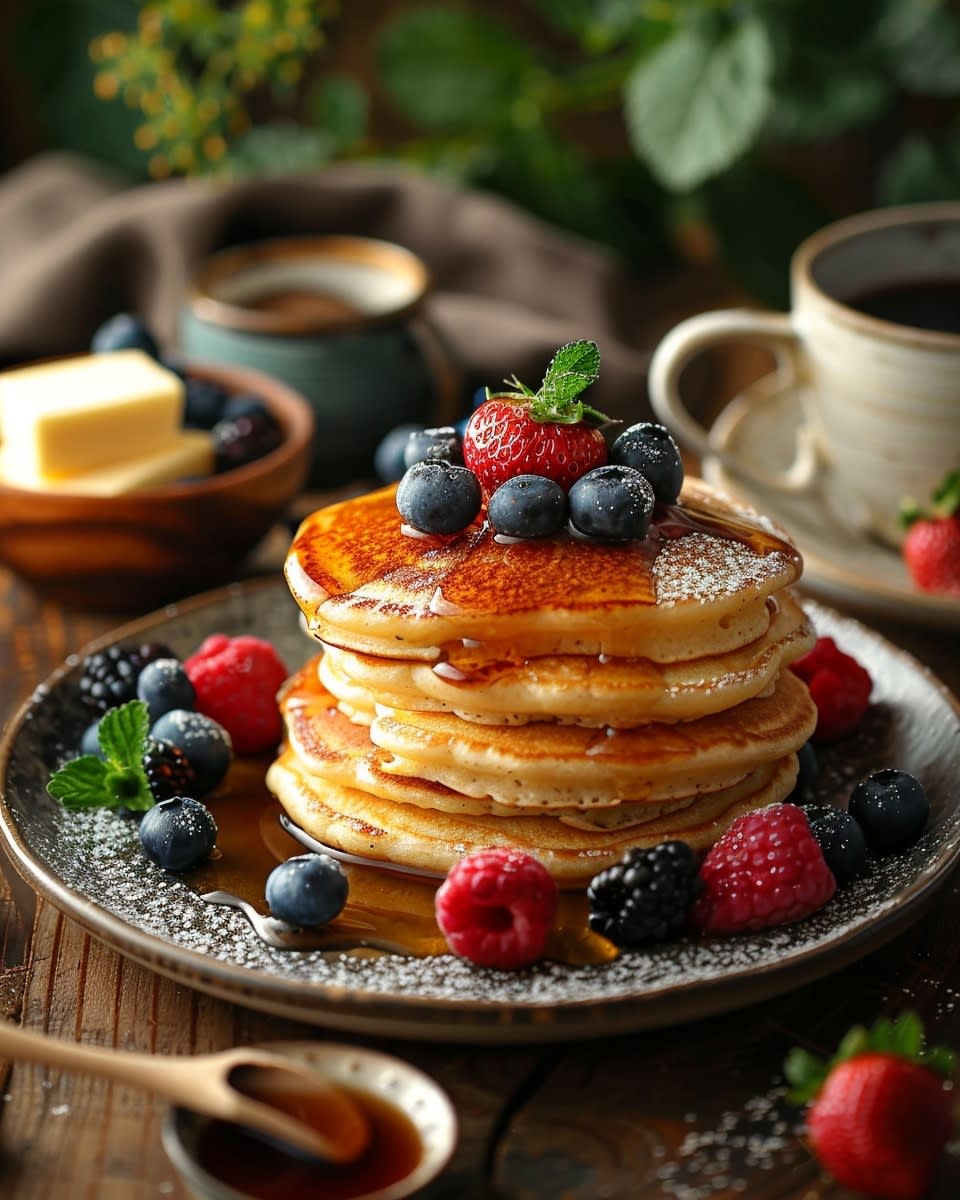
Why I’m Obsessed with Fluffy Cottage Cheese Pancakes
Last Sunday morning, I stood in my kitchen staring at a tub of cottage cheese. My kids wanted pancakes, but I was out of buttermilk. That’s when I remembered my grandmother’s secret recipe. She used to make the fluffiest pancakes I’d ever tasted, and her magic ingredient was cottage cheese. I grabbed my whisk and decided to recreate that childhood memory.
The result? Pure breakfast bliss. Those pancakes came out so light and airy that my seven-year-old asked if I’d put clouds in the batter. I’m not kidding. Fluffy cottage cheese pancakes have since become our weekend staple, and I’m here to share everything I’ve learned about making them.
What makes these pancakes special is their ability to adapt to almost any dietary need. You can make cottage cheese pancakes with 3 ingredients when you’re in a rush. You can try cottage cheese pancakes no flour for a gluten-free breakfast. There’s even a version with oats that gives you extra fiber and keeps you full until lunch. The options feel endless, and that’s what makes this recipe so valuable.
I’ve spent months testing different methods and variations. I’ve tried oven baked cottage cheese pancakes for busy mornings when I need to feed a crowd. I’ve experimented with cottage cheese pancakes keto versions for my low-carb friends. I even dove into Russian cottage cheese pancakes called syrniki, which opened up a whole new world of texture and flavor.
This article covers all these variations and more. You’ll learn the basic technique first, then branch out into specialized versions. Whether you want a quick weekday breakfast or an impressive brunch dish, I’ve got you covered.
Why Choose Fluffy Cottage Cheese Pancakes?
Let me tell you what sets these pancakes apart from regular ones. The texture is incredibly different. When you bite into a traditional pancake, you get density. It’s good, but it can feel heavy. Fluffy cottage cheese pancakes are lighter. They have this almost souffle-like quality that makes them melt in your mouth.
The taste is subtle and tangy. Cottage cheese adds a mild richness without making the pancakes taste cheesy. If you’ve never tried them, you might worry about that cottage cheese flavor taking over. It doesn’t. The curds blend into the batter and create pockets of creaminess that make each bite interesting.
Now let’s talk nutrition. This is where these pancakes really shine. Regular pancakes are mostly refined flour and sugar. They spike your blood sugar and leave you hungry an hour later. Healthy cottage cheese pancakes work differently.
Here’s what cottage cheese brings to the table:
- High protein content that keeps you satisfied longer
- Calcium for strong bones and teeth
- Probiotics that support gut health
- B vitamins for energy production
- Low in calories compared to traditional pancake ingredients
One cup of cottage cheese has about 25 grams of protein. That’s the same as eating three eggs. When you use cottage cheese as your base, you’re starting with a protein powerhouse. Your pancakes become a legitimate meal instead of just a carb delivery system.
I noticed this difference on my own energy levels. When I eat regular pancakes, I crash before noon. With cottage cheese pancakes, I stay alert and focused through my morning work sessions. My kids don’t get the mid-morning grumpies either. They play outside without begging for snacks every twenty minutes.
The versatility of these pancakes amazes me every time I make them. You can go sweet with berries, maple syrup, and honey. You can also go completely savory. Savory cottage cheese pancakes work beautifully with herbs, cheese, and vegetables mixed right into the batter.
I’ve served savory versions at brunch parties with smoked salmon and dill on top. Guests always ask for the recipe. These pancakes don’t lock you into the traditional sweet breakfast category. They cross over into lunch and dinner territory without any trouble.
Here’s a breakdown of how cottage cheese pancakes compare to regular ones:
| Feature | Regular Pancakes | Cottage Cheese Pancakes |
|---|---|---|
| Protein per serving | 6-8 grams | 15-20 grams |
| Texture | Dense and filling | Light and fluffy |
| Flour needed | 1-2 cups | 1/2 cup or none |
| Flavor profile | Sweet only | Sweet or savory |
The Martha Stewart cottage cheese pancakes recipe introduced many people to this concept. Her version uses classic American techniques and ingredients most people already have. It’s a great starting point if you’ve never made these before.
But cottage cheese pancakes exist in many cultures. Russian cottage cheese pancakes have been around for generations. They call them syrniki, and they’re smaller and thicker than American pancakes. Russians often serve them with sour cream and jam. The technique is slightly different, but the concept is the same: use cottage cheese to create something amazing.
The best part about learning this recipe is how it solves multiple problems at once. You get more protein in your diet. You use up that cottage cheese sitting in your fridge. You create a meal that satisfies both kids and adults. You have options for different dietary restrictions.
When I make cottage cheese pancakes keto style, I skip the flour entirely and use almond flour instead. The carb count drops way down, but the taste stays delicious. My friend who follows a strict keto diet can finally join us for pancake breakfast without feeling left out.
The fluffy cottage cheese pancakes with oats version is my personal favorite for weekday mornings. The oats add texture and make the pancakes more filling. They also bring extra fiber that helps with digestion. I blend the oats into a flour-like consistency, mix them with cottage cheese and eggs, and cook them just like regular pancakes.
You can even make these pancakes in advance. Oven baked cottage cheese pancakes are perfect when you’re cooking for a group. You pour all the batter onto a sheet pan and bake it like a giant pancake. Then you cut it into squares and serve. It saves so much time compared to standing at the stove flipping individual pancakes.
These pancakes have changed how my family eats breakfast. We’re not going back to the old way. The combination of taste, nutrition, and convenience can’t be beaten.


Simple and Easy Recipes to Try at Home
Now that you understand why these pancakes work so well, let’s get cooking. I’m going to walk you through several recipes, starting with the simplest and working up to more complex versions. Each one has its own personality and purpose.
The Ultimate 3-Ingredient Recipe
This is where I started when I was testing recipes at 6 a.m. with sleepy eyes. Cottage cheese pancakes 3 ingredients means exactly what it sounds like: cottage cheese, eggs, and a flour of your choice. That’s it. No baking powder, no milk, no vanilla extract. Just three things mixed together.
Here’s what you need for two servings:
Start with one cup of cottage cheese. I use full-fat because the texture comes out better, but low-fat works if that’s what you have. Add two eggs. Then add a quarter cup of flour. You can use regular all-purpose flour, whole wheat flour, or even almond flour if you’re avoiding gluten.
Mix everything in a blender. This step is important because you want those cottage cheese curds broken down. If you don’t have a blender, a food processor works. You could also mash everything really well with a fork, but your pancakes will have more texture. Some people like that rustic feel, so it’s up to you.
The batter will look thin. Don’t worry. That’s normal. It won’t be thick like regular pancake batter. Heat a non-stick pan over medium heat and add a little butter or oil. Pour small circles of batter, about three inches across. These pancakes are delicate, so keeping them small makes flipping easier.
Cook for about two minutes on the first side. You’ll see tiny bubbles forming on the surface, just like regular pancakes. When the edges look set, flip them gently. Cook for another minute on the second side. They should be golden brown and cooked through.
My daughter loves these with a drizzle of honey. My son prefers maple syrup. I eat mine with fresh berries because the tanginess of the pancakes pairs beautifully with sweet fruit. If you’re looking for more high-protein breakfast ideas, you might also enjoy this high protein blueberry peanut butter chia pudding that keeps you full all morning.
Sheet Pan Magic: Oven Baked Version
Funny enough, I discovered oven baked cottage cheese pancakes by accident. One Saturday morning I had twelve people coming for brunch. Standing at the stove flipping pancakes one by one sounded like torture. So I threw the whole batch in the oven and hoped for the best.
It worked perfectly. The pancakes came out fluffy and evenly cooked. Everyone could eat at the same time instead of watching me cook their breakfast. This method has become my go-to for gatherings.
Preheat your oven to 375 degrees Fahrenheit. Take a large sheet pan, about 13 by 18 inches, and line it with parchment paper. Grease the parchment paper generously with butter or cooking spray.
Use the same three-ingredient recipe from above, but triple it. Three cups of cottage cheese, six eggs, and three-quarters cup of flour. Blend it all together until smooth. Pour the batter onto your prepared sheet pan and spread it evenly. It should be about half an inch thick.
Bake for 18 to 22 minutes. The pancake sheet should be golden on top and set in the middle. A toothpick inserted in the center should come out clean. Let it cool for five minutes, then cut it into squares.
I serve these with a variety of toppings set out buffet-style. Fresh berries, sliced bananas, whipped cream, nut butters, and syrups. Everyone builds their own plate. The kids think it’s fun, and I get to sit down and actually eat with my guests. If you enjoy easy breakfast treats, this blueberry cheesecake baked oats recipe uses a similar hands-off baking method.
Martha Stewart’s Refined Approach
Martha Stewart cottage cheese pancakes take the basic concept and dress it up a bit. Her recipe includes more ingredients but delivers restaurant-quality results. I made these for my mother-in-law’s birthday breakfast, and she asked if I’d taken a cooking class.
Martha’s version uses cottage cheese, eggs, flour, and butter like the basic recipe. But she adds sugar for sweetness, vanilla extract for depth, baking powder for extra lift, and a pinch of salt to balance the flavors. The batter needs about ten minutes to rest before cooking, which lets the baking powder activate.
The technique matters here. She recommends cooking these on a slightly lower heat than regular pancakes. Medium-low instead of medium. This gives them time to cook through without burning the outside. The extra sugar in the batter can make them brown too quickly if your heat is too high.
These pancakes are thicker and more substantial than the three-ingredient version. They hold up well to heavier toppings like whipped cream and fruit compote. I’ve made them with lemon zest mixed into the batter, and that bright citrus flavor turns them into something special.
Russian Syrniki: A Cultural Classic
Here’s the thing about Russian cottage cheese pancakes. They’re not technically pancakes in the American sense. Syrniki are smaller, thicker, and denser. They’re more like cheese patties that you cook in butter until they’re crispy on the outside and creamy inside.
Traditional syrniki use a type of cottage cheese called tvorog, which is drier and firmer than American cottage cheese. Since most of us can’t find tvorog at the grocery store, you need to drain regular cottage cheese. Put it in a cheesecloth or a fine-mesh strainer over a bowl and let it sit in the fridge for a few hours. You want to remove as much liquid as possible.
The recipe uses drained cottage cheese, flour, egg, a little sugar, and sometimes raisins. Mix everything together into a thick dough. Form small patties about two inches wide and three-quarters of an inch thick. Dust them lightly with flour on both sides.
Fry them in butter over medium heat. The butter is important because it creates that golden crust that makes syrniki special. Cook about three minutes per side until they’re deep golden brown. They should be cooked through but still soft in the middle.
Russians serve syrniki with sour cream and jam. The combination of tangy sour cream and sweet jam against the mild cheese flavor is addictive. I make a big batch on Sunday and reheat them throughout the week. They’re excellent as a snack or a quick breakfast when you’re running late. For another quick breakfast option, you might like this easy Oreo mug cake when you need something sweet in minutes.
The Oat-Powered Variation
Fluffy cottage cheese pancakes with oats have become my weekday standard. The oats add fiber that keeps me full, and they blend seamlessly into the batter. My kids don’t even know they’re eating oatmeal for breakfast.
Use half a cup of rolled oats and blend them into a fine powder. This becomes your flour. Mix the oat flour with one cup of cottage cheese and two eggs. Add a pinch of cinnamon if you want extra flavor. The batter will be slightly thicker than the regular three-ingredient version.
These pancakes cook a bit differently. They take an extra minute on each side because the oats need more time to cook through. But the texture is worth it. They’re heartier and more satisfying. I top mine with sliced almonds and a tiny bit of honey.
Frequently Asked Questions
People ask me these questions every time I post about cottage cheese pancakes on social media. Let me answer the two most common ones.
How do I make fluffy cottage cheese pancakes without flour?
Making cottage cheese pancakes no flour is actually easier than you’d think. The cottage cheese and eggs create enough structure on their own. You just need to adjust your expectations slightly. These pancakes will be more delicate and eggy than flour-based versions.
Use one cup of cottage cheese and four eggs. Yes, four. The extra eggs compensate for the missing flour. Blend everything together until completely smooth. Heat your pan to medium-low, which is lower than usual. These pancakes need gentle heat because without flour, they can fall apart if you rush them.
Pour small pancakes, about two inches wide. Cook them for about three minutes on the first side. They should be mostly set before you flip. Use a thin spatula and be gentle. The second side only needs about ninety seconds.
The texture is almost like a crepe meets a pancake. Light and protein-rich. I serve these with Greek yogurt and berries for an even bigger protein boost. Speaking of protein-packed treats, this strawberry Greek yogurt bark makes a great snack to go alongside your pancake breakfast.
Are there any keto-friendly options for cottage cheese pancakes?
Absolutely. Cottage cheese pancakes keto versions work beautifully because cottage cheese is already low in carbs. You just need to replace the regular flour with a keto-friendly option.
Almond flour is my top choice. Use a quarter cup of almond flour with one cup of cottage cheese and two eggs. The almond flour adds healthy fats and keeps the carb count low. Each pancake has about two grams of net carbs, which fits easily into most keto meal plans.
Another option is coconut flour, but you need less of it because it absorbs more liquid. Start with two tablespoons of coconut flour instead of a quarter cup. If the batter seems too thin, add another tablespoon. Coconut flour can be tricky, so add it gradually.
These keto pancakes taste rich and satisfying. Top them with sugar-free syrup, butter, or whipped cream sweetened with stevia. My keto friends tell me these are the best low-carb pancakes they’ve ever had.


Tips and Tricks for Perfect Fluffy Cottage Cheese Pancakes
Here’s what I’ve learned after making probably two hundred batches of these pancakes. The difference between good and amazing comes down to small details. Let me share the tricks that changed everything for me.
The Secret to Maximum Fluffiness
Getting truly fluffy cottage cheese pancakes requires understanding what creates that light texture. I spent weeks testing different approaches, and these techniques consistently deliver the best results.
First, blend your cottage cheese thoroughly. Those curds need to break down completely. When I first started making these, I’d just whisk everything by hand. The pancakes came out lumpy and dense. The moment I switched to a blender, everything changed. The batter became silky smooth, and the pancakes puffed up beautifully.
Separate your eggs when you have time. This step adds maybe three minutes to your prep, but the payoff is incredible. Whip the egg whites until they form soft peaks, then fold them into your batter at the very end. This technique traps air bubbles that expand when the pancakes cook. The result is almost souffle-like.
Temperature matters more than you’d think. I keep my pan at medium heat, never higher. High heat cooks the outside too fast while leaving the inside raw. You want steady, even heat that gives the pancakes time to rise properly. When I’m cooking for my family, I test the pan with a tiny drop of water. If it sizzles gently rather than violently, the temperature is right.
Don’t overmix your batter. This applies to almost any pancake, but it’s especially true here. Once you’ve combined your ingredients, stop stirring. A few small lumps are fine. Overmixing develops the gluten in flour and deflates those precious air bubbles you’ve created. I mix just until I can’t see dry flour anymore, then I walk away.
Let your batter rest for five to ten minutes before cooking. During this time, the flour hydrates and the baking powder activates. The texture transforms from thin liquid to something more substantial. I use this time to prep my toppings or start the coffee. By the way, this resting period is when I sometimes add extras like chocolate chips or blueberries.
Use a light hand when flipping. These pancakes are more delicate than regular ones, especially the cottage cheese pancakes no flour versions. I slide my thinnest spatula completely under the pancake before attempting the flip. Quick and confident works better than slow and hesitant. My first dozen attempts resulted in broken pancakes, but you develop a feel for it.
Creative Ways to Customize Your Pancakes
The fun part about healthy cottage cheese pancakes is how adaptable they are. Once you master the basic technique, you can branch out in so many directions.
For sweet variations, I love adding lemon zest and poppy seeds to the batter. The bright citrus flavor cuts through the richness of the cottage cheese. Blueberries are another favorite. I fold them in gently at the end so they don’t turn everything purple. Cinnamon and a touch of vanilla extract create a breakfast that smells like a bakery.
Chocolate chips work surprisingly well. My kids request these constantly. I use mini chips because they distribute more evenly through the batter. The chips get melty and create little pockets of chocolate heaven. If you want to keep things healthier, try cacao nibs instead. They add chocolate flavor without much sugar.
Now let’s talk about savory cottage cheese pancakes. This is where things get really interesting. I’ve made versions with fresh herbs like dill, parsley, and chives mixed into the batter. Add a little black pepper and maybe some garlic powder. The result is something you could serve at a dinner party.
Cheese takes these pancakes in a completely different direction. Shredded cheddar, parmesan, or feta all work beautifully. I add about a quarter cup of cheese per batch. The cheese melts into the pancakes and creates this savory richness that pairs perfectly with eggs and bacon.
Vegetables make them even more substantial. Finely chopped spinach, grated zucchini, or corn kernels all blend right in. I squeeze excess moisture from vegetables like zucchini before adding them. Otherwise, the batter gets too wet. These vegetable-packed versions are fantastic for using up odds and ends from your crisper drawer.
For fluffy cottage cheese pancakes with oats, I sometimes toast the oats before blending them. This brings out a nutty flavor that adds depth. Just spread your oats on a baking sheet and toast them at 350 degrees for about eight minutes. Let them cool completely before blending into flour.
Topping Ideas That Make a Difference
The right toppings can transform a simple pancake into something memorable. I keep several options on hand so everyone can build their perfect plate.
Fresh berries are my go-to. Strawberries, blueberries, raspberries, or blackberries all work. The natural tartness balances the mild tang of the cottage cheese. Sometimes I macerate the berries with a tiny bit of sugar and let them sit for fifteen minutes. They release their juices and create a natural syrup.
Nut butters add protein and healthy fats. Almond butter, peanut butter, or cashew butter all pair beautifully with these pancakes. I warm the nut butter slightly so it drizzles instead of clumps. A sprinkle of chopped nuts on top adds crunch.
Greek yogurt makes an excellent topping for savory versions. Mix it with fresh herbs and a squeeze of lemon juice. The coolness of the yogurt against the warm pancakes is such a nice contrast. I’ve served this combination at brunch with smoked salmon on the side, and people always comment on how restaurant-quality it tastes.
Maple syrup is classic, but have you tried honey or agave? Each sweetener brings its own personality. Honey has floral notes that work especially well if you’ve added lemon to your batter. Agave is milder and lets the cottage cheese flavor shine through more.
For something indulgent, whipped cream sweetened with a touch of vanilla is incredible. I’m not talking about the canned stuff. Real whipped cream takes three minutes to make and tastes a thousand times better. Sometimes I fold in some cocoa powder to make chocolate whipped cream.
Making Ahead and Storing Like a Pro
One of the best things about these pancakes is how well they keep. I usually make double batches and store the extras for quick breakfasts during the week.
Let your pancakes cool completely before storing them. If you stack them while they’re still warm, condensation builds up and makes them soggy. I spread them in a single layer on a cooling rack for about twenty minutes. Then I stack them with small pieces of parchment paper between each pancake. This prevents them from sticking together.
In the refrigerator, they last about four days in an airtight container. I’ve tried to push it to five or six days, but the texture starts to suffer. The edges dry out and they lose that fresh-made quality.
Freezing is where these pancakes really prove their worth. They freeze beautifully for up to three months. I arrange them in a single layer on a baking sheet and freeze until solid, about two hours. Then I transfer them to a freezer bag. This prevents them from freezing into one giant clump.
For reheating, the toaster is my favorite method. It crisps up the outside while warming the inside. Two cycles on medium setting does the trick. The microwave works when you’re in a hurry, but wrap the pancakes in a damp paper towel first. This keeps them from drying out. Twenty to thirty seconds is usually enough.
The oven method works best when you’re reheating multiple pancakes at once. Arrange them on a baking sheet, cover with foil, and warm at 300 degrees for about ten minutes. Remove the foil for the last two minutes if you want them slightly crispy.
Funny enough, these pancakes actually improve slightly after a day in the fridge. The flavors meld together and the texture becomes more uniform. I’ve started making them the night before when I know I have a busy morning coming up.
Troubleshooting Common Problems
Even with the best techniques, things can go wrong. Let me address the issues I’ve encountered most often.
If your pancakes are coming out flat and dense, you’re probably not blending the cottage cheese enough. Those curds need to disappear completely. Also check your baking powder if you’re using it. Old baking powder loses its effectiveness and won’t create the lift you need.
Pancakes that fall apart when you flip them usually mean your batter is too thin. Add a tablespoon more flour and see if that helps. Or try cooking them a bit longer before flipping. They should be mostly set on top before you attempt to turn them.
Brown on the outside but raw inside? Your heat is too high. Lower it to medium or even medium-low. These pancakes need time to cook through because they’re higher in moisture than regular pancakes.
Rubbery texture means you’ve overmixed or cooked them too long. Treat the batter gently and watch your timing. These cook faster than you might expect because cottage cheese sets up quickly with heat.
If the cottage cheese flavor is too strong for your taste, try using a milder brand. Some cottage cheeses have a more pronounced tang than others. You can also add a bit more vanilla extract or other flavorings to mask it. When I’m looking for nutritious ingredients that balance well, I think about how cottage cheese helps maintain a healthy cholesterol balance while adding protein to your diet.
Portion Control and Serving Sizes
Here’s the thing about cottage cheese pancakes. They’re so protein-rich that you don’t need as many as you’d eat of regular pancakes. A typical serving is three medium pancakes, about four inches across each. That provides roughly 20 grams of protein and keeps most people satisfied for hours.
I measure my batter with a quarter-cup measure for consistent sizing. This creates pancakes that are easy to flip and cook evenly. When I’m making them for kids, I use a smaller scoop for three-inch pancakes. They love having their own “kid-sized” portions.
The recipe scales beautifully. One cup of cottage cheese makes about six medium pancakes. Double or triple the recipe depending on how many people you’re feeding. I keep this ratio in my head now and can whip up the right amount without even looking at a recipe.
Remember that if you’re looking for more creative breakfast ideas to round out your morning routine, you’ll find plenty of inspiration in our breakfast and brunch recipes that pair wonderfully with these protein-packed pancakes.
One final tip that changed my pancake game: keep a small bowl of water and a paper towel next to your stove. Between batches, wipe your pan with the damp towel. This removes any stuck bits that could burn and create bitter flavors. It takes five seconds and makes a noticeable difference in how your later pancakes taste.
The beauty of mastering fluffy cottage cheese pancakes is that you’re not just learning one recipe. You’re learning a technique that adapts to your needs, your dietary preferences, and whatever ingredients you have on hand. Some mornings I’m making the quick three-ingredient version while still half-asleep. Other times I’m experimenting with new flavor combinations just because I can. Both approaches work, and that flexibility is what keeps these pancakes in my regular rotation.
Give yourself permission to experiment and don’t worry if your first batch isn’t perfect. Mine certainly wasn’t. But with each attempt, you’ll develop an intuition for the batter consistency, the right heat level, and the perfect timing. Before you know it, you’ll be making these pancakes without measuring anything, adjusting on the fly based on what looks and feels right. That’s when cooking becomes truly enjoyable.
Your Cottage Cheese Pancake Journey Starts Now
The best time to try these pancakes is tomorrow morning. Pick whichever version appeals to you most, grab your cottage cheese from the fridge, and just start cooking. You’ll probably surprise yourself with how easy it is and how delicious they turn out. And once you’ve made them a few times, share them with someone you love and watch their face light up with that first bite.
Frequently Asked Questions
Can I use low-fat or fat-free cottage cheese?
Yes, you can definitely use low-fat or fat-free cottage cheese. The pancakes will still work, but the texture might be slightly less rich. Full-fat cottage cheese creates a creamier result because of the higher fat content. I’ve made batches with all three types, and honestly, the difference is subtle enough that most people won’t notice. If you’re watching your fat intake, go with the lower-fat version without worrying. The protein content stays high regardless of which type you choose.
Why are my cottage cheese pancakes sticking to the pan?
Sticking usually happens because your pan isn’t hot enough or you’re not using enough fat. Make sure your pan is properly preheated before adding any batter. Add a small amount of butter or oil before each batch, even if you’re using a non-stick pan. The batter is wetter than regular pancake batter, so it needs that barrier between itself and the cooking surface. I’ve found that wiping the pan with a paper towel dipped in oil works better than pouring oil directly into the pan. This creates a thin, even coating that prevents sticking without making the pancakes greasy.
Can I make the batter the night before?
Making the batter ahead is possible, but I don’t recommend it for the best results. The batter separates as it sits, and the baking powder loses some effectiveness. If you do make it ahead, give it a good stir before cooking and expect slightly less fluffy pancakes. What works better is prepping your dry and wet ingredients separately. Mix them together in the morning when you’re ready to cook. This still saves time but gives you better texture.
What’s the best way to reheat frozen cottage cheese pancakes?
The toaster is hands-down the best method for reheating frozen cottage cheese pancakes. Put them straight from the freezer into your toaster on a medium setting and run two cycles. They come out crispy on the outside and warm throughout. If you’re reheating a large batch, use the oven at 350 degrees for about twelve minutes. The microwave works in a pinch, but wrap them in a slightly damp paper towel first and heat in thirty-second intervals. They won’t be as crispy, but they’ll still taste good.
Can I substitute Greek yogurt for cottage cheese?
Greek yogurt creates a completely different pancake. It works, but the texture will be denser and more cake-like rather than fluffy. The curds in cottage cheese contribute to the light texture that makes these pancakes special. If you try Greek yogurt, use full-fat and expect a different result. Some people love Greek yogurt pancakes, but they’re not the same as cottage cheese pancakes. I’d say keep them as two separate recipes in your rotation rather than treating them as interchangeable.
How do I know when to flip the pancakes?
Watch for bubbles forming on the surface and the edges looking set and dry. This usually takes about two to three minutes on the first side. When you see several bubbles that have popped and left little holes, and the edges are no longer shiny, it’s time to flip. The bottom should be golden brown. If you flip too early, the pancake will be too fragile and might fall apart. I made that mistake constantly when I first started. Now I wait until I see those signs, and my success rate is much higher.
Are cottage cheese pancakes safe for people with lactose intolerance?
Cottage cheese contains lactose, so people with lactose intolerance should be careful. However, cottage cheese typically has less lactose than milk because some is removed during the cheese-making process. Some people with mild lactose intolerance can handle it without problems. Lactose-free cottage cheese exists and works perfectly in these recipes. If you’re severely lactose intolerant, stick with the lactose-free version or skip these pancakes altogether. There’s no point in feeling sick over breakfast, no matter how delicious it is.
Can I add protein powder to increase the protein content?
You can add protein powder, but it changes the texture significantly. Start with just one scoop added to your regular recipe. Too much protein powder makes the pancakes dry and chalky. The cottage cheese already provides substantial protein, so you might not need the extra boost. If you do add it, increase the liquid slightly by adding a tablespoon or two of milk. I’ve experimented with this for my husband who’s really focused on protein intake. We settled on adding just half a scoop because more than that affected the taste too much.
What size should I make the pancakes?
I recommend making these pancakes smaller than regular pancakes, about three to four inches in diameter. The batter is more delicate and smaller pancakes are easier to flip without breaking. They also cook more evenly all the way through. When I make them too large, the centers sometimes stay a bit raw while the edges get overdone. Using a quarter-cup measure gives you consistent sizing and helps with portion control. For kids, I go even smaller with a two-tablespoon scoop.
Why do my pancakes taste too eggy?
An overly eggy taste usually means your ratio is off. Make sure you’re using the right amount of cottage cheese to eggs. The cottage cheese should be the dominant ingredient. Adding vanilla extract or other flavorings helps mask any egg taste. Blending the batter thoroughly also helps because it distributes the egg flavor more evenly. If you’re making the flourless version, you need more eggs for structure, so some egg flavor is inevitable. Consider that a feature rather than a bug, and serve them with stronger-flavored toppings that complement the eggs.
Ingredients
Equipment
Method
- Mixez le fromage cottage, les œufs et la farine jusqu'à obtenir une texture lisse.
- Chauffez une poêle antiadhésive à feu moyen et ajoutez un peu de beurre ou d'huile.
- Versez de petits cercles de pâte (environ 8 cm de large) dans la poêle.
- Cuisez pendant environ 2 minutes jusqu'à ce que de petites bulles se forment et que les bords soient bien fixés.
- Retournez délicatement les pancakes et faites-les cuire encore une minute jusqu'à ce qu'ils soient dorés.
- Servez avec des garnitures comme des baies, du sirop ou du miel.