
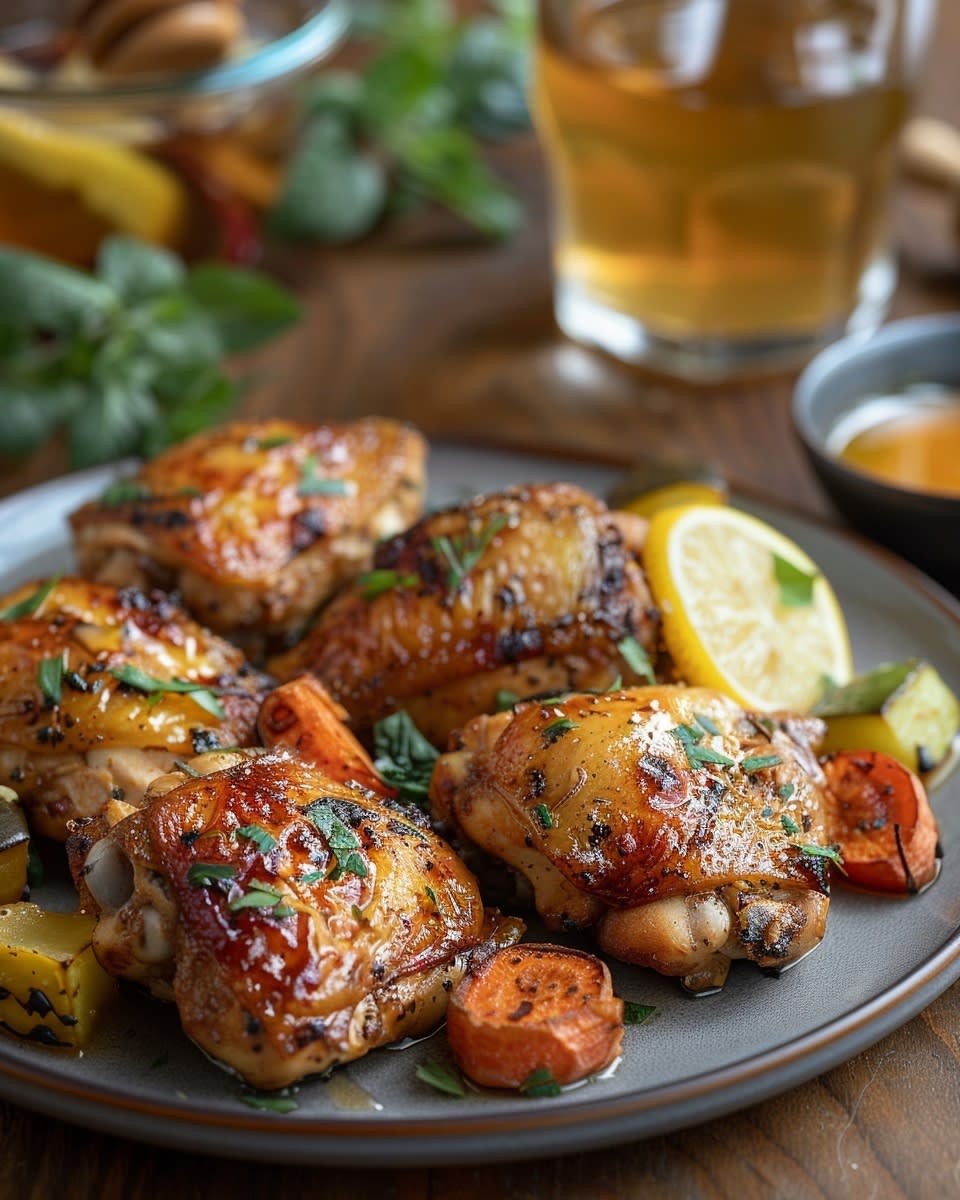
Last Tuesday night, I stood in front of my fridge at 5:30 PM with absolutely no dinner plan. You know that feeling, right? I grabbed the pack of chicken thighs I’d bought on sale, spotted a lone lime rolling around in the produce drawer, and remembered the honey in my pantry. What happened next turned into one of my family’s favorite meals, and now I’m making these Spicy Honey Lime Chicken Thighs at least twice a month.
Welcome to my kitchen! Today, I’m excited to share with you a recipe that’s become a staple in my home. This dish is not only delicious but also incredibly versatile, making it perfect for any occasion. Whether you’re cooking for your family on a busy weeknight or hosting friends for dinner, these chicken thighs deliver every single time.
Why I love this recipe: It’s easy to make, packed with flavor, and can be prepared in different ways. You can roast them in the oven for crispy skin, throw everything into a slow cooker while you’re at work, or even grill them on a warm summer evening. The marinade does most of the heavy lifting, and you just sit back and enjoy the compliments.
My kids actually request this meal by name now. That’s saying something because they usually just point at the pantry and say “make food.” The sweet and spicy combo hooks even picky eaters, and the leftovers (if you have any) taste amazing in tacos, salads, or sandwiches the next day.
Ingredients You’ll Need for Spicy Honey Lime Chicken Thighs
Let’s start by gathering all the ingredients you’ll need to make these Spicy Honey Lime Chicken Thighs. I’m a firm believer in getting everything out before you start cooking. It makes the whole process smoother and you won’t realize halfway through that you’re missing something important.
Here’s your shopping list:
- 6 to 8 chicken thighs (bone-in, skin-on work best for flavor, but boneless works too)
- 1/3 cup honey (local honey adds extra flavor if you can find it)
- 3 fresh limes (you’ll need both juice and zest)
- 3 cloves garlic (fresh, not the jarred stuff)
- 2 tablespoons olive oil (or avocado oil)
- 1 tablespoon soy sauce (adds that savory depth)
- 1 teaspoon red pepper flakes (adjust based on your heat preference)
- 1 teaspoon chili powder
- 1/2 teaspoon cayenne pepper (optional for extra kick)
- Salt and black pepper to taste
- Fresh cilantro for garnish (optional but highly recommended)
The beauty of chicken thigh recipes is that thighs are forgiving. They stay juicy even if you accidentally overcook them a bit. They’re also more affordable than chicken breasts, which makes this a budget-friendly option for feeding a crowd.
Essential Spices and Seasonings
Now let’s talk about what makes this dish spicy and how to balance the flavors perfectly. The magic happens when sweet meets heat, and that’s exactly what we’re creating here.
The honey brings sweetness that caramelizes beautifully when cooked. It creates this sticky, glossy coating that looks as good as it tastes. The lime juice adds brightness and cuts through the richness of the chicken. Without it, the dish would feel heavy and one-note.
For the heat, I use a combination of red pepper flakes, chili powder, and cayenne pepper. This might sound like a lot, but each one brings something different to the table. The red pepper flakes give you visible spice and little bursts of heat. Chili powder adds earthy warmth without overwhelming spiciness. Cayenne brings pure heat if you want things really fired up.
Here’s my honest advice: start with less spice than you think you need. You can always add more at the table with hot sauce, but you can’t take it away. I learned this the hard way when my mother-in-law visited and I nearly burned her taste buds off. Now I keep the marinade at a medium heat level and put extra hot sauce on the side for people like me who enjoy suffering.
The garlic is non-negotiable. Fresh minced garlic gives you that pungent, aromatic quality that makes your whole house smell amazing while cooking. When it mingles with the honey and lime, something magical happens.
Don’t skip the soy sauce either. It seems like an odd addition to a honey lime chicken marinade, but trust me on this. It adds umami and saltiness that rounds out all the other flavors. It’s the secret ingredient that makes people ask “what’s in this?”
The Perfect Honey Lime Marinade
One of the keys to this recipe is the marinade. I’ll walk you through creating a mouthwatering honey lime marinade that will infuse your chicken with amazing flavors. This marinade is so good that I sometimes make extra just to brush on vegetables or other proteins.
Start by zesting your limes before you juice them. I made the mistake of juicing first exactly once, and trying to zest a limp, juiced lime is basically impossible. Use a microplane or the small holes on your box grater to get fine lime zest. You want about a tablespoon of zest for maximum lime flavor.
In a medium bowl, whisk together the honey, lime juice, lime zest, minced garlic, olive oil, and soy sauce. The honey might resist mixing at first, especially if it’s cold. Just keep whisking, and it’ll come together. Some people like to warm the honey slightly in the microwave for 10 seconds to make it easier to combine.
Now add your spices: the red pepper flakes, chili powder, cayenne (if using), salt, and black pepper. Whisk everything until it’s completely combined. The marinade should smell bright, sweet, and spicy all at once. If it doesn’t make your mouth water a little, add more lime juice or garlic.
This is your base spicy chicken thigh marinade, and it’s incredibly flexible. Sometimes I add a splash of apple cider vinegar for extra tang. Other times I throw in some grated fresh ginger for an Asian-inspired twist. Once you master the basic formula, you can play around with it.
How to Marinate Your Chicken
Now comes the part where patience pays off. Place your chicken thighs in a large zip-top bag or a shallow dish. Pour the marinade over the chicken, making sure every piece gets coated. If you’re using a bag, squeeze out as much air as possible and seal it tight. Then massage the bag gently to distribute the marinade evenly.
Here’s the truth about marinating time: longer is usually better, but you have options. For the best flavor, marinate your chicken thighs for at least 2 hours in the fridge. The acid from the lime juice starts breaking down the proteins, making the meat more tender while the flavors seep in.
My sweet spot is 4 to 6 hours. This gives you deeply flavored, tender chicken without turning the texture mushy. I often prep this marinade in the morning, add the chicken, and refrigerate it all day. When I get home from work, dinner is basically already done.
Can you marinate overnight? Absolutely. I’ve left this chicken thigh lime marinade on for up to 24 hours with excellent results. Just don’t go beyond that because the lime juice will start to “cook” the chicken and make it grainy.
In a pinch, even 30 minutes of marinating time will give you decent flavor. I’ve done this when I forgot to plan ahead, and while it’s not quite as amazing as the long marinade, it still beats plain chicken any day of the week.
One important tip: always marinate in the refrigerator, never on the counter. Food safety matters, and chicken sitting at room temperature is asking for trouble. Take the chicken out of the fridge about 15 minutes before cooking to take the chill off, which helps it cook more evenly.


Preparing Spicy Honey Lime Chicken Thighs
With your chicken nicely marinated and basically begging to be cooked, it’s time to transform those thighs into something spectacular. I’m going to walk you through two different cooking methods that I rotate between depending on what kind of day I’m having. Both deliver amazing results, just in different ways.
Before we jump into cooking methods, let’s talk prep. Pull your marinated chicken out of the fridge and let it sit on the counter for about 15 minutes. This isn’t me being fussy, I promise. Cold chicken hitting a hot pan or oven cooks unevenly, and you’ll end up with dried-out edges and undercooked centers. Nobody wants that.
While the chicken is coming to room temperature, decide whether you want to keep the marinade for basting. I usually reserve about a quarter cup before the raw chicken touches it. This way, I can brush it on during cooking without worrying about food safety. Any marinade that’s been in contact with raw chicken needs to be boiled for at least five minutes if you want to use it as a sauce later. Personally, I just make extra marinade from the start because I’m lazy and don’t want to deal with boiling things.
Cooking Methods
Here’s where things get interesting. I’ve made these spicy chicken thighs probably a hundred different ways by now, but two methods have become my absolute favorites. Each one brings out different qualities in the dish, and honestly, I can’t pick a winner.
Oven-Baked Perfection
Let me tell you about the oven method first because it’s my go-to when I want that restaurant-quality crispy skin. There’s something deeply satisfying about pulling a pan of golden-brown, caramelized chicken out of the oven. The honey in the marinade creates this gorgeous sticky glaze that gets slightly charred at the edges.
Preheat your oven to 425°F. This high temperature is crucial for getting crispy skin on your chicken thigh recipes oven style. While it’s heating up, line a rimmed baking sheet with aluminum foil and place a wire rack on top. The rack is optional, but I highly recommend it because it lets air circulate all around the chicken, crisping up every inch of skin.
If you don’t have a rack, no worries. Just arrange the chicken thighs directly on the foiled pan, skin side up, making sure they’re not touching. Crowded chicken steams instead of roasts, and you’ll miss out on that crispy skin we’re after.
Now here’s a trick I learned from my neighbor who used to work in a restaurant kitchen. Pat the chicken skin dry with paper towels before putting it in the oven. The marinade makes everything wet, and wet skin won’t crisp up properly. Just dab it gently, you don’t need to remove all the marinade, just the excess moisture.
Pop the pan in the oven and roast for 35 to 45 minutes, depending on the size of your thighs. I know that’s a big time range, but chicken thighs vary wildly in size. You’re looking for an internal temperature of 165°F when you stick a meat thermometer into the thickest part without hitting bone.
About halfway through cooking, I like to brush on some of that reserved marinade. This adds another layer of flavor and helps build up that beautiful glaze. The honey caramelizes and gets slightly sticky and charred in the best possible way. Your kitchen will smell absolutely incredible during this time. Fair warning: my family usually starts hovering around the kitchen after about twenty minutes.
For an extra-crispy finish, you can turn on the broiler for the last two or three minutes. Watch it like a hawk though, because that sugary honey glaze can go from perfectly caramelized to burned in about thirty seconds. I’ve sacrificed more than one batch of chicken to the broiler gods by walking away to check my phone.
Slow Cooker Delight
Okay, now let’s talk about the honey lime chicken slow cooker method, which is honestly a lifesaver on days when I have zero energy or time to monitor the oven. This method gives you incredibly tender, fall-off-the-bone chicken that’s been swimming in its own flavorful juices all day.
The process couldn’t be simpler. Take your marinated chicken thighs and arrange them in a single layer in your slow cooker. Pour all that beautiful marinade right on top. If you want, you can throw in some sliced onions or bell peppers at this point. They’ll cook down and add extra flavor while soaking up all those spicy, sweet juices.
Cover and cook on low for 6 to 7 hours, or on high for 3 to 4 hours. I usually go with the low setting because I’m typically doing this before work. There’s something wonderful about coming home to a house that smells like dinner’s already done. It’s like having a personal chef, except the chef is a countertop appliance that cost forty bucks.
The one downside to slow cooker chicken is that you won’t get crispy skin. The moist environment basically steams the chicken, which makes it super tender but leaves the skin a bit rubbery. Some people don’t care about this at all. My husband falls into this category and will happily eat the skin no matter what.
If you’re like me and crispy skin is important, here’s what I do. After the slow cooker finishes, I carefully transfer the chicken thighs to a foil-lined baking sheet and pop them under the broiler for just three or four minutes. This crisps up the skin while keeping all that tender, slow-cooked meat underneath. Best of both worlds, if you ask me.
Another cool thing about the slow cooker method is that you end up with this amazing sauce at the bottom. I strain out the solids and use that liquid as a serving sauce. Sometimes I’ll even thicken it up by simmering it in a small saucepan with a cornstarch slurry. Mix one tablespoon of cornstarch with two tablespoons of cold water, whisk it into the simmering sauce, and watch it transform into a gorgeous, glossy glaze.
By the way, if you love easy one-pot meals like this, you might also enjoy my One-Pot Lemon Herb Chicken Orzo, which has that same citrusy brightness but in a completely different format.
Serving Suggestions
Alright, your Spicy Honey Lime Chicken Thighs are cooked to perfection and sitting there looking absolutely gorgeous. Now comes the fun part: figuring out what to serve alongside them. This is where you can really make the meal your own.
The great thing about this dish is how versatile it is. The flavors are bold enough to stand on their own, but they also play really well with a ton of different sides. I’ve served these chicken thighs with everything from simple white rice to elaborate grain salads, and it always works.
For a simple weeknight dinner, I often just make some cilantro lime rice. Cook your rice as usual, then fluff it with fresh lime juice, chopped cilantro, and a pinch of salt. It takes about two extra minutes and makes plain rice feel special. The lime in the rice echoes the lime in the chicken, which creates this nice cohesive flavor profile across the whole meal.
Roasted vegetables are another go-to in my house. I’ll toss whatever vegetables I have on hand with olive oil, salt, and pepper, then roast them alongside the chicken. Brussels sprouts, broccoli, cauliflower, carrots, or bell peppers all work great. The vegetables caramelize in the oven while the chicken cooks, and everything finishes at roughly the same time. Efficient and delicious.
Here’s something I discovered by accident that turned out amazing: serve the chicken over a big green salad. I know, it sounds too simple to be interesting, but hear me out. The hot, spicy chicken contrasts beautifully with cool, crisp lettuce. I use mixed greens, add some sliced avocado, cherry tomatoes, maybe some corn if I have it, and dress everything with a simple lime vinaigrette. The juices from the chicken become part of the dressing. It’s especially good in summer when you want something satisfying but not heavy.
For a heartier meal, try pairing these honey garlic chicken thighs with roasted sweet potatoes or mashed regular potatoes. The sweetness of the potatoes complements the honey in the glaze, and the creamy texture balances the spicy kick. My kids prefer mashed potatoes because they can mix everything together on their plates into what they call “the perfect bite.”
If you’re in the mood for something with a bit more comfort food energy, consider serving this alongside a creamy pasta dish. I actually keep things simple and make a light pasta salad with olive oil, lemon, and herbs. But if you want something richer, check out this Creamy Garlic Butter Chicken and Rice Skillet for inspiration on creamy sides that work well with bold chicken flavors.
Funny enough, my favorite way to serve these chicken thighs is actually the next day as leftovers. I shred any remaining chicken and pile it into tortillas with cabbage slaw, avocado, and extra hot sauce. It makes incredible tacos that my whole family goes crazy for. Sometimes I think I make extra chicken on purpose just so we can have these tacos.
For garnish, fresh cilantro is my number one choice. It adds a pop of color and a fresh, herbaceous note that brightens up the rich, sticky chicken. If you’re one of those people who thinks cilantro tastes like soap (I feel for you), try fresh parsley instead. Sliced green onions also work beautifully.
A few lime wedges on the side are essential in my opinion. That extra squeeze of fresh lime juice right before eating adds brightness and cuts through the richness. Sometimes people at my table will squeeze lime on their chicken, sometimes on their rice, sometimes on everything. Having the option is what matters.
For a complete meal presentation, I like to plate the chicken over a bed of rice or grains, add roasted vegetables on the side, drizzle any extra pan sauce over everything, and finish with cilantro and lime wedges. It looks like something you’d order at a restaurant but took minimal effort to pull together.
If you’re feeding guests and want to impress them, consider making a few different sides and letting people build their own plates. Set out the chicken, rice, tortillas, various vegetables, salsa, sour cream, and let everyone customize their meal. It takes pressure off you as the host and makes dinner feel more interactive and fun.
Speaking of impressive chicken dishes that work great for company, you might also want to try Marry Me Chicken with Sun-Dried Tomato Cream Sauce next time you’re entertaining. It has that same “wow factor” but with completely different flavors.
One last serving suggestion that might sound weird but absolutely works: breakfast. Yes, breakfast. Leftover spicy chicken thighs chopped up and served alongside scrambled eggs, hash browns, and toast make for an unexpectedly delicious morning meal. The sweet and spicy flavors wake up your taste buds way better than plain breakfast sausage. My teenage son started this tradition, and now it’s become a weekend thing at our house.


Variations and Customizations
Here’s the thing about recipes: they’re more like guidelines than rules. Once you’ve made these Spicy Honey Lime Chicken Thighs a few times and gotten comfortable with the basic technique, you can start playing around with the flavors to make them your own.
Let’s talk about heat levels first since that’s usually what people want to adjust. If you’re cooking for people who think black pepper is spicy (no judgment, my dad is one of these people), you can easily dial back the heat without losing the flavor. Cut the red pepper flakes in half or leave them out entirely. Skip the cayenne pepper altogether. You’ll still have the chili powder, which gives you flavor and color without much actual heat. The result is more of a sweet and tangy dish with just a whisper of warmth.
On the flip side, if you’re a heat seeker like me, there are tons of ways to amp things up. I’ve added sriracha to the marinade before, which gives you heat plus a nice fermented garlic flavor. Hot sauce works too, whatever kind you like. Sometimes I’ll throw in some diced jalapeños or serrano peppers directly into the marinade. They look pretty, they add texture, and they definitely bring the fire.
One time I used habanero peppers because I was feeling ambitious. That was probably too much, honestly. My husband took one bite and just stared at me with watery eyes. So maybe work your way up to habaneros if you’re curious about them. Start with one small pepper, finely minced, and see how that treats you.
The honey itself is another fun thing to experiment with. I usually use regular clover honey because that’s what I always have around, but different types of honey create different flavor profiles. Wildflower honey has a more complex, almost floral taste. Orange blossom honey adds a subtle citrus note that plays beautifully with the lime. Buckwheat honey is dark and almost molasses-like, which creates a more robust, earthy dish.
You can also swap out the honey for other sweeteners. Maple syrup works surprisingly well and gives you a different kind of sweetness. Agave nectar is another option, though it’s a bit more neutral in flavor. I tried brown sugar once, which required dissolving it in the lime juice first, but it worked fine and gave the glaze a deeper caramel flavor.
The lime can be switched up too. I’ve made this with lemon when I didn’t have limes, and it was still delicious, just brighter and less tropical-tasting. Orange juice creates a sweeter, mellower version that my kids actually prefer. One of my friends uses grapefruit juice, which sounds weird but apparently tastes amazing with the honey.
Herb additions can completely transform the dish. Fresh thyme sprinkled into the marinade gives you an earthy, slightly minty note. Rosemary works too, though I’d use it sparingly because it can overpower everything else. Fresh ginger, grated right into the marinade, adds this zingy warmth that pairs beautifully with the lime and honey. I’ve also thrown in some fresh oregano when I’m going for more of a Mexican-inspired flavor.
Want to make this recipe work with different proteins? I’ve successfully used this same honey lime chicken marinade on chicken breasts, though I have to warn you that breasts don’t stay as juicy as thighs. If you’re using breasts, watch your cooking time carefully and don’t go past 165°F internal temperature or they’ll dry out. Pork chops take to this marinade beautifully. So does salmon, though I reduce the marinating time to about 30 minutes because fish is more delicate.
My neighbor swears by using this marinade on shrimp, which only needs about 15 minutes to marinate and cooks in just a few minutes on the grill. I tried it with tofu once for my vegetarian sister-in-law, and even she admitted it was pretty tasty. Press the tofu first to get excess water out, then let it marinate for at least an hour before baking or pan-frying.
You can also change up the cooking methods beyond what I mentioned earlier. These chicken thighs are fantastic on the grill. I preheat my grill to medium-high, oil the grates well, and cook the chicken for about six to seven minutes per side. The marinade can cause flare-ups because of the sugar content, so keep an eye on things and move the chicken to a cooler part of the grill if flames start licking at it. The charred bits from the grill are absolutely incredible.
Air fryer fans, I haven’t forgotten about you. These work great in an air fryer too. Preheat your air fryer to 380°F, arrange the chicken thighs in a single layer (you might need to work in batches), and cook for about 20 to 25 minutes, flipping halfway through. The air fryer gets the skin super crispy while keeping the meat juicy.
Here’s a fun variation I stumbled onto by accident: pineapple honey lime chicken. Add some canned pineapple chunks (drained) to your slow cooker along with the chicken and marinade. The pineapple breaks down and becomes part of the sauce, adding this tropical sweetness that takes the whole dish in a Hawaiian direction. Serve it over rice, and suddenly you’ve got a completely different meal.
For a smokier flavor profile, add a teaspoon of smoked paprika to your spicy chicken thigh marinade. It gives you that barbecue-ish depth without actually having to fire up a grill. Liquid smoke works too if you have it, just use it sparingly because a little goes a long way. Two or three drops mixed into the marinade is plenty.
If you’re trying to watch your sugar intake, you can reduce the honey to two or three tablespoons instead of a third of a cup. The dish won’t have quite as much glaze, but it’ll still taste great. You could also try using a sugar substitute like monk fruit sweetener, though I haven’t personally experimented with that yet.
By the way, this marinade concept works as a glaze too. If you’re short on time and can’t marinate, just season your chicken with salt and pepper, cook it however you like, and then brush this mixture on during the last few minutes of cooking. It won’t penetrate the meat the same way, but you’ll still get that sweet, spicy, sticky coating on the outside.
For those interested in maximizing the nutritional value of your meals, chicken thighs provide valuable vitamins and minerals like B vitamins, zinc, and iron, especially when you pair them with colorful vegetables and whole grains.
One more customization idea: make it a complete one-pan meal. Arrange your chicken thighs on a large baking sheet, then surround them with chunks of potatoes, bell peppers, onions, and whatever other vegetables you like. Toss the vegetables in a little olive oil and salt, then roast everything together. The vegetables soak up the flavorful drippings from the chicken, and you’ve got your entire dinner on one pan. Less dishes, more deliciousness.
If you’re loving these kinds of flavor-packed chicken dishes and want to explore more options, check out this collection of main dish recipes for tons of other dinner inspiration that works for busy weeknights and special occasions alike.
The possibilities really are endless once you understand the basic structure of the recipe. Sweet plus acid plus heat plus aromatics equals delicious. You can swap out components while maintaining that structure and create something new every time.
FAQ Section
Q: Can I use chicken breasts instead of thighs?
A: You absolutely can use chicken breasts if that’s what you prefer or have on hand. However, I always recommend thighs for this particular recipe because they’re more forgiving and stay juicier during cooking. Breasts are leaner, which means they dry out more easily, especially with the high heat needed to caramelize the honey glaze. If you do use breasts, I’d suggest pounding them to an even thickness so they cook uniformly, and be extra careful not to overcook them. Pull them at exactly 165°F internal temperature, not a degree higher. You might also want to brine the breasts first for about 30 minutes in salted water to help them retain moisture. The flavor will still be excellent, just watch that cooking time carefully.
Q: How do I adjust the spiciness level?
A: This is probably the question I get asked most often, and it’s super easy to customize. For a milder version, simply reduce or eliminate the cayenne pepper and cut the red pepper flakes in half. The chili powder alone provides flavor without much heat. If you want it even milder, use sweet paprika instead of chili powder. On the other hand, if you love heat like I do, add extra cayenne, throw in some diced fresh peppers like jalapeños or serranos, or mix in a tablespoon of your favorite hot sauce. You can also serve hot sauce on the side so people can adjust their own heat level at the table. That’s what I do when feeding a mixed crowd.
Q: Can I make this ahead of time?
A: Yes, this recipe is perfect for meal prep! The marinated raw chicken can sit in the fridge for up to 24 hours before cooking, which actually improves the flavor. You can also cook the chicken completely, let it cool, and store it in an airtight container in the refrigerator for up to four days. Reheat it gently in the microwave or oven. I actually think the flavors deepen and meld together even more after a day in the fridge. For longer storage, cooked chicken thighs freeze beautifully for up to three months. Thaw them overnight in the fridge and reheat thoroughly before serving.
Q: What are some good side dishes to serve with this?
A: My go-to sides include cilantro lime rice, roasted vegetables, mashed potatoes, or a fresh green salad. Grilled or roasted asparagus works beautifully, as do roasted sweet potatoes. For something lighter, try serving the chicken over quinoa or cauliflower rice. If you want to lean into the tropical vibes, serve it with coconut rice and grilled pineapple. Black beans and corn salad also pair wonderfully with the honey lime flavors. Honestly, this chicken is so flavorful that it makes even simple steamed vegetables taste special.
Q: Can I use boneless, skinless chicken thighs?
A: Absolutely! Boneless, skinless thighs work perfectly fine and actually cook a bit faster than bone-in, skin-on versions. You’ll lose that crispy skin element, but the meat will still be juicy and flavorful. Cooking time in the oven drops to about 25 to 30 minutes at 425°F, and in the slow cooker you’re looking at about 4 to 5 hours on low or 2 to 3 hours on high. The marinade penetrates boneless thighs even better since there’s no skin barrier. These are great if you’re planning to shred the chicken for tacos, salads, or bowls.
Q: Is this recipe gluten-free?
A: The recipe as written contains soy sauce, which typically includes wheat and therefore isn’t gluten-free. However, it’s easy to make this gluten-free by simply substituting tamari or coconut aminos for the regular soy sauce. Both provide that same salty, umami depth without any gluten. Everything else in the recipe is naturally gluten-free. Just double-check your chili powder and spices if you’re cooking for someone with celiac disease, as some brands add anti-caking agents that may contain gluten.
Q: What should I do if my chicken skin isn’t getting crispy?
A: Crispy skin requires two things: dry skin and high heat. After marinating, pat the chicken skin really dry with paper towels before cooking. Any excess moisture will steam the skin instead of crisping it. Make sure your oven is fully preheated to 425°F before the chicken goes in. Using a wire rack on your baking sheet helps too, as it allows air circulation all around the chicken. If your skin still isn’t crispy after the full cooking time, turn on the broiler for the last two to three minutes, watching carefully to prevent burning. The high, direct heat will crisp everything up beautifully.
Q: Can I double this recipe for a crowd?
A: Yes, this recipe doubles or even triples beautifully! The marinade proportions scale up perfectly. Just make sure you have enough space in your refrigerator to marinate all that chicken, and use multiple baking sheets if you’re roasting in the oven so the chicken isn’t crowded. Crowded chicken steams instead of roasting. If using the slow cooker method for a double batch, you might need to use two slow cookers or cook in batches. The cooking times remain the same regardless of batch size, as long as you’re not overcrowding your cooking vessel.
Q: Why does my marinade look separated?
A: It’s completely normal for the marinade to separate since you’re mixing oil with acidic liquids and honey. They naturally want to separate into layers. Just give it a good whisk or shake before using it, and everything will recombine. The separation doesn’t affect the flavor at all. If you’re making the marinade ahead of time and storing it in a jar, just shake it well before pouring it over your chicken. Some people like to add a tiny bit of mustard to the marinade, which acts as an emulsifier and keeps everything mixed together better, though I rarely bother with this.
Q: How can I tell when the chicken is done without a thermometer?
A: While I always recommend using a meat thermometer for accuracy and food safety, I understand not everyone has one. You can check doneness by piercing the thickest part of the thigh with a knife. The juices should run clear, not pink or red. The meat should feel firm to the touch, not squishy. If you cut into the thickest part, the meat should be opaque white throughout with no pink remaining. That said, a basic instant-read thermometer costs about ten dollars and takes all the guesswork out of cooking meat. It’s one of the best kitchen investments you can make, and I use mine almost every day.
Now you’ve got everything you need to make these Spicy Honey Lime Chicken Thighs exactly how you want them. Don’t be afraid to experiment and make the recipe your own, that’s how the best cooking happens. Trust your instincts, taste as you go, and have fun with it.
Ingredients
Equipment
Method
- Râpez les citrons verts avant de les presser.
- Dans un bol moyen, fouettez ensemble le miel, le jus de citron vert, le zeste de citron vert, l'ail émincé, l'huile d'olive et la sauce soja.
- Ajoutez les flocons de piment rouge, la poudre de chili, le piment de Cayenne, le sel et le poivre noir à la marinade. Fouettez jusqu'à ce que le tout soit combiné.
- Placez les cuisses de poulet dans un grand sac en plastique ou un plat peu profond et versez la marinade dessus, en veillant à bien les enrober.
- Fermez le sac, évacuez l'air et massez pour répartir uniformément la marinade.
- Marine au réfrigérateur pendant au moins 2 heures (idéalement 4 à 6 heures, ou toute la nuit).
- Préchauffez le four à 425°F (ou préparez la mijoteuse).
- Pour la cuisson au four, tapissez une plaque de cuisson de papier d'aluminium et placez un gril au-dessus (facultatif). Disposez les cuisses de poulet côté peau vers le haut sur la grille.
- Séchez la peau du poulet avec des serviettes en papier pour favoriser le croustillant.
- Rôtissez le poulet pendant 35 à 45 minutes, en l'arrosant avec la marinade réservée à mi-cuisson, jusqu'à ce que la température interne atteigne 165°F.
- En option, faites griller à haute température pendant 2-3 minutes pour une peau encore plus croustillante.
- Pour la méthode de mijoteuse, disposez le poulet dans une seule couche, versez la marinade par-dessus et faites cuire à basse température pendant 6 à 7 heures ou à haute température pendant 3 à 4 heures.