
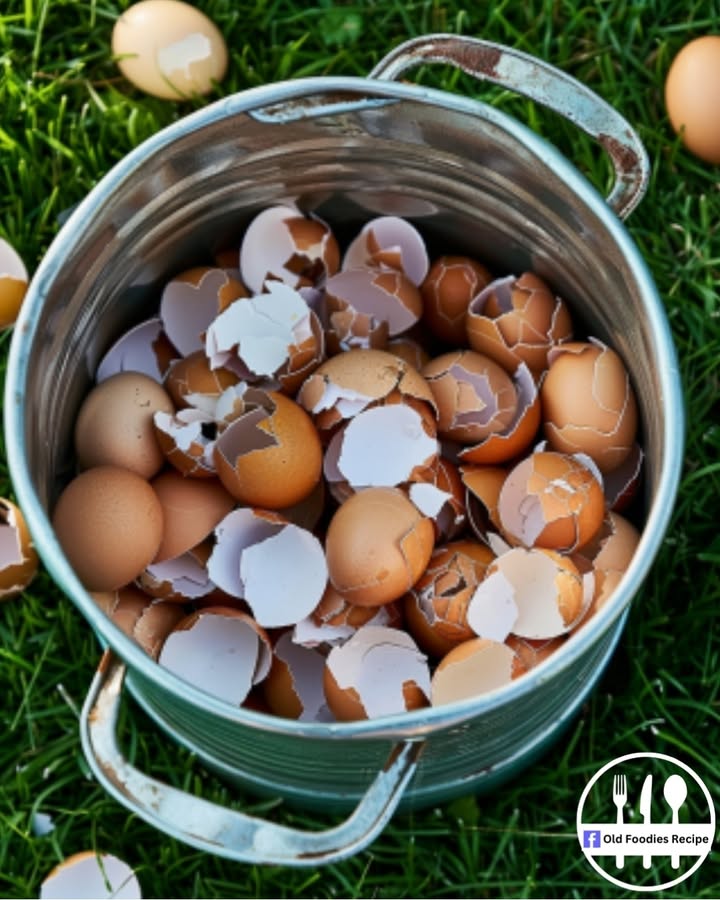
Here’s a thing I’ve learned after many years in both my kitchen and garden: the most magical solutions are often the ones we throw away. Just last week, while making my family’s favorite Lemon Garlic Chicken, I cracked a dozen eggs for a brunch frittata. As I went to toss the shells, I stopped myself. Those fragile, discarded halves are pure garden gold. Saving eggshells is one of the easiest, smartest habits any gardener can adopt. It turns kitchen waste into a powerhouse of plant nutrition and pest control. Let me show you exactly why and how to use them.
From Trash to Treasure: The Eggshell Story
For generations, thrifty gardeners have known the secret value of eggshells. My grandmother never bought plant food from a store. She had a big ceramic bowl on her counter where she’d drop every single shell after breakfast. Come spring, that bowl would be crushed and sprinkled over her prize-winning tomato patch. It was her “secret ingredient.” Today, we understand the science behind her wisdom. Eggshells are about 95% calcium carbonate, the same stuff that makes up limestone. This simple, natural material is exactly what many of our plants crave to grow strong and fruitful.
Why Your Garden Will Thank You for Eggshells
You’ll love using eggshells because it’s free, easy, and incredibly effective. It cuts down on kitchen waste instantly. You are giving your plants a slow-release calcium boost that helps prevent common problems like blossom end rot. It also keeps those pesky slugs and snails at bay without any nasty chemicals. It’s a win for your plants, your wallet, and the environment. Plus, it just feels good to be so resourceful!
Perfect Times to Use Eggshells in the Garden
Eggshells are a garden helper for every season! Toss them in your compost anytime. Crush them into planting holes when you’re putting in tomatoes, peppers, or squash in the spring. Use them as a pest barrier around tender seedlings. In the fall, work them into your garden beds to decompose over winter. They’re even perfect for starting seeds indoors on a windowsill in late winter. Whenever you’re gardening, eggshells have a role to play.
Getting Your Eggshells Ready: A Simple Prep Guide
Before you use eggshells, a tiny bit of prep makes them perfect. First, rinse them gently to remove any leftover egg white. Let them air-dry completely on a windowsill or in an empty bowl. This prevents any funky smells. Once they’re bone-dry, you have options. You can crush them with your hands for a rough mulch, grind them in a blender or coffee grinder into a fine powder for soil amendment, or keep halves intact for seed starters. I keep a dedicated container under my sink just for drying shells!
Ten Brilliant Ways to Use Eggshells in Your Garden
- Soil Enrichment: Crushed shells add calcium, strengthening plant cell walls and roots.
- Natural Pest Repellent: Sharp, crushed edges deter slugs, snails, and cutworms.
- Compost Booster: They add minerals to your compost as they slowly break down.
- Seed Starting Pots: Plant seeds in half-shells and plant the whole thing later.
- pH Level Adjustment: Helps neutralize acidic soil, like a gentle lime.
- Enhanced Plant Food: Mix powdered shell into your organic fertilizer.
- Water Drainage Improvement: Aeration for heavy clay soils.
- Bird Food Supplement: Provides calcium for nesting birds.
- Eco-friendly Mulch: Suppresses weeds and retains moisture as it breaks down.
- DIY Cleaning Scrub: Grind into a powder for a natural abrasive for pots.
Pro Tips for Eggshell Success
Crush them finely for faster decomposition, especially when adding directly to soil. For pest control, use coarse, sharp pieces to create an effective barrier. When adding to compost, crush them first to speed up the process. If you’re making a lot of seed starters, use an egg carton to hold the shells steady while they dry and you plant. And my favorite tip? Bake dry shells on a low oven rack for 10 minutes after rinsing. This makes them super crisp and easy to powder, and it ensures they’re sterile for seed starting.
Common Mistakes to Avoid
Mistake 1: Adding Wet, Unrinsed Shells
Putting eggshells with sticky egg residue into your garden or compost is asking for trouble. The leftover protein can attract unwanted pests like rodents and flies. It can also create unpleasant odors as it rots before the shell itself begins to break down. Always give your shells a quick rinse under the tap and let them dry completely before storing or using them. A simple rinse makes all the difference!
Mistake 2: Using Giant, Chunky Pieces
Tossing whole or large shell pieces into your garden bed looks pretty, but it doesn’t help much. Those big pieces take years to decompose and release their nutrients. Your plants need the calcium now, not seasons from now. Take an extra minute to crush them down. For soil amendment, the finer the powder, the better. A quick pulse in a blender or a roll with a rolling pin does the trick.
Mistake 3: Expecting Instant pH Changes
Eggshells can help balance acidic soil, but they are not a quick fix. Unlike commercial lime, eggshells decompose slowly. Their effect on soil pH is gentle and gradual. Don’t expect a single application to transform your soil overnight. Think of it as a long-term, nurturing practice. Add crushed shells each season and over time, you’ll build a healthier, more balanced soil foundation.
Mistake 4: Relying Solely on Shells for Pest Control
While crushed shells are great for deterring soft-bodied pests, they are not a force field. A heavy rain can wash them away or embed them in the soil, reducing their effectiveness. They work best as part of a larger pest management strategy. Reapply the barrier after storms and combine them with other methods, like hand-picking or beer traps for slugs. It’s a helpful tool, but not a magic bullet.
Fun Facts and Extra Info
The color of the eggshell—white or brown—makes no difference to its nutritional value for your plants. It’s all about the hen’s breed! Also, while we focus on calcium, eggshells contain small amounts of other minerals like magnesium and phosphorus. It’s a complete little mineral package. If you’re curious about the exact dietary information and composition of eggs themselves, trusted health resources provide great detail on their nutritional profile. For more inspiration on using everyday ingredients creatively, explore our full collection of easy everyday cooking recipes.
Frequently Asked Questions
How do I prepare eggshells for the garden?
The easiest way is to rinse them right after cracking to remove any egg residue. Let them air-dry completely on a paper towel or in a bowl. Once dry, you can store them in a container. When you have enough, crush them using your hands, a rolling pin, or a blender. For a fine powder, a clean coffee grinder works wonders. Some gardeners bake them at a low temperature (around 200°F) for 10 minutes to sterilize and dry them out completely, which makes crushing even easier.
Can I put eggshells directly in my garden?
Yes, but preparation is key. Do not put whole, unrinsed shells directly on the soil. Always rinse and crush them first. Sprinkle the crushed shells around the base of your plants or work them into the top few inches of soil. If you’re planting tomatoes or peppers, add a handful of crushed shells right into the planting hole. This gives the roots direct access to calcium as they grow, which helps prevent common issues like blossom end rot.
How long do eggshells take to decompose?
It depends on how finely you crush them and your soil conditions. Large shell halves can take several years to break down. Finely crushed or powdered shells can decompose in a single growing season, especially in active, moist garden soil. In a compost pile, crushed shells will break down faster due to the microbial activity and heat. Grinding them speeds up the process significantly, allowing your plants to access the nutrients much sooner.
Do eggshells really keep slugs away?
They can be a very effective deterrent. Slugs and snails have soft, sensitive bodies. The sharp, jagged edges of crushed eggshells are uncomfortable for them to crawl over. Creating a protective barrier of crushed shells around susceptible plants like hostas, lettuces, and seedlings can convince these pests to go elsewhere. Remember, the barrier needs to be wide enough (about an inch or two) and replenished after heavy rain for it to remain effective.
What plants benefit most from eggshells?
All plants appreciate the calcium, but some are especially heavy feeders. Vegetables that commonly suffer from calcium deficiency, like tomatoes, peppers, eggplants, and squash, benefit tremendously. Fruit trees, like apples, can also use the calcium for stronger fruit. Blossom end rot in tomatoes is a classic sign of calcium issues, making them a top candidate for eggshell treatment. Even your houseplants, like African violets, enjoy a sprinkle of eggshell powder.
Can I use eggshells in potted plants?
Absolutely! Eggshells are fantastic for container gardening. Mix a few tablespoons of finely crushed or powdered shells into the potting mix when you are planting. You can also sprinkle a layer on top of the soil as a mulch, which will slowly work its way down with watering. For potted plants, the controlled environment means the calcium is readily available to the roots. Just ensure the shells are clean and crushed to avoid attracting bugs indoors.
Do I need to wash eggshells before composting?
It is highly recommended. Washing removes the egg white, which can attract unwanted pests to your compost bin, such as rats, raccoons, or flies. It also helps prevent any potential odor issues as the protein decomposes. A quick rinse is all it takes. Letting them dry before adding to the compost is also a good practice, as it prevents the compost from becoming too soggy in one spot.
Are brown eggshells better than white ones?
No, the color makes no difference for gardening purposes. Brown, white, blue, or green—all eggshells have the same basic composition of calcium carbonate. The color is determined by the breed of the hen and is only on the outside of the shell. Feel free to use any and all eggshells you have. Your plants will not know the difference, and they will thank you for the nutrients regardless of the original color.
Can I feed eggshells to my chickens?
Yes, but with important caution. Chickens need calcium to lay strong eggs, and feeding back eggshells is a common practice. However, you must bake the cleaned shells first (at 250°F for about 10 minutes) and crush them into a fine grit. This process prevents the chickens from recognizing them as eggs, which could encourage egg-eating behavior. Mix the baked, crushed shells into their regular feed as a calcium supplement.
How should I store eggshells before I have enough to use?
Find a system that works for your kitchen. I use a large, open bowl on my countertop for drying. Once the shells are bone-dry (which prevents mold), I transfer them to a lidded container or a paper bag in my pantry or under the sink. Some people keep a container in the freezer to avoid any smell while collecting. When the container is full, that’s my signal to crush them up and take them out to the garden or compost pile.
So, the next time you’re whipping up a batch of Cheesy Crack Burgers or experimenting with Slow Cooker Dumplings, don’t let those eggshells escape! Give them a quick rinse, let them dry, and start your collection. It’s one of the simplest, most satisfying ways to connect your kitchen to your garden. You’ll see the difference in stronger stems, healthier fruits, and fewer pests. Happy gardening—and happy cooking!
Cajun Steak Alfredo
Ingredients
Equipment
Method
- Cook the fettuccine pasta according to package instructions; drain and set aside.
- In a skillet, heat olive oil over medium-high heat.
- Season the steak with Cajun seasoning and sear it in the skillet for about 4-5 minutes on each side until cooked to desired doneness.
- Remove the steak from the skillet and let it rest before slicing it thinly.
- In the same skillet, add minced garlic and sauté for about 1 minute until fragrant.
- Pour in the heavy cream and simmer for 3-4 minutes.
- Stir in grated Parmesan cheese until melted and smooth.
- Season the sauce with salt and pepper to taste.
- Toss the cooked fettuccine in the creamy sauce until well coated.
- Serve the pasta topped with sliced Cajun steak and garnish with fresh parsley.